









Latest news

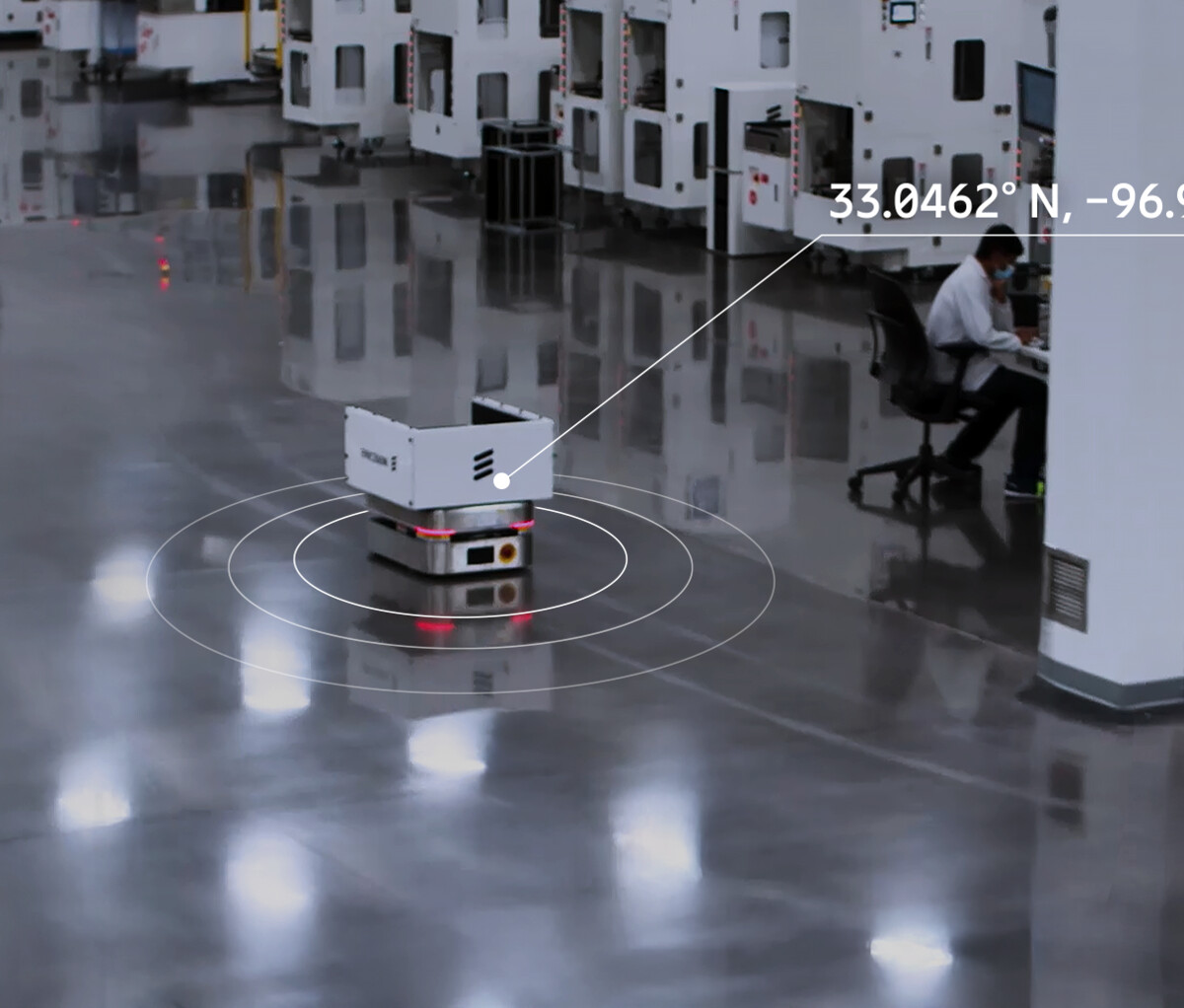
Ericsson and Epiroc expand alliance to accelerate mining automation and digital transformation
- The alliance delivers on the growing need of industrial digitalization, where foundational, resilient connectivity is crucial for automation, safety, and productivity in critical operational environments.
- Ericsson’s leading LTE and 5G solutions will power Epiroc’s digital portfolio, enabling advanced use cases like remote-controlled and autonomous solutions.
- The agreement marks a significant milestone in its go-to-market relationship, with Epiroc acting as a systems integrator to resell and deploy Ericsson’s enterprise technology for mining customers globally.

Share buybacks in Ericsson during the period June 1 - June 5, 2026
During the period June 1 - June 5, 2026, Telefonaktiebolaget LM Ericsson (publ) ("Ericsson") (LEI code 549300W9JLPW15XIFM52) repurchased own Class B shares (ISIN: SE0000108656) as follows:
- Also available in:
- Svenska

Liberty y Ericsson despliegan una red 5G sostenible, eficiente en energía y de alto rendimiento en Costa Rica
- Impulsan un despliegue sostenible de la red 5G con equipos como el AIR 3255, que consume menos de energía que la generación anterior.
- Con estos equipos se logra una reducción de casi un 20% en las emisiones de CO₂ incorporadas.
- El despliegue de la red 5G de Liberty Costa Rica respalda su estrategia climática, enfocada en reducir las emisiones de alcance 1 y 2 en un 30% y la intensidad de las emisiones de alcance 3 en un 39,8% para 2027.
- Also available in:
- English
Share buybacks in Ericsson during the period May 25 - May 29, 2026
During the period May 25 - May 29, 2026, Telefonaktiebolaget LM Ericsson (publ) ("Ericsson") (LEI code 549300W9JLPW15XIFM52) repurchased own Class B shares (ISIN: SE0000108656) as follows:
- Also available in:
- Svenska
Ericsson’s Nomination Committee appointed
Ericsson's (NASDAQ:ERIC) Nomination Committee for the Annual General Meeting 2027 has been appointed in accordance with the Instruction for the Nomination Committee resolved by the Annual General Meeting 2012.
- Also available in:
- Svenska
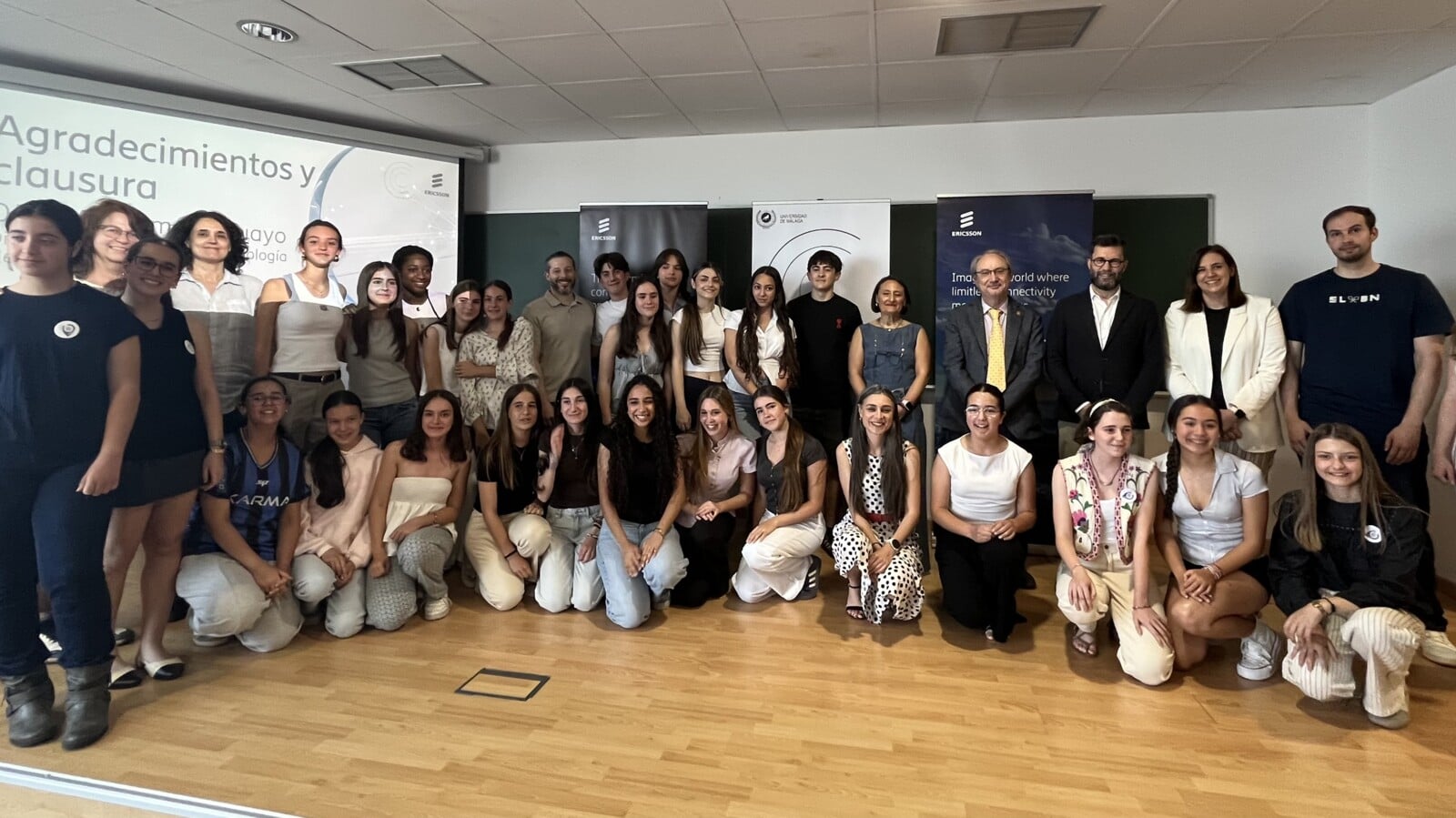
Ericsson and the University of Málaga foster female talent at the Hilda Ericsson Awards within the Lamarr Chair Challenge
- High school students showcased real-world solutions and prototypes powered by Generative AI to tackle social and sustainability challenges.
- Female enrolment in STEM at University of Málaga (UMA) continues to rise — women now represent 27% of students in engineering and mathematics.
- Also available in:
- Español

Ericsson to relocate Stockholm operations to Hagastaden
- Additional leases for properties in the area have been signed in addition to the one previously communicated
- Process of moving Stockholm operations estimated to start 2028 and last several years
- Also available in:
- Svenska
Share buybacks in Ericsson during the period May 18 - May 22, 2026
During the period May 18 - May 22, 2026, Telefonaktiebolaget LM Ericsson (publ) ("Ericsson") (LEI code 549300W9JLPW15XIFM52) repurchased own Class B shares (ISIN: SE0000108656) as follows:
- Also available in:
- Svenska
Ericsson welcomes Sweden-U.S. technology deal
Ericsson has welcomed a new Technology Prosperity Deal (TPD) between Sweden and the U.S. which includes commitments to 5G, 6G, AI and advanced research cooperation, as part of wide-ranging technology agreement.