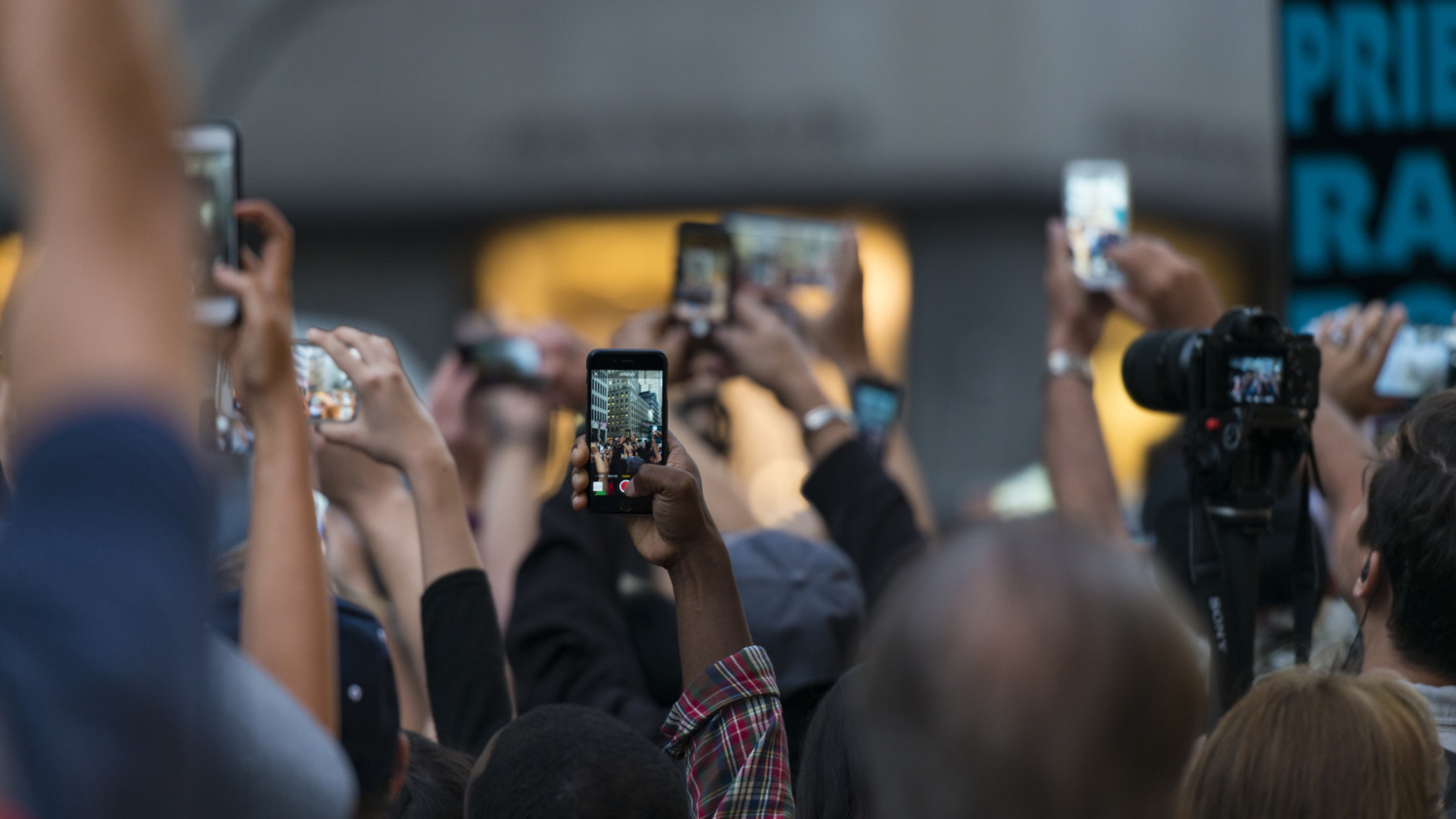
Thirty-five percent of Android and iPhone users in the US use apps such as Facebook on their smartphones before even getting out of bed, shows new research from Ericsson ConsumerLab. This is yet another sign that the app culture is growing in importance and turning into a new way of living.

App-based smartphones have changed the way users feel about and interact with their phones. What used to be an important tool has become a personal object, generating strong emotions. A study from Ericsson ConsumerLab shows that users of app-based phones integrate them into most aspects of life, describing the relationship as one of “love” rather than “like”.

The increased usage of mobile phones and the internet has changed the way Chinese kids interact with one another as well as spurring behavioral changes. For instance, Chinese kids are more likely to question authority than previous generations and are more explorative.

Globalization and individualization are two emerging megatrends driving continued growth in the changing world of communications. At the same time consumers are becoming savvier, making service choices based on price and ease of use.

TV is perhaps the most important of all media. Live TV will continue to have a strong position, but consumers will not accept just any offering. They are actively seeking solutions that best match their behavior, needs and expectations.

With more than a billion mobile broadband subscribers worldwide, people depend more on internet services. Smartphones have changed users’ behavior, consumers now connecting to internet everywhere.

Internet-based TV is growing rapidly and more than 70 percent of consumers are time-shifting each week. These and other changing TV behaviors are revealed in this Ericsson ConsumerLab study.

More than 85 percent of Chinese consumers expect their personal finances to improve. This economic optimism in the world's largest telecom market, coupled with growing telecom use, should be interesting for every player in the region.
At Ericsson ConsumerLab, our main offering is knowledge. We have more than 15 years experience in consumer research, which involves studying people's values and behaviors, including the way they act and think about telecom products and services. We analyze the data and then share the resulting insights with people working in strategy, product development and marketing within the Ericsson Group. We also use that knowledge to help operators understand their customers and develop strategies that generate revenue and improve the customer experience.
Ericsson ConsumerLab gains this knowledge through a global research program based on annual interviews with 80 000 individuals in more than 40 countries. These 80 000 have been selected statistically to represent the views of 1.1 billion people.We acquire our knowledge using both quantitative and qualitative consumer market research. It covers general market and consumer trends as well as in-depth insights into specific areas. We see the big picture, understand where the individual fits in, and know what this means for future trends and services.
Meet Wang Yu Xia, a live-in domestic helper in Beijing, China, who found a richer life thanks to ICT.
Top-ranked cities show how ICT investment helps meet social, economic and environmental targets. Where are they and what are they doing?
Singapore, Stockholm and Seoul top-ranked in Ericsson's Networked Society City Index

A recent Ericsson ConsumerLab analysis shows that 35 percent of US Android/iPhone owners use apps or the internet before they’re even out of bed – and 18 percent of social networking site users log in while their heads are still on the pillow.
Watch this space...