




Log in
Your Local Ericsson site

Asia-Pacific key to 50 billion connected devices

May 14, 2010 Categories: Industry, Technology
Asia-Pacific key to 50 billion connected devices

When it comes to dramatic changes in the ICT industry, the numbers tell the story. When once we were impressed by thousands or millions of customers, we now talk about billions. An all-communicating world is getting closer, a world in which Ericsson sees 50 billion connected devices by 2020. China and the Asia-Pacific region will have a key role.

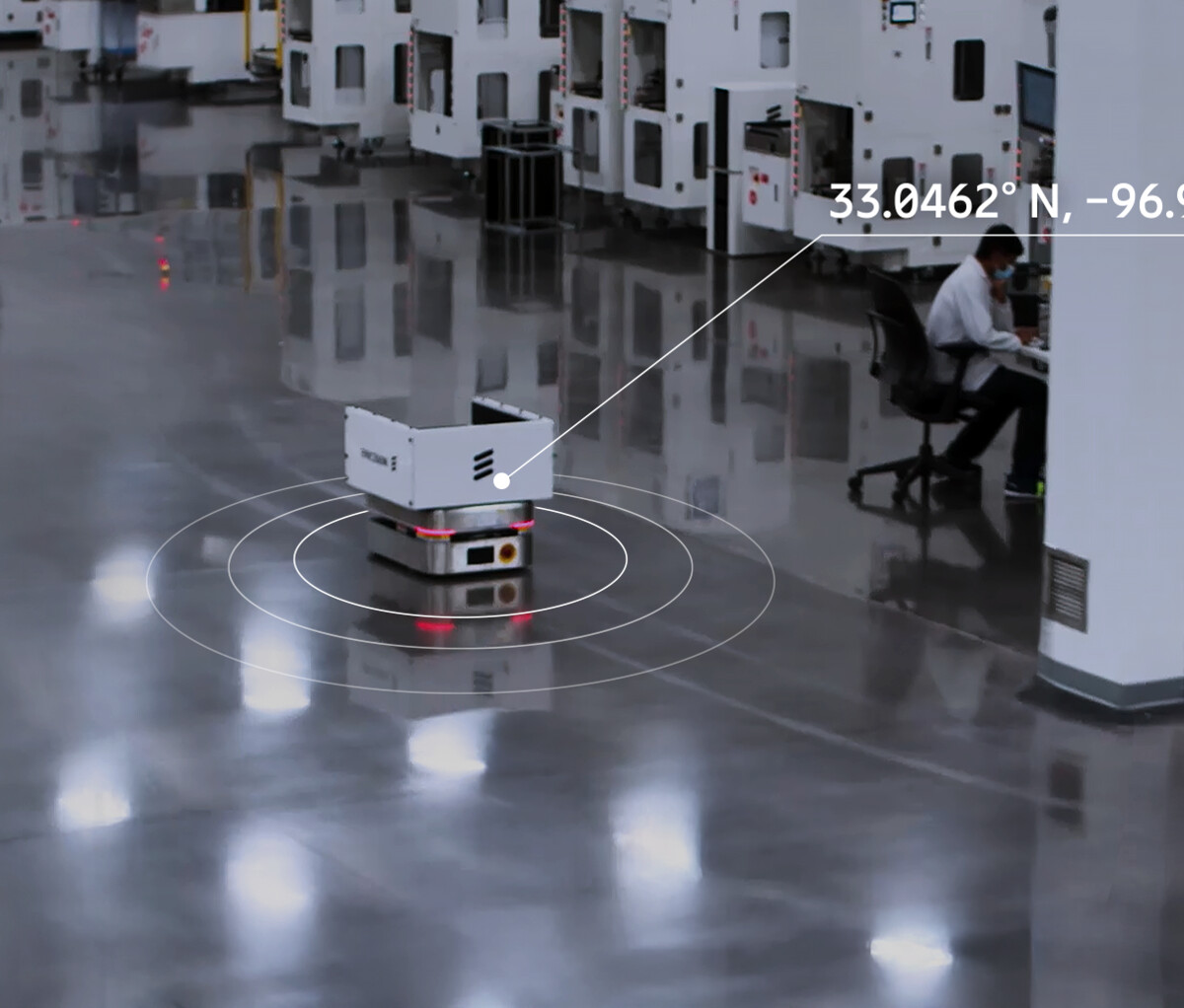
It starts with recognition that machine-to-machine (M2M) communication and person-to-machine communication will dictate the future of the ICT industry and in turn change society as we know it. Where M2M was once the realm of science fiction, in the near future it will be science fact.

In fact, M2M is already with us in areas such as transportation, through tracking solutions and the energy sector, through smart metering. The healthcare industry is looking at improving patient care through instant device communication and remote monitoring.

M2M connections are expected to triple in the next five years, topping 200 million in 2014, making it an important area for Ericsson and the industry. Many operators are establishing M2M units to pursue related revenue opportunities. At Ericsson, we are already working closely with our customers, device manufacturers and standardization forums, as well as conducting consumer and technology research, to pursue M2M opportunities.

So what will be connected? Put simply, anything. Think of the wildest and weirdest connectivity scenarios you can – and they can probably become a reality. Your home appliances know you are at a certain point on your commute home from work, so they cook your evening meal for you; your low-energy light bulb warns you that it only has 90 minutes left before expiring; a squash ball tells you how many times you hit it during a game. Anything and everything can be part of an all-connected world.

But our 50 billion connected devices vision won't happen without broadband and particularly mobile broadband. And it won't happen without China and other countries in the Asia-Pacific region, not just because of its huge population, but because many countries there already have mature markets when it comes to connected devices.

China, the world's biggest telecom market with about 800 million mobile subscribers and 380 million internet users, will be a key player in making 50 billion connected devices a reality. Contrary to some perceptions, the Chinese telecoms market is a lot more than voice – it is very diverse. Voice is indeed the main use of the mobile in rural China, where an estimated 30 percent of the population now has access to mobile services. But rural China is also connecting to the web, with almost 107 million internet connections in early 2009, an increase of 26 percent from 2008.

In urban China, particularly among its youth, high-end mobility, broadband and mobile broadband are already a way life. The most popular way to stay connected is via the mobile phone. In China as a whole, about 30 percent of operators’ revenues are non-voice – most of which is driven in urban areas. The increasing wealth among urban Chinese is reflected in the country's position as the second-largest luxury goods consumer in the world, so the speed of mobile internet uptake should be no surprise. Some 87 percent of urban Chinese youth use the internet on a daily basis, while more (69 percent) play online games on a weekly basis than their counterparts in other developed countries.

This diversity means mobile broadband opportunities exist in both GSM and TD-LTE.

Consumers in the rest of the world often look with envy to countries in the Asia-Pacific region, such as Japan and South Korea, who regularly lead in the uptake of new mobile functionality and offerings.

We will highlight developments in the Chinese market during our Ericsson Innovation Days in Shanghai from May 17-19, as part of the 2010 World Expo.

Globally, we predict that the number of mobile broadband users will increase from the current 400 million to about 3.5 billion by 2015 due to massive increases in data growth. New charging capabilities for operators will be one result of this rapid growth.

With such a rate of mobile broadband uptake, we believe that in 10 years there will be 50 billion connected devices. Exciting opportunities lie ahead not just for consumers and society, but also for the industry in making an all-communicating world a reality.