Future Cities: Trashing cars and driving trash
It’s hot to talk about urbanization. People are moving into cities at an astounding rate: somewhere in the world, around 7500 people are moving to a city every HOUR. The resulting problems that move along with that population explosion – think not only traffic, think jobs, social services, not to mention garbage - many if not all of those issues can be solved by Information and Communications Technology (ICT).
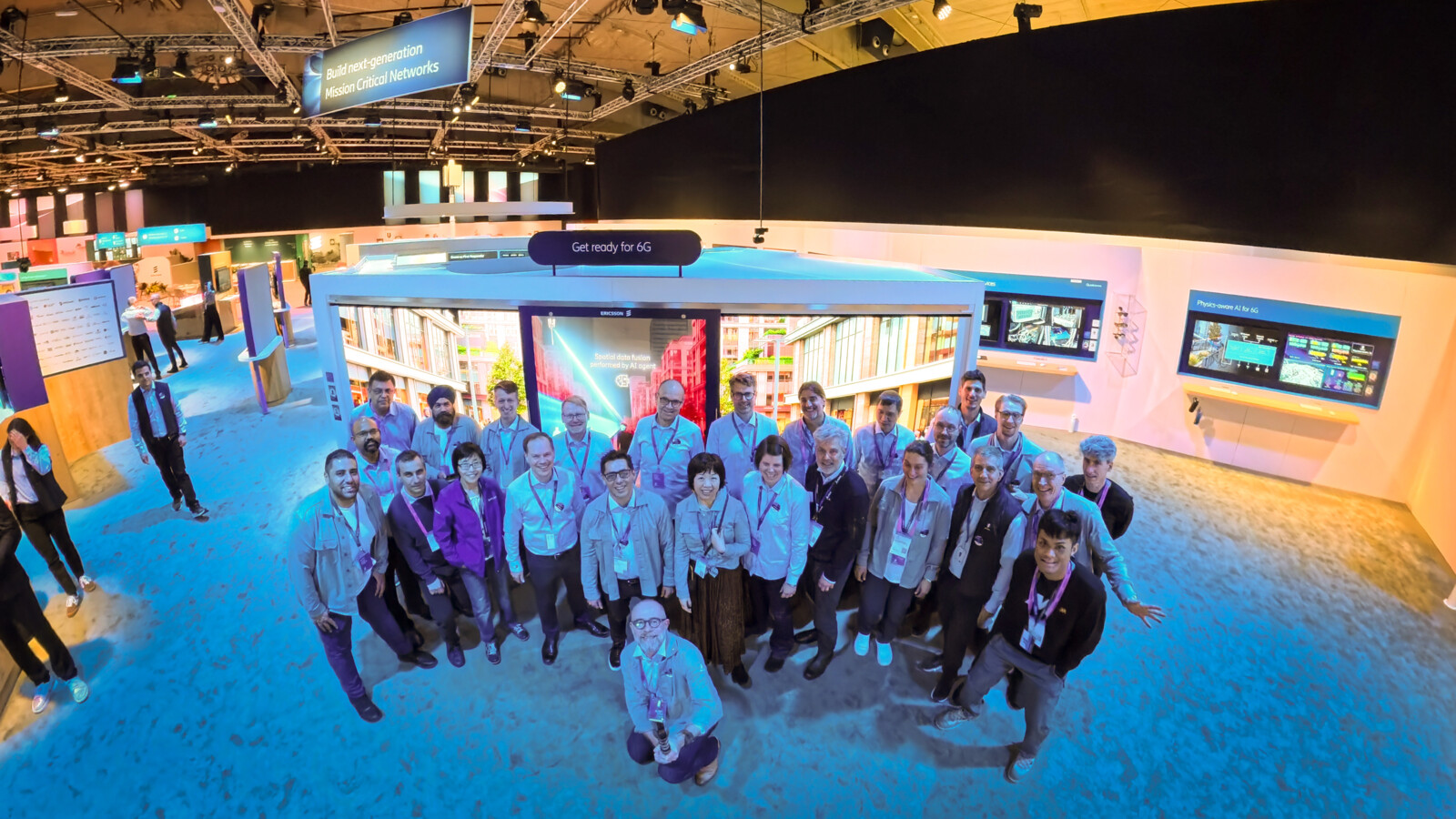
At the Economist’s Future Cities conference in Stockholm today and tomorrow (sponsored by Ericsson), the voices of innovation and experience are joining together to debate how to shape places that people will care about, crowded as they may be.
In the spirit of full disclosure, allow me to admit that I walked into this space understanding Ericsson’s involvement alone. We work on initiatives that use ICT in developed areas like Stockholm and South Africa, but also in developing areas like remote villages in Africa, South America, and India. The solutions are related to connecting schools, making government solutions more visible and available to citizens, enabling commerce on both big and small scales, and reducing the carbon impact of people and our machines.
All of these solutions are important and bring empowerment to people in cities.
But when I walked in to the demonstration area and saw a photo of a vacuum waste removal system that’s in place just down the street in my city, I was both proud (Wow!) and embarrassed (I should know that.) Those green garbage cans at the public park in Mariatorget are connected to an underground vacuum system so you never see the can overflowing with trash.
As cities grow and become the main gathering places in our world, we have to solve the simple things as well as the big-ticket issues.
There’s a lot of discussion here about traffic. Public transportation over cars. Then along comes Michael Arth, an architect and president of Pedestrian Villages, Inc., who promotes the idea of ”self-driving” cars. The technology is already there, and one carmaker (Audi) already has a crash-prevention system which will automatically correct a driver who seems to be on a collision course. Arth says that potentially, we could all be using self-driving cars within ten years. On top of that, if the cars are public transportation, then we eliminate parking lots and all of the accompanying headaches about parking.
There are political, social, and psychological barriers to the idea of a self-driving car, but it’s worth thinking about even if it sounds outlandish.
On projecting to a future 30 years from now, William Eccleshare, CEO of Clear Channel International, said cities probably wouldn’t be that different. “I’d like to think that we could teleport out of here in the future, but I doubt that will happen. The fact is, cities 40 years ago were not that different from cities of today,” he said.
But the advertising exec did say that his industry will change drastically. Ads will be less visible, more direct, and help people have easier access to things they need.
“I think we’re moving towards a tipping point where technology will enable consumers to buy directly off an advertising site.
“More people are spending time away from home and moving around the city, so I believe the role of mobile devices relating to advertising as a purchasing device will be transformative, combined with ability of advertisers to target consumers much more accurately.”
All of these diverse ideas have communication in common. So it makes sense for Ericsson to take these issues, and these ideas, to heart as we build and maintain the networks of tomorrow.