





Skip navigation
""

5G RAN

Explore where high-performing networks begin

5G RAN explained

What it is 

The 5G Radio Access Network (RAN) serves as the critical link that connects wireless cellular devices to the core network, enabling high-performing connectivity just about anywhere. Powered by advanced technologies such as Massive MIMO radios, beamforming and multi-band utilization, 5G RAN delivers significantly higher data rates, lower latency and improved user experience compared to previous generations of mobile networks.

How it works

The RAN with all its towers, rooftops and other diverse site types, each consists of several key components that work together to transmit your device’s data securely and efficiently to the core network and back again. 5G RAN can be tailored to meet diverse connectivity demands – from indoor to dense urban outdoor, and wide area rural to complex industrial terrains. 

Get to know the essential components

The radios                             

responsible for converting digital data into transmittable signals                                                        

The antennas                          

which transmit electrical signals into radio waves                                                                               

The basebands                     

RAN Compute, which manages critical signal processing functions                                           

The fronthaul interface     

RAN Connect, which aggregates multiple radios and connects them to the RAN Compute

The fronthaul network

typically carried via fiber-based CPRI or Ethernet-based eCPRI, that connects distributed radio units with centralized baseband units 

The backhaul network

typically carried via fiber or wireless microwave links, that connects the RAN to the core network                                                                         

The site infrastructure

which provides the physical sheltering, power backup, optimized energy management and time synchronization across each RAN site

What’s next for 5G RAN?

Today, Massive MIMO with open RAN support is transforming the RAN paradigm, adding critical capacity – particularly in the uplink through FDD Massive MIMO. This development unlocks new capabilities for service providers to meet rapidly growing consumer and enterprise demands for data and advanced use cases such as enterprise network slicing, differentiated connectivity and AI applications. 

New open architectural possibilities – enabled by open interfaces and open management systems – are also unlocking new levels of service differentiation, flexibility and innovation.

This is matched by rapid developments within RAN automation through RAN Compute in the real-time domain, and through rApps in the network management domain. This is creating new possibilities for intelligent energy-efficient operations, boosted performance  and adaptive networks that are ready for future connectivity demands. 

Girl in Metro
Explore our 5G RAN solutions

Discover how Ericsson’s 5G RAN solutions translate innovation into real network performance.

Explore 5G RAN solutions

Learn more about the key technology areas

Radio units

Radio units

The network’s radio units are compute-intensive systems that can perform billions of signal processing tasks per second. This includes converting digital data into radio signals (modulation) and vice versa (demodulation), calculating how signals should be weighted and timed to form directional beams (beamforming), channel coding and decoding to ensure data integrity throughout each transmission, and managing interference from neighboring cells. There are several various radio categories today – from micro to macro and Massive MIMO, each tailored to specific deployment needs with different requirements on transmitters/receivers, frequency configurations, duplex modes, compactness and more.

Massive MIMO

Massive MIMO

Massive MIMO (multiple-input, multiple-output) is a multi-antenna radio that integrates the radio, antenna and some baseband functionality into a single unit. Leveraging advanced multi-antenna techniques such as beamforming, null forming and multiplexing, Massive MIMO creates significant spectral efficiency gains, making it possible to extend coverage and boost capacity and user throughput. Available for both TDD and FDD spectrum, Massive MIMO combines purpose-built hardware with intelligent software features, making it a cornerstone of 5G downlink and now uplink performance.

Antennas

Antennas

Antenna systems are critical to network performance, directly impacting coverage, capacity, energy efficiency, and total cost of ownership. Modern antenna systems, such as the Ericsson Antenna System, can support multiple frequencies and technologies from a single site. Antenna systems come in two variants: passive antennas, ideal for wide-area low-band coverage, and active antennas with integrated processing capabilities that can deliver the capacity, coverage and spectral efficiency needed in data-traffic intense areas where the network supports several use-cases in parallel.

RAN Compute

RAN Compute

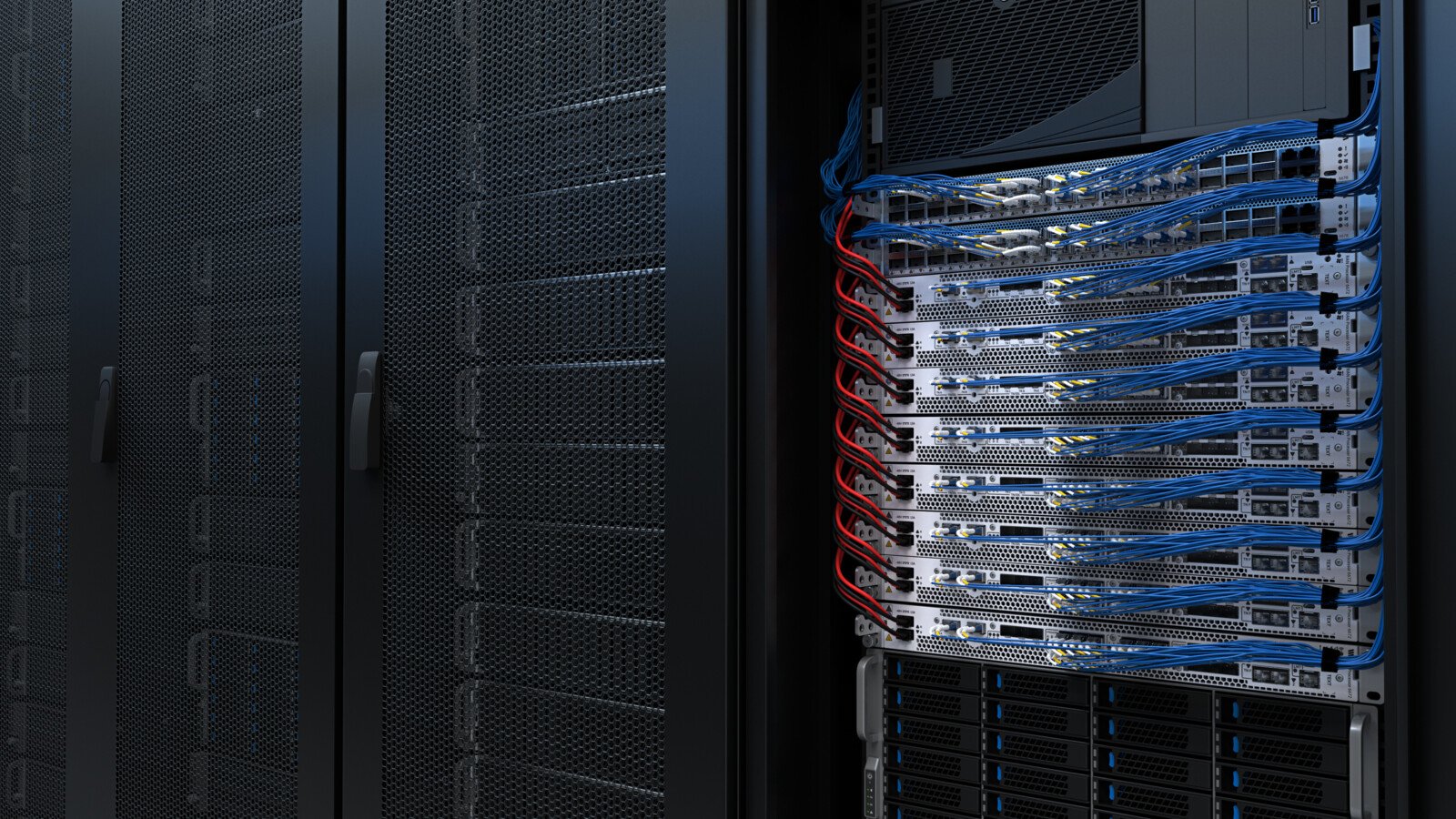
RAN Compute, also known as the baseband, provides the processing power that makes high-performing networks possible. It serves as the RAN’s processing unit, responsible for handling and optimizing the radio unit’s signal processing tasks, resource management and transmission capabilities like massive MIMO and beamforming. Capable of supporting several radio access technologies simultaneously, RAN Compute makes it possible to aggregate multiple bands across multiple radios, contributing to improved downlink and uplink performance. 

Fronthaul

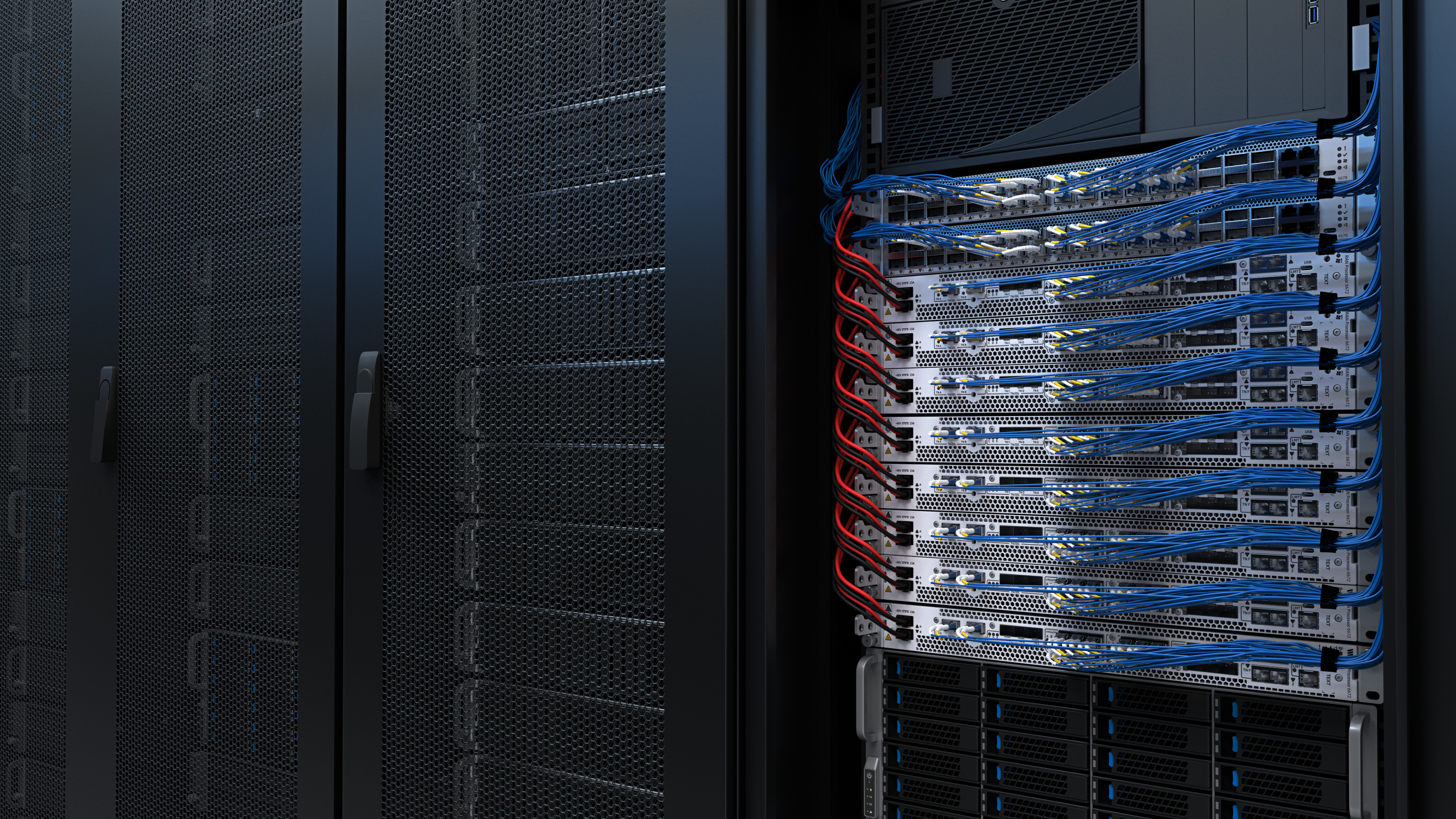
Packet-based open fronthaul is a highly efficient, scalable and modular transport network that connects remote-based radio units with a distributed compute function located elsewhere. It is based on the concept of a ‘lower layer split’ where processing functions are divided across the RAN’s physical layer i.e. between both the radio unit and distributed compute unit, and connected via Ethernet-based eCPRI fronthaul. eCPRI was introduced together with the 5G standard, providing a more efficient and scalable alternative to legacy fiber-based CPRI.

Packet fronthaul makes it possible to aggregate traffic from multiple radios into fewer ports on a vDU or RAN Compute baseband, maximizing radio processing efficiency while minimizing hardware requirements. It also ensures greater network resilience, enabling the flexible re-routing of traffic to alternative resources in the event of server or baseband failures.

In recent years, the standardization of open and interoperable fronthaul interfaces have continued to make fronthaul more open – supporting modular and scalable multi-vendor RAN deployments.

Fronthaul

Your expert guide to the latest 5G RAN technologies
Under the hood of multi-band remote radios

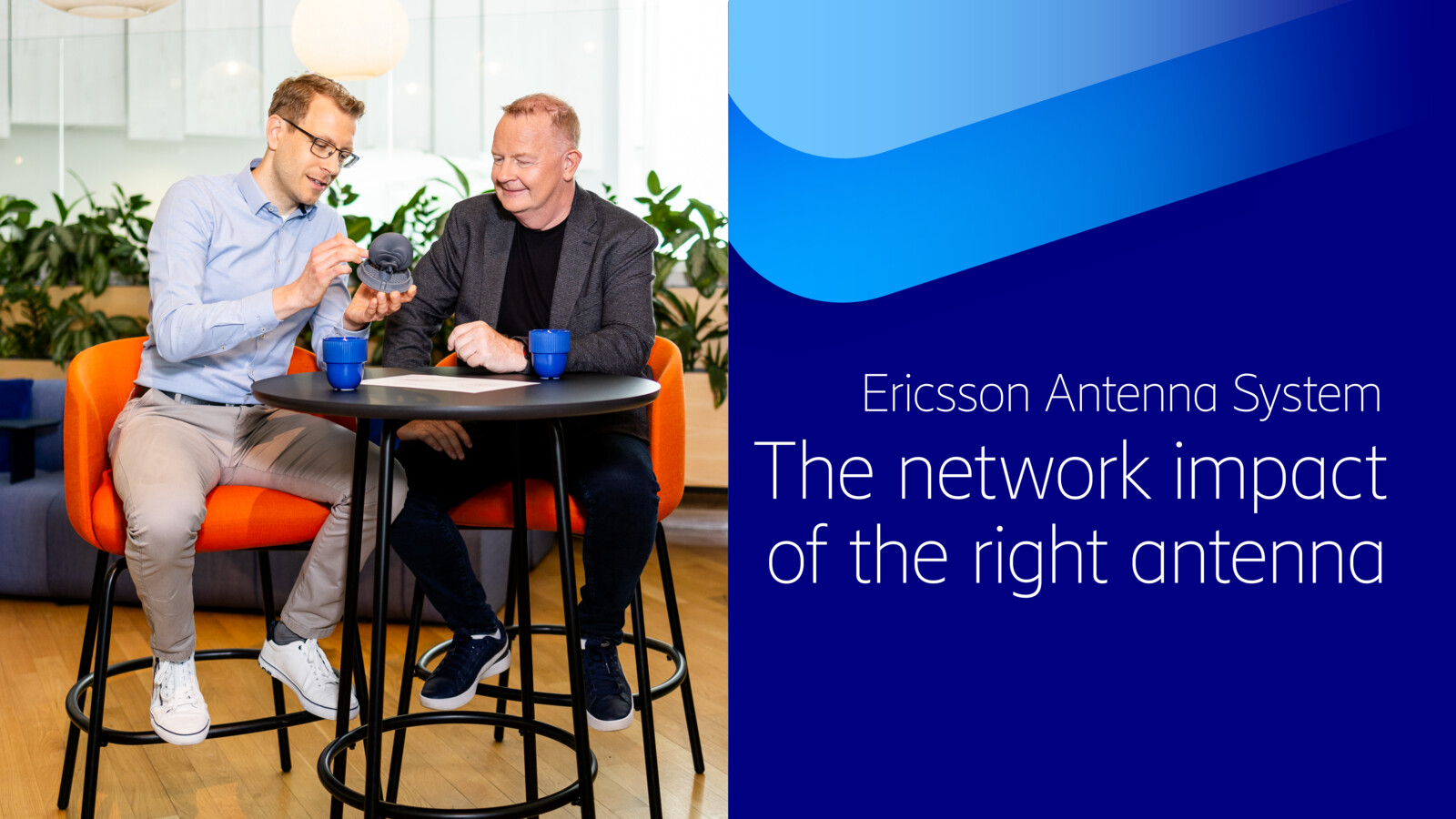
The network impact of the right antenna

How to build high-performing Massive MIMO

Busting the myths around microwave transport

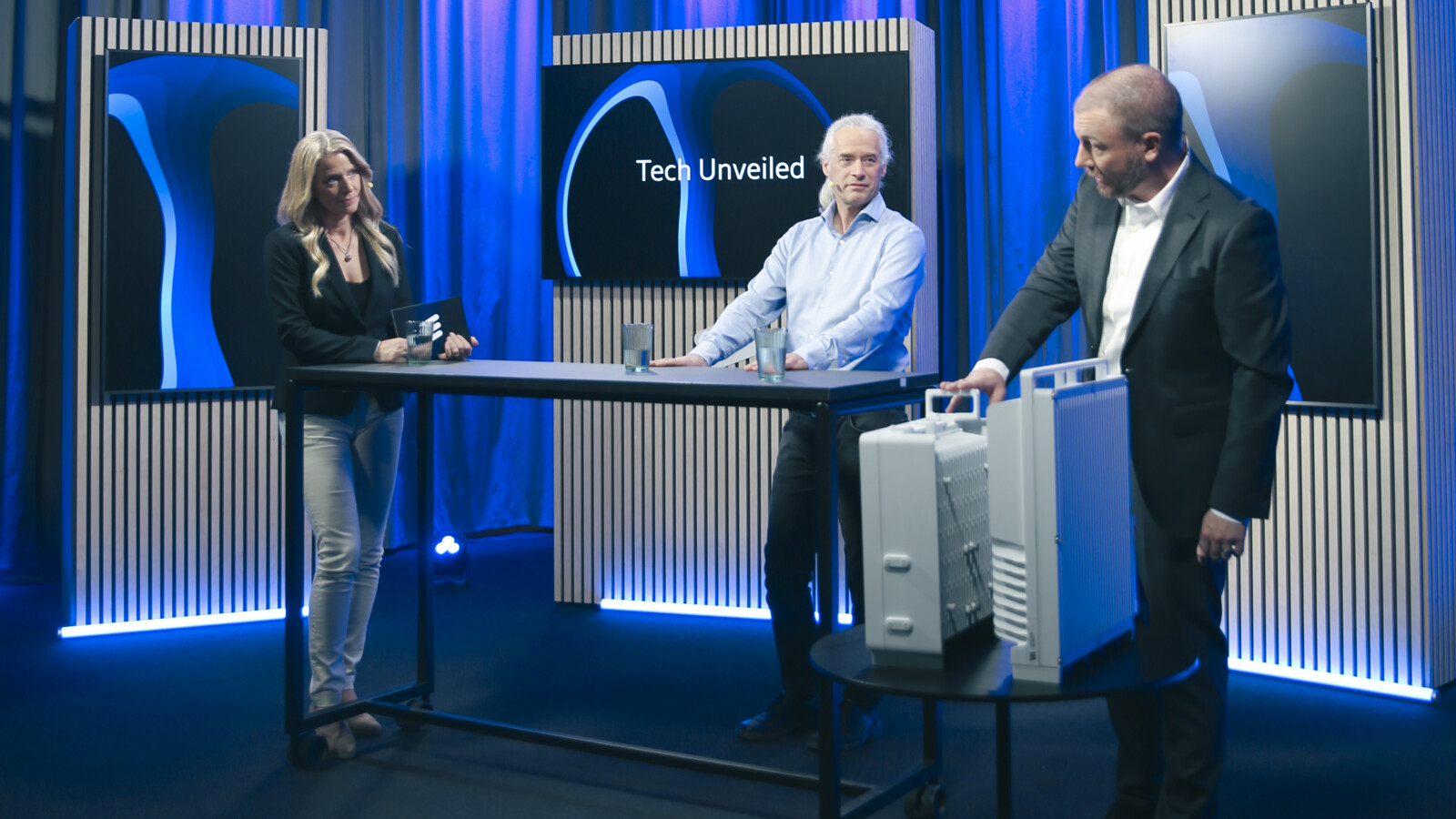
Discover more insights in our tech unveiled series

Understanding RAN: Purpose-built, Cloud RAN, and Open RAN

The Radio Access Network is at the heart of mobile connectivity, and it’s evolving rapidly to meet the demands of 5G and future technologies. As networks become more software-driven, cloud-native, and open, it’s important to clearly define the core concepts that underpin this transformation. Purpose-built RAN and Cloud RAN represent two complementary deployment models that CSPs can use to optimize performance, flexibility, and efficiency. Open RAN, meanwhile, is an architectural approach that introduces openness and disaggregation across both models. Together, these concepts form the foundation of a more agile and intelligent RAN.

Purpose-built RAN 

Purpose-built RAN is the current dominant model for building radio access networks. It features tightly integrated software and hardware, co-designed for optimal performance, energy efficiency, and compactness. Ericsson’s implementation—with RAN Compute—is a tightly integrated deployment of radios, baseband hardware, software, and operational tools. This architecture powers the vast majority of today’s distributed RAN deployments, typically using IP backhaul to the base station site. Despite the rise of cloud-native solutions, purpose-built RAN remains a critical component of future networks, often deployed alongside Cloud RAN in hybrid scenarios. 

Cloud RAN 

Cloud RAN introduces a disaggregated, cloud-native architecture by separating the RAN baseband software from the hardware. This software can run on commercial off-the-shelf (COTS) hardware, with or without integrated accelerators, and is managed using cloud-native tools and processes. Cloud RAN enables flexible deployment across on-site cloud hardware, CSP-owned data centers, or public cloud platforms. However, different parts of the RAN software stack have varying processing and latency requirements, making deployment decisions critical. Cloud RAN complements purpose-built RAN and provides a strong foundation for AI-driven automation, scalability, and orchestration.

Learn more about Cloud RAN.  

Open RAN 

Open RAN is an architectural concept for a more disaggregated RAN, built on top of 3GPP specifications and driven by the O-RAN Alliance. It is defined by three key pillars: Open interfaces, Cloudification, and Open management.

Open RAN fosters a broader ecosystem of suppliers, enabling faster innovation, greater automation, and more flexible network deployments. While it holds strong potential, continued development is needed in areas such as performance, energy efficiency, and security. Importantly, these architectural principles are also implemented in both purpose-built and Cloud RAN solutions, underscoring their relevance across deployment models.

Learn more about Open RAN 

Follow the latest developments across Open RAN

Design and deploy: how to build a high-performing 5G RAN

Achieving high-performing RAN means developing and dimensioning the network to deliver the right coverage, capacity, speed, latency and resilience that tomorrow’s consumers, enterprises and industries demand – across remote, suburban, dense urban, indoor and mission-critical environments. This requires a comprehensive approach – addressing spectrum utilization, infrastructure efficiency and operational resilience – combining to give you superior performance, low total cost of ownership and high network resilience. 

Superior performance

Providing the right coverage and capacity is the gateway to growing 5G revenues – enabling broader monetization of evolving 5G services and use cases – wherever, whenever. Unlocking superior RAN performance requires highly efficient spectrum utilization – delivering more bits per consumed hertz, high uplink and downlink performance that stays ahead of traffic demands, and the ability to harness and maximize powerful RAN compute capabilities wherever needed.

Advanced 5G use cases will continue to demand much higher bit rates and greater capacity for each consumed bit. Spectral-efficient solutions – such as Massive MIMO, beamforming, carrier aggregation and ever-increasing transmit and receive branches – are key to maximizing data transmission over any given bandwidth, enabling wider coverage and improved cell edge reception. Multi-band radios and antenna systems are also critical pieces of this performance puzzle – enabling higher spectrum utilization with a smaller site- and energy footprint.

With traffic set to rise 2.5 fold by 2030, networks must be dimensioned to scale with capacity demands as they grow. Massive MIMO provides this possibility, delivering 10x more downlink capacity versus legacy solutions and better support for both uplink- and downlink heavy use cases across urban and suburban sites.

The rapid uptake of AI applications, as well as extended reality use cases are expected to demand as much as twelve times the uplink radio network capacity compared to typical mobile broadband users. Today, 4T8R radios provide a cost- and space-efficient way to achieve this across medium traffic areas – providing 2x the uplink capacity on FDD mid-band and improved cell edge throughput - without changing the passive antennas. For even greater capacity across traffic-dense locations, FDD Massive MIMO can provide an effective boost for both uplink (2x) and downlink (3x) when combined with TDD midband support.

The importance of compute power will intensify in coming years, as networks grow more complex and accountable to critical, data-heavy use-cases. Efficient RAN Compute solutions remain critical to enhancing network performance by optimizing signal processing and supporting several radio access technologies simultaneously, e.g. running 4G and 5G on low bands and mid-bands with Massive MIMO. Compute-enhancing solutions such as Ericsson RAN Connect also play a pivotal role in ensuring greater radio site scalability through the aggregation of multiple radio sites to a shared high-capacity fronthaul interface.

Low total cost of ownership (TCO)

Site rental, energy consumption, spectrum acquisition and O&M costs are among the biggest contributors to 5G RAN total cost of ownership. With network evolution a constant necessity to stay relevant, service providers can ensure expansions and densifications of 5G RAN which also lower the cost of energy use. By leveraging increasingly compact, energy-efficient and flexible network solutions the site footprint can be reduced, and the site access lead time shortened.

There are many various solutions and strategies that make it possible to reduce network energy consumption while maintaining or even increasing the traffic load. This includes the Ericsson Radio System and Antenna System – developed using energy-efficient Ericsson Silicon, as well as new AI-powered software functionalities, such as sleep mode, that intuitively switches off surplus hardware at low traffic loads. The energy impact of site infrastructure and its cooling systems, also among the highest contributors, can be significantly reduced by shifting to outdoor enclosures or even rail-based zero footprint site infrastructure.

RAN solutions that are compact (for a lower site footprint and rental costs) and future proof (for a longer product lifecycle) can also make a significant positive impact on the overall TCO. This includes radios and antennas designed to support multiple access technologies and frequency bands at a single site, allowing for legacy bands to be refarmed as 5G traffic increases. Solutions that balance high output power with low weight offer a reduction on both the cost of rollout and the on-site footprint, in addition to carbon footprint savings. 

Intelligent RAN automation platforms – with intelligent resource allocation and predictive maintenance – are key to delivering cost-effective network management and significant long-term savings. The ability to perform remote radio rehoming and reconfiguration on flexible, future-proof solutions such as Ericsson RAN Connect can also contribute to significant TCO savings. 

High site resilience

Highly resilience and redundant network sites are key to minimizing downtime across the network, ensuring a continuous, fault-tolerant and highly performant network experience. This means developing the ability to withstand challenges such as power outages, environmental conditions and sudden weather changes, equipment failures or cyber threats. Site level solutions such as outdoor enclosures with heat exchangers, lithium-ion battery backup, and connected IoT remote management can all help to address this. 

Introducing outdoor enclosures at select sites can both increase resilience and reduce energy consumption. This can be supported through site-level solutions such as heat exchangers instead of air conditioning, as well as digitized temperature monitoring and adjustment based on real-time conditions

Resilient network require at least 4 hours of battery backup across each site, a requirement that can be addressed by introducing lithium-ion batteries to site backup systems – enabling continuous monitoring of the network’s backup capacity.

IoT systems can ensure effective remote management, intelligence and security of the site’s enclosure and power systems. This enables remote monitoring of voltage and charge level, status of charge, alarms and the temperature inside – potentially preventing disturbances that could impact both network performance and revenue loss.

Learn more in the brochure Build a stronger, more resilient network.

Your guide to building a high-performing 5G RAN

Learn what it takes to deliver high performance, why it’s crucial for business growth and how Ericsson RAN can take you there

Explore now

Get the latest insights on RAN performance

What is network performance and why does it matter? | 1 min 51 sec

How do we achieve critical network performance? | 1 min 55 sec

Performance deep dives

AR usage expected to accelerate

The growth of augmented reality (AR) traffic raises questions about whether networks have the coverage, capacity, and performance to support it.

Traffic patterns and network design

For 5G to perform at its best, the network must have both coverage and capacity that meet the specific needs of different locations.

Mobile QoE starts with excellent video

The key to a seamless mobile experience lies in flawless video streaming. Standardized Quality of Experience (QoE) models can unlock a world of new possibilities for Mobile Network Operators (MNOs).

Improve your ROI by reducing costs and increasing revenue

How to boost ROI & user experience with AI powered network planning & optimization.

The business impact for CSPs of high-performing 5G RAN

70.00 %
of users recognize them as 5G leaders
3.00 x
more likely to retain customers
2.00 x
higher probability of growing user revenue year-on-year

Explore our 5G RAN solution areas

Our industry-leading Ericsson Radio System

Ericsson Remote Radio Units

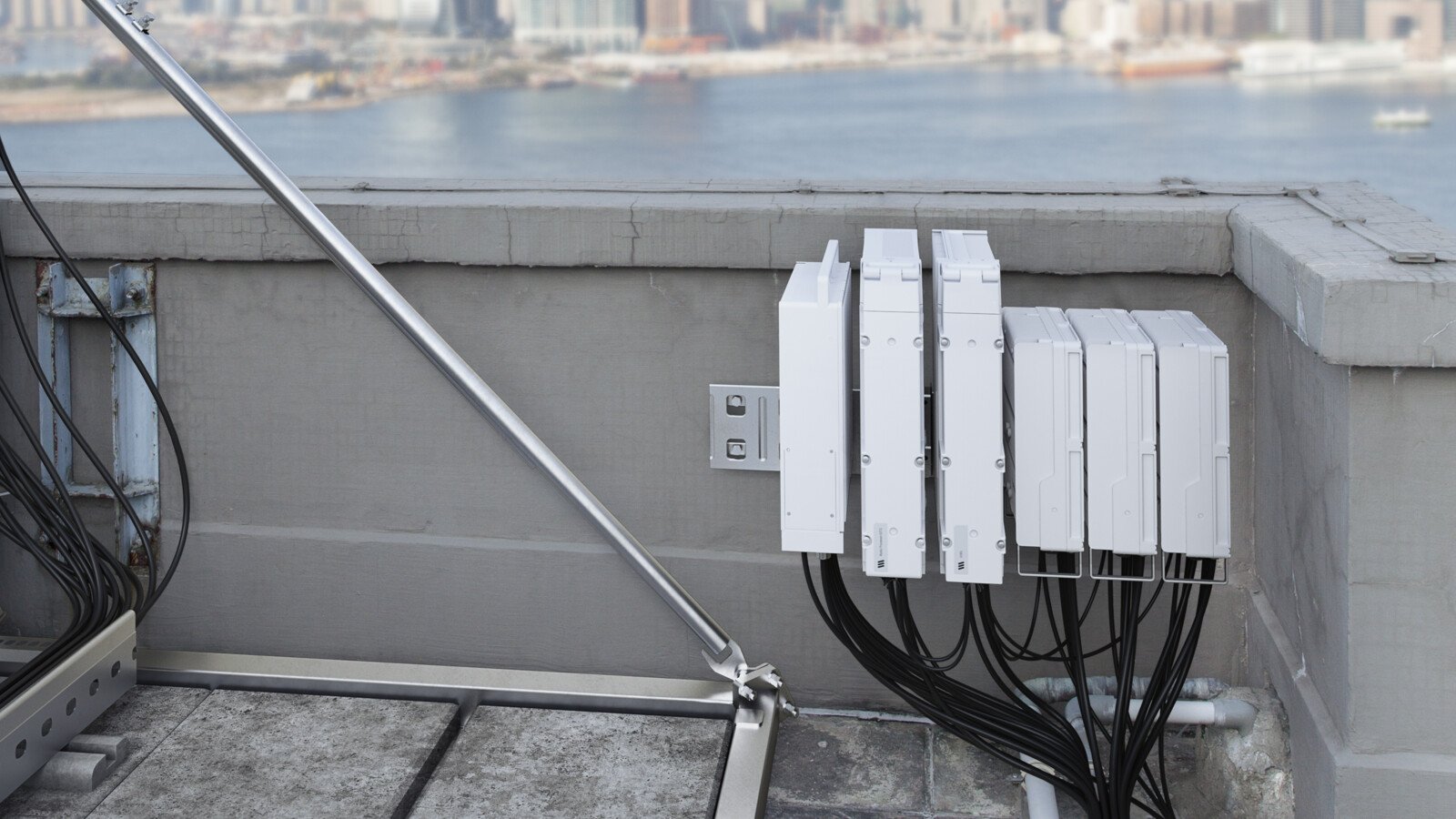
Our comprehensive remote radio portfolio is Open RAN prepared and built for high-performing programmable networks offering service providers freedom of choice in evolving the network architecture. Spanning from 2 transmitter/receiver to 8 transmitter/receiver capabilities, our radios give you both footprint- and performance-optimized single-band and multi-band ready-to-go capabilities with low tower load, weight and power consumption. All our radios are easily deployable and designed for easy rail mounting as well as antenna near mounting.

Ericsson Indoor Small Cells 

The Ericsson Radio Dot System is the flagship of our indoor small cells solution area, providing high-performing cost-efficient nodes for 4G and 5G connectivity, built and optimized for deployments inside buildings. These solutions support multiple frequency bands and multiple operators within the same Dot. With plug-and-play functionality, the Radio Dot System offers IT-like deployment with single CAT6 cables. Through extended fiber reach up to 10km, service providers can benefit from the flexibility to serve a broader range of indoor venues with a low equipment footprint.

Ericsson Massive MIMO

Our Massive MIMO portfolio combines low-footprint hardware with sophisticated software to deliver superior performance, sustainability benefits and the best total cost of ownership (TCO) on the market. The broad portfolio spans Ultralight TDD, Wide-band TDD and Multi-band TDD and FDD options – all powered by the processing power of Ericsson Silicon. Designed with future-proofing in mind. All Massive MIMO antenna-integrated radios from 2020 are Open RAN prepared supporting uplink performance improvement (ULPI).

Ericsson Antenna System

The antenna system is one of the most crucial areas in a radio access network. Ericsson Antenna System is an integral part of Ericsson Radio System and provides a full range of high-quality products in the following areas: passive antennas, active antennas, filters and combiners, tower mounted amplifiers, feeder system, and accessories.

Ericsson RAN Compute

The Ericsson Radio System RAN Compute portfolio offers the versatility and flexibility required for all site solutions. The portfolio boasts indoor and outdoor units supporting macro and micro sites, and Radio Gateways for CPRI to eCPRI conversion, bringing packet fronthaul to legacy Radios equipped with the CPRI interface.

Ericsson RAN Connect

Ericsson RAN Connect introduces a unified high-capacity fronthaul solution that aggregates several of your radios or radio sites to a single AI-powered platform – giving you scalable performance on-demand, enhanced RAN compute power and significantly lower operational costs through new remote radio rehoming possibilities.

RAN software and services

Ericsson 5G Advanced

Ericsson 5G Advanced is a key enabler for high-performing programmable networks, which ensures consistent and superior user experience at any time and place, and influences network behavior to achieve a desired outcome. Ignite your network with Ericsson’s unique 5G Advanced software solutions – the latest addition to our world-leading 5G RAN portfolio.

Ericsson Cloud RAN

Ericsson Cloud RAN is a cloud-native software solution handling compute functionality in the RAN. Cloud RAN is a viable option for communications service providers to have increased flexibility, faster delivery of services, and greater scalability in networks.

RAN Slicing

RAN slicing builds on existing 5G network investments to facilitate the creation of next-level services for enterprises and mobile broadband (MBB) end-users while guaranteeing fulfillment of service level agreements (SLA).

Intelligent RAN Automation

Our Intelligent RAN Automation is a series of technologies, solutions and services that use intelligent, machine learning to automate repetitive tasks and reduce complexity in the radio access network.

Ericsson rApps

rApps make it possible for you to automatically evolve, deploy, optimize, and heal your network, bringing a new level of autonomous network management and optimization to the forefront.

Ericsson Site Digital Twin

Ericsson Site Digital Twin (ESDT) offers CSPs improved control throughout the full network deployment cycle, increasing speed, efficiency and sustainability.

Partner with the industry leader for 5G RAN

Gartner® Magic Quadrant™ leader

Ericsson has been recognized as a Leader in the 2025 Gartner® Magic Quadrant™ for CSP 5G RAN Infrastructure Solutions, with the highest position Ability to Execute axis.

Industry-leading performance

Our customers top 74% of the industry’s leading benchmarks reports.                                                                                              

Unique domain expertise

Our networks manage 50 percent of the world’s mobile traffic outside China.                                                                                                                        
       

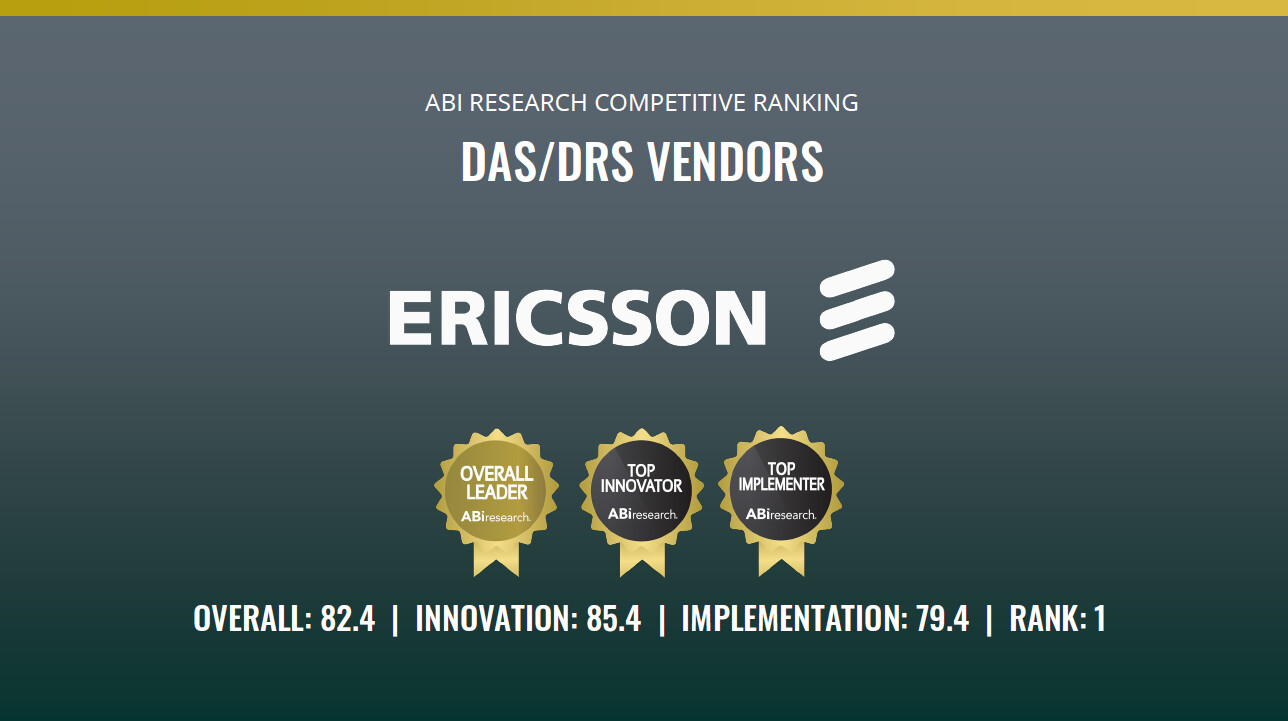
Market-leading technologies endorsed by independent analysts

Related topics and technologies