







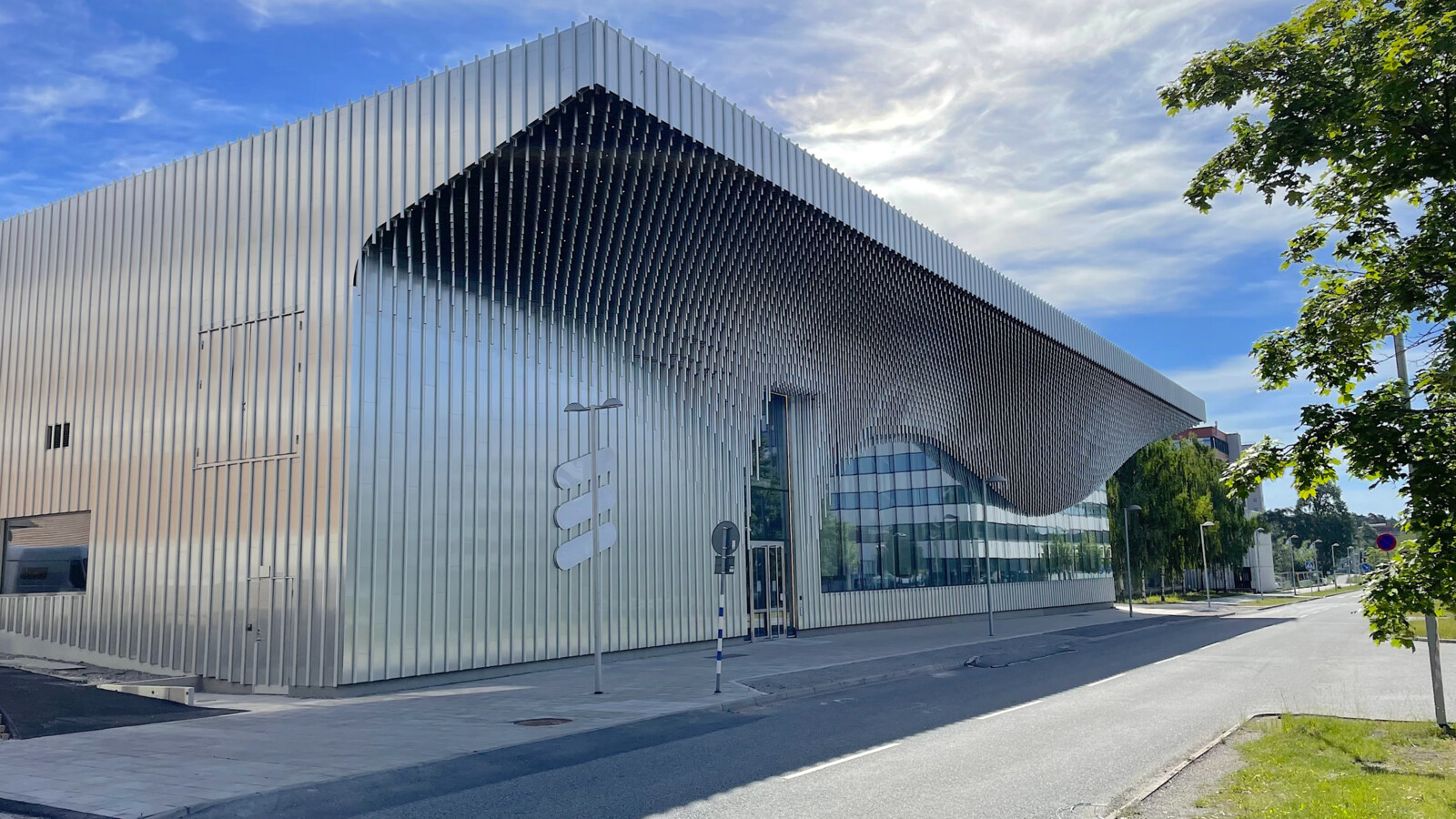


Beyond connectivity: Building financial technology that impacts millions
- Over 18 years at Ericsson, I've evolved from an engineer to a product development leader, embracing diverse technologies and continuous learning.
- Today, I lead teams developing Ericsson's Mobile Financial Services platform, building technology that makes digital payments accessible to millions around the world.
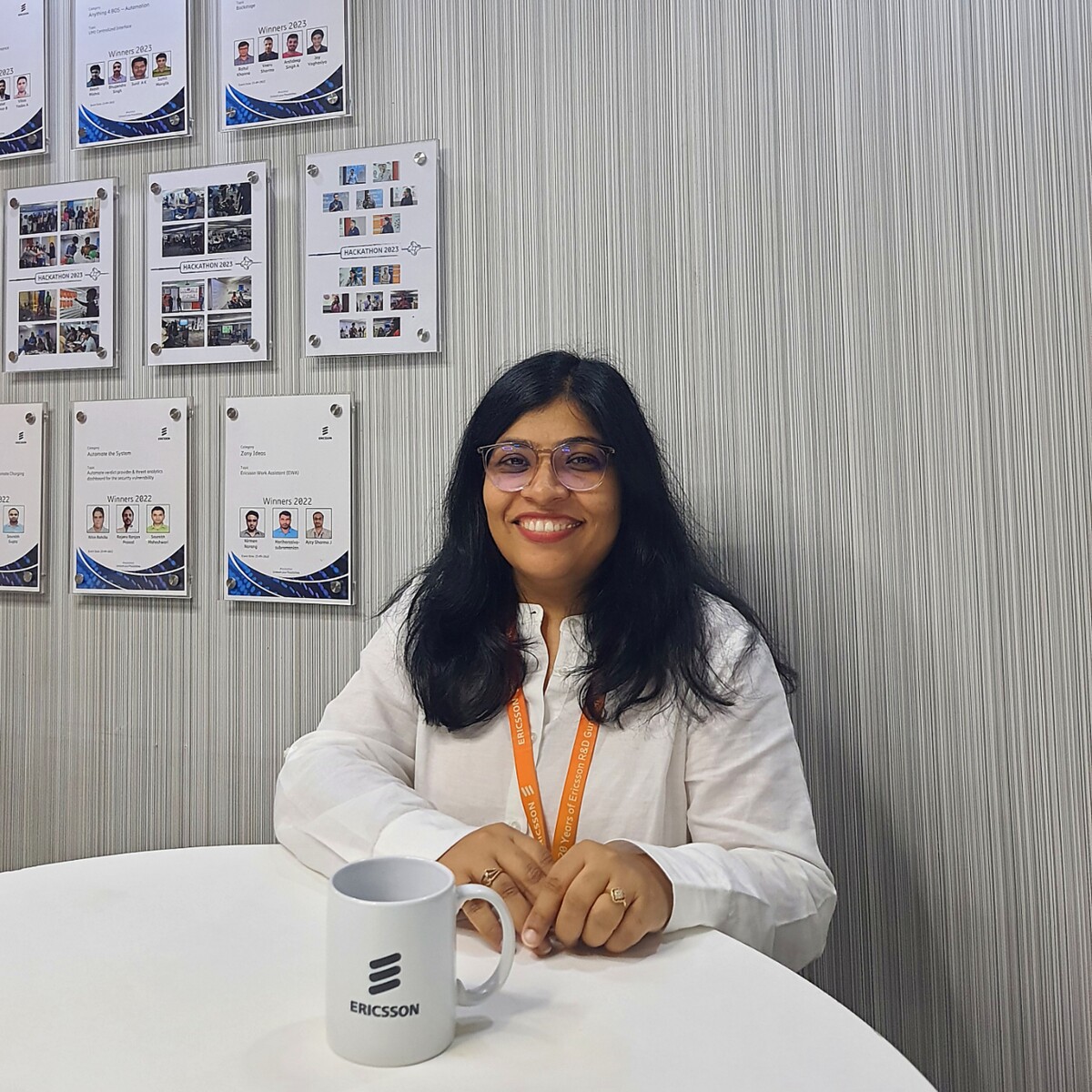
Product Development Leader
Product Development Leader
Product Development Leader
Hear Divya share how curiosity and continuous learning shaped her 18-year journey at Ericsson.
I'm Divya Joneja, a Product Development Leader at Ericsson. I've been with Ericsson for 18 years, starting as an engineer and gradually taking on different technologies, responsibilities, and leadership opportunities. I currently lead teams driving Ericsson’s Mobile Financial Services platform, delivering digital wallets, payment solutions, money transfers, and other financial services across global markets.
The technology behind everyday financial transactions
Most people know Ericsson for its role in connecting the world through mobile networks. But connectivity can enable so much more, including how people access and use financial services.
That's a space I've had the opportunity to work in, and one that continues to excite me.
Ericsson's Mobile Financial Services platform supports digital financial services across 22 countries, processing billions of transactions every month. For many users, these services go beyond convenience. They provide access to financial transactions and services that might otherwise be difficult to reach.
And that's something I often come back to when thinking about our work. We're not just developing software or adding new features. We're building systems that people depend on in their everyday lives.
Solving engineering challenges at a global scale
One of the most interesting aspects of working in this domain is the combination of two very different worlds: the reliability expected of telecommunications infrastructure and the speed of innovation associated with fintech.
Financial transactions leave very little room for error. People expect their money to move securely, their payments to go through, and services to be available whenever they need them. At the same time, expectations are constantly evolving. New capabilities, changing customer needs, and different regulatory requirements across markets make this an exciting engineering space.
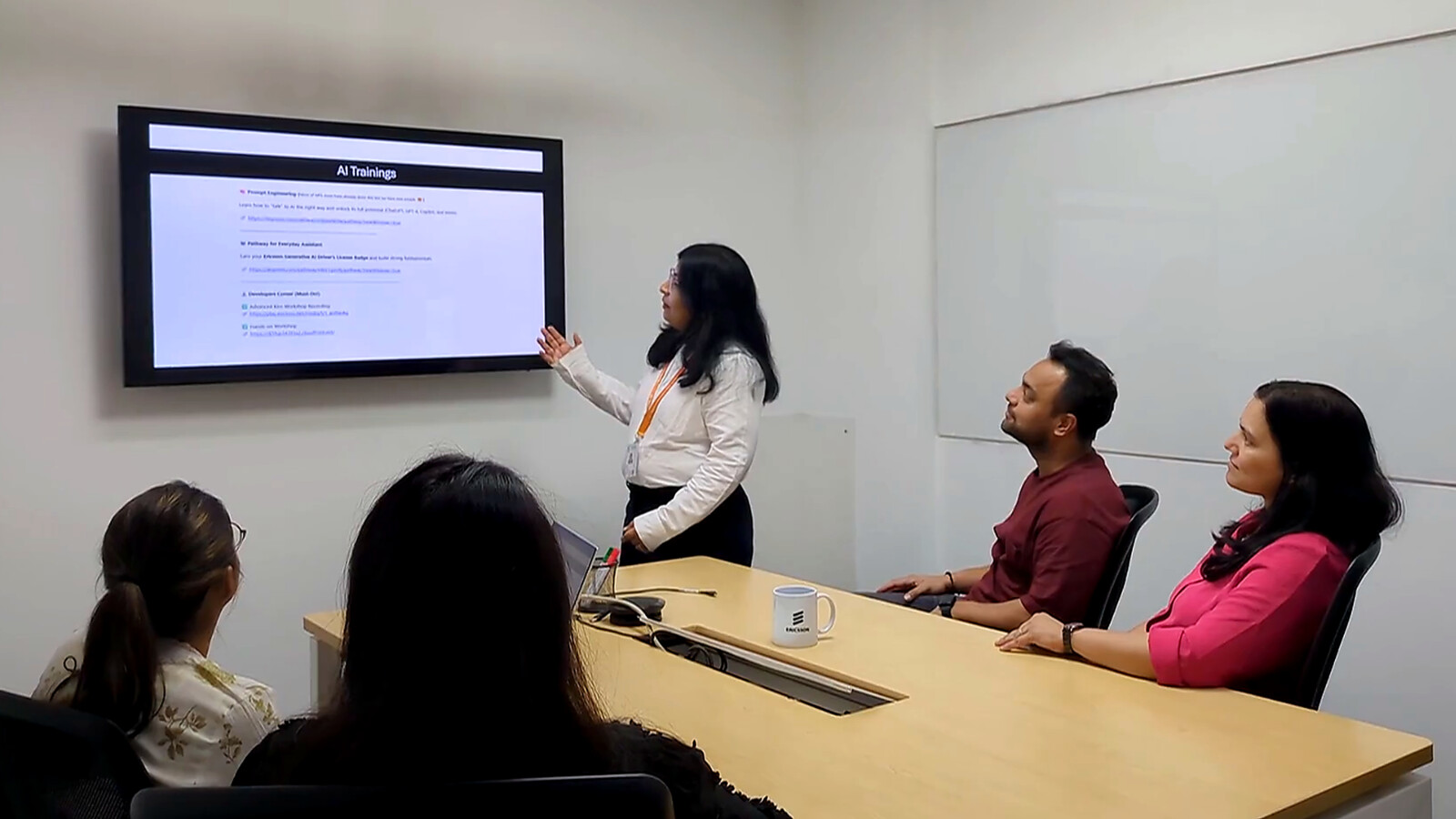
Divya talking through AI trainings with her team.
India: A key hub for global product development
Our India teams are a core part of Ericsson's global product development organization. We have architects, developers, quality engineers, and product owners collaborating to build and enhance the platform.
The work involves developing cloud-native, API-first systems, designing for 24/7 availability, and addressing complex security, regulatory, and compliance requirements.
A key part of this work has been the ongoing modernization and evolution of the platform. This involves continuously enhancing its capabilities and architecture while ensuring that the security, stability, and availability that financial services depend on are never compromised.
Achieving this balance requires strong engineering fundamentals, close collaboration across teams, and a deep understanding of the diverse markets in which the platform operates.
What makes this work particularly meaningful is its scale and impact. Even a relatively small improvement to the platform can make a difference to millions of people who rely on these services every day. That combination of engineering complexity and real-world impact is what makes the work so rewarding.
How AI is changing the way we build
I see AI as a collaborator that can amplify human capabilities, rather than replace them. Engineering judgment, creativity, and the ability to understand complex problems will remain essential.
Looking ahead, the convergence of AI, fintech, and connected technologies creates opportunities to develop smarter, more personalized, and more accessible financial services. In many ways, we're moving from building software to building increasingly intelligent systems.
For someone who has spent nearly two decades working in technology, it's exciting to see how much there still is to explore and learn.
Eighteen years of learning, growing, and finding new challenges
When I look back at my 18 years with Ericsson, what stands out isn't one particular role or milestone. It's how much I've been able to learn along the way.
I've had opportunities to work across technologies, take on unfamiliar challenges, and gradually move from being an individual contributor to leading teams. Each transition came with its own learning curve. And I think that's been an important part of my growth being open to new experiences, even when they take me outside my comfort zone. I've also been fortunate to work with leaders who have influenced how I think about technology, business, and leadership. Equally important have been the colleagues and teams I've worked with over the years.
As my own role has evolved, I've come to appreciate that leadership isn't just about delivering results. It's also about creating an environment where people can contribute, develop their capabilities, and grow together.
Career advice for young professionals
If there's one thing I'd share with professionals starting their careers in technology, it's to stay curious and keep learning.
Technologies will change. The tools we use today may look very different a few years from now, particularly with the pace at which AI is evolving, but strong fundamentals, problem-solving skills, and the willingness to adapt will always matter.
I'd also encourage young professionals to look beyond their immediate responsibilities. Understand the customer perspective, learn from people across functions, and take ownership of what you deliver.
And perhaps most importantly, don't measure growth only by your next role or designation. Focus on developing your expertise, contributing meaningfully, and being open to opportunities that challenge you.
That's something my own journey at Ericsson has taught me.
Interested in a career at Ericsson?
If you are looking for a place that does not just enable but actively encourages you to grow into the best version of yourself, explore open opportunities on our jobs page.