








By adopting a circular ecosystem we aim to reduce waste and contribute to a sustainable future
The adoption of circular economy principles is not just a choice but it’s a must for the ICT sector. By embracing circularity, the industry can drive resource conservation and efficiency, mitigate e-waste, reduce environmental impact, foster innovation, and meet stakeholder expectations.
At Ericsson, we are committed to driving the transition towards a more sustainable and circular economy. Our approach to circularity is reflected in the way we design, produce, and manage our products and services.
By embracing circularity, Ericsson aims to minimize waste, conserve resources, and reduce our environmental impact. A circular economy is crucial for addressing pressing global challenges such as climate change, resource scarcity, and environmental degradation. Ericsson’s circular practices not only promote responsible consumption and production but also drive creative ideas, new business opportunities, and contribute to the long-term well-being of our planet and society.


Circular Design and Innovation
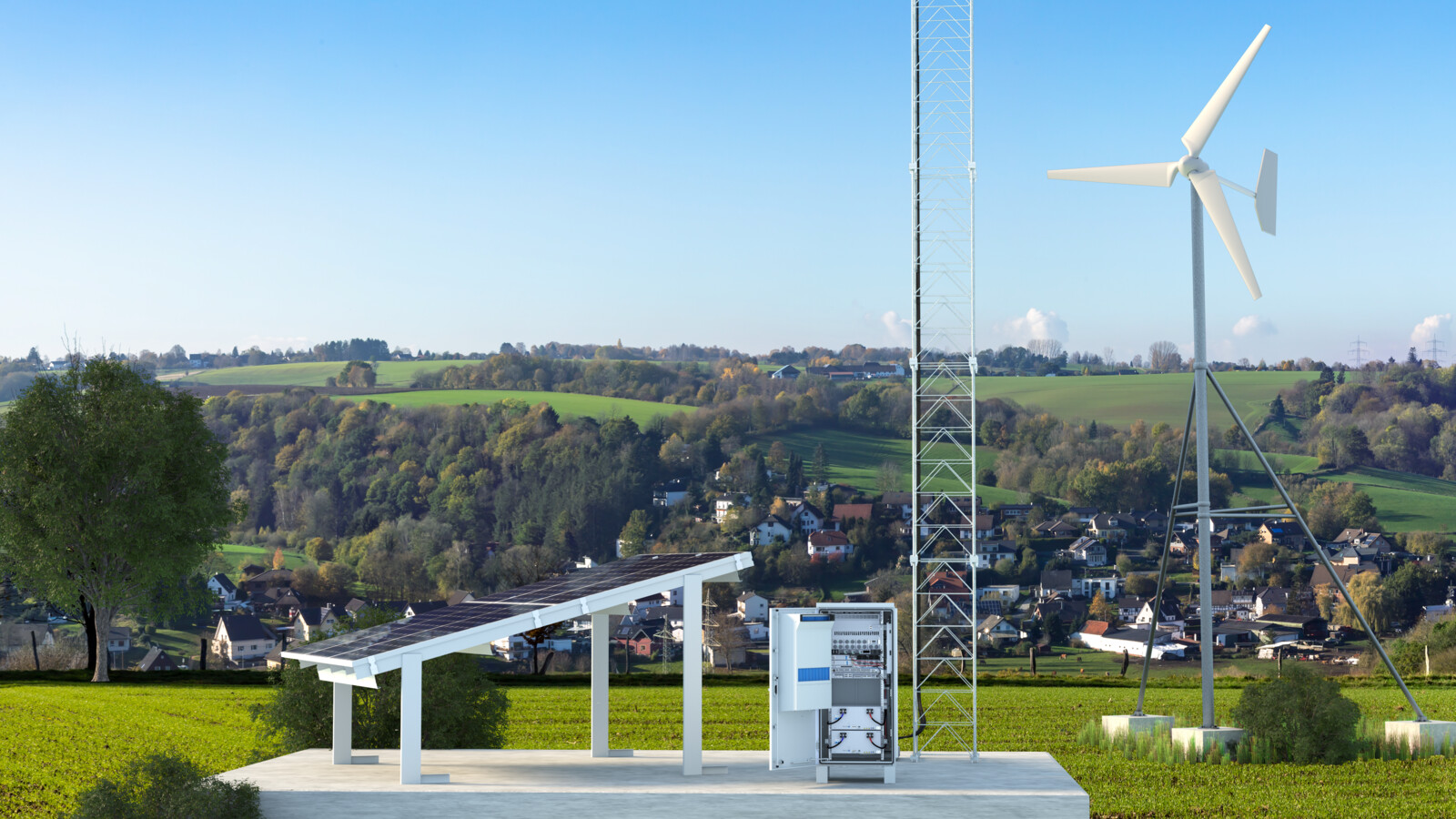
At Ericsson, circularity starts at the design stage. Our engineers and designers are dedicated to creating products and solutions that are often upgradable, built to last, easy to repair, and can be recycled at the end of their life cycle. By incorporating principles of circular design and innovation, we aim to minimize the environmental impact of our products and contribute to a more sustainable future.
>20 years
of life-cycle assessments covering data on raw material extraction, design, manufacturing, transport, use of products and end-of-life management.

Waste
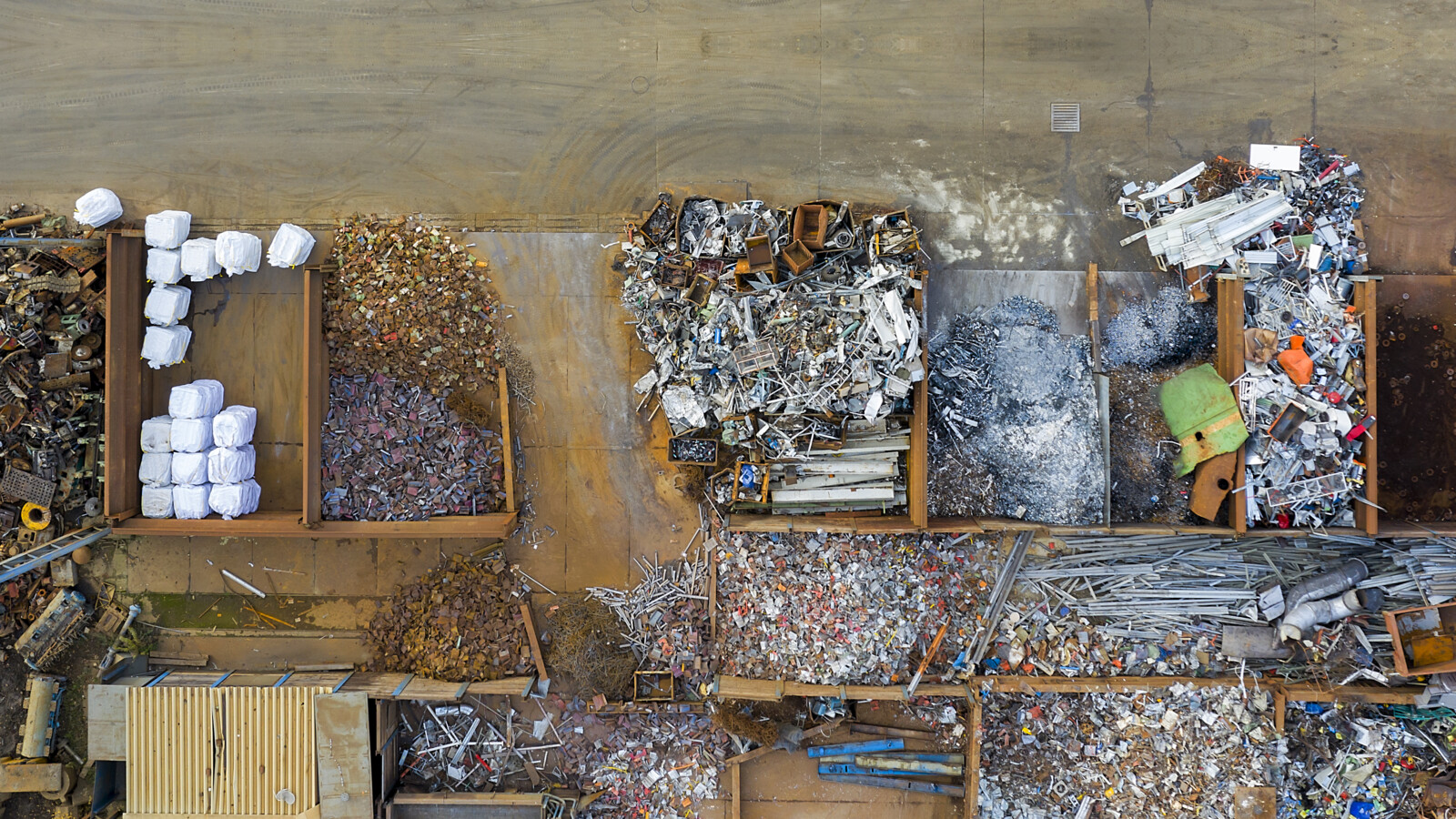
As a supplier of commercial electrical and electronic hardware that is committed to implementing a circular economy approach in our business, we are working actively to address e-waste, by encouraging product take-back volumes and where appropriate the sale of refurbished equipment throughout the year.
Ericsson has also advocated for recycled material content to be added to the IEC standard for declaring a product’s material composition that is used throughout the electronic manufacturing industry. This will enable better tracking of the share of recycled input material in electronic equipment. By reducing the amount of material used and then using and recycling resources efficiently Ericsson aims to reduce the amount of waste that goes to landfill.

Life cycle approach
At Ericsson we use a life-cycle approach to product design to ensure that we address environmental aspects including responsible materials selection and effective resource use, as well as efficient reuse and recycling. While our products are in operation we offer our customers a portfolio of services to support them, including capacity upgrades that will improve the energy performance of products in operations, repair services to prolong life, and help to minimize environmental impact. At the end of product life, we offer our customers a complete take-back service that includes secure data destruction.

Packaging
Ericsson is actively involved in sustainable packaging initiatives to reduce waste and minimize environmental impact. We have integrated measures to optimize packaging design, reduce material usage, and increase the recyclability of packaging materials into our everyday design procedures. Ericsson also focuses on increasing use of renewable and biodegradable materials wherever feasible. We believe plastic-free packaging is strategically important. We see transitioning to plastic-free packaging as a significant step towards reducing Ericsson’s environmental footprint, conserving resources, and safeguarding human and environmental health – and we have started the journey.
“The ICT industry must recognize that circularity is not only about reducing waste, but it also provides us with the opportunity to innovate, reduce costs, and create a sustainable future.”
Heather Johnson, Head of Sustainability and Corporate Relations, Ericsson