




Skip navigation
Previous searches
    Suggested searches
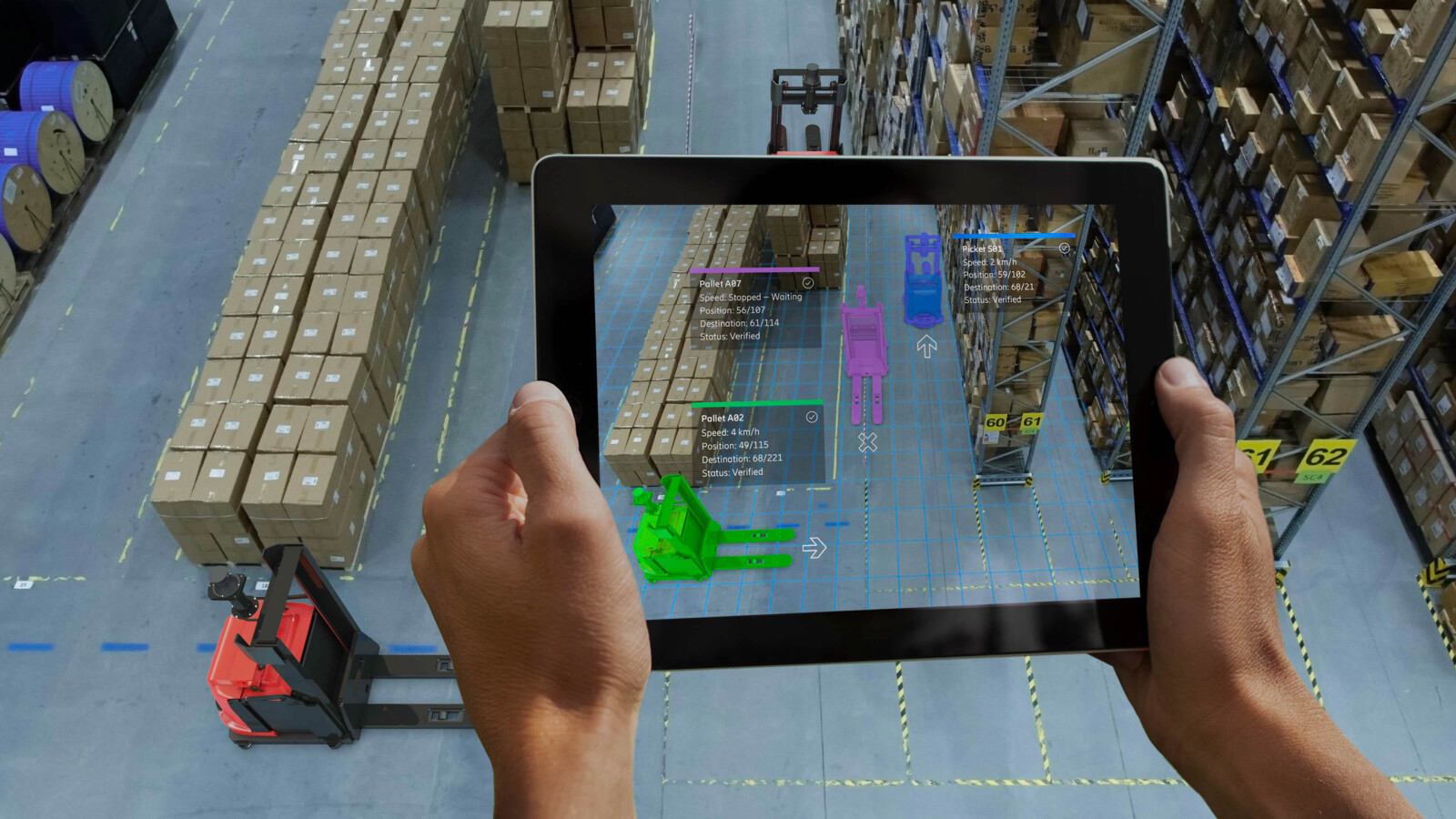
      Person monitoring drone in warehouse with tablet.

      Private 5G networks provide control of reliability and performance

      Private 5G Networks

      In large, complex environments with critical applications and devices, physical obstacles and interference make reliable wireless connectivity difficult. Traditional options fall short. Private 5G networks address these challenges by giving organizations full control over coverage, performance, and policies.

      What is a private 5G network?

      In most large spaces where organizations have business- and mission-critical devices and applications, extensive physical barriers and signal interference make wireless connectivity very challenging. Wi-Fi wasn’t designed with mobility in mind, plus it doesn’t scale well.  

      Private cellular is a dedicated network — 5G or 4G LTE — with its own infrastructure within a defined geographic area to support a specific organization’s business- and mission-critical requirements. An enterprise can tailor coverage, performance, and policies for its own devices and applications. Private 5G combines the control and fixed costs of Wi-Fi with the flexibility and security of public cellular. 
      Ready to explore Ericsson Private 5G?

      Learn more about Ericsson's full-stack private 5G solution.

      Explore now

      Wi-Fi vs. Private 5G vs. Public 5G

      Wi-Fi

      • Leverages unlicensed spectrum, with high risk of interference 
      • Short range of access points requires significant infrastructure investment 
      • Severe coverage challenges outdoors 
      • Difficulty accommodating mobile applications, due to clients struggling to transition from one access point to the next 
      • Data security dependent on various add-on solutions

      Private 5G networks

      • Leverages licensed or shared spectrum for a dedicated network, providing ideal control for reliability and consistent low latency 
      • High-range radios for lower infrastructure footprint 
      • Superior coverage in diverse environments, both indoors and outdoors 
      • Designed for mobile devices and applications 
      • Security rooted in licensed cellular spectrum, with SIM-based authentication and physical isolation

      Public 5G networks

      • Leverages licensed spectrum for pervasive coverage
      • Simple to deploy 
      • Coverage indoors and outdoors dependent on public network infrastructure 
      • Dependable, but performance fluctuates based on traffic congestion from consumers and other businesses using the public network 
      • Security based on licensed spectrum, with SIM-based authentication and virtual isolation

      These connectivity options each play unique but complementary roles in today’s digital landscape, with the best solution often being a hybrid – a combination of solutions to address different needs in the most efficient and cost-effective way. For example, public 5G reliability can be improved by using network slicing for key use cases.

      Benefits of private 5G networks

      1
      Superior coverage

      Private 5G networks provide seamless coverage with powerful radios that covering more area with less infrastructure than Wi-Fi. It’s a critical benefit for enterprises as they monitor CapEx investment costs and total cost of ownership.

      2
      Seamless mobility

      With Wi-Fi, edge devices are forced to decide when to switch from one AP to another. Private 5G networks are driven by a cellular core that controls the handoffs between radios, which are few and far between. Thus, users get consistent connectivity regardless of how mobile their applications may be.

      3
      Consistently low latency

      Using isolated spectrum for a private 5G network allows businesses to attain the low latency necessary for technologies like autonomous robots and vehicles, remote control, and real-time video monitoring. Heightened network intelligence means latency stays consistent and predictable.

      Private 5G use cases and applications

      Assisted manufacturing
      Flexible automated and assisted production
      ""
      Connected worker
      Monitoring
      Environmental monitoring
      ""
      Autonomous vehicles and robots
      Remote controlled
      Remote-controlled equipment
      Drone
      Drone inspections
      Tools
      Predictive maintenance
      Shield
      Digital adherence safety and quality
      Pause sign
      Security and access control
      Worker in front of a computer
      Computer vision
      Digital twin
      Digital twin
      Broadcast
      Real-time video and broadcasting

      Enabling innovative technologies and opportunities
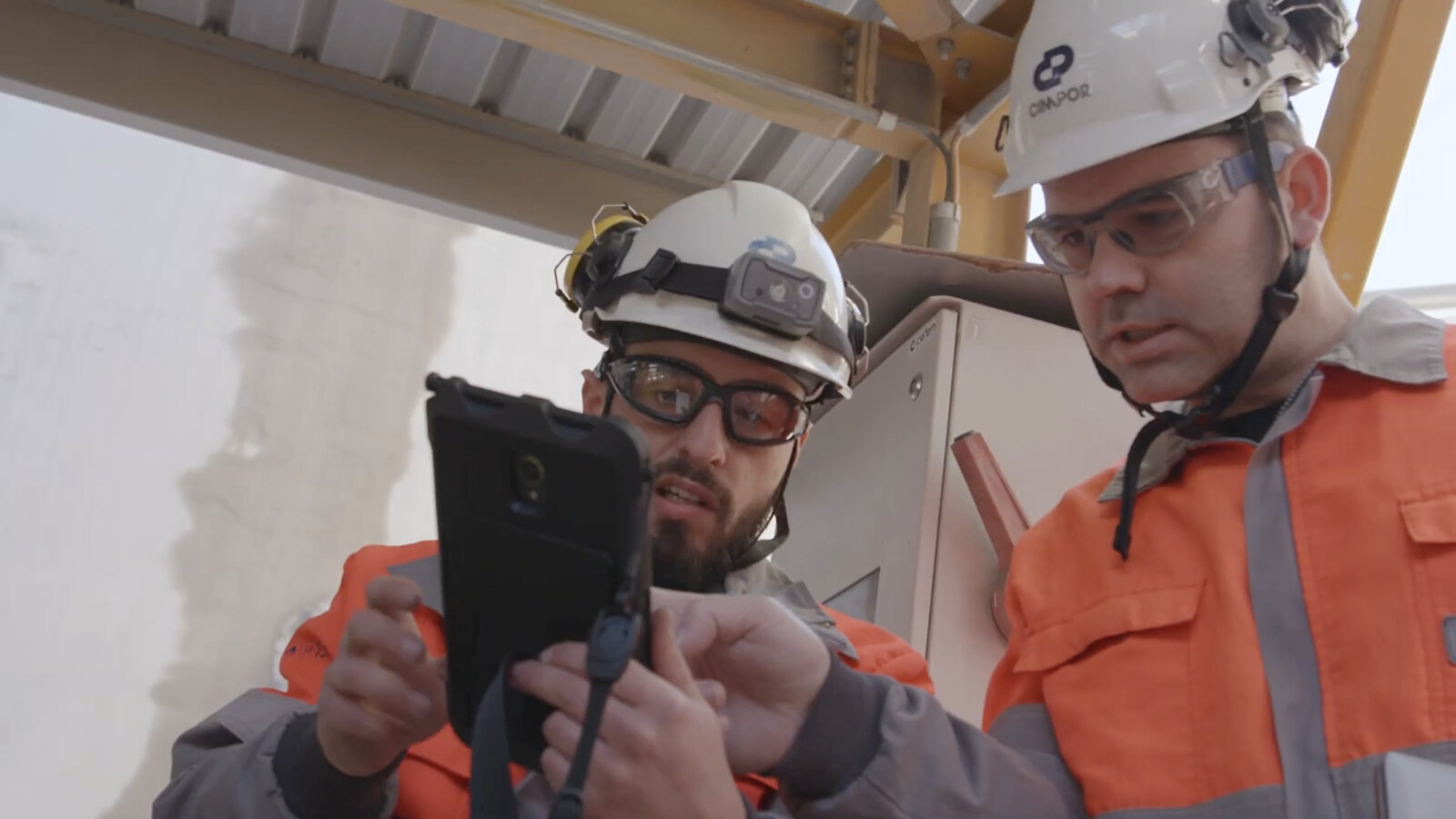
      CIMPOR pioneers Industry 4.0 in cement industry with private 5G

      In partnership with Vodafone Portugal and Ericsson, CIMPOR Global Holdings has transformed three cement plants into fully connected, intelligent operations using private 5G networks. More than 10,000 sensors, autonomous drone inspections, and real-time remote support are enabling safer, more efficient production. The initiative is expected to deliver around $10 million in annual economic impact and is believed to be the largest industrial IoT deployments in the sector.

      Private 5G networks support innovation in many industries

      Manufacturing

      Private 5G networks have become essential for industry 4.0, enabling widespread automation and digital mobility across busy, complex manufacturing plant environments.

      Airports

      Airports across the globe are fast embracing technologies that automate processes and save money while supporting smooth operations — with private 5G networks underlying it all.

      Warehousing and logistics

      From scanners and tablets to AMRs and AGVs, smart warehouses now depend on private 5G networks to keep mobile devices and applications connected 24x7.

      Mining

      Private cellular has changed what’s possible in mining, both underground and in the open air — with automation improving safety, sustainability, and efficiency in powerful ways.

      Seaports

      With a private cellular network in place, port can scale its digital transformation with the flexibility and performance required to drive the evolution of operations, safety, and sustainability.

      Energy

      Transformation in oil and gas sites — both offshore platforms and onshore processing — relies on private 5G for the consistent low latency that it provides for highly mobile applications.

      Featured customer stories

      CIMPOR builds industry 4.0 transformation on private 5G

      Discover how using private 5G at three cement manufacturing plants enables predictive maintenance, drone inspections, AR-enabled remote assistance, and paperless mobile work — with the flexibility to keep adding new technologies as business needs dictate.

      Lufthansa Cargo dramatically boosts worker mobility in warehouse

      Learn how the scanner-dependent staff at Lufthansa Cargo’s LAX warehouse went from paper-based workarounds to 24x7 digital reliability. Switching from Wi-Fi to a private 5G network proved process speed by 70-80%.

      Port of Tyne charts successful course with private 5G

      Port of Tyne upleveled its mobility and digital transformation capabilities with a private 5G network — supporting a broad set of use cases ranging from live container scanning to AI-enabled road monitoring to drones and remote-controlled shovels.

      What are the key components of a private 5G network?

      Before you begin planning your own deployment, it can be very helpful to understand what the core components of a private network are, and what they do.

      Controller with private 5G core

      A network controller houses the private 5G core, a critical piece of architecture that serves as the brain of the private 5G network. The core manages and routes data traffic between devices and external networks, such as the internet or other private networks.

      Radio Access Network

      The Radio Access Network, or RAN, includes various components that work together to transmit and receive signals back and forth between the connected devices, or user quipment. These private 5G RAN components include basebands — for radio compute and signal processing — radios, antennas, and small cells.

      Private 5G SIMs

      Private SIMs, which can be either a physical SIM card or embedded eSIM, enable authentication to the private 5G or LTE cellular core before connected devices such as cell phones, security cameras, inventory scanners, and routers can join the network.

      User equipment (UEs)

      User equipment, or UEs, are the edge devices that require reliable, low-latency mobile connectivity. UEs range from AMRs and AGVs to scanners, tablets, and phones. Private 5G SIMs can be activated inside some UEsFor other private 5G use cases, enterprises use fit-for-purpose cellular routers that connect to user equipment via Wi-Fi, wires, or Bluetooth. 

      Network management tools

      Private 5G management can be done on-premises or via a cloud-based network management platform.
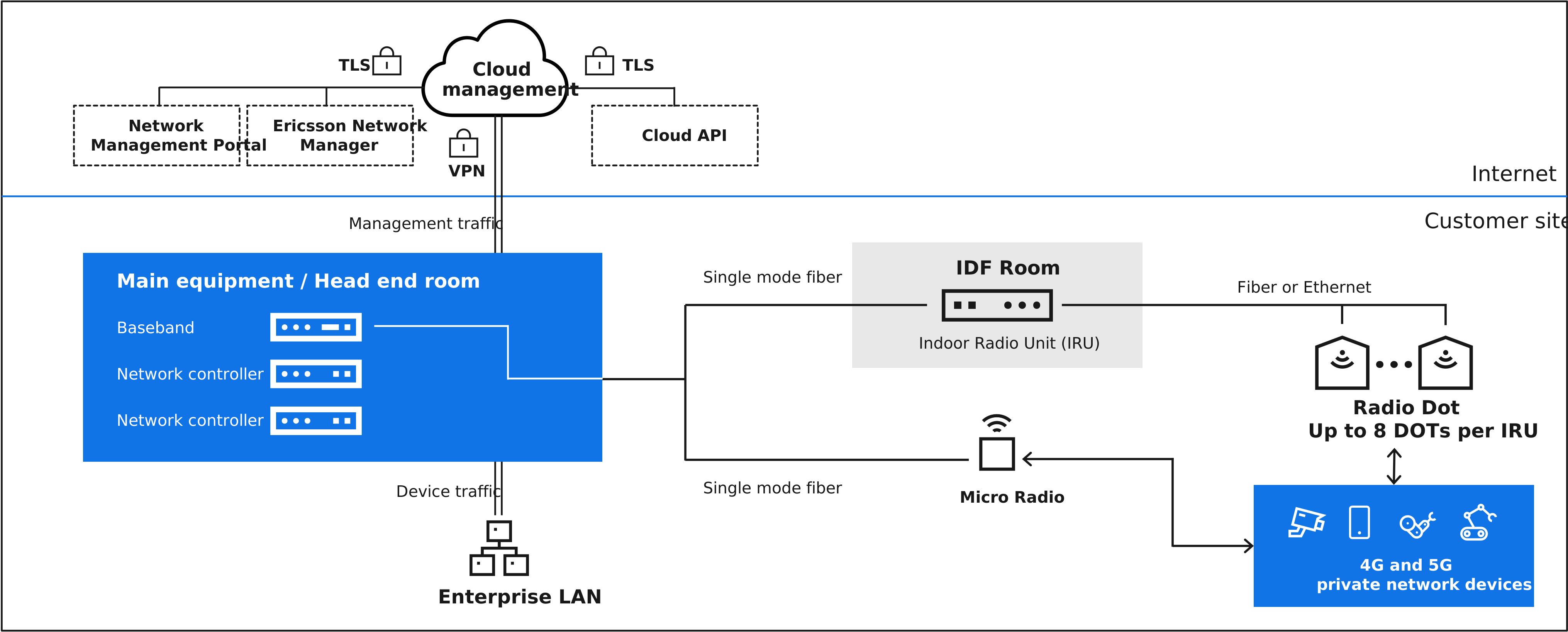
      Private cellular network
      Diagram showing Private Cellular Network linking together components such as User Equipment, Small Cell, Cellular Core and backhaul router (SAS Manager and small cell & SIM Manager.

      Private 5G networks FAQs

      How is private 5G different than public 5G?

      Private 5G is a dedicated cellular network controlled by a single organization, giving them direct control over coverage, security, performance, and integration with their OT/IT systems for mission-critical use cases. Public 5G is a wide-area operator network shared by many users, optimized for broad mobility and coverage rather than one enterprise’s site-specific needs. In practice, enterprises often use both together, with private 5G handling sensitive, high-performance workloads across very large sites and public 5G serving workers, vehicles, and devices out in the wider world.

      How is private 5G deployed?

      Private 5G deployments usually are completed through multi-vendor collaboration. Deployments include cellular network operators, user equipment providers, solution resellers, and private 5G solution vendors such as Ericsson Enterprise Wireless with its Ericsson Private 5G product. The stages of private 5G deployments include planning design, setup and installation, IT/OT integration and validation, and network optimization. 

      Do you need your own spectrum for private 5G?

      Enterprises that deploy a private 5G network have to use either shared spectrum, unlicensed spectrum, or licensed spectrum. CBRS in the U.S. is a prime example of a lightly licensed but shared spectrum. Using licensed spectrum is quite common, as network operators lease their spectrum to end users or third parties. In the latter scenario, the enterprise pays for the spectrum but maintains full control over its own private cellular network.

      Is private 5G more secure than Wi-Fi?

      Enterprises can combine several add-on solutions to help make a Wi-Fi network very secure. Private 5G is more inherently secure than Wi-Fi because it uses licensed cellular spectrum and involves SIM-based authentication. 

      What are the most common private 5G use cases?

      Common Private 5G use cases between industries, but use cases that are ideal in various places and scenarios include push to talk, scanners, tablets, sensors, video cameras and computer vision, AMRs, AGVs, drones, and remote-controlled equipment.


      Related technologies and offerings

      Wireless WAN

      Enterprise Wireless WAN routers, adapters and solutions provide organizations with the reliability, security and agility to face whatever the future holds.

      Industry 4.0

      The fourth industrial revolution unlocks powerful new use cases – from predictive maintenance and an augmented workforce to autonomous robots and digital twins.

      Network slicing

      Network slicing can be used to enable differentiated services, allowing service providers to unlock new market segments and business opportunities.

      Network APIs

      With network APIs, developers can easily access advanced 5G capabilities provided by service providers. This unlocks the opportunity to develop new enhanced applications and services, driving new revenue opportunities for the entire ecosystem, benefitting developers, service providers and enterprises.

      Fixed wireless access

      Connect underserved urban and rural areas, eliminate the need for costly fiber infrastructure, and offer more capacity for remote working and indoor use cases.

      5G standalone

      Explore the entry ticket to new innovative applications, services and solutions through open APIs, differentiated connectivity and service-based architecture.