


Skip navigation
Previous searches
    Suggested searches
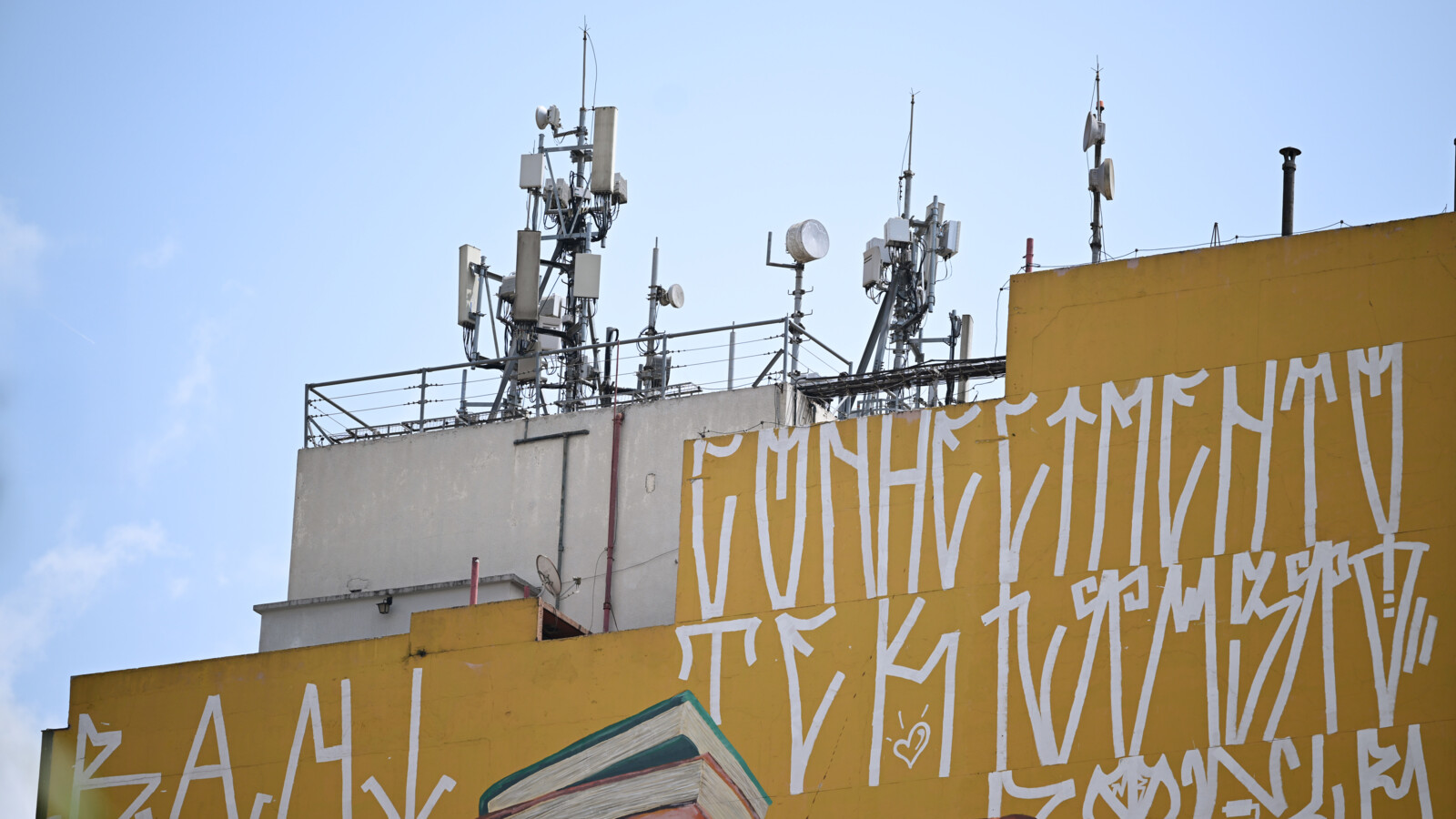
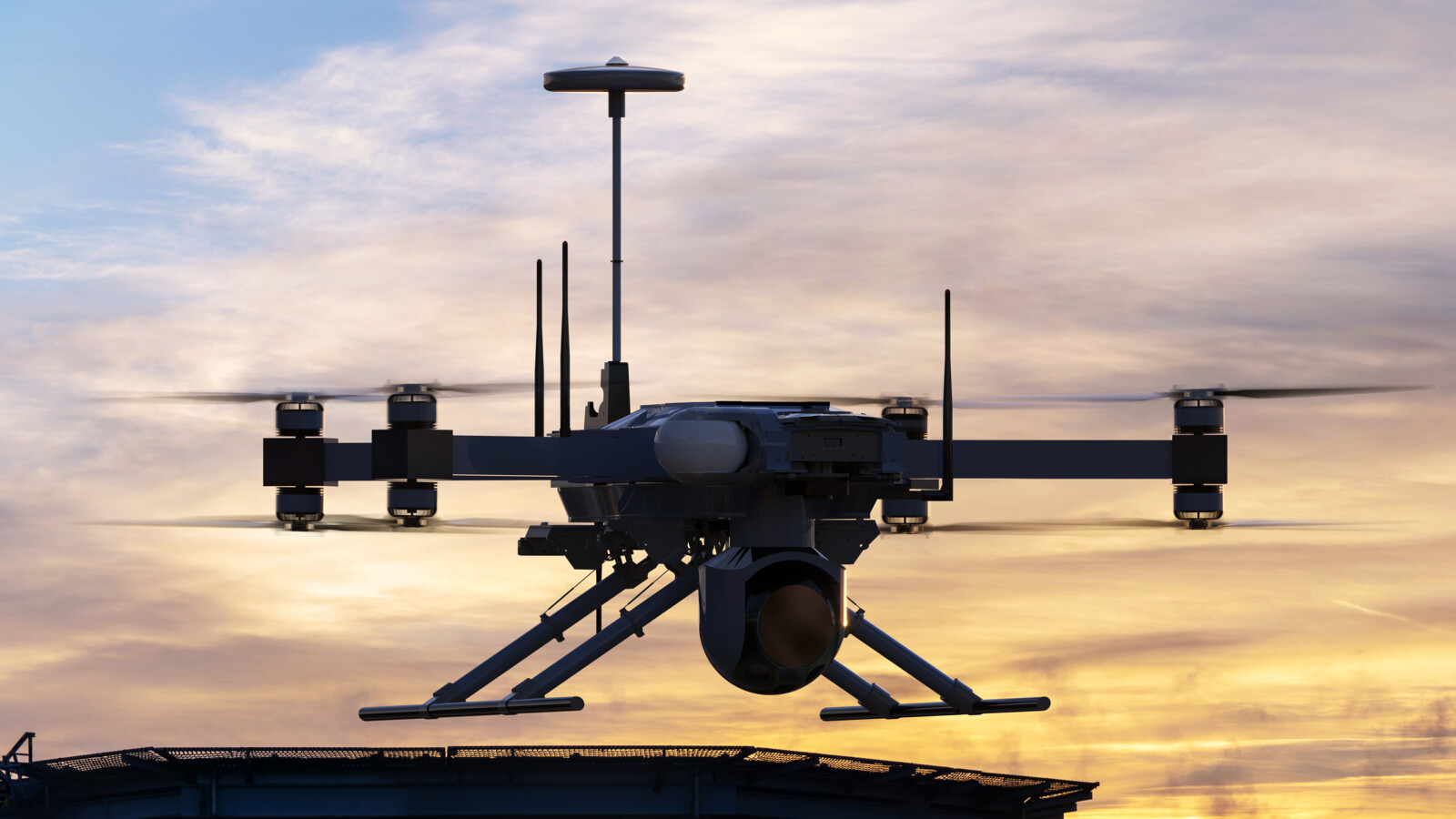
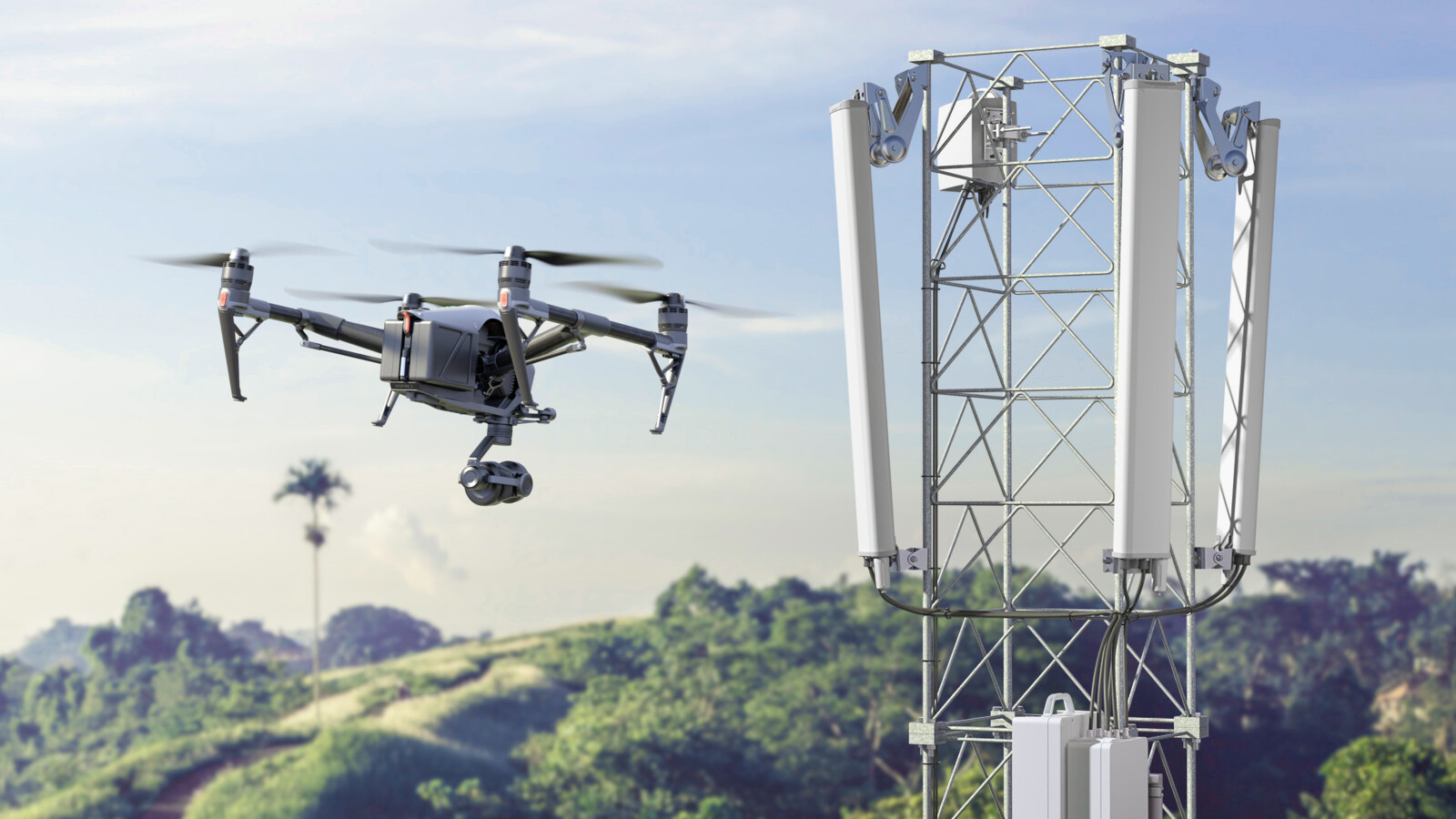
      Tower and drone

      Ericsson ISAC System

      Close the low-altitude detection gap

      Ericsson ISAC System extends 5G mobile infrastructure into a distributed sensing layer that detects and tracks low-altitude objects across wide areas. Built on Ericsson's multi-static sensing architecture, it enables scalable coverage, resilient detection and persistent tracking, strengthening situational awareness where it matters most.
      Low-altitude threats are reshaping security

      Accessible and increasingly capable drones are creating new security challenges for defense organizations, public safety agencies, and critical infrastructure operators.

      Protecting larger, more complex areas requires earlier situational awareness, broader visibility, and faster, more informed decisions.

      Traditional sensing systems remain essential. Yet expanding their coverage across large areas can increase infrastructure requirements, operational complexity and cost. This can leave a gap between localized detection and wide-area awareness, with limited visibility beyond individual sensors and interruptions in tracking as objects move across the area of interest. 

      Close the gap with distributed sensing
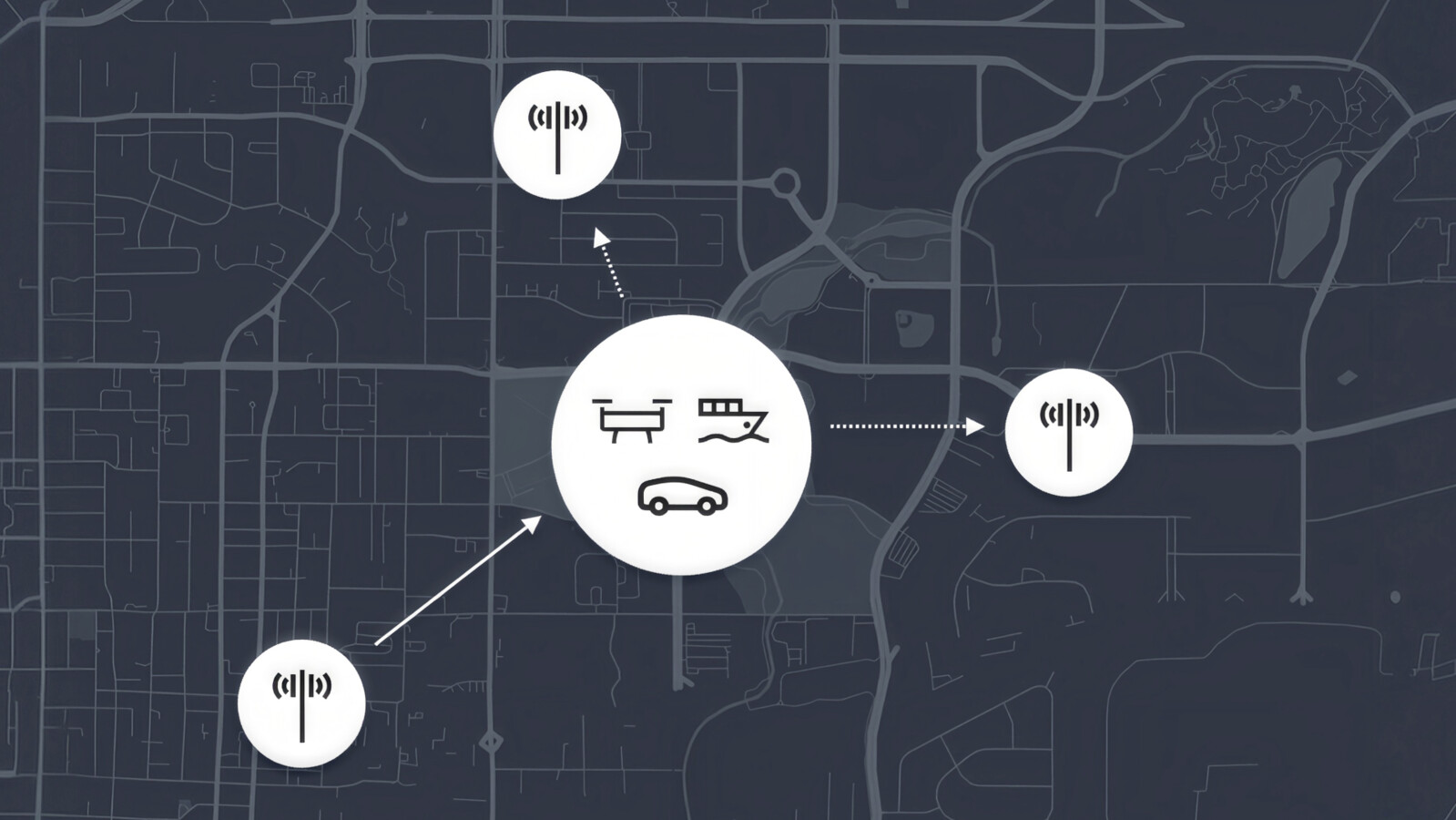
      Ericsson ISAC System turns 5G mobile networks into a distributed sensing platform for detecting and tracking low-altitude activity across wide areas.

      Unlike traditional radar with a co-located transmitter and receiver, Ericsson’s multi-static architecture distributes sensing across multiple network sites. Combining multiple viewpoints creates a broader, more persistent operational picture that can improve detection confidence, positioning, track continuity and coverage resilience.

      Close the gap with distributed sensing

      Wider coverage. Better awareness. Faster decisions.

      Extend coverage

      Expand awareness beyond the reach of individual sensors.

      Improve tracking continuity

      Maintain visibility as objects move across operational areas.

      Strengthen resilience

      Reduce dependence on individual sensing points through a distributed architecture.

      Scale cost-effectively

      Build on 5G infrastructure designed for broad geographic coverage.

      What makes Ericsson ISAC System different

      Multi-static sensing

      Combines observations from multiple locations to improve detection reliability and tracking continuity.

      Infrastructure at scale

      Builds sensing capabilities on 5G mobile infrastructure deployed across cities, regions and nations.

      Resilient by design

      Uses a distributed architecture of cooperating nodes instead of relying on a single sensing point.

      Wide-area continuity

      Coordinates sensing activities across multiple sites to establish a persistent sensing layer over a broader area.

      How it works

      Ericsson ISAC System combines sensing-capable radios, advanced processing and data fusion to transform signal reflections into actionable sensing information.

      Detect

      Captures and analyzes radio signal reflections to identify potential objects within the environment. Objects do not need to be connected to the network to be detected.

      Track

      Combines detections from multiple sensing sites into confirmed tracks to support object classification.

      Integrate

      Delivers sensing data through standardized interfaces for integration with command-and-control and sensor-fusion platforms.

      Manage

      Provides centralized configuration, orchestration and operational management across the sensing system via a common management and control platform.

      Ericsson ISAC System complements radar, cameras, acoustic sensors, and other established sensing technologies with distributed, wide-area detection and tracking—extending individual sensors’ reach for a more complete sensing picture.

      Read the solution brief

      Built for missions that demand wide-area awareness

      Ericsson ISAC System creates value wherever organizations need to detect and track low-altitude activity across large or complex environments.

      defense

      Defense and national security agencies

      Detect and track low-altitude activity across bases, borders and other sensitive areas.

      public safety

      Public safety and civil protection organizations

      Support situational awareness at public venues, transportation hubs, and emergency response operations.

      Airplane

      Critical infrastructure operators

      Extend visibility around airports, ports, energy facilities, and strategic assets.

      Collaboration

      Communication service providers

      Create new opportunities by extending the value of 5G infrastructure beyond connectivity.

      Drone detection across wide areas

      Low-altitude drone detection is the first focus area for Ericsson ISAC System. By leveraging distributed sensing across multiple network sites, the system provides wide-area detection and real-time tracking of drones and other moving objects, including those that are not connected or transmitting signals, complementing existing counter-UAS, security and sensing architectures.

      Explore drone detection

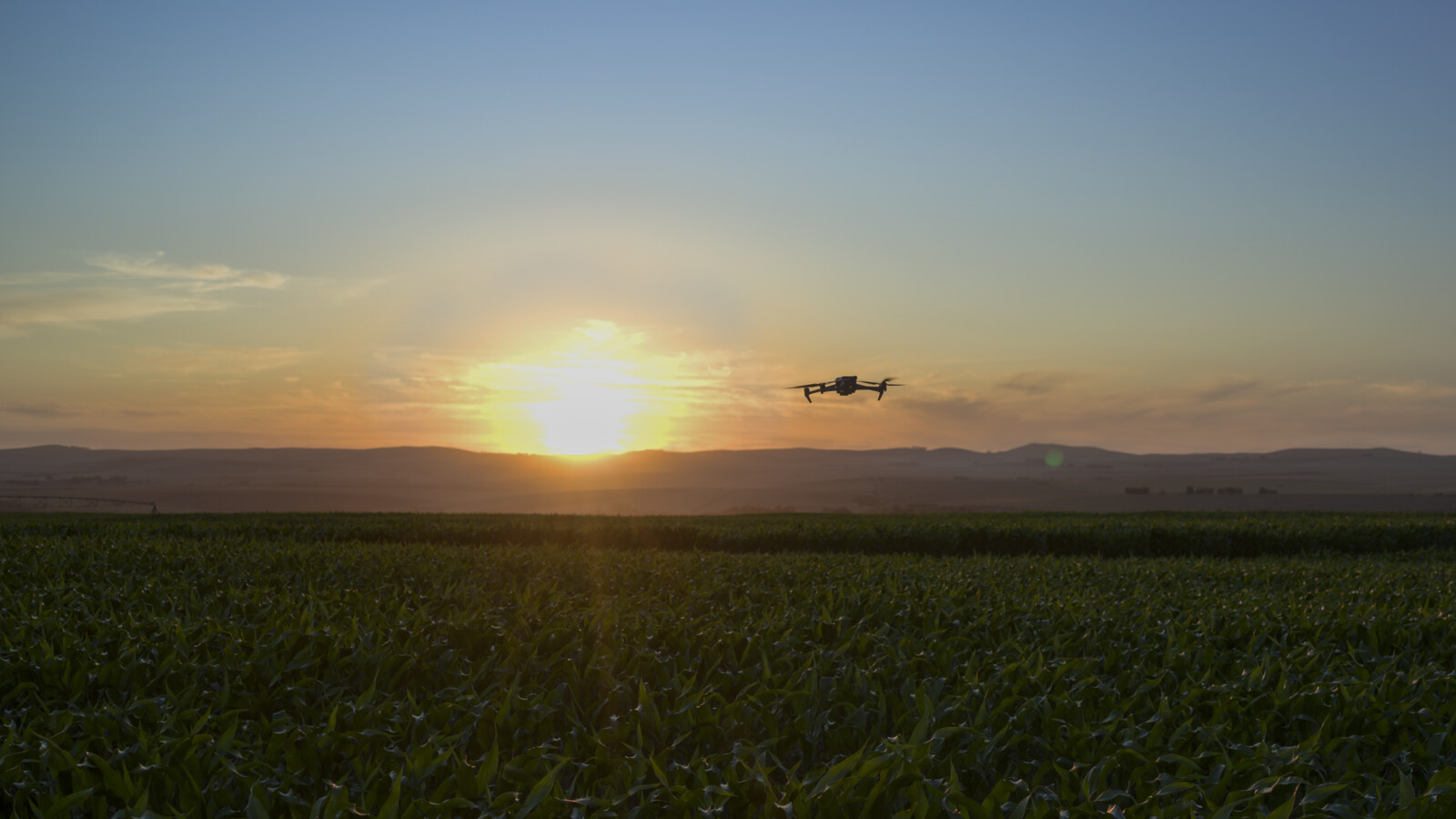
      A drone flying over a field in the sunset

      Proven through collaboration

      The future takes flight: AT&T and Ericsson demonstrate drone detection outside of AT&T Stadium

      Explore highlights from our July 2026 ISAC demonstration with AT&T in Dallas, Texas. The video introduces Integrated Sensing and Communication (ISAC), takes you inside the live setup, and showcases how sensing capabilities can extend the value of mobile networks beyond connectivity.

      Read more

      Ericsson, Erillisverkot demo 5G ISAC drone detection

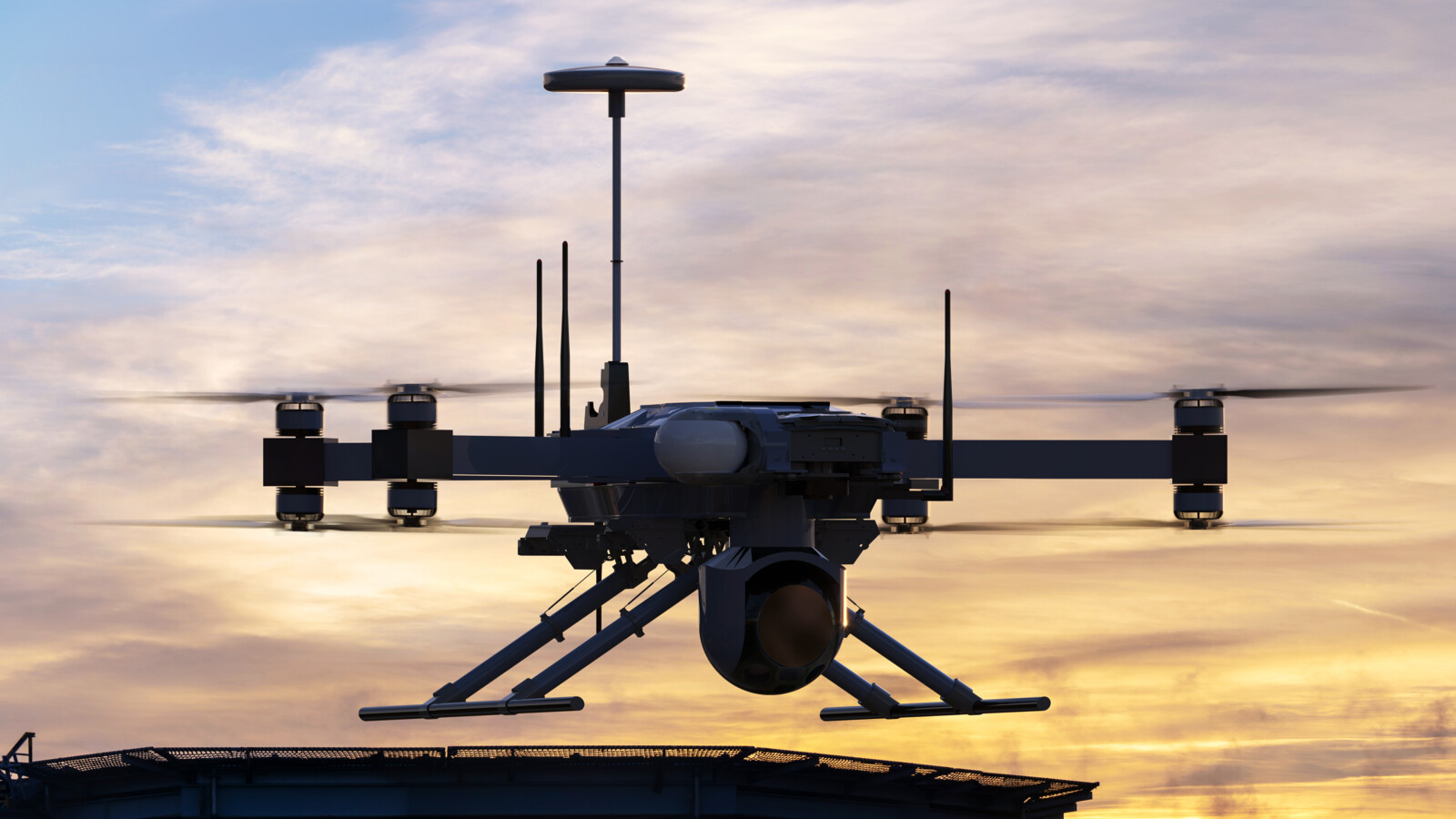
      Discover how Ericsson and Erillisverkot demonstrated 5G ISAC for real-time drone detection in Helsinki, Finland. The trial showed how mobile networks can detect, locate, and track drones, providing a scalable sensing layer for public safety and critical infrastructure protection.
      Read more

      Command and control drones

      Ericsson, Play and Asseco show drone detection in Poland

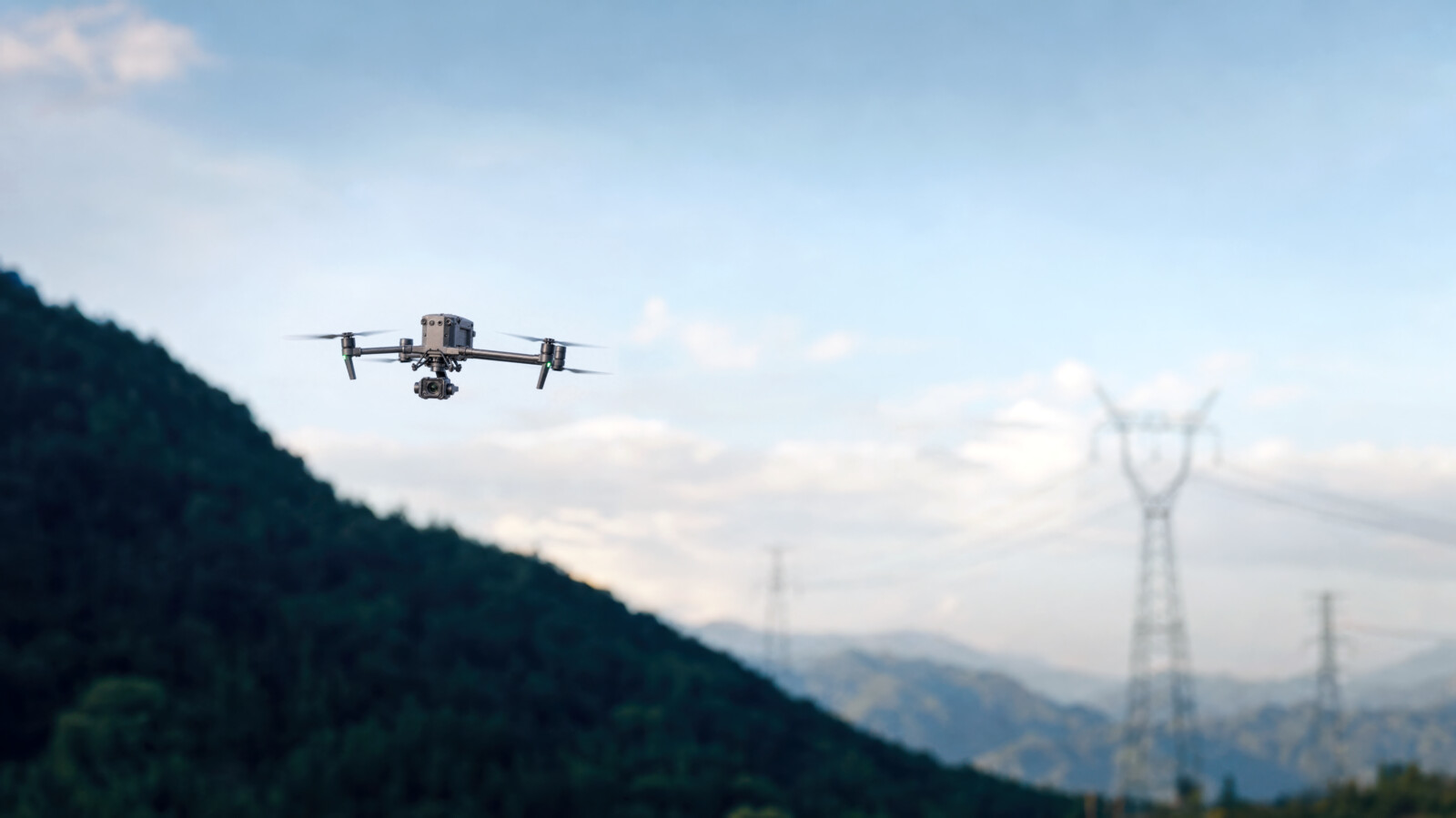
      See how Ericsson, Play, and Asseco combine ISAC with acoustic sensing to enable multi-layer drone detection and tracking. Demonstrated for Polish authorities, the solution highlighted how complementary sensing technologies can strengthen critical infrastructure protection.

      Read more

      Drone inspection power lines

      Built for today. Ready for 6G.

      Ericsson ISAC System creates value today by building sensing capabilities on existing 5G infrastructure.

      It also provides a foundation for the evolution towards integrated sensing and communication in future 6G networks.

      Why Ericsson

      Ericsson brings together radio technology, distributed network expertise, advanced signal processing and mission-critical communications.

      This combination enables a scalable, resilient approach to wide-area sensing, built on infrastructure designed for large-scale operation.

      ISAC eBook cover image
      Explore the ISAC story

      Discover the market opportunity, technology, and use cases shaping the future of sensing-enabled networks.

      Further reading

      Integrated Sensing and Communication (ISAC)

      Explore how Ericsson ISAC combines connectivity and sensing to detect drones and enhance situational awareness across environments.

      Mission Critical Communications

      From real-time situational awareness to seamless multi-agency coordination, explore how next-generation networks are reshaping public safety.

      Ericsson 5G for defense

      Secure, resilient 5G connectivity helping defense organizations enhance situational awareness and mission effectiveness.

      Drone detection with ISAC

      Turning mobile networks into sensors for drone detection and enhanced situational awareness.

      Ready to close the detection gap?

      Discover how Ericsson ISAC System can help strengthen situational awareness across large areas with a scalable sensing layer built on mobile infrastructure.

      Talk to an Ericsson expert