Skip navigation
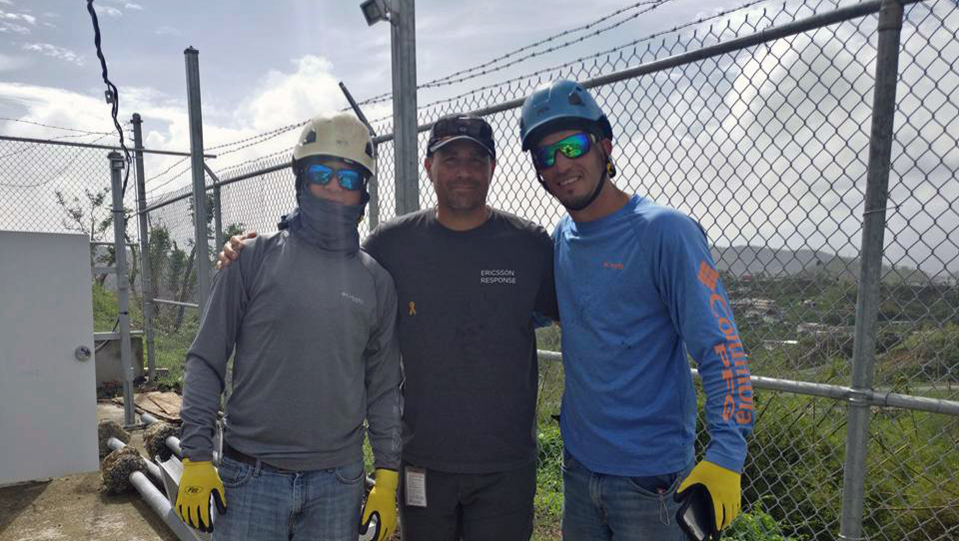
Ericsson Response

Ericsson Response

For a quarter century, Ericsson Response has stood at the forefront of humanitarian connectivity, bringing life-saving communications to communities affected by natural disasters and crises.

Since 2000, our trained volunteers and robust technology solutions have been deployed in more than 60 relief operations across 40 countries, restoring vital links between people, responders, and aid organizations when it matters most. Our volunteers—over 160 strong—are ready to deploy or support remotely, offering expertise, rapid setup and on-the-ground coordination. From 2G and 4G to Cradlepoint and WiFi solutions, we ensure resilient, reliable connectivity for emergency teams and affected communities. Partnering closely with organizations like the UN World Food Programme and United Nations High Commissioner for Refugees (UNHCR), Ericsson Response helps to enable coordinated, large-scale humanitarian efforts so aid reaches those who need it quickly and effectively. As we mark 25 years, we remain committed to innovation, readiness and partnership—connecting hope when every connection counts.

Ericsson's role

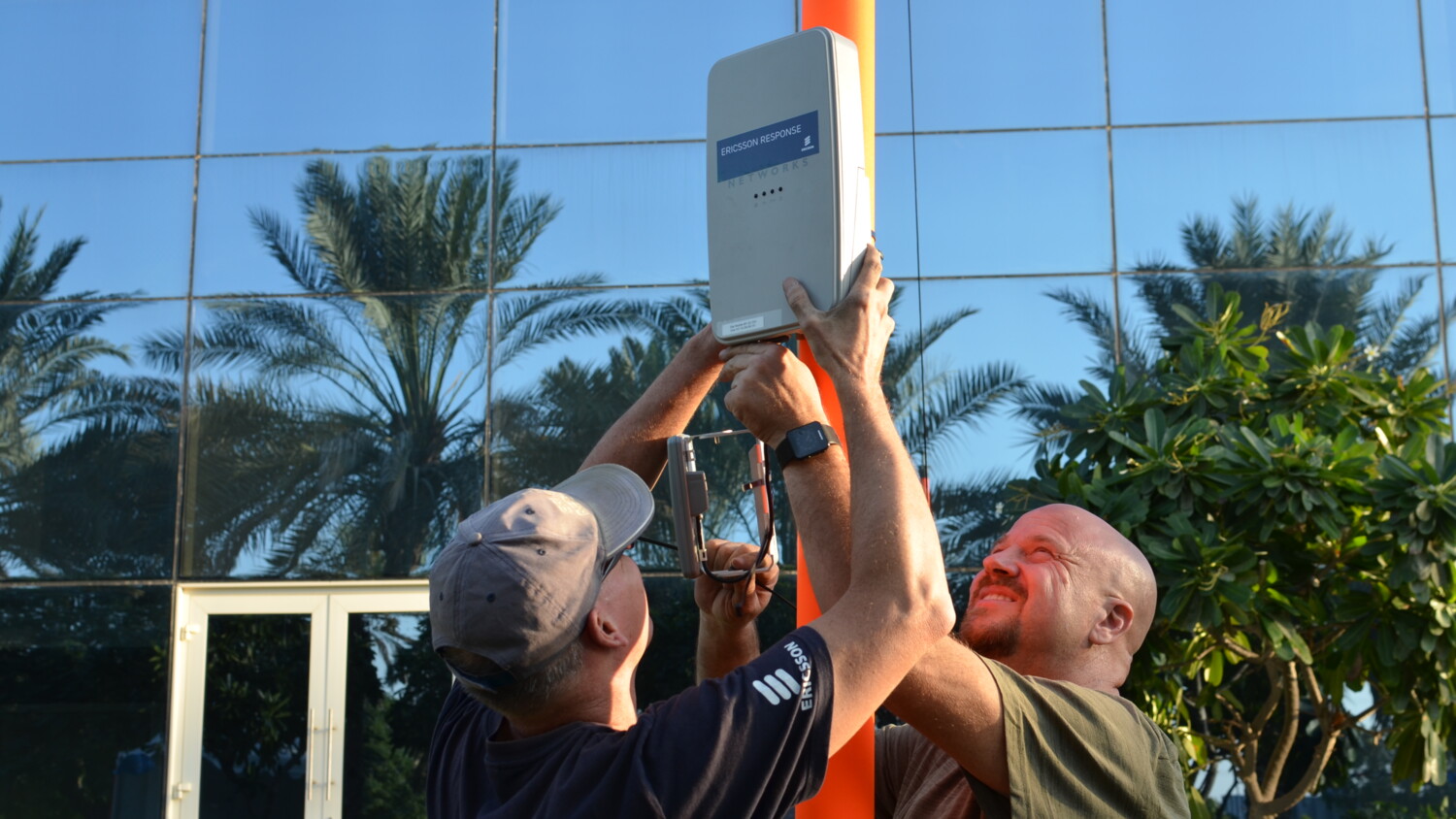
When Ericsson Response volunteers arrive in a disaster zone, their role is to enable temporary voice and data connectivity so that humanitarian relief agencies can quickly coordinate their relief efforts. Ericsson Response works together with relief agencies, governments and local authorities to prioritise deployments in affected areas, using its telecoms skills and technology to bring together the aid organizations that help alleviate the affected populations. Volunteers remain in the affected areas enhancing and maintaining networks and equipment until local services have sufficiently recovered or until the temporary network capacity is no longer needed.

Based entirely on staff volunteers, Ericsson Response has helped out in humanitarian disasters for 20 years, in a wide variety of situations around the world.

The key role of Ericsson Response is to install and maintain temporary internet connectivity until local services have sufficiently recovered or until increased capacity is no longer needed.

More key facts

Learn more

Hear from Lars Ruediger, Program Director, Ericsson Response

Since its establishment in 2000, Ericsson Response has consistently demonstrated the powerful role information and communication technology (ICT) can play in relief efforts by providing internet access to humanitarian workers in disaster areas. I myself became an Ericsson Response volunteer in 2006 and the program has been an important part of my life ever since. Over the course of the past 10+ years, I have participated in several field missions as well as doing back-office support and development work, and preparing systems for deployment.

Read about volunteering for Ericsson Response

Earlier this month, I had the privilege of travelling to Linköping (Sweden) to take part in the weeklong training program to become an Ericsson Response volunteer. Ericsson Response is a global initiative in which Ericsson works in partnership with UN agencies such as the Office for the Coordination of Humanitarian Affairs (OCHA), the World Food Programme (WFP), and UNICEF, and NGOs such as the Red Cross and Save the Children, to provide telecommunications and internet support in disaster situations.

Related videos

Rapid connectivity for relief

The Ericsson response responders quickly set up emergency communication networks to restore connectivity in disaster-struck areas. Their efforts enabled vital communication for coordination and relief, significantly aiding affected communities.
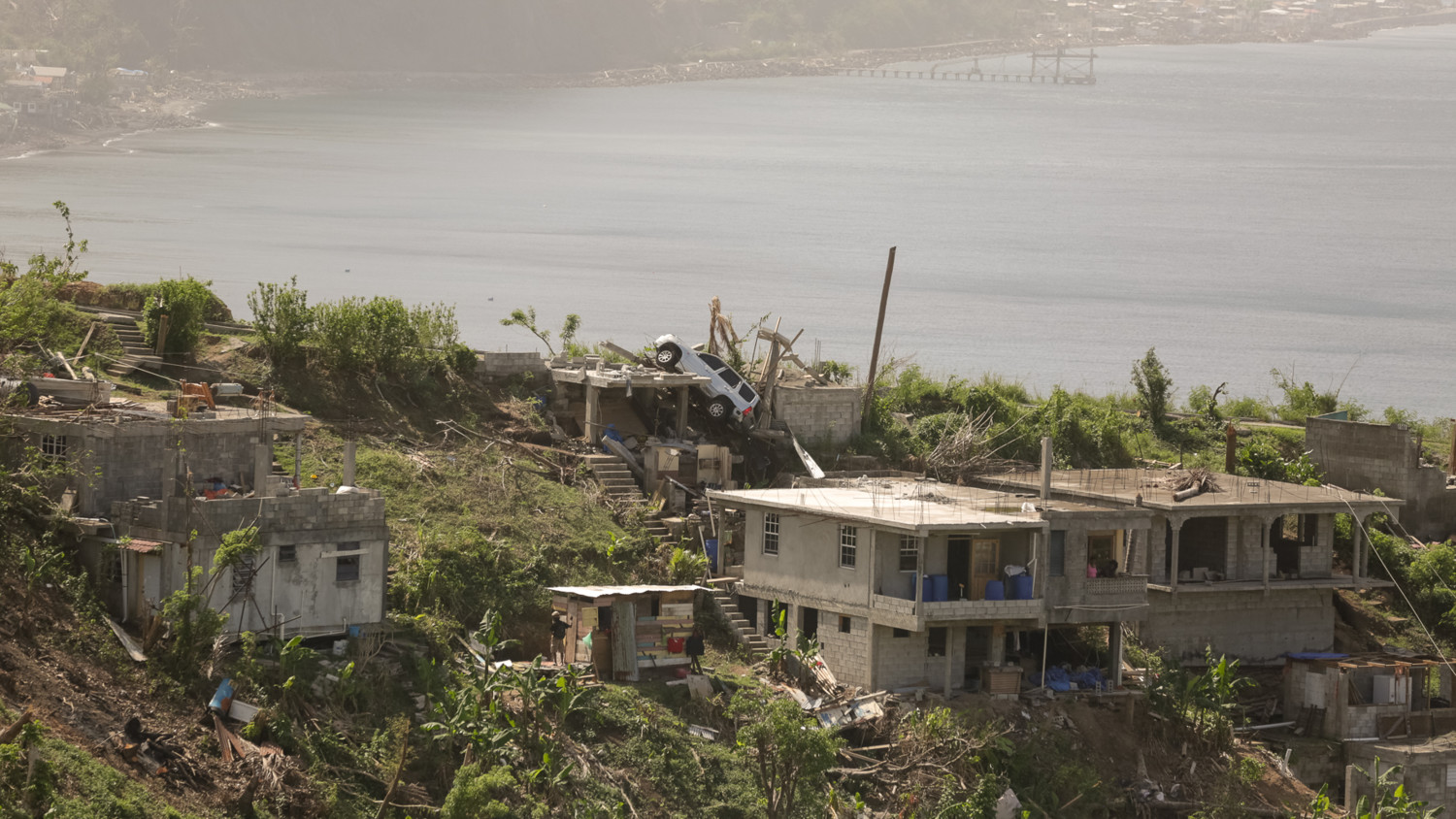
Mission in Dominica

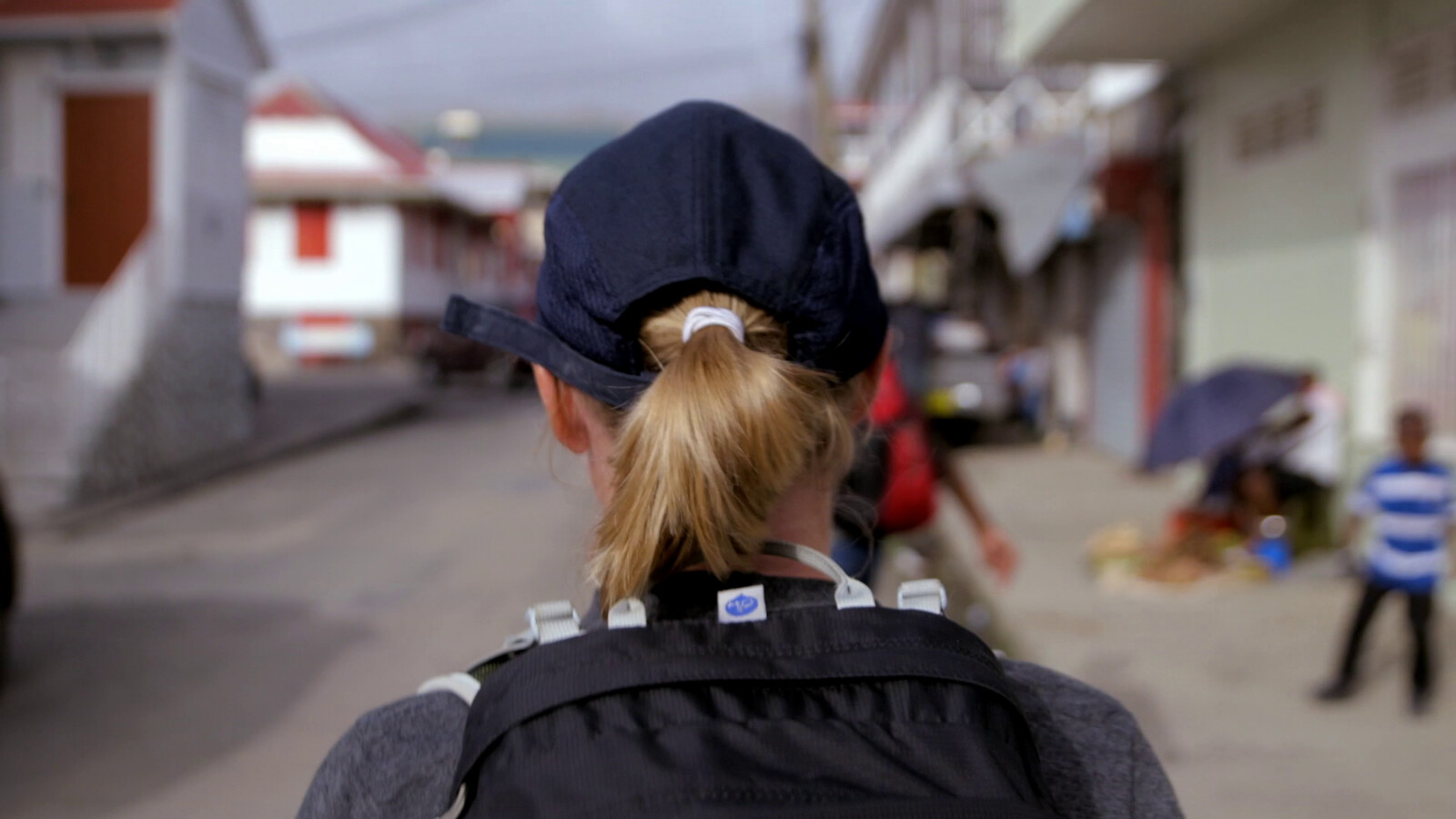
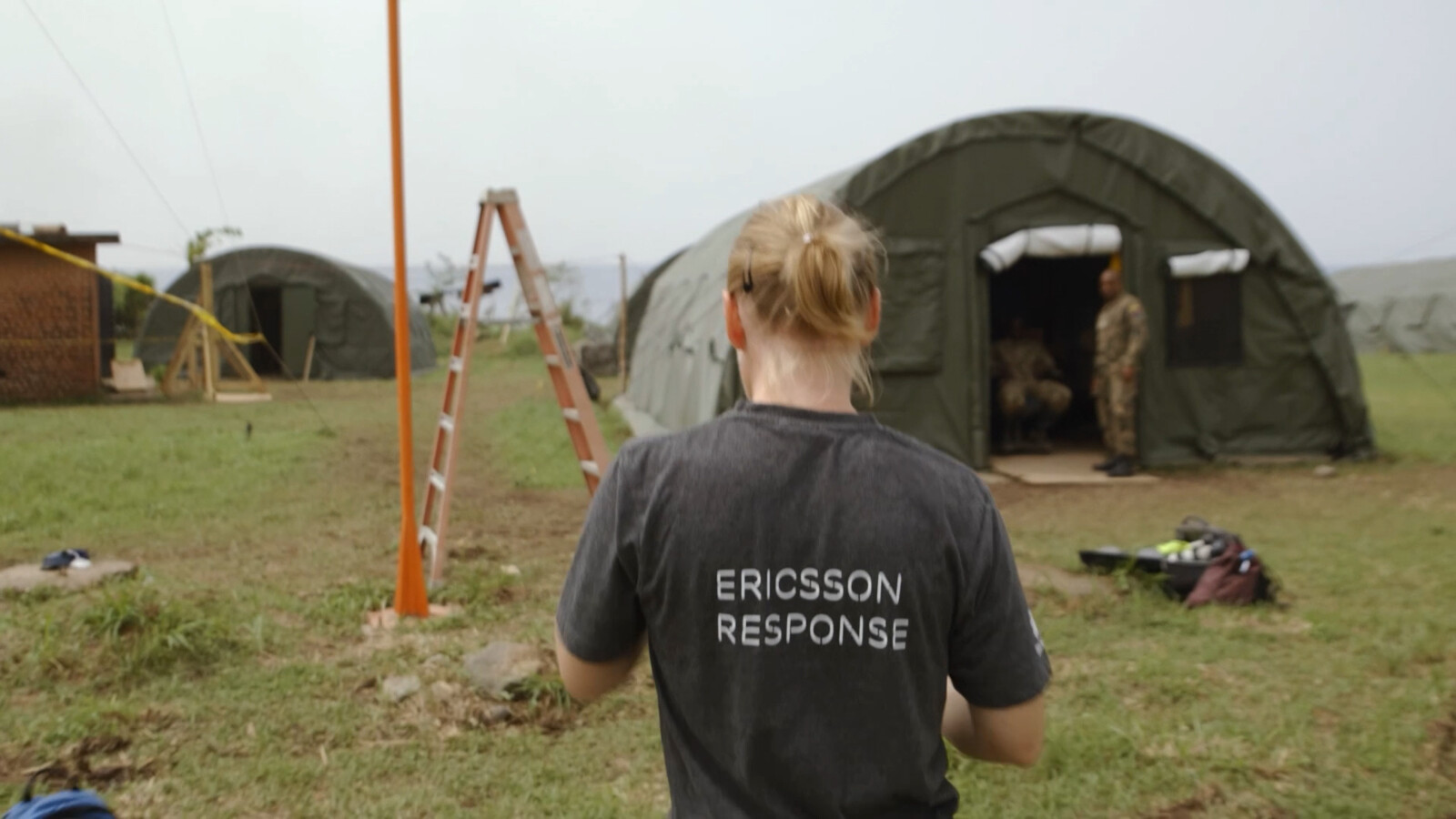
Ericsson Response working in disaster afflicted areas. Hurricane Maria (Category 5) struck the Caribbean in September 2017 and first made landfall on Dominica.

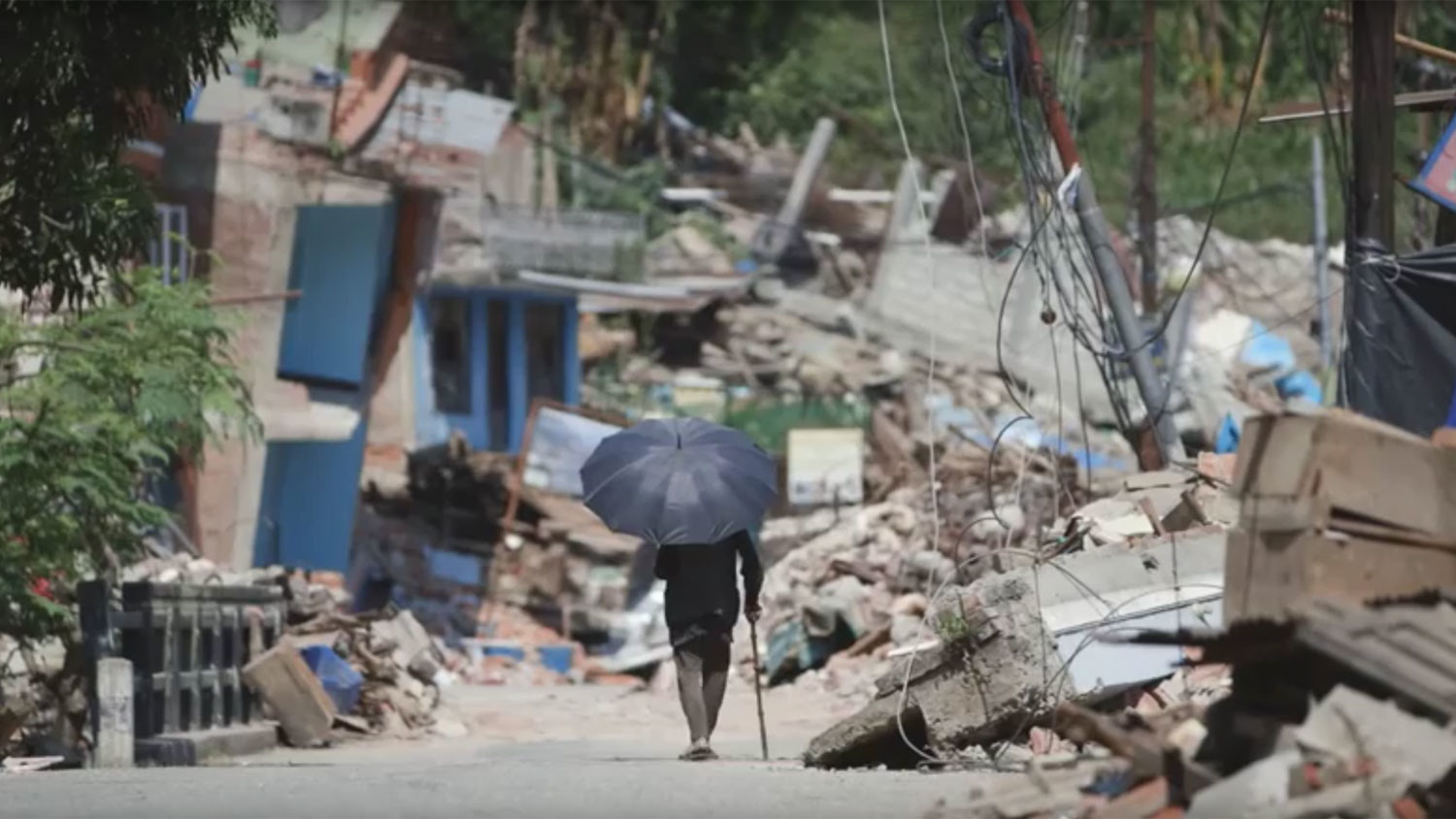
Mission in Nepal

On April 25, 2015 a devastating earthquake struck Nepal. Ericsson Response as part of the UN Emergency Telecom Cluster was immediately deployed to assist in the relief efforts.

Mission in South Sudan

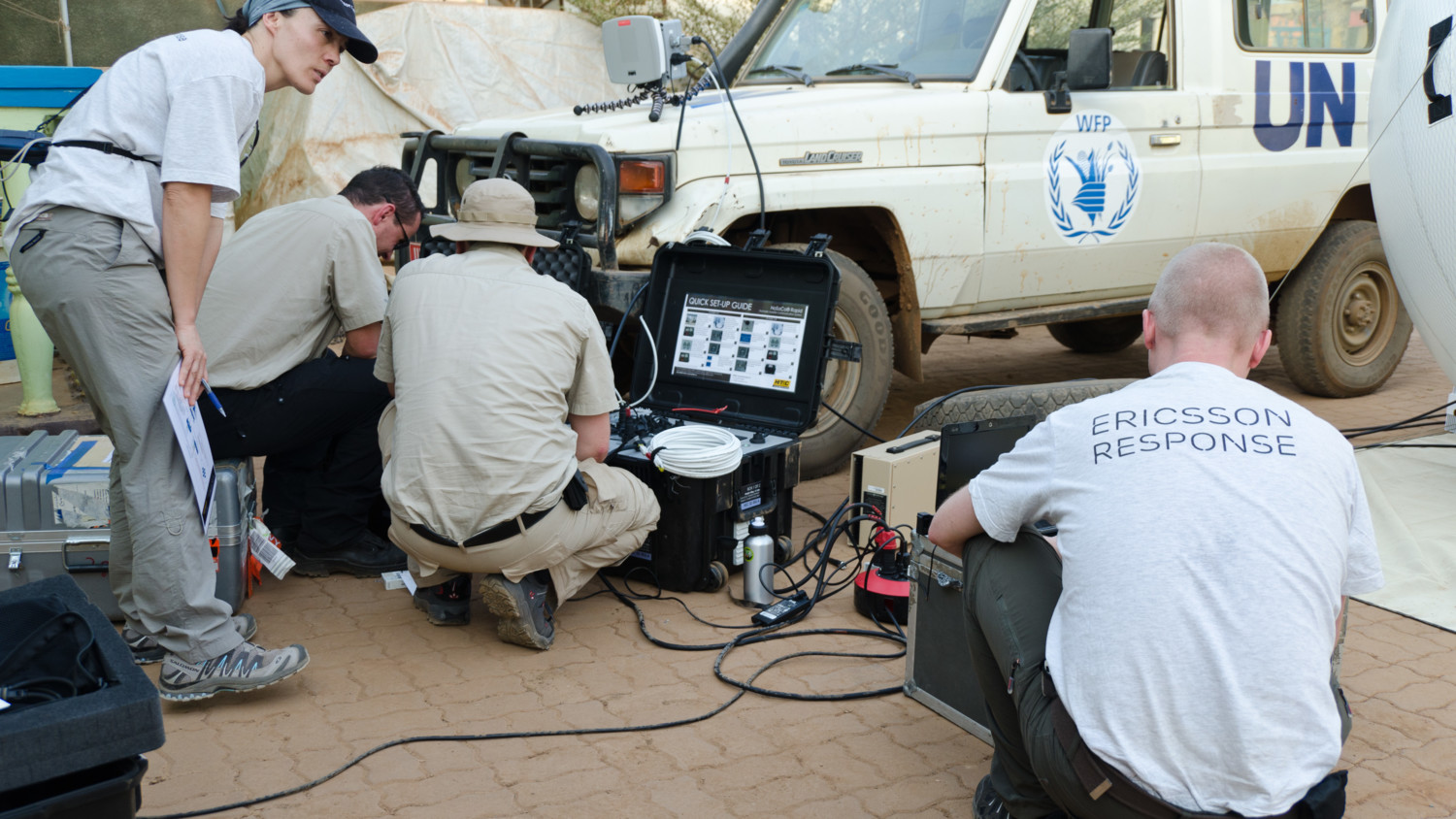
In 2012, Ericsson Response worked with Emergency Telecommunications Cluster partners, emergency.lu and the World Food Programme, to provide vital communications services to relief workers in South Sudan.