Mobile networks need AI, AI needs mobile networks.

Key AI technologies being applied in telecom
Telecom AI technologies: a quick guide
The conversational workflow: how it works
Human input
A human operator makes a query in standard language that is translated into complex technical goals through an AI model.
AI agentic reasoning
AI agents gather context by studying live network data and other critical information before reasoning to determine the best solutions.
Human in charge
The human operator reviews, adjusts and implements the actions proposed by the AI agent.
The role of mobile networks in an AI-driven world
AI is now at the top of the digitalization agenda for both enterprises and society. It has moved from machine learning to generative AI chatbots, advancing further towards agentic AI that enables new ways to write software and unlocks previously unattainable services.
The mobile technology landscape is undergoing a profound transformation, driven by the the rapid adoption of Generative AI applications and the evolution of 5G networks. We are entering a new wave of AI driven innovation, one that is reshaping how society and industries communicate and operate.

Networks for AI
This wave of innovation is driving entirely new demands and use cases. Many of them require much more uplink capacity, fundamentally changing the balance between uplink and downlink traffic. To support that shift, networks must go beyond traditional best-effort performance. They need to provide deterministic, reliable connectivity with sufficient capacity, consistent performance, and low, predictable latency, to ensure that AI applications run smoothly and at scale. The network is the road for AI to perform.
AI for networks
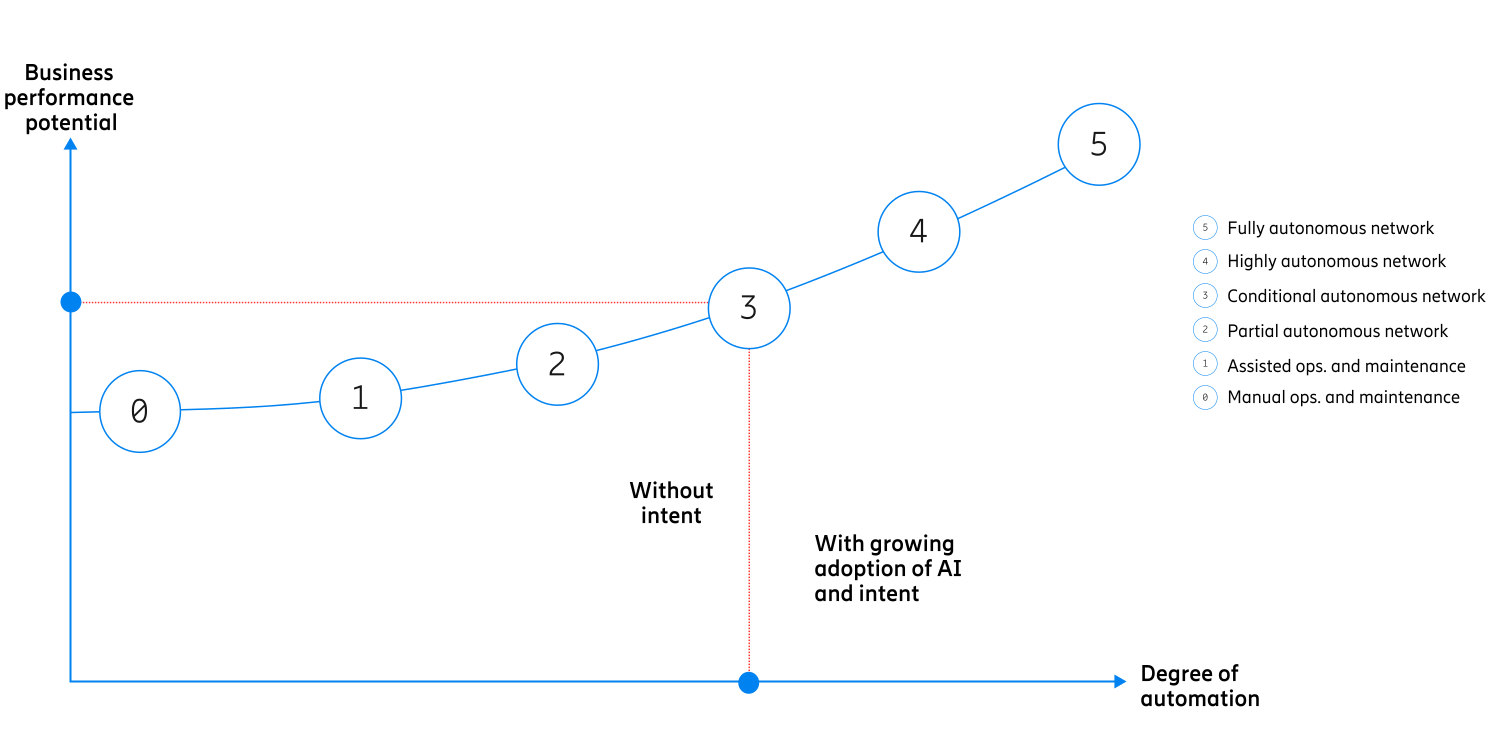
AI enhances the network’s ability to automate, simplify and perform at a high level by applying the right AI models in the right place – from BSS to radios and core networks.
High performance can now be guaranteed through increasingly AI-driven, autonomous and intent driven end to end network operations. This is driving reduced OPEX, optimized CAPEX and a competitive operational baseline for high-performance, differentiated network services.
Use cases
Real-time AI assistance: AR and VR glasses make the physical world interactive by capturing what users see and hear and sending it to the network, where AI processes it in real time. This enables navigation overlays, instant translation, and image recognition, voice commands, context-aware assistance, and real-time speech and text translation.
Built on multi-modal AI, these applications rely on strong uplink and downlink performance (0.5 to 10 Mbps) and low latency of around 200 ms RTT.
As CSPs expand their 5G SA networks, continuous new radio coverage, network slicing, open APIs, 5G Advanced, and AI-driven automation deliver reliable experiences, creating new revenue opportunities beyond mobile broadband (eMBB).

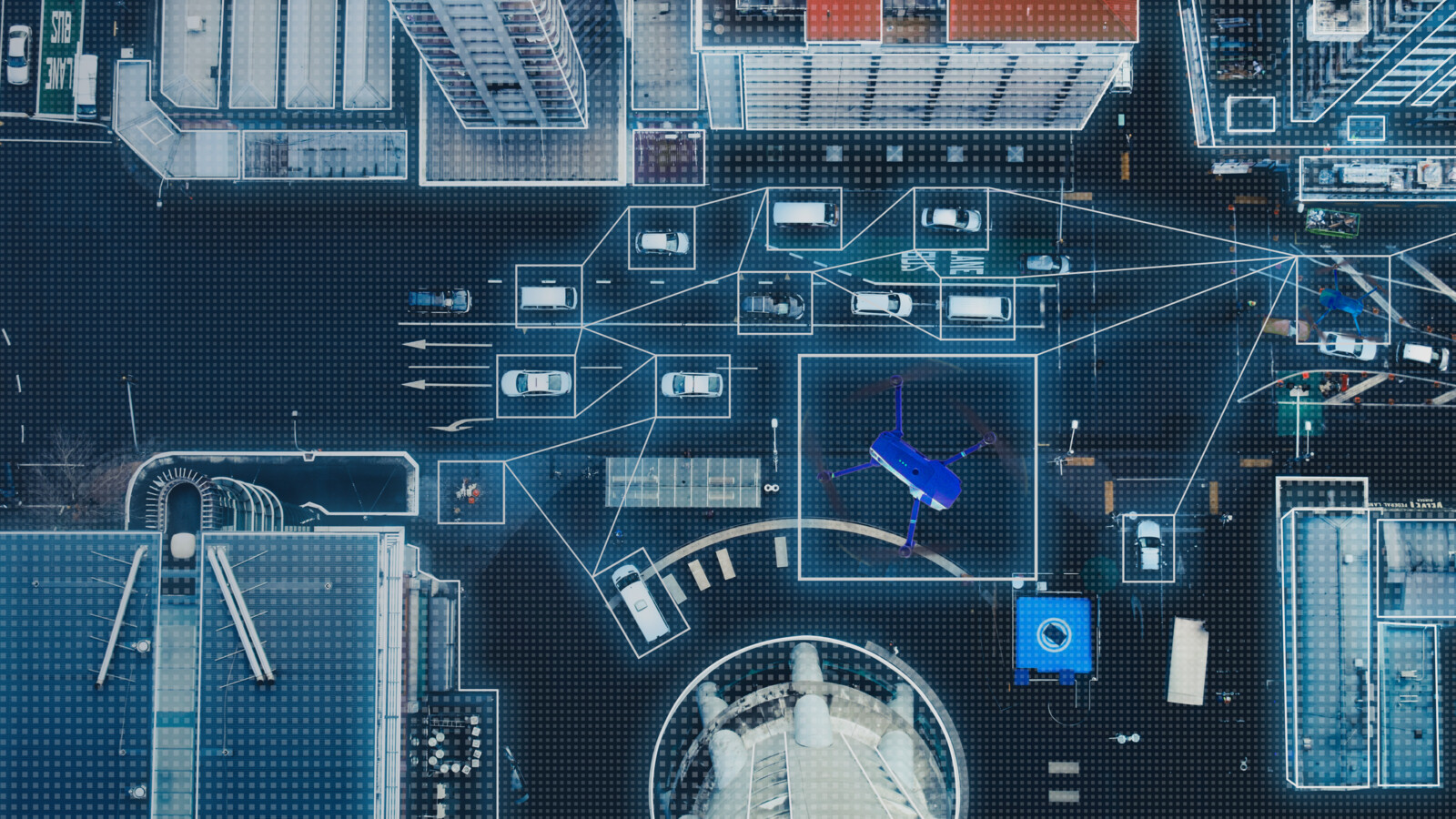
For safer, smarter streets. Droid assistants combine autonomous robots and humanoid droids with high-uplink connectivity to support security patrols, last-mile delivery, and precision agriculture. Equipped with cameras and sensors, they stream video and telemetry while receiving critical control data. These applications typically require around 100 milliseconds RTT and 1 to 150 Mbps uplink, making droids ideal for VRU V2X safety services. Using cellular V2X, they create real-time awareness between vehicles and vulnerable road users.
As CSPs evolve 5G SA networks, continuous coverage, network slicing, open APIs, and 5G Advanced can enable scalable AI-driven safety services, improved protection for VRUs, and new business opportunities.

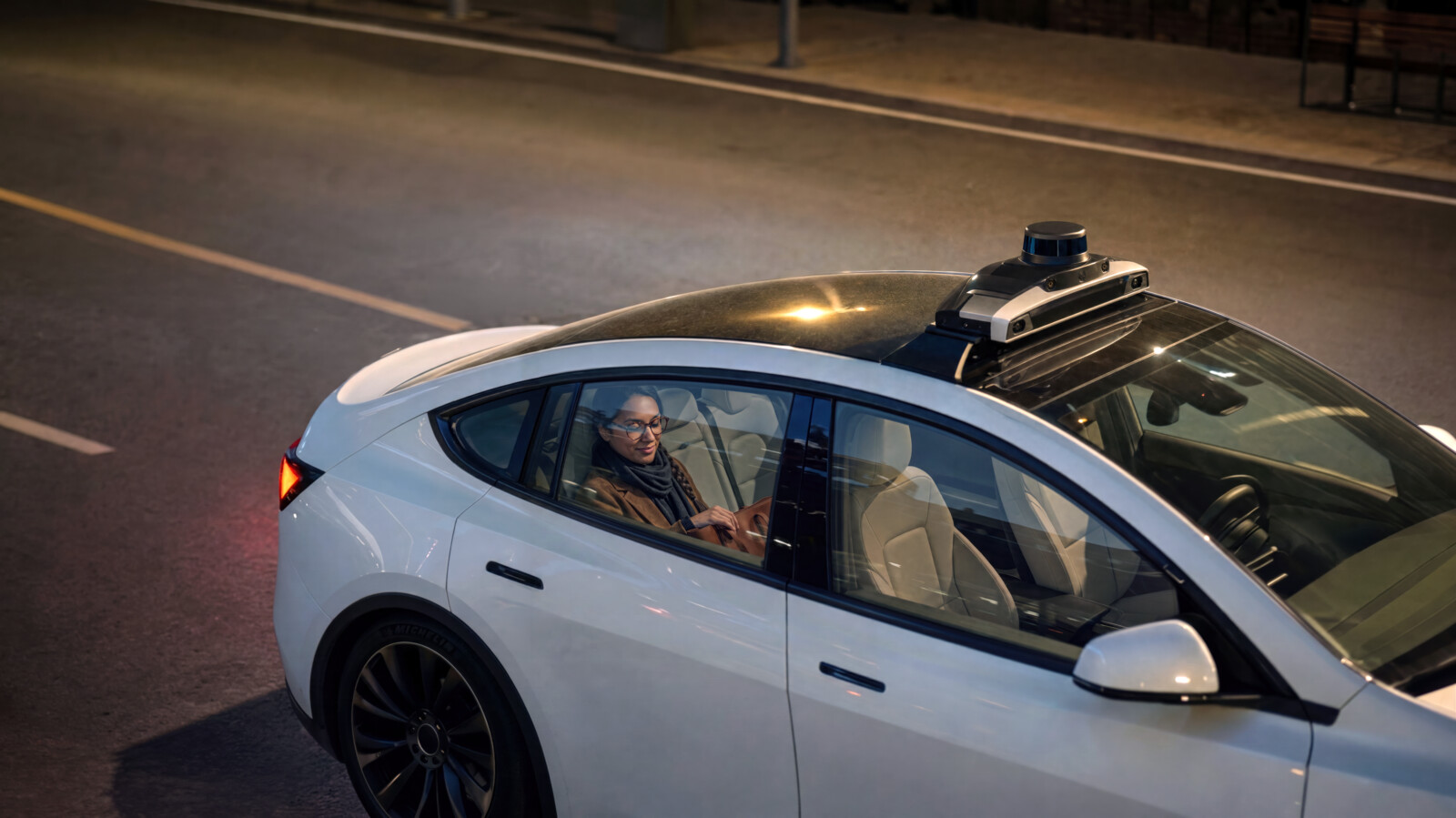
For safer, smarter mobility: Connected AVs use cellular networks to extend awareness beyond onboard cameras, radar, and lidar. With continuous heartbeat signals and differentiated connectivity, they support ADAS and autonomous driving.
Stable uplink and downlink connectivity enables fleets to share real-time vehicle status sharing, HD map and software updates, and cloud AI to respond to changing road conditions. While AVs can operate safely without network connectivity in safety-critical situations, 5G enhances their capabilities by supporting V2X communication, teleoperation, HD maps, cloud AI, and over-the-air updates.
For CSPs, 5G SA, network slicing, 5G Advanced and open APIs provide the foundation for scalable AV services, supporting safety-critical traffic, ecosystem innovation, and future commercial deployments.

From network performance to customer experience and more: the benefits of telecom AI







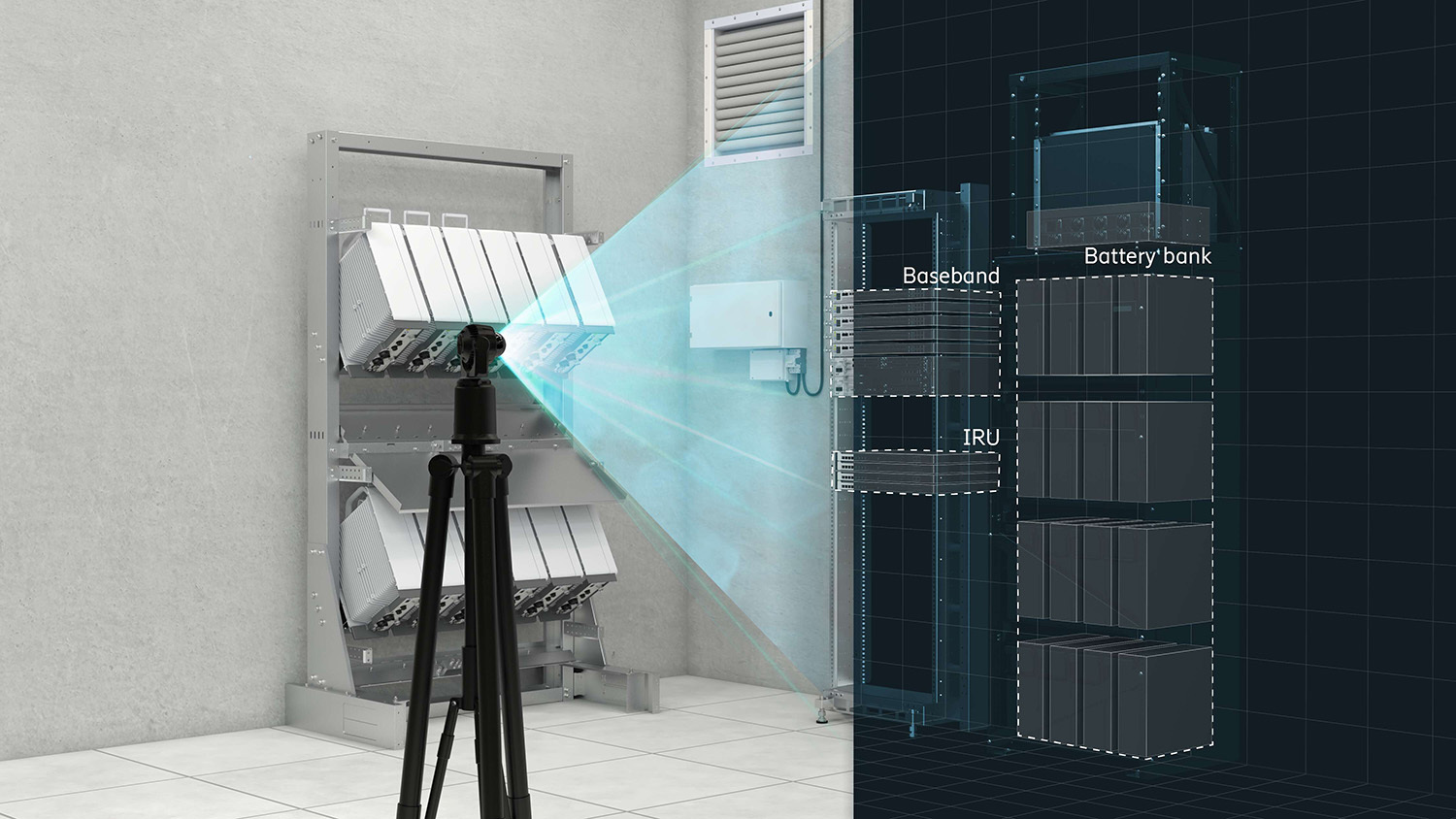
Digital twins: a safe environment to test and experiment with AI

Jon Gamble, Ericsson, Imagine Studio, asks you to imagine a digital world beyond the screen.
How and where telecom AI is applied

Continue exploring telecom AI application areas



Deepening AI integration in 5G and beyond

The path towards autonomous networks