










5G-connected and automated buses take urban public transport to new places
Solution Architect and Lead Developer

ICT Architect and Senior Design Technologist

ICT Architect

Program development leader
Solution Architect and Lead Developer
ICT Architect and Senior Design Technologist
ICT Architect
Program development leader
Solution Architect and Lead Developer
ICT Architect and Senior Design Technologist
ICT Architect
Program development leader
A complex network of buses continuously shuttles Stockholmers, as well as some 10 million annual visitors, around the city, 24 hours a day. There’s also a large metro network of about 100 stations, as well as several commuter rail options. As Stockholm sits atop literally thousands of small islands, there are also plenty of ferries to choose from.
Meeting future urban demands
Like many cities around the world, Stockholm is growing. And quickly. The urban population is rising about 6 percent each year and is expected to hit 3 million by 2045. The city council estimates that it will need an additional 2,000 preschools within a decade, as well as more housing and, of course, urban public transport. The Swedish Confederation of Transport Enterprises forecasts a shortfall of over 7,000 new drivers to meet future demands. These requirements signal a call for smart new solutions that can support sustainable urbanization.
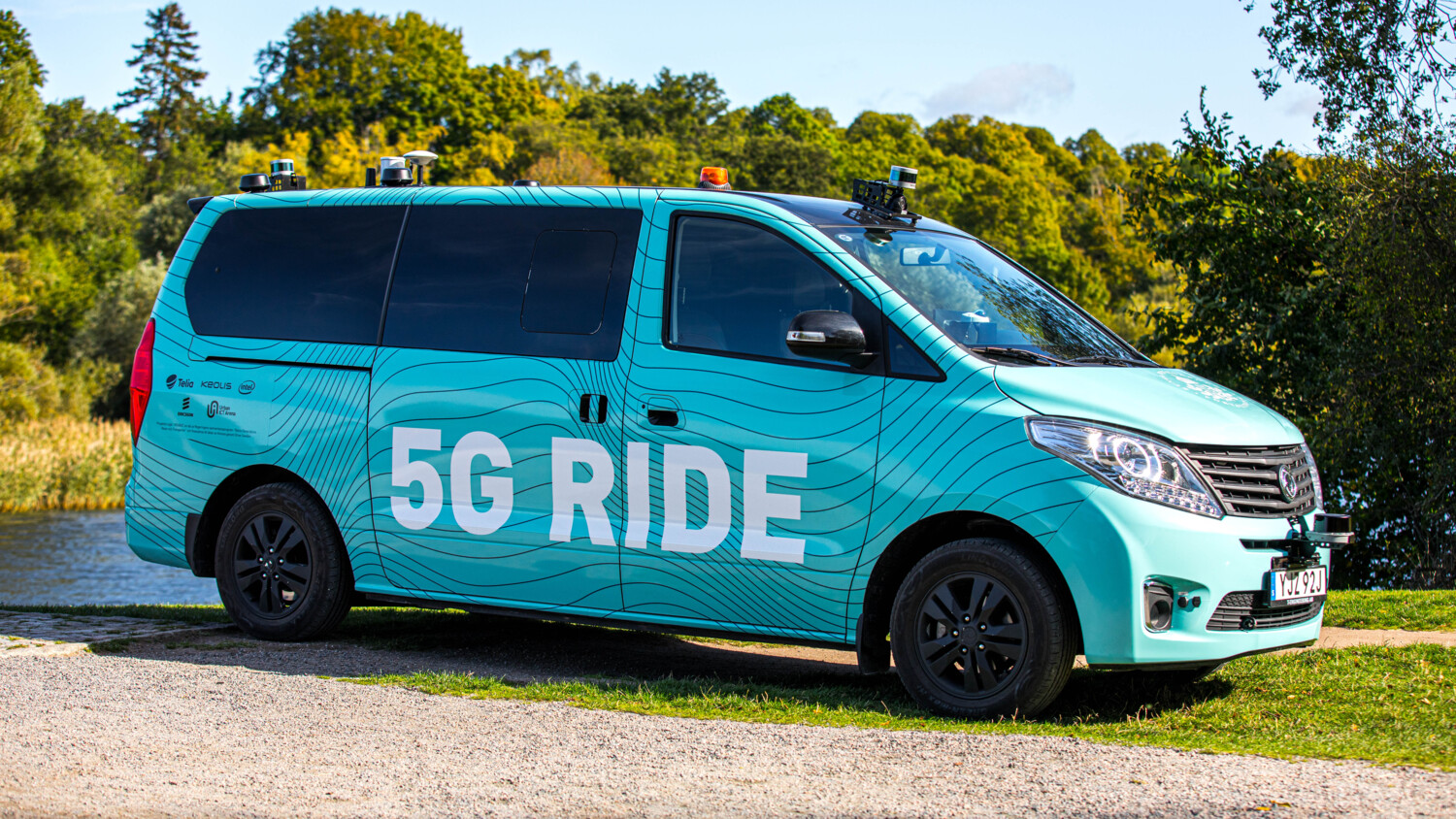
Stockholm is tackling these challenges head on with innovative 5G-based solutions. One such innovation is 5G Ride, which has been deployed and tested on the picturesque island of Royal Djurgården.
Deployment and testing in busy urban area
Driverless and automated busses are to become a reality in the near future. Public transport operators acknowledge that the ability for remote control is essential to secure safety and efficiency at all times. A so-called control tower allows the bus operator to assist in challenging situations, ensuring proper operation of unmanned vehicles.
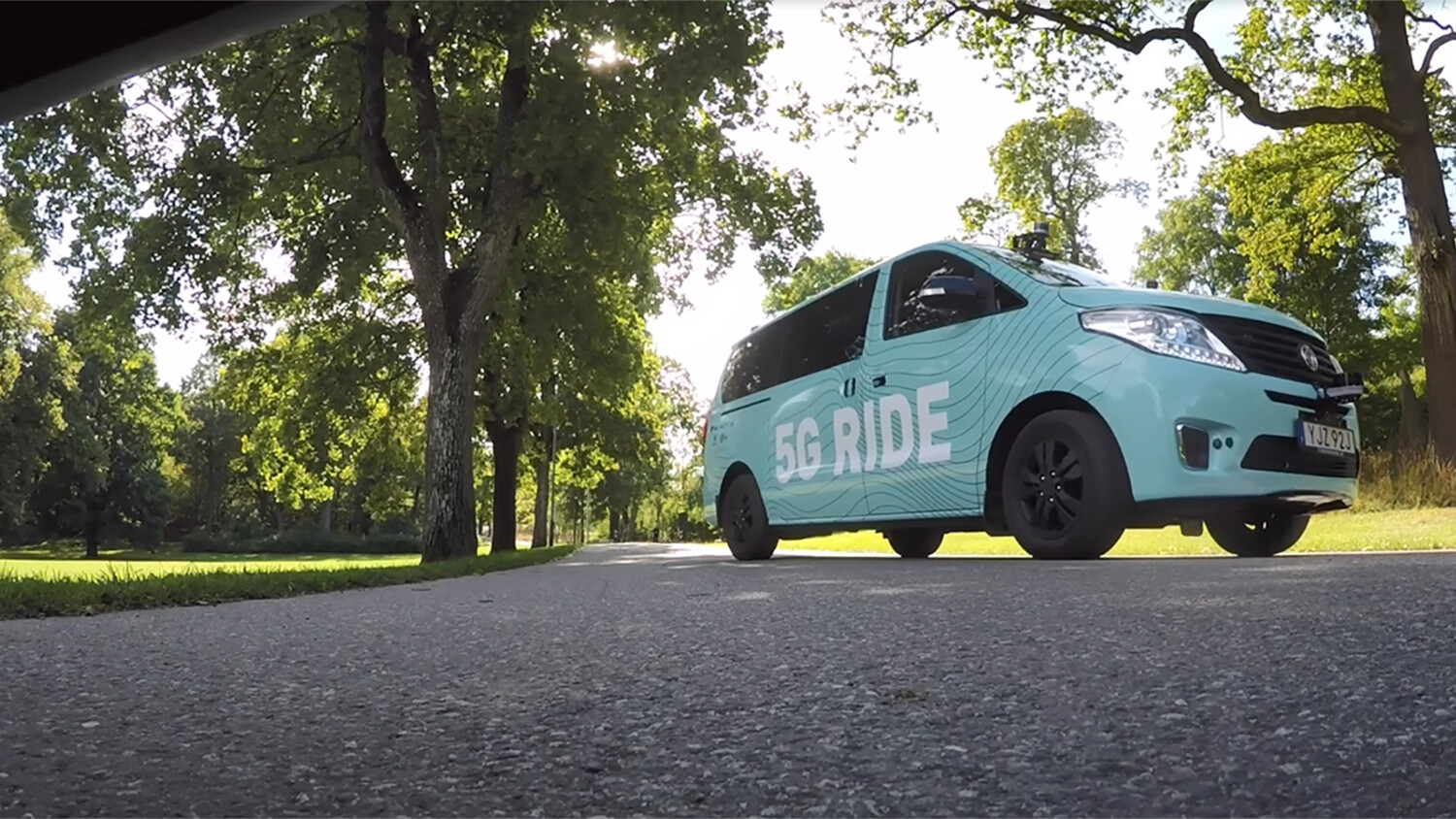
5G Ride is a 5G-connected and fully automated minibus which successfully took short routes on public roads around Royal Djurgården – a popular area of the city which is home to historical buildings, galleries, and an open-air museum. The minibus is assisted over the public 5G network operated by Telia in collaboration with Ericsson. During the initial trials, 5G Ride traveled at a maximum speed of 18km/hour with passengers on board.
Remote assistance in such conditions requires access to vehicle sensor data as well as real-time access to vehicle video cameras. High uplink data rates, low latency, quality of service, and accurate positioning make 5G an essential component in the future of urban public transport. 5G enables near-instant reaction times for commands issued between the control tower and the vehicles.
The pilot is part of a partnership between Urban ICT Arena, Keolis, Telia, Ericsson and Intel, focusing on how 5G and related control towers can enable more sustainable and efficient public transport systems. The initiative is backed by Vinnova and Drive Sweden, while the minibus is provided by the technology company T-Engineering. The launch of 5G Ride was attended by Prince Daniel of the Swedish Royal Family, together with representatives of service provider Telia Company and Ericsson.
Automated vehicles with remote assistance
Trials lasted for nearly two weeks and were followed by further testing in Kista, a suburb situated just north of Stockholm and home to many Ericsson buildings. People who work and live in Kista had the opportunity to book trips with two 5G-connected and automated cars, which communicate via the mobile network with a control tower.
The transport operator has full insight over its movements and surroundings at all times. Teleoperated driving will be explored further in the continuation of this project. The technology trend towards autonomous driving is maturing rapidly with the support of powerful 5G networks. However, besides technology, it is in particular customer acceptance and legal frameworks for autonomous driving on public roads that deserve greater attention.
The aim is to develop smart, scalable urban public transport solutions that are capable of providing reliable and sustainable services to growing populations. If Stockholm is not the largest city in the world just imagine the impact that 5G-connected and automated vehicles could have on bigger urban areas around the world like New York, Tokyo, or Shanghai.