










Feminism, technology and how we tackle the hurdles in between

Deputy Editor, Ericsson Perspectives
Deputy Editor, Ericsson Perspectives
Deputy Editor, Ericsson Perspectives
Feminism: that loaded F-word. In the workplace, it’s often glossed over. We celebrate women at work, but many steer away from discussions on feminism as an ethos. For me, this is why there’s still a very rigid view on who ‘women in tech’ actually are. To remedy this, we must look at where we come from – our stories, cultures, history and the many struggles that come together to reveal what meaningful inclusion should look like.
Meeting our first family computer
Back in 1995 when I was five years old, I was using MS-DOS, the text-based operating system for Windows 95 (it’s very handy to be born 1990, if you often forget your age). A family member briefly worked for Dell when I was young, and one day they came home with this huge, yellow computer tower, massive bulky screen. The best part of my day was messing around on it. But I didn’t just draw dresses of anime characters on MS Paint. I went to the local library to find a book on how to change every setting, run different programmes, and completely transform the family computer.
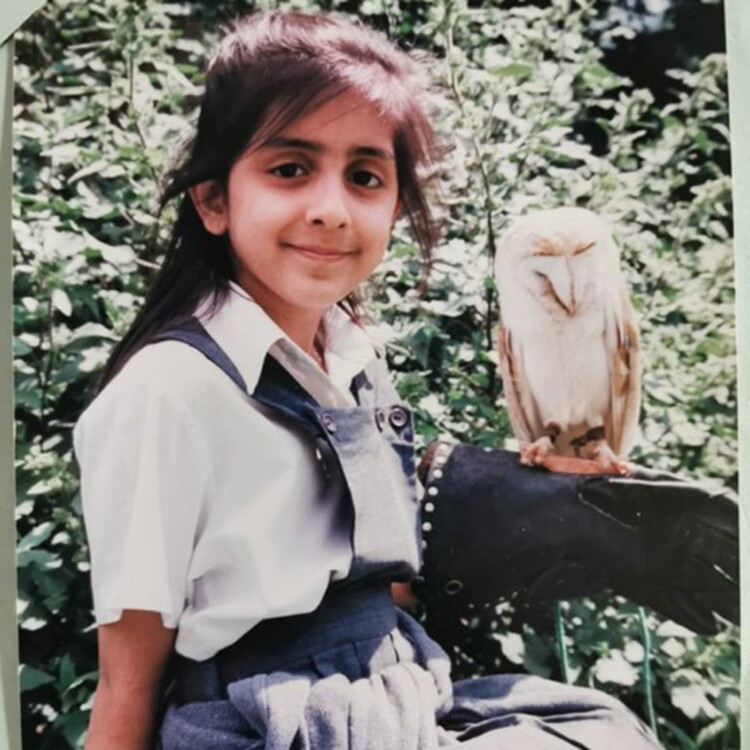
Me aged five
As time went by, we slowly upgraded, albeit at a much slower rate than the rest of the neighbourhood, because tech was a massive luxury. Still, my hacks and obsession meant I could download all the software and goofy Matrix flash videos in the same way as my classmates. Today, despite massive leaps forward in how we interact with tech, our reliance on it has shown how deep the digital divide goes. It’s one thing not being able to go on BritneySpears.com when you’re seven, it’s certainly another not having access to connectivity during a global pandemic in 2021.
As I got older, I always knew I wanted to work in ICT, but class and gender were common barriers. I managed to cling to my love of writing enough to pursue journalism, coast around festivals and music scenes, before settling into HTML page building (mostly self-taught) and .com copywriting. I later learnt UX/app content creation, and now here I am at Ericsson doing a bit of ‘everything to do with content’. Would I have liked to work in engineering? Maybe, but the reality is that we tend to go for the opportunities we can reach. I’m still incredibly proud to have been able to combine my two passions into a solid career, but I have often faced barriers and hurdles because of my choice to pursue work in this industry.
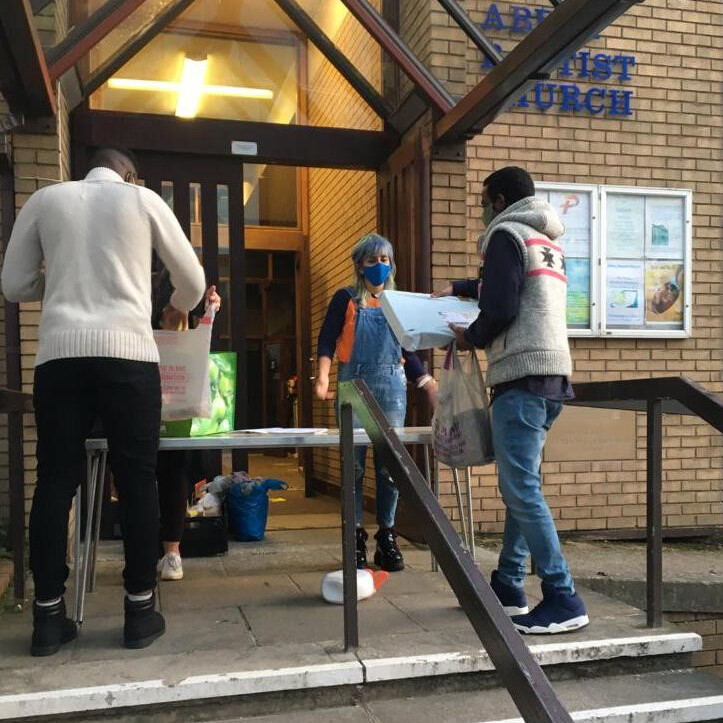
After co-founding a refugee kitchen in Reading, UK, I’m also chief-nerd, in charge of organizing devices for asylum seekers
For example, at a previous job, I remember coming back from a ‘disability and tech’ workshop where I was eager to see how we could make apps more accessible. A colleague used slurs against me in the car for saying women should have rights. He then asked for my number via email, and when I ignored it, he made a scene at an innovation workshop. Many other people were in attendance and witnessed it. Eventually, he was promoted two grades above me. I reported him every time. This scenario is not unusual; your female colleagues will have many stories like this if you listen.
But what can we do? All of us, women included, need to dig deeper into questions like, what are the struggles that black, transgender, disabled and all women face? How can we learn more about different kinds of hurdles, so we can help remove them?
It’s not just about gender…
For me, sometimes being a woman isn’t always the biggest barrier. Usually, my class, my colour, and my religion all intersect to become even bigger points of contention, leading to uncomfortable remarks and assumptions. A government report in 2017 found that Muslim women in the UK are the most economically disadvantaged, which combines these two struggles completely. Certainly in lockdown, I can’t see this problem going away anytime soon.
When feminism becomes complex, it often becomes taboo. For me though, that’s when people begin to understand it. If I just use buzzwords and slogans, it doesn’t feel tangible – Dan Kerber told us to be more granular, and I truly think that works. When I tell you that International Women’s Day is important, Girls in ICT Day is amazing, and that I wish I could have experienced it as a child, you can see where I’m coming from. You can see a Pakistani woman saying, this would have literally changed my life, we should get behind it. So when you next interview a woman, or someone who doesn’t have glowing prestigious school accolades, focus more on how they’re working towards their goals, and how resourceful they are, rather than how privileged they are.
Focus must be on potential, not privilege
On this topic, the race metaphor will always be my favorite: two athletes start off at the same point in a race, and they have a fair chance to get to where they want to go. I won’t say “win” because I’m too much of a hippy to focus on winning. If colour, gender identity, class, misogyny, disability, religious oppression, or marginalization in any form is present, you’ll start this race much further behind your counterpart, even before the starter pistol has been fired. And it won’t be easy to catch up.
That’s why we need to focus on women, all kinds of women, and give them a platform. Not with platitudes and mollycoddling of those not affected by the issues I’ve mentioned, but with genuine and tangible support. When you scratch the surface and get to know your colleagues a bit better, you’ll see that you may not have had the same start that they did.
Read more
This is why International Women’s Day is more important now than ever before.
Meet Ericsson’s Inventor of the Year: Yufei Blankenship.
Read about How lockdowns can open doors for women in tech.
Read about Women in Tech 2020: The role of climate, gender and ICT.
Learn more about Ericsson and gender equality.