










Meet Ericsson’s Inventor of the Year: Vesa Lehtovirta

Senior Expert, Security standards and technology
Senior Expert, Security standards and technology
Senior Expert, Security standards and technology

Meet our three Inventor of the Year 2020 award winners: Vesa Lehtovirta, Yufei Blankenship, and Sebastian Faxér.
I work with security standards for mobile networks which I’ve done since 2002. I started my standardization career in the so-called back office, supporting our delegates who travelled to standards meetings. How I became a delegate myself was a bit of an accident. My colleague went on maternity leave and we needed a new delegate. At that time, I had met my future wife who lived in the UK back then. The next standards meeting was going to be held in Scotland so I figured that by volunteering to go to the meeting I could also visit her. I ended up travelling 13 years to attend those meetings.
I’m currently coordinating our 5G security standardization efforts, which span over several standardization development organizations.
Inventing requires a rope, not a chain
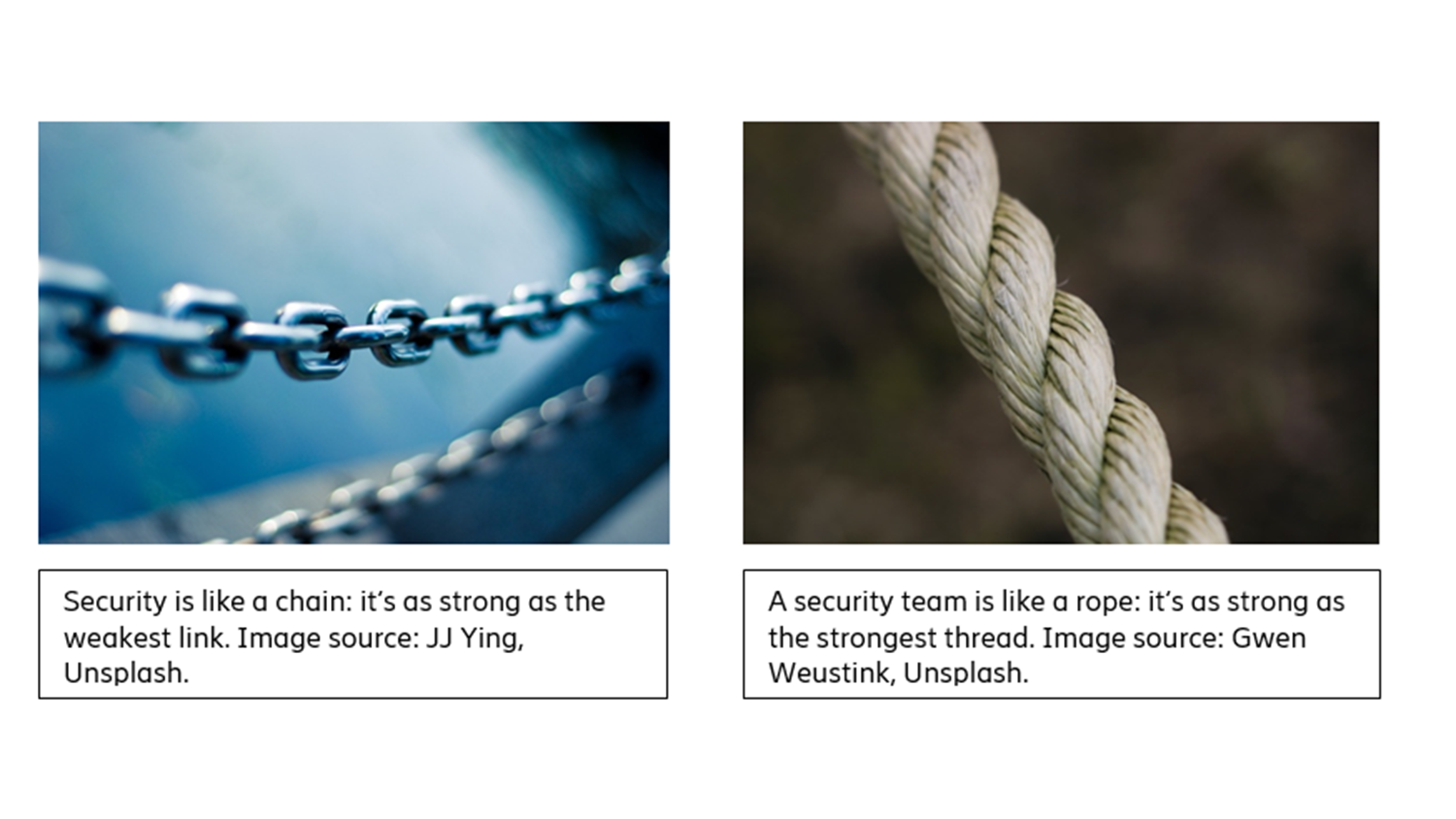
There’s a saying that security is like a chain: it’s only as strong as the weakest link. While this cliché may apply to the security of systems, in my view, it doesn’t apply to security inventions or inventions in general. The reason is the importance of teamwork. Teamwork is based on the atmosphere of trust. Nobody should feel that they’re the weakest link, since that could make them feel insecure and close their minds instead of opening them up, which is essential for innovation. Instead, people should feel that the team is like a rope: that it’s as strong as the strongest thread. Even if one thread breaks, the team stays together and still holds. Let me clarify my point and show you how this works in innovation.
When is it a good time to invent?
Inventions are about solving problems, and patents are about protecting these inventions. If someone wants to patent an invention, they’ll need to be the first to file a patent application for the technical solution. To be able to do that, it’s crucial to also be the first to understand the problem, since a well-formulated problem often points in the direction of a solution.
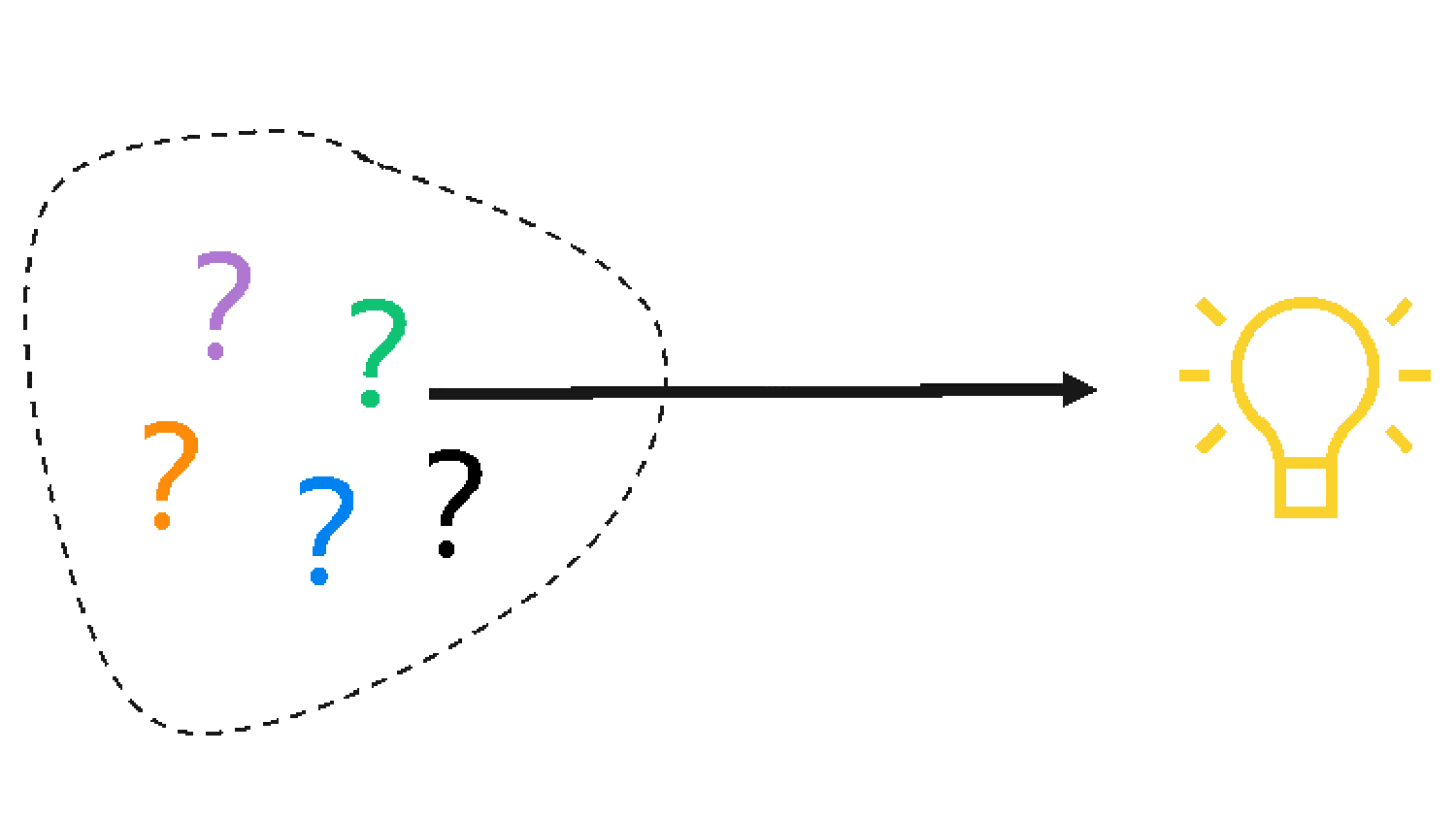
Understanding the problem first is essential
In my experience, this is especially true when working with things like communications standards where typically a group of engineers from different companies research a common area.
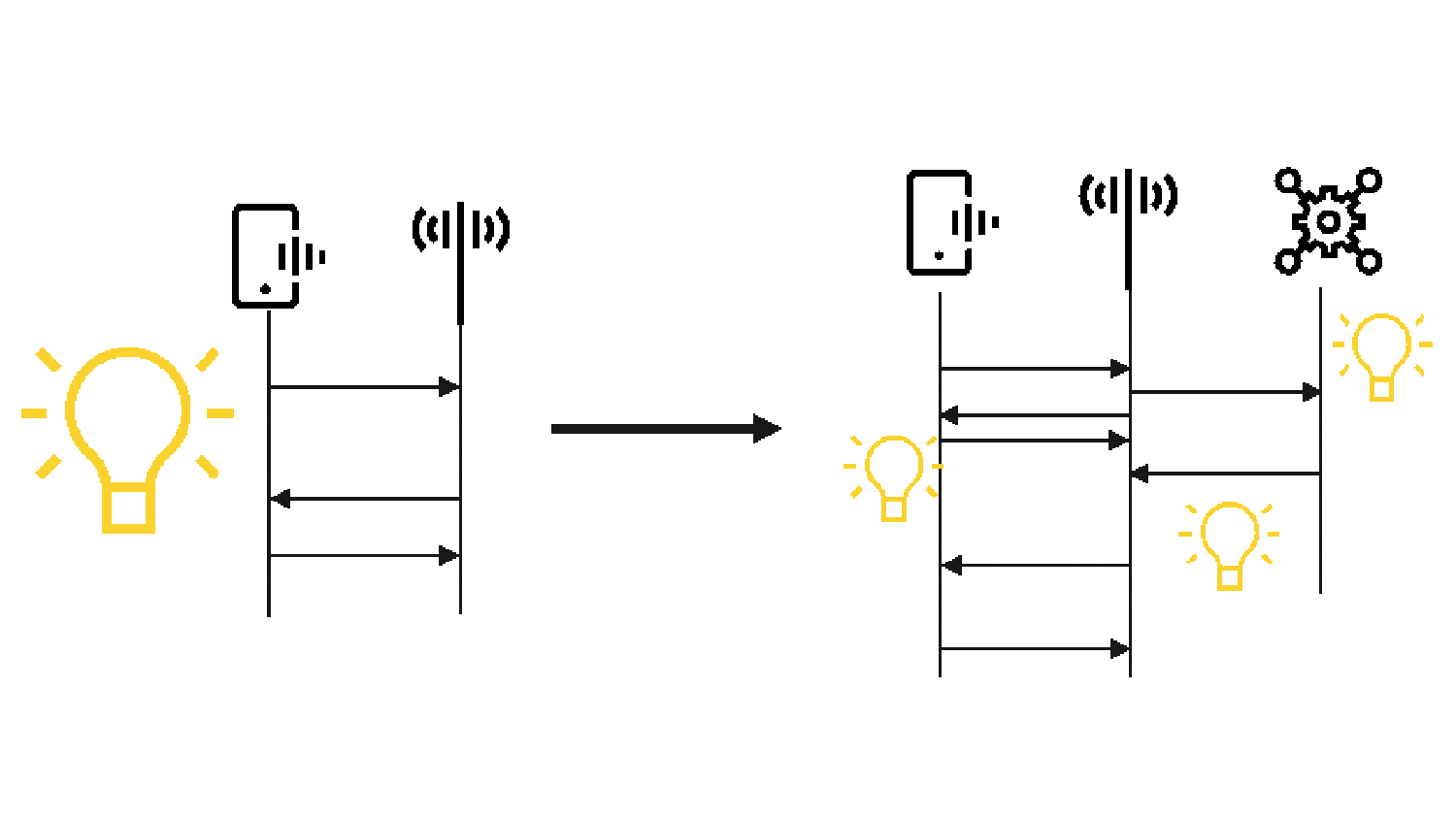
Conceptual and detailed communication use cases.
The early bird catching the problem can also catch a patent for a wider concept that solves the problem. But this isn’t the whole story. For example, in the case of communications standards a conceptual solution often needs to be developed further by adding required details to cover different aspects, such as interactions between procedures. While the conceptual solution may become known in the early stage of work, for example, in a study phase, many of these details typically become visible at a later stage of the standardization work.
Developing inventions in communications security
Somewhat simplified, communications security is about answering two questions: Do the communicating entities, like a handset and a base station, know who they are communicating with? And secondly, is the communication secure?
Being able to answer those questions and designing security for a communications system, including authentication, key management and security protocol aspects, requires sufficient knowledge of the system and the use case at hand. This is the challenge that communications security engineers face, but it’s also a source of innovation when new use cases and architectures emerge.
How do I work with inventions?
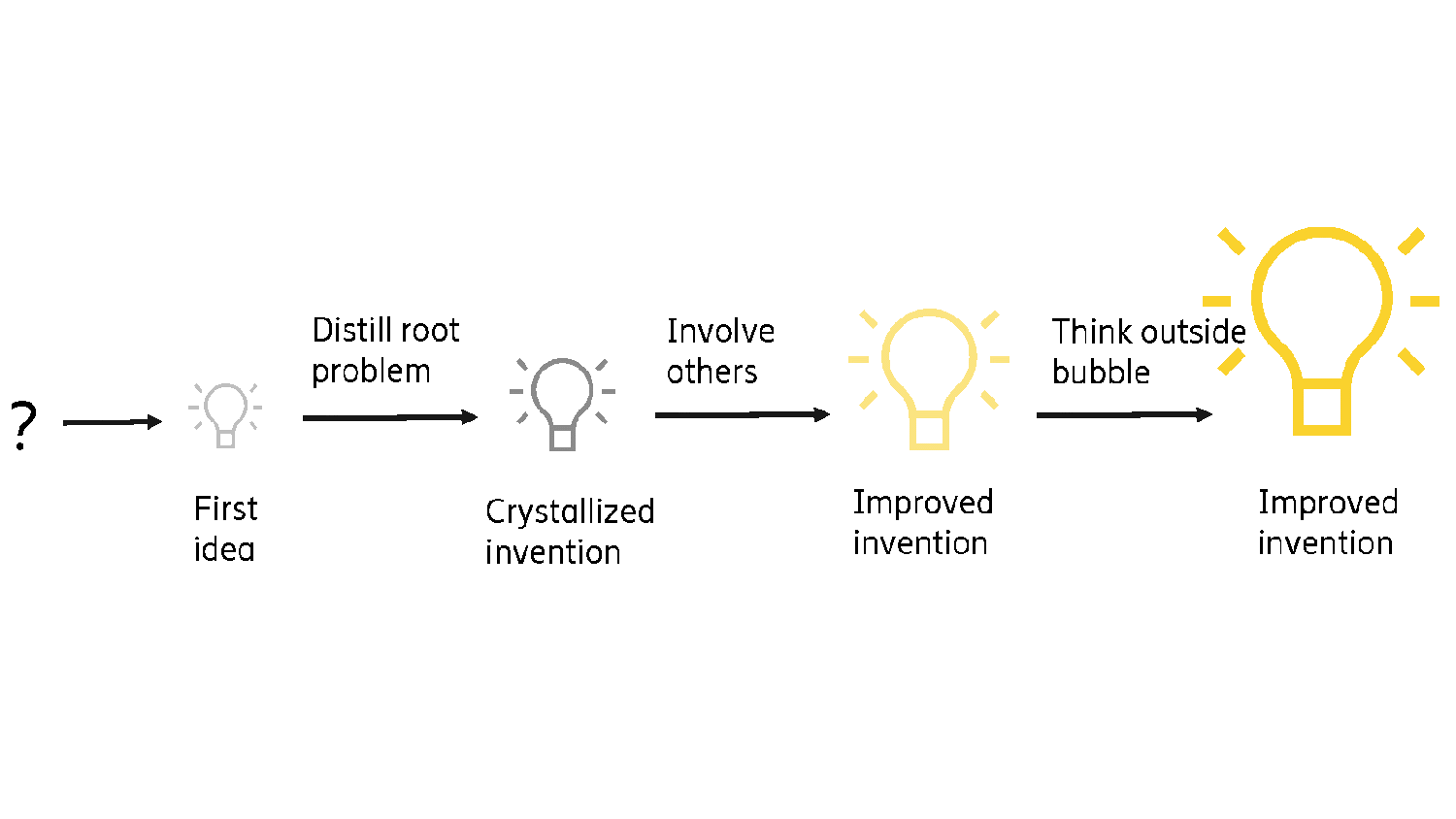
An invention process
Focus on the problem:
Thinking around a problem usually brings the first idea. This gives you a boost to develop the idea into an invention. At this point, it’s worthwhile to take a step back and try to distill the root problem, and ask: what is the real problem we’re trying to solve? Focusing too much on the idea itself at the beginning may lock your mindset and hinder other potential ways of solving the problem. This would be detrimental. Once you really understand the problem, you can find the core of the idea.
Involve others:
“Great minds think alike” but that does not apply in case of inventions. Diversity is king. Many minds think differently compared to one mind. Sharing ideas with others almost certainly brings new aspects that you weren’t thinking of. It’s also essential at this point to focus on explaining the problem first, and only then mention the idea. How could others improve an idea if they don’t understand the problem? Bringing others into the loop may change the invention and take it in a totally new direction.
Think outside your own bubble:
You may fall in love with your idea. This can likely happen when you put a lot of energy and effort into something like developing an invention. This may also happen in a group of like-minded colleagues. However, the quality of the invention will be tested in the real world. It may be wise to test your idea beforehand and consider what other bright minds or someone with a different perspective would think about solving this problem. What kind of solutions would they propose? This exercise can make you to think about approaches you wouldn’t usually take.
Learn more
Read our previous blog post in this series, Meet Ericsson’s Inventor of the Year: Yufei Blankenship.
Read more about our Inventor of the Year award.