










Transparency in telecom and the trade of knowledge

Director of IP Policy

Director of IP Policy
Director of IP Policy
Disclosure, disclosure, disclosure (D3) and the trade of knowledge
Since the beginning of civilization, humans have improved their living conditions by not only trading goods and services, but also ideas.
Mesopotamia with its fertile grounds; the Mediterranean Sea with its relatively safe maritime routes, and Ancient China with its navigable riverways are all examples of regions where civilization flourished through trade and the transfer of ideas. Roman roads pushed the transfer of knowledge to and from the boundaries of the known world, and explorers like Columbus and Marco Polo unlocked trade routes that greatly benefitted the societies and cultures they served.

The Roman Road network catalyzed the transfer of knowledge and trade
There is an ongoing debate on transparency among industry regulators in Brussels and elsewhere, especially as it relates to technology and standard essential patents (SEPs). It has recently been claimed that the high-tech industry and the telecom industry, which in particular relies on international standards for the deployment of society-critical networks and applications, lacks transparency. For us, this is far from true. On the contrary, the telecom industry has guaranteed strong competition, outstanding societal gains, and a steady, transparent transfer of knowledge through three levels of disclosure, what we’ve termed D3:
Disclosure #1: Patenting
The patent system recognizes the benefits to the innovation ecosystem provided by the disclosure of ideas. A patent is a quid pro quo: in exchange for the exclusive right to the invention granted to the applicant, the applicant agrees to disclose their idea for the benefit of others. As a result, other innovators can not only learn from the published patent but improve upon it. In the absence of this quid pro quo, many inventors will keep their innovation under seal and rely more heavily on trade secrets, to the detriment of society.
Transfer of knowledge happens through disclosure and also through technology transfer and licensing. Rather than practicing the invention themselves, an inventor can rely on collaborations and partnerships, and still reap the financial benefits for the commercialization of their idea.
The telecom industry relies heavily on the patent system, and through licensing, entire ecosystems have been created. The level of competition, the decreased cost to consumers, and performance improvements are testament of the dynamism of the industry. They also confirm that the transfer of knowledge benefits society at large.

5G patents: why quality and essentiality matters
Since not all patents are equal, here’s why their quality and “essentiality” is critical when assessing true 5G leadership.
Read the blog postDisclosure #2: Technical contribution
The telecom industry also relies heavily on international standards to guarantee interoperability and unlock markets. Technologies like 3G, 4G, 5G are examples of successful international standards developed jointly by several innovators under the auspices of the 3rd Generation Partnership Project (3GPP).
A standard is voluntary: a user can decide to use it and comply with it, use alternative, competing solutions (including their own proprietary solutions), or simply use it as a guide or an educational tool. Standards go well beyond technology: business process standards, like those developed by ISO in quality management and control, or by the Licensing Executive Society in intellectual capital management are examples of codified best practices that the industry can voluntarily rely upon.
Participation to the development of a standard is open, and anyone interested in contributing can attend meetings and participate in the discussions, according to the governance rules of the specific standard development organization (SDO).
High-tech standards are developed jointly through technical contributions: participants propose solutions to specific problems by submitting technical contributions that are then discussed at working groups by engineers and experts to develop the best solution on technical grounds. Technical contributions can be accepted, discarded or improved upon by other participants. And as generations of standards evolve (take for example the evolution from 3G to 5G), technical contributions are updated.
The level of sophistication of several high-tech standards the telecom ecosystem develops and relies upon – in particular those developed by 3GPP – are yet another example of the power of collaboration and the transfer of knowledge.
“If I have seen further, it is by standing on the shoulders of giants” – Isaac Newton
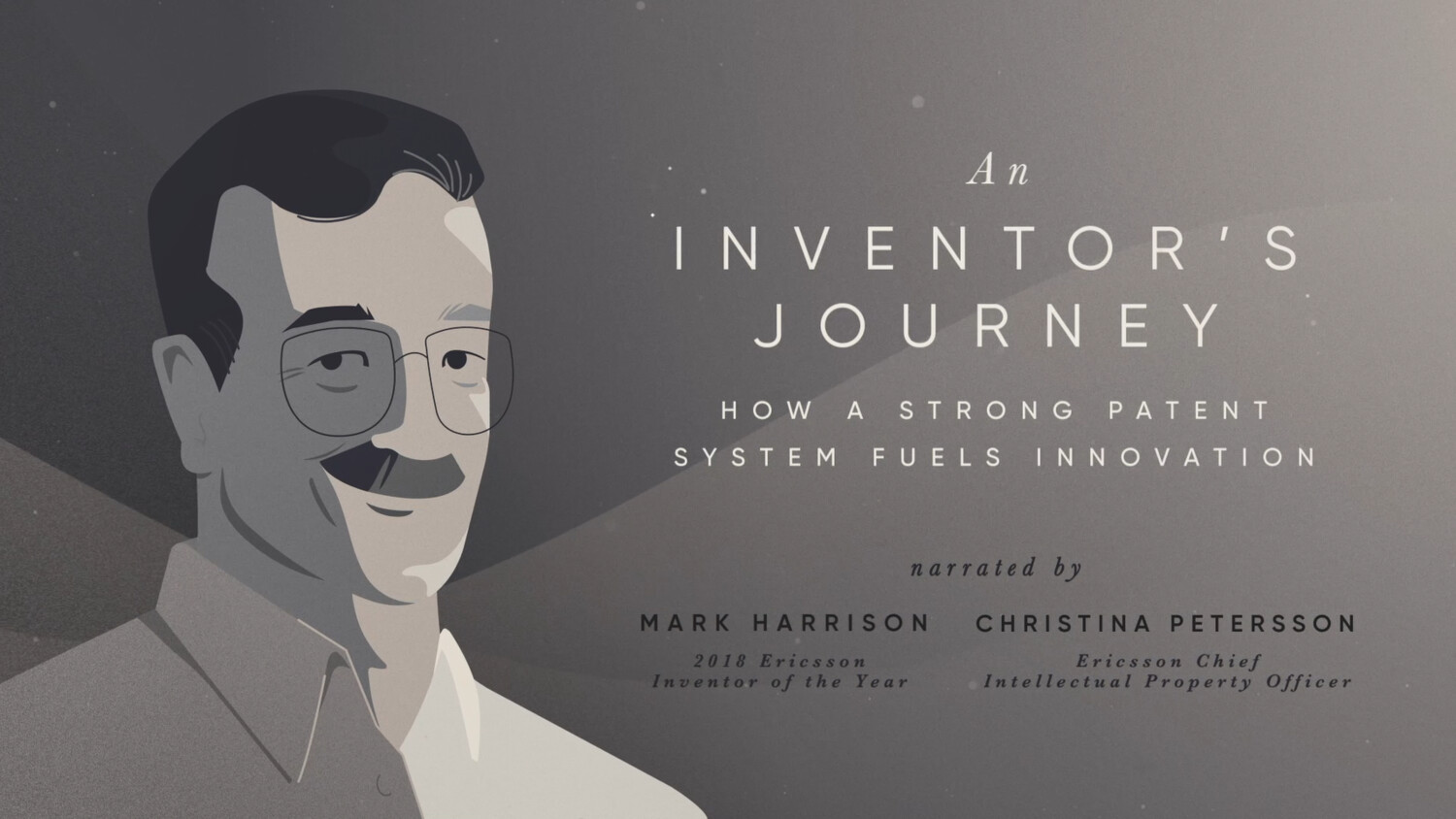
Disclosure #3: Patent declaration
In order for an SDO to ensure the standard that’s developed is accessible to users – and to balance the hope for broad adoption with a fair return to those who developed the standard – SDOs generally require participants to disclose whether they own patents that may be or might become essential to the practice of the standard. To the extent that such SEPs are or become essential, participants are asked to commit to license them on fair, reasonable and non-discriminatory (FRAND) terms.
FRAND declarations are contractual obligations between participants to the development of the standard and the SDO itself. A FRAND declaration allows an SDO to include a technical contribution that might be covered by patents and continue its work towards the definition of the standard. It also guarantees users that the developed standard will be accessible.
Commercial negotiations between parties fall outside the scope of SDO discussions and are left to the parties. Patent declarations, however, provide useful and transparent information to the industry and the SDO, for example who might own SEPs (and therefore who to negotiate with for a license agreement that allows for the use of those SEPs when implementing the standard).
“One man can be a crucial ingredient on a team, but one man cannot make a team” – Kareem Abdul-Jabbar
Conclusions
We have demonstrated how the telecom industry – especially when compared to other technology sectors and in particular to proprietary, closed solutions – has achieved a unique level of transparency and a steady transfer of knowledge. It has created competitive markets and has guaranteed and will continue guaranteeing great benefits for consumers and society as a whole.
As the history of civilization has taught us, innovation thrives in the sharing of knowledge. Open standards, coupled with a reliable patent system, have demonstrated high levels of efficiencies in achieving precisely that: a collaborative platform that has unlocked decades of economic and societal growth.
Learn more
Here’s why you shouldn’t believe everything you read about 5G patents.
Learn more about Ericsson’s IPR and licensing.