










Machine learning signature verification: How to enhance responsible sourcing with automated compliance

Data Scientist, Enterprise Automation & AI

AI Delivery Manager, Enterprise Automation & AI

Head of AI Business Enablement, Enterprise Automation & AI

VP and Head of Automation & AI

Data Scientist, Enterprise Automation & AI
AI Delivery Manager, Enterprise Automation & AI
Head of AI Business Enablement, Enterprise Automation & AI
VP and Head of Automation & AI
Data Scientist, Enterprise Automation & AI
AI Delivery Manager, Enterprise Automation & AI
Head of AI Business Enablement, Enterprise Automation & AI
VP and Head of Automation & AI
In the quest to reinforce an efficient and compliant approach to responsible sourcing across the company, leading AI experts and data scientists at Ericsson recently began to implement a novel machine-learning-based solution that is proving effective in:
- reducing the manual effort for audits by a substantial number of hours
- ensuring complete coverage for all contracts
- providing insights and suggesting proactive actions
- lowering the risk of incompliant contracts
Below, we’ll take you through those benefits from a responsible sourcing perspective and go deeper into our novel machine learning based solution.
The benefits of automating contract compliance
Let’s begin with the context: what are the benefits to solutions such as machine learning-based signature verification? To answer that, it helps to establish the scale of the challenges presented by traditional enterprise processes, such as compliance control of sourcing contracts in this instance.
Today, Ericsson secures the relevant software, services, and hardware from supplier partners across the globe covering the needs for all Ericsson units to cater to business needs. The sourcing team and specifically the sourcing contract managers sign contracts with various suppliers of varying operational scale, diverse geography and a wide range of legal terms and conditions. To warrant legal standing, these contracts need to be bilaterally agreed upon and signed by both the supplier and Ericsson power of attorneys to make it a legally compliant contract.
Ericsson’s sourcing team works with more than 40,000 suppliers culminating in 180,000 contracts worldwide in 170 countries.
While managing sourcing contracts of this mammoth scale and diversity, it can sometimes have unintentional gaps which in turn poses a major risk for Ericsson. In case of missing signatures, the contracts become invalid and have no legal standing. The impact of an undetected irregularity could lead to a breach of ethics, high financial sanctions, and a deterioration of the Ericsson brand reputation globally. To handle the risk of incompliant contracts, the sourcing team is highly proactive in carrying out periodic audits. As the audits are both a manual and resource-intensive effort, automation could help to substantially reduce the hours needed to conduct such audits (refer to Figure 1).
It is also crucial to guarantee comprehensive coverage and give the sourcing contract manager information about potential non-compliance so they can take early and preventive action. This is another benefit offered by our machine learning based solution, in that it not only helps to reduce reliance on manual efforts substantially, but also can provide full and uniform coverage and offer proactive insights of potential incompliance.
This clearly aligns to Ericsson’s focus area of Responsible Business and Digital inclusion, which includes a key strategic focus on Responsible Sourcing.
Responsible Sourcing Strategy mentions: "Managing the social, ethical, environmental and human rights impacts in our supply chain is part of our value chain approach to embedding corporate responsibility throughout our business. Build capacity for our suppliers to meet high standards in all of these areas is a fundamental part of our approach." The Sourcing contract compliance is one of the building blocks aligned to make the strategic vision a reality.
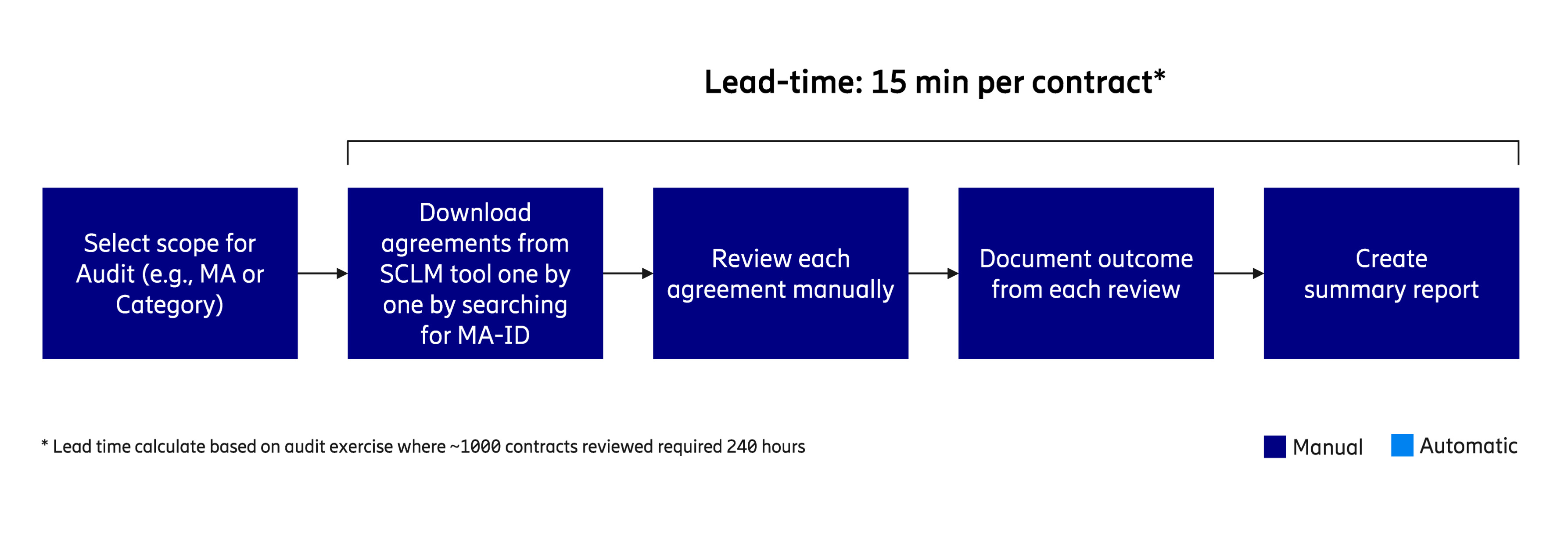
Figure 1: Manual steps behind Ericsson’s sourcing compliance process
Leveraging machine learning models to ensure continuous improvements in compliance
Identifying the most appropriate machine learning technique requires breaking down the business problem into the following components.
- Detection: Does the document contain any signature page?
- Verification: Is the document signed?
- Identification: Is the document signed by Ericsson power of attorney?
This is also visualized in figure 2 where the components of the problem are shown.
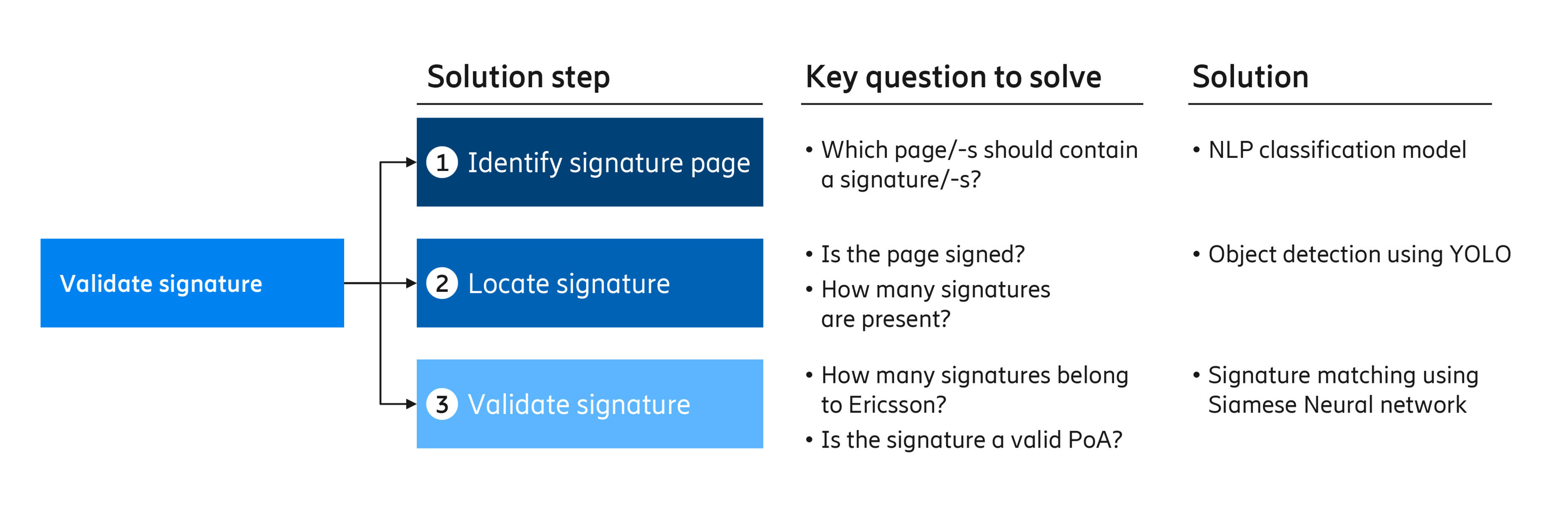
Figure 2: The various steps of the business challenge
Figure 3 illustrates the end-to-end automated solution. It incorporates multiple models to achieve the results, and we will now further delve deeper into each of the models and outcome.
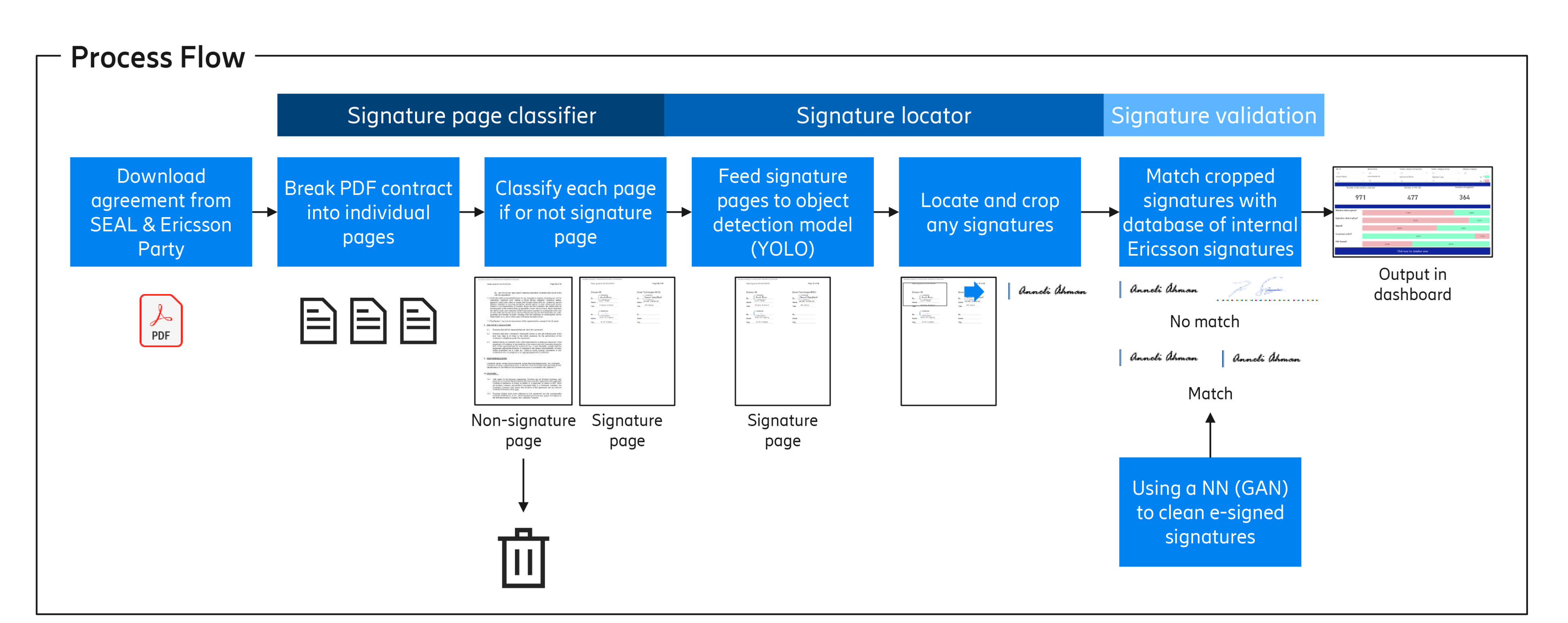
Figure 3: The Sourcing Signature Detection Solution overview
Step 1: Detection – identifying signature pages
To cover all terms and conditions, the contracts can consist of three to 150 pages. During the data analysis it was realized that the signature page usually has some common words which can be used to identify it as a page containing a signature.
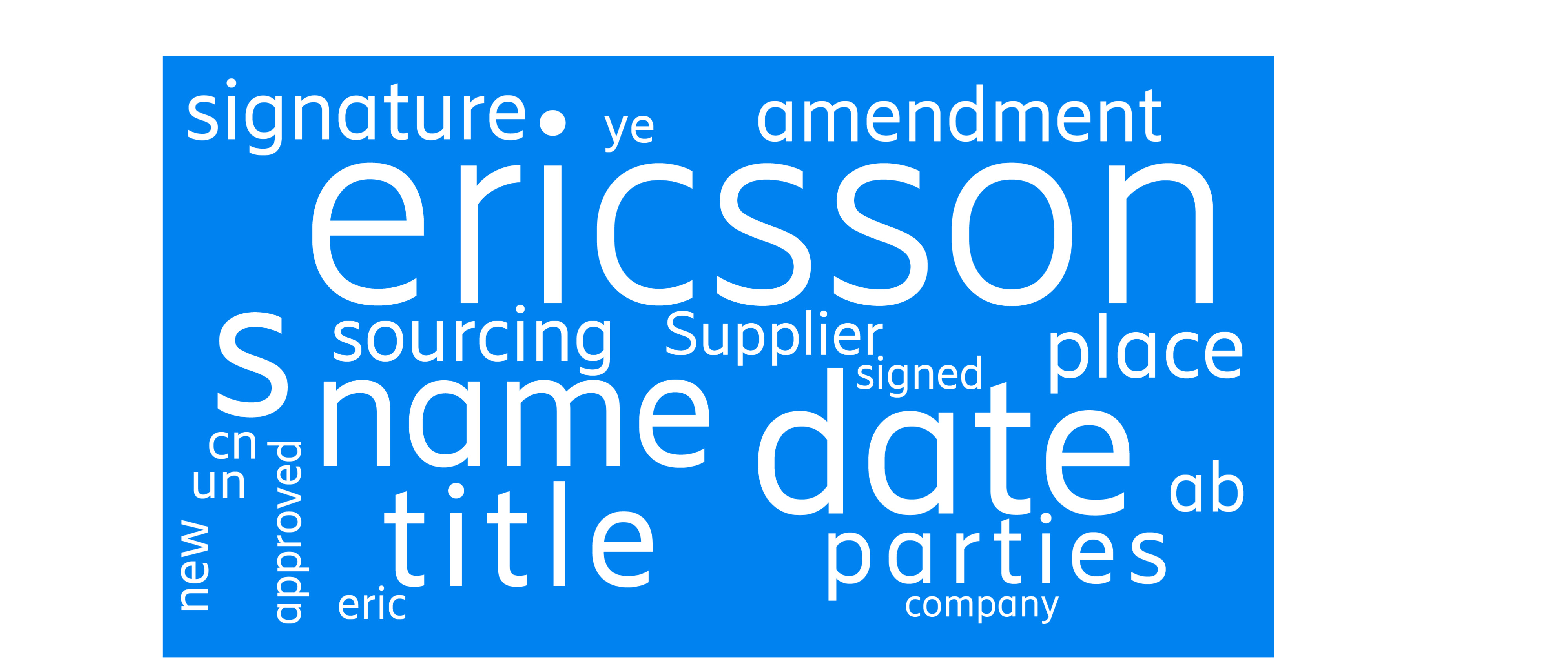
Figure 4: Common words in signature pages
Through natural language processing (NLP), a textual classification model based on machine learning techniques was used to identify a page as a signature page. Figure 4 shows the common key words which appear on signature pages.
Step 2: Verification - detecting signatures
The next step was to find the number of signatures and locate each signature on the page. To do this, we used YOLO, a family of pretrained object detection models, that gives us the exact location of the signature(s).
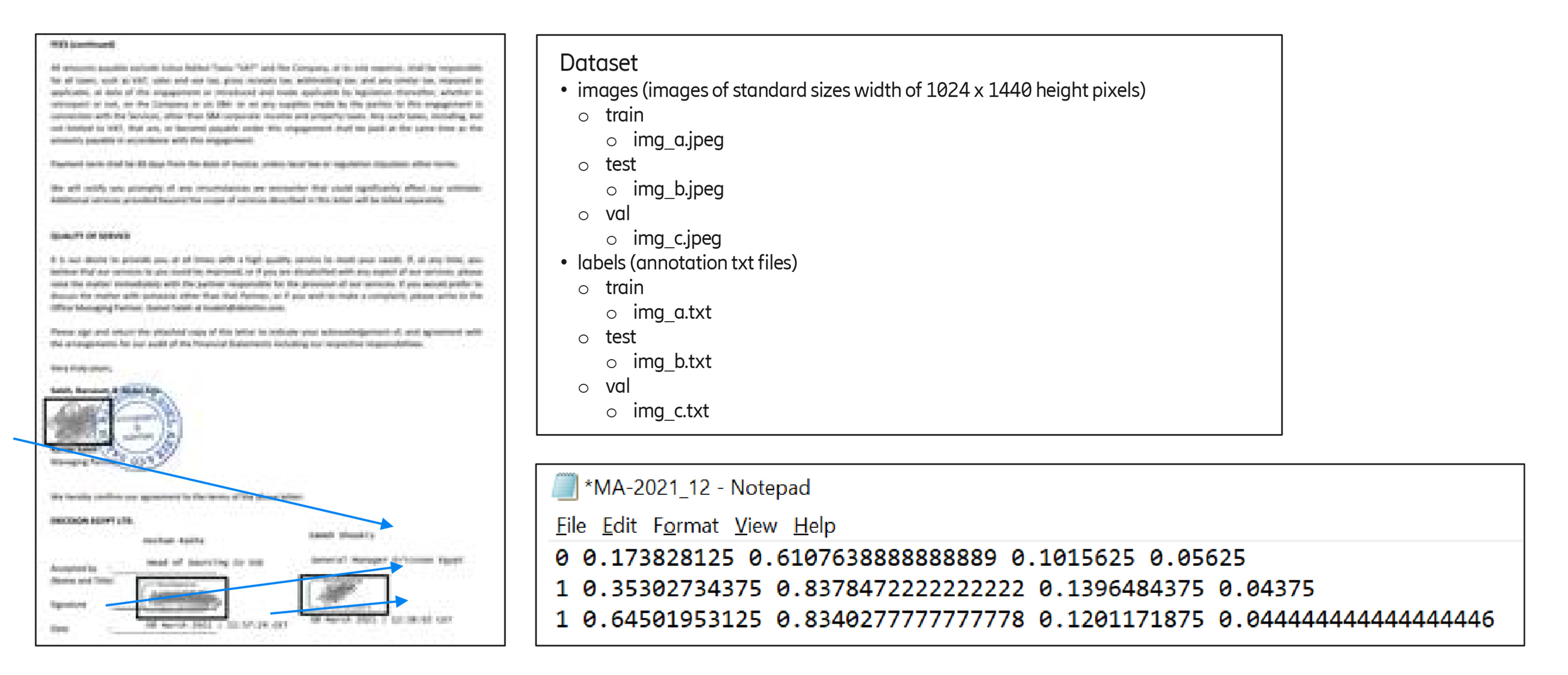
Figure 5: Sample input image
Figure 5 show the three signatures present in the contract page . The contract has three signatures, one manual and two digital. The outcome from the YOLO model is depicted in the lower right part of figure 5. It indicates the coordinates and the types of signature (0 – manual signatures and 1 – digital signatures).
Step 3: Identification – validating offline signatures
A person’s signature shows a high level of consistency and doesn’t change much from time to time. For this reason, we used a machine learning model that detects irregularities and at the same time could manage to catch forged signatures which are very similar in case of skilled forgeries. A Siamese neural network was used to train it to approximate the similarity function that outputs a score between 0 (similar) and 1 (different), see figure 6.
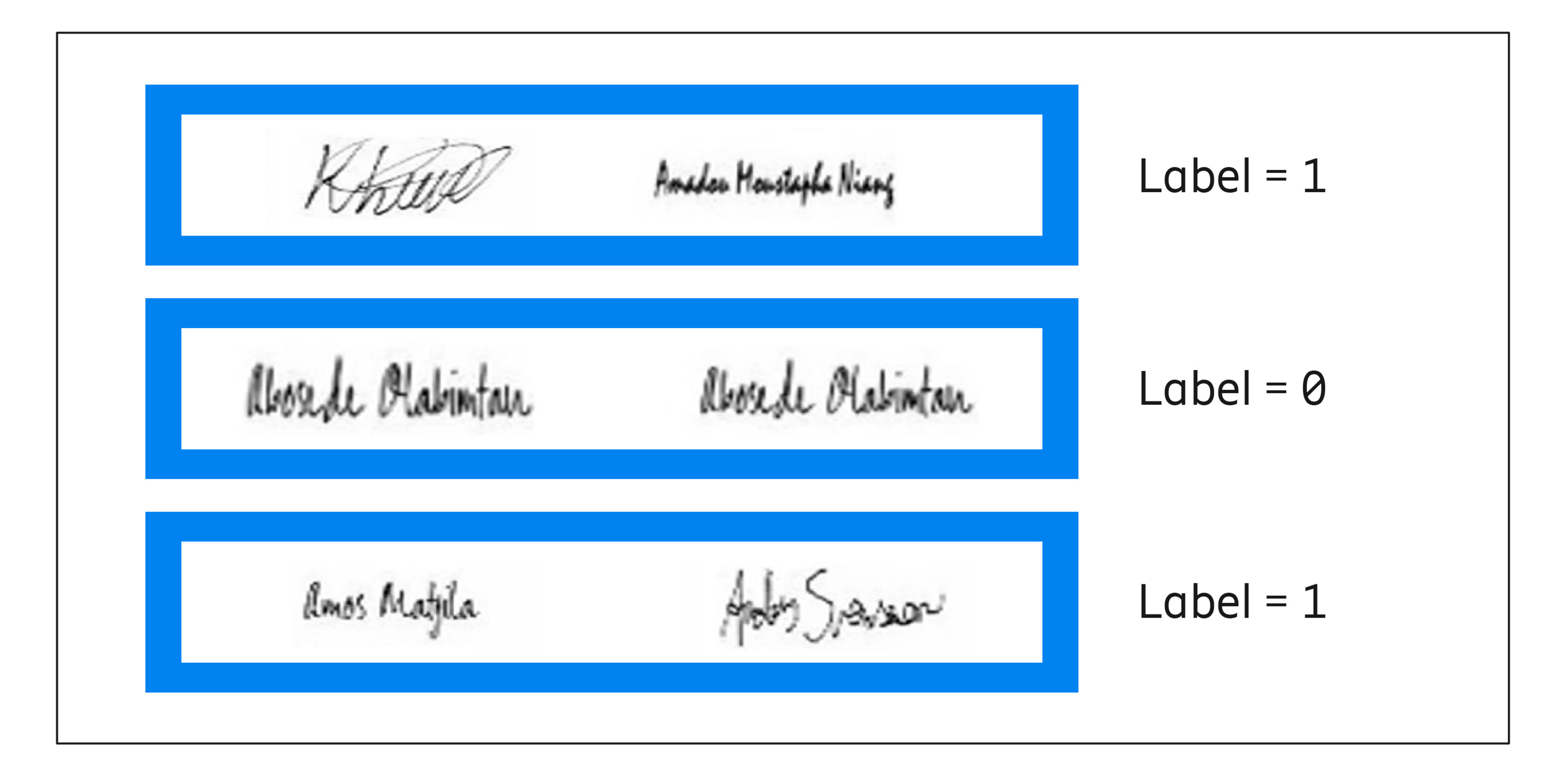
Figure 6: Example of similar (label = 0) and different (label = 1) pairs of signatures used for training the model.
Observations based on the training of machine learning models
We have shown that we can use machine learning to identify valid signatures in contracts and we have made a scalable solution that can be used anywhere where we have a sample of power of attorney signatures. As it is with training machine learning models, the more high-quality data we have, the more accurate the solution. It is therefore not surprising that it was easiest to find the signature pages in contracts written in English and contracts scanned in high quality.
The most difficult of all three tasks was to verify the signatures, and the highest success rate was in locating the signatures. Signature verification was successful for the most common signatures, but also showed satisfying results for the less common ones. The full model as shown in figure 3, with all three steps, showed an accuracy of 85 percent. This is a result that wouldn’t have been possible a few years back, but thanks to the development of neural networks, deep learning and its applications we can achieve these results today.
The bottomline
We believe that the application of machine learning models, coupled with a strong deployment strategy, can provide a much-needed foundation to enable a greater range of automation-based use cases with process improvement and standardization.
As we are doing this for sourcing, there is a high potential to harness the benefits of the solution across other enterprise units too – leading to minimal human intervention with stronger oversight across multiple business-critical processes.
Towards the future
In light of the growing volume of contract data being consumed by the solution, we are optimizing the models further to provide a reliable and comprehensive solution for sourcing contracts compliance. Considering the sensitivity of the contractual data and subsequent decision making, the next steps is exploring explainable AI solutions to cater to understandable, transparent, interpretable and trustworthy system.
Want to learn more?
Other areas of machine learning application in Ericsson include Network Predictive Planning, Anomaly Detection, Ticket Classification and Management, Generation of Bill of Material, Node Fault Prediction, Transport Management Freight Forecast, Inventory Optimization, Supply Planning, and many more. Learn more about these areas and other opportunities that await on Ericsson’s artificial intelligence page.