










An end to spam calls? How to stop a growing multi-billion-dollar industry?

Solution Marketing Manager
Solution Marketing Manager
Solution Marketing Manager
Everyone has experienced it. Those annoying callers that ring and disturb you often at the worst possible time. Most are innocent sales calls, but others are actual fraudulent callers that try to lure money from us, making many of us victims of scam calls. As a result, very few of us now dare to pick up a call when we see “unknown number” on our screen. Maybe it is an important call I should answer anyway?
Unfortunately, spam and scam calls increased during the global 2020-21 COVID-19 pandemic, with a sharp rise in fraudsters trying to lure people into buying non-existent medicines, vaccines and timeslots for vaccinations. Scam callers can often sound very professional when they call their victims, so it is easy for people to be tricked, especially when we are in a vulnerable situation with regards to our health and private finances, not to mention that of our families’.

Increase in scam and spam calls through the pandemic
Based on 2020-21 data collected by Hiya, a tech company which specializes in protecting people from spam and fraudulent calls, we can see some interesting insights and statistics. Overall, spam and fraud calls decreased significantly at the start of the pandemic. This decrease was likely due to the disruption caused by lockdowns — call centers closed, spammers were forced to work remotely, and many likely did not have the resources to resume high volumes of outbound calls. Hiya’s data showed a 35 percent decrease in spam and fraud calls from March to April 2020, marking the lowest monthly total for spam calls during the pandemic.
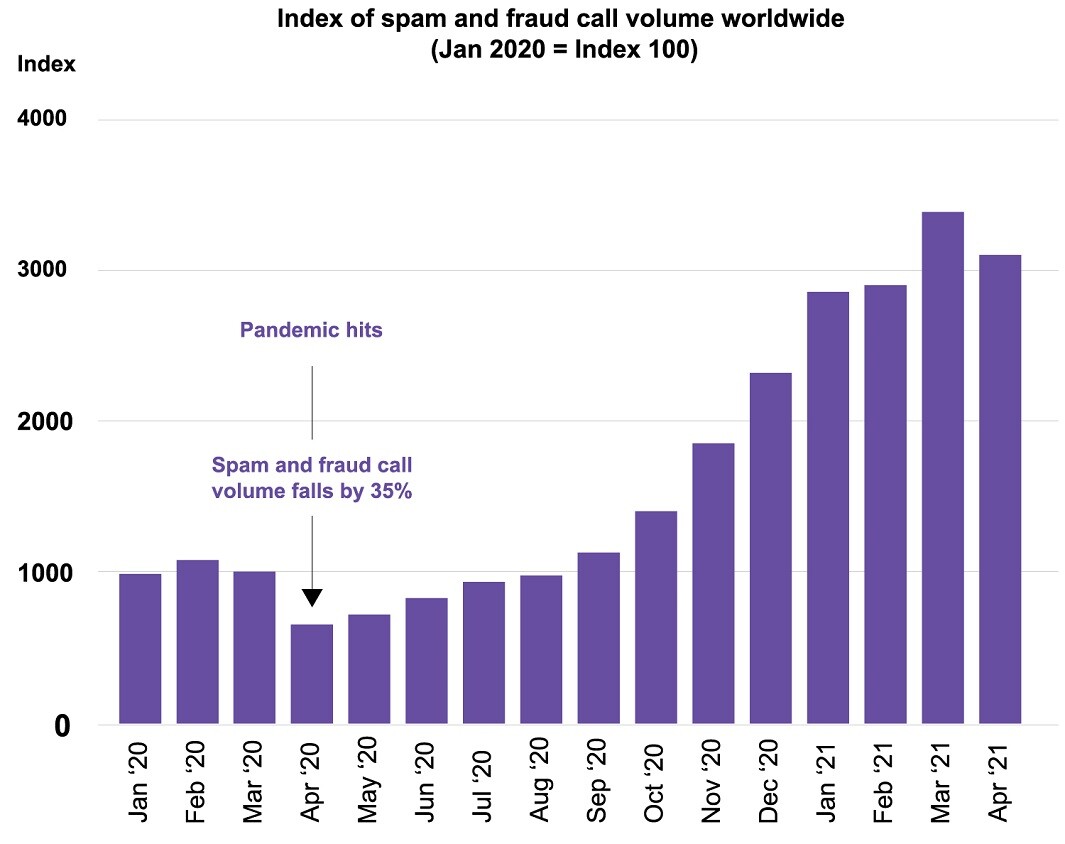
Fig 1: Spam and scam calls decreased significantly at the start of the COVID-19 pandemic (Source: Hiya.com)
Following the initial drop in April 2020, spam and scam calls gradually increased and by July 2020 had swiftly rebounded to pre-pandemic levels. As the economy reopened and large outbound callers resumed their operations, spam and fraud calls surged. Between November 2020 and April 2021, spam calls increased by 67 percent worldwide and fraud calls increased by 35 percent. When compared to the lowest baseline in the pandemic in April 2020, there was a 364 percent drastic increase in spam calls and a 327 percent increase in fraudulent calls over the following 12 month period.
One of the biggest frauds to emerge throughout this period was COVID-19-related frauds, including fraudsters selling fake vaccines and fake health insurance. Hiya also blocked scammers from stealing COVID-19-related government assistance, such as the stimulus check scam in the US where scammers attempted to steal money from Americans by impersonating government agencies or promising same-day deposits of the funds. These COVID-19-related scams originally spiked at the start of the pandemic with an 811 percent increase from February to March, 2020. Although COVID-19-related scams decreased from June to October 2020, March 2021 saw the most COVID-19-related scams of all-time, up approximately 7 percent on the previous year.
The most common COVID-19-related scam in 2021 was the vaccine scam where fraudsters attempted to sell fake vaccines, fake vaccination cards, and a promise of a non-existent vaccine appointment. These COVID-19 vaccine-related scams saw a significant growth in 2021, increasing by 208 percent in the first quarter of 2021.
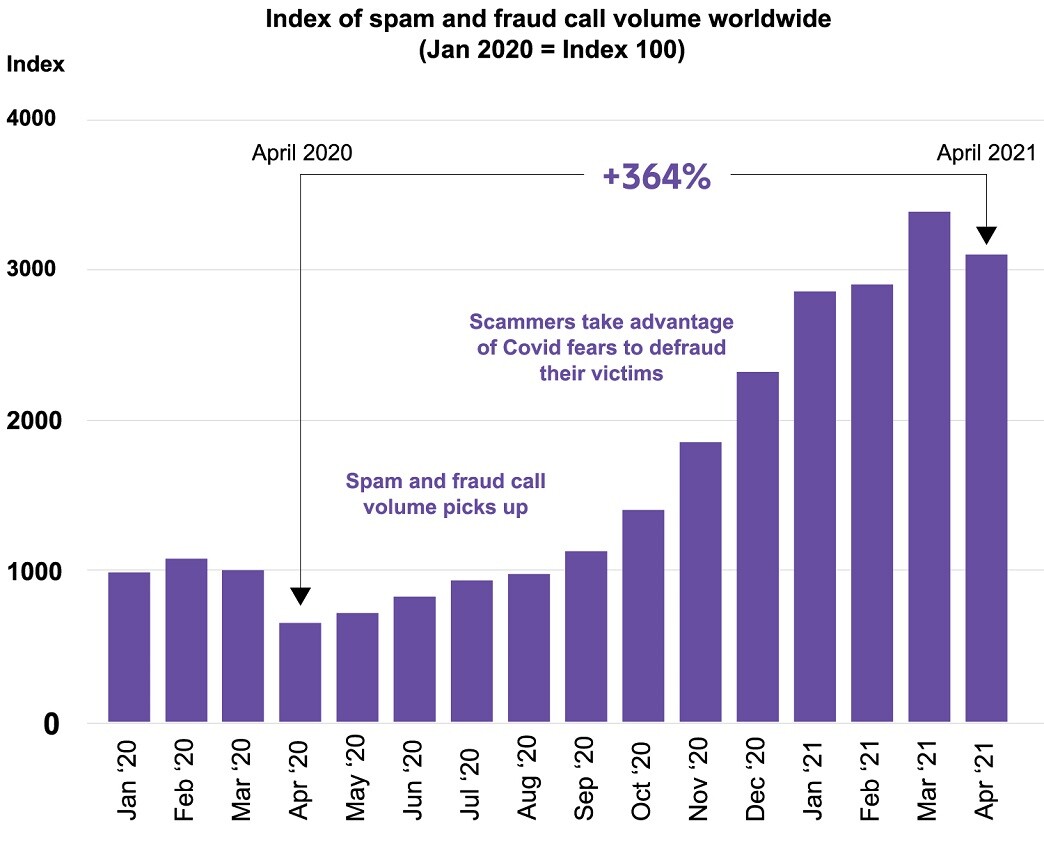
Fig 2. Spam calls surged during the COVID-19 pandemic. From April 2020 to April 2021 there was a 364 percent increase in spam calls and a 327 percent increase in fraud calls. (Source: Hiya.com)
While the US saw the highest volume of spam and scam calls, European countries quickly also became top targets — most likely due to lack of regulation and call protection services, making Europe a more vulnerable market than the US. In the UK, for example, there were a total of 6.6 billion reported fraud calls during 2021. This produced an average of 12 scam calls for each member of the population per month. The economic impact of such a significant rise hit people hard – with a reported average loss of 680.17 USD per subscriber.
Problems with existing spam and fraud call blocking solutions
So, how can phone users avoid getting spam calls?
There are different solutions developed on the market to block spam & fraud calls. Some solutions analyze spam & fraud calls when people call service providers to complain about certain phone numbers, and then the service provider blocks those specific phone numbers. Other solutions include a list of known spammers to block calls. The list is often produced by regulatory authorities and has its flaws in that the list contents are not updated as frequently as needed.
One of the latest, most common solutions is that a smartphone user downloads an app to their phone allowing them to block numbers they themselves identify as spam. The app-based solution, however, has several problems, such as:
- the spammer can negate the filter by changing the originating number
- the app must be regularly updated and may be too slow to respond to spammers' developing tactics
- checking the database can add latency to incoming calls
- there is no standardized service level across the whole network
The combination of these factors makes it cumbersome for individual users to get rid of spam and fraud calls.
Communication service providers can now block spam and fraud calls directly in the network
Of course, probably the easiest and most effective way would be to block a spam call already in the service provider network, so the individual users do not have to see or worry about call blocking alternatives. This network-based solution would identify suspicious behavior based on a lot of spam calls and the spammers’ tactics, and prevent callers identified as spam & fraud from reaching the subscriber's phone directly in the network.
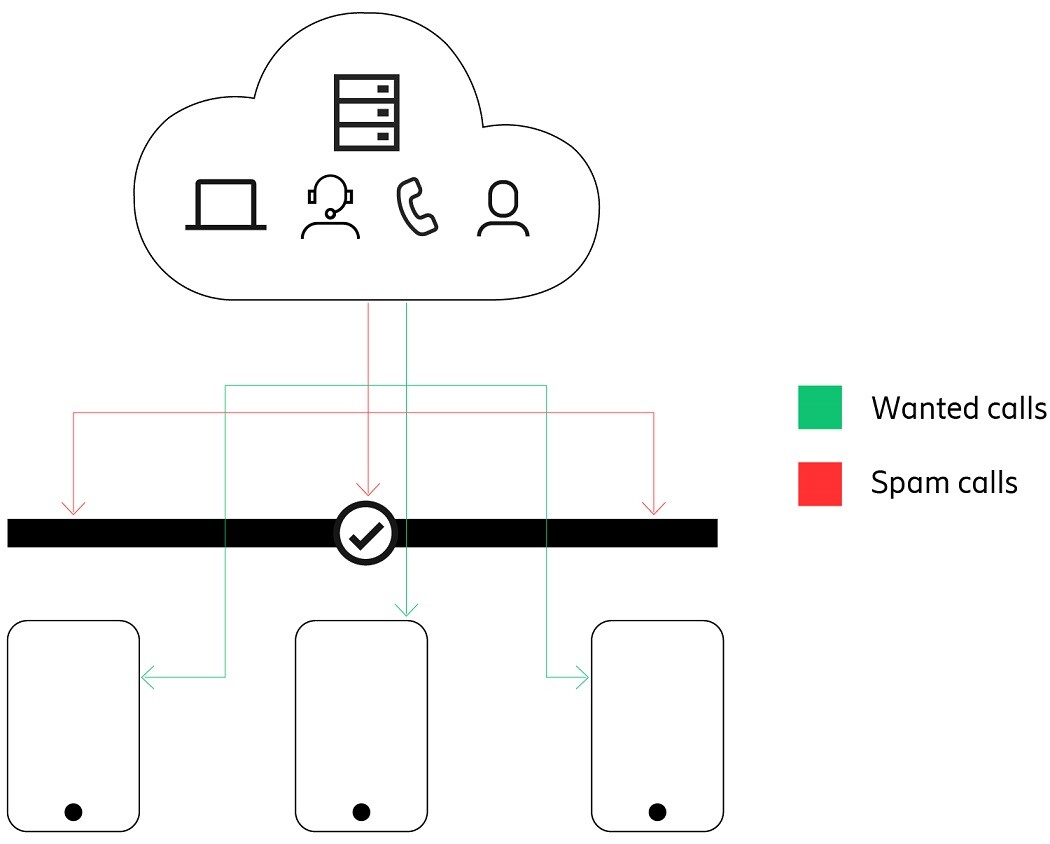
Fig 3. Block spam calls directly in the network so these never reach the users’ phones
But here comes the crucial question: how can a network know which calls it should block and which ones it should let through? This is where the intelligence comes in with phone call analysis systems.
Ericsson has collaborated with Hiya to develop a solution that blocks spam & fraud calls directly in the network’s IP multimedia subsystem (IMS), the part of the network which enables mobile 4G and 5G voice calls. It is built on new software in the Ericsson Multimedia Telephony Application Server (MTAS). For voice calls which take place over 2G and 3G networks, spam calls can be blocked via the Ericsson Mobile Switching solution.
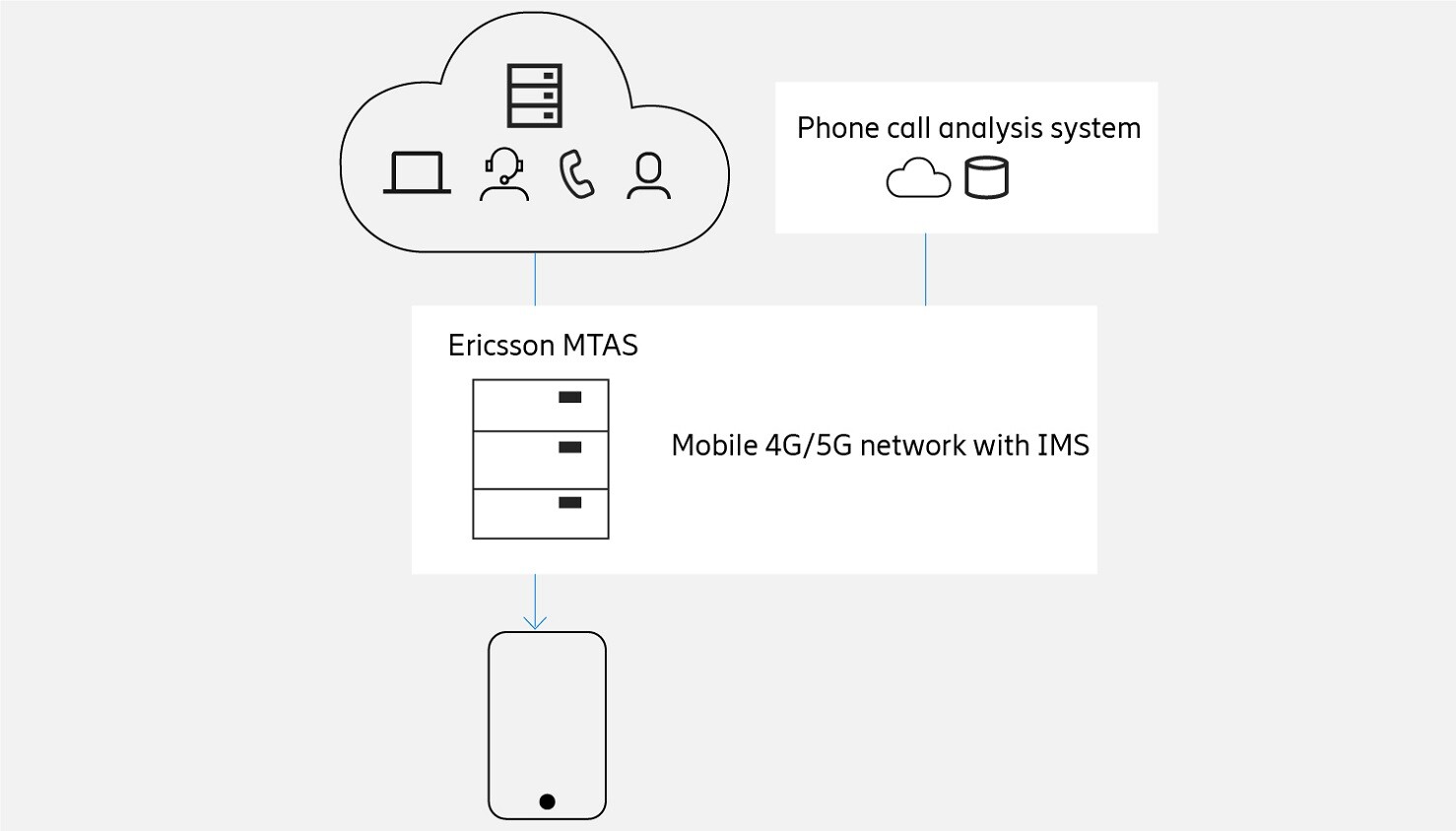
Fig 4. High level overview of Ericsson’s Call Qualification solution
The Hiya cloud-based analysis system performs real-time sequencing of existing and new data, which means it can determine whether a call is wanted or unwanted within milliseconds. To do this, it uses public and proprietary data sources, including insights from the Hiya network, and builds on continuously-learning trust models that screen every call.
So, does this make it possible to block all spam calls? Well, yes and no. You can of course block all calls that come from unknown phone numbers, but sometimes mobile users still need to be reached by people who they have not talked to before, for example the local plumber or the specialist doctor. So, there is a balance to block as many nuisance calls as possible, but also allow calls which users do want to answer. As fraudsters and criminals are always trying to invent new ways to trick people and get around new spam blocking technologies, the intelligence in the system must therefore be able to adapt quickly.
It is of course a big relief to most people if already 50 percent of all spam calls are blocked, and 75 percent is not unrealistic. But it is also important to remember that setting the network or your personal phone profile to block 100 percent of unknown calls is probably not a good idea as you may block calls you want to receive.
With problems, new business opportunities arise
Often when we encounter a new problem, we spend most of our time immediately trying to solve it. Therein lies opportunities for new technologies and even new business. If we start working a bit more on the technology of blocking of “unknown numbers”, we realize that there are also opportunities to evolve what is displayed on our incoming call screen. For example, instead of displaying a generic text string, we can develop a solution which presents detailed information about who the actual “unknown” caller is.
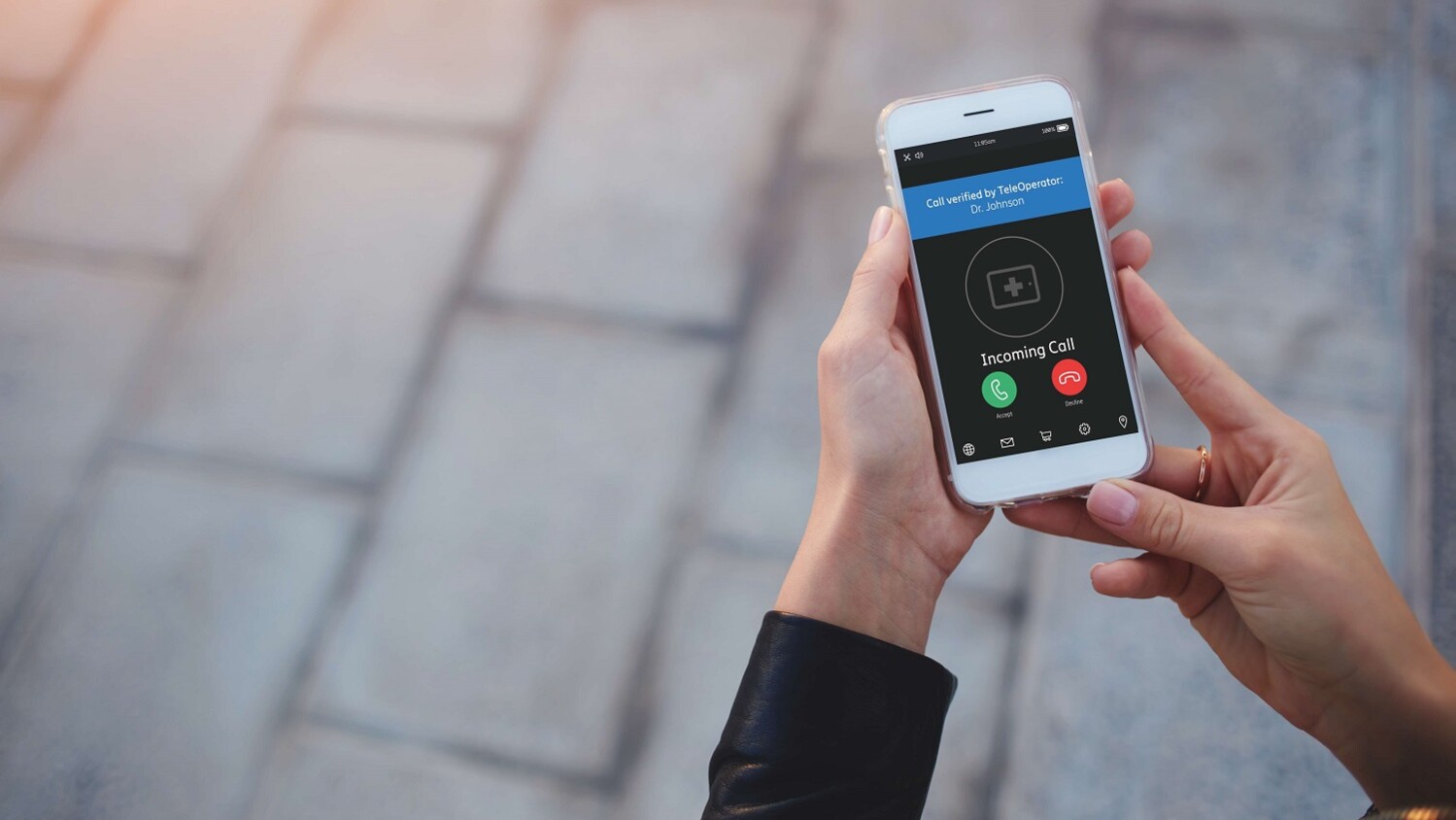
For service providers this potentially means that they can offer and up-sell a service with “verified numbers” to businesses, enterprises and different government organizations. By seeing the company or government name on the incoming call screen, along with a certified “stamp” that the phone number belongs to the company which is calling, can make the user or business feel much more assured and likely to connect with the caller.
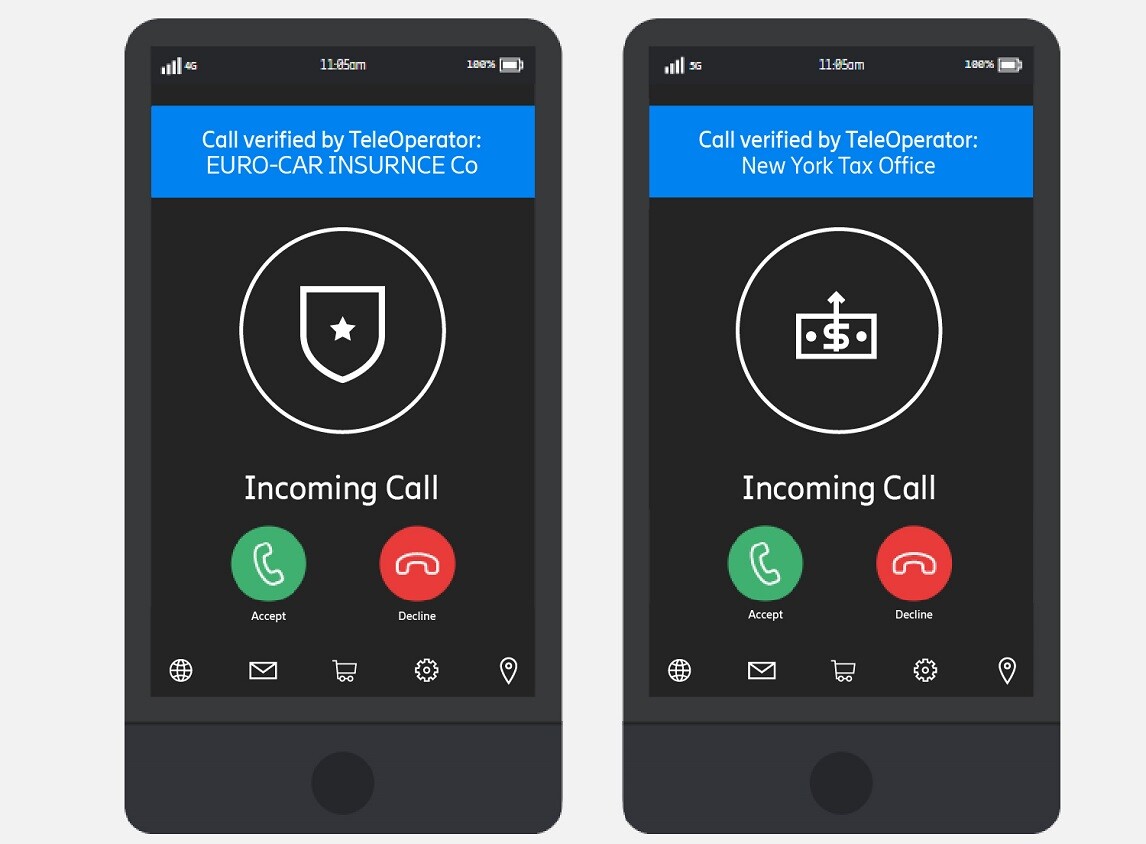
Fig 5: Example of how a verified call could look on the incoming call screen. Another potential option could be to display company logos.
Such a service could save a lot of time and wasted money for serious businesses and government agencies that try to get in touch with their existing and prospective customers or citizens via phone calls that are suspected to be spam and thus go unanswered. Let’s remember that most consumers want to be contacted via phone calls for important matters.
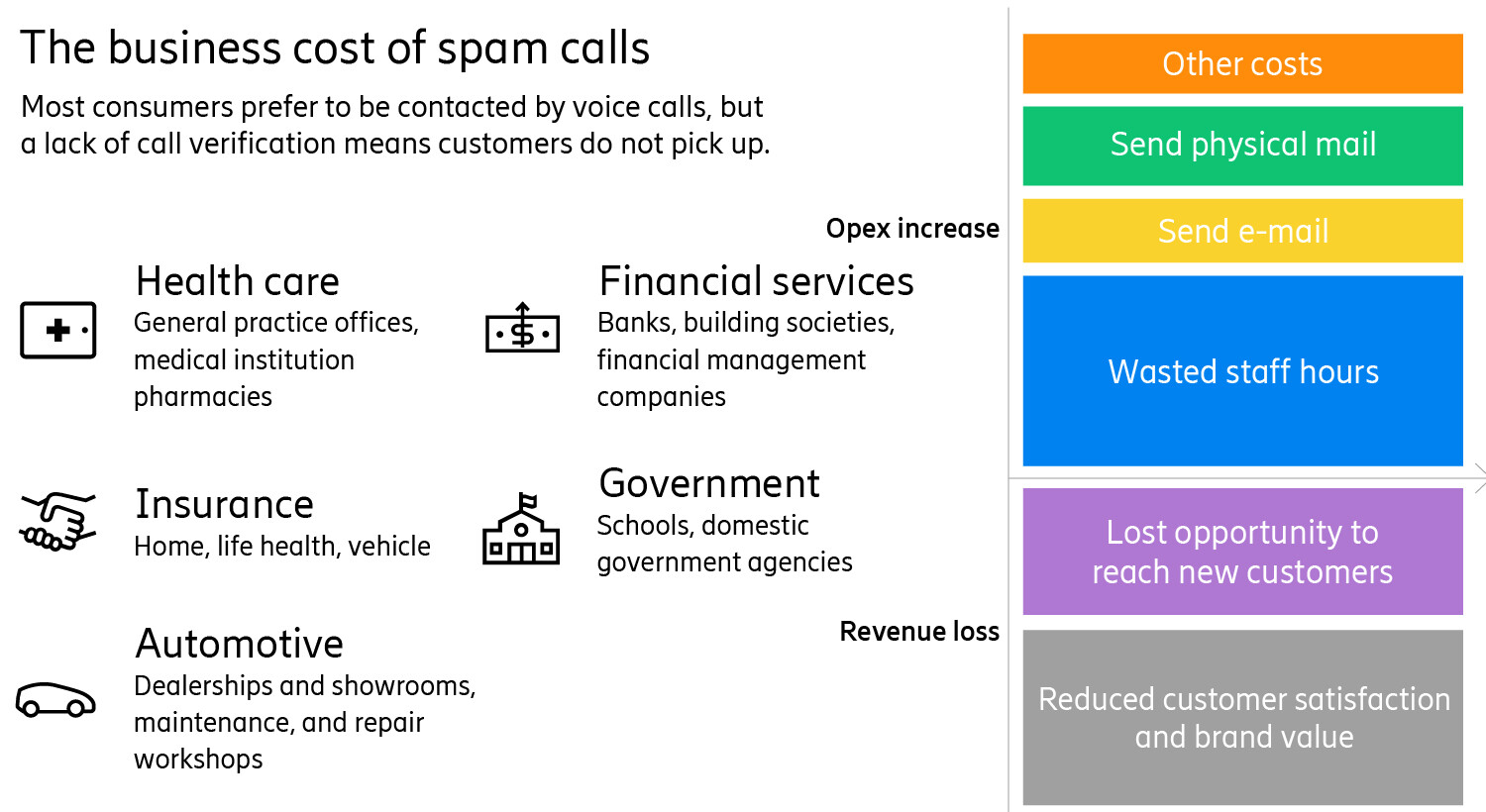
Fig 6: Examples of the business costs of spam calls for different businesses and government agencies
Blocking spam calls offers many benefits to consumers, such as bringing more piece of mind, less frustration and less wasted time. Businesses and governments will benefit from an increased probability of customers picking up the phone, reduced operating costs and additional trust and brand value.
The time has come to stop this multi-billion-dollar spam and scam industry once and for all. The most effective way we can do that, I believe, is to stop spam calls directly in the network with new intelligent technology.
Learn more
In January 2023, BT Group and EE announced it had selected Hiya and Ericsson for spam and fraud call protection in the UK. Full details are on the Hiya website here.
Find out how other 4G and 5G mobile voice services are bringing new value to users and increasing service provider revenues
Press release: Ericsson and Hiya aim to make spam and fraud calls a thing of the past