










Ericsson experience recap: People, purpose and progress
-
A HerKey session brought Ericsson leaders together to talk about people, purpose and progress and what they look like inside the company today.
-
This blog captures the key questions and answers from that conversation, covering growth, inclusion, technology and the future of work.

Talent Marketing Specialist, India
Talent Marketing Specialist, India
Talent Marketing Specialist, India
At a recent session with HerKey, India’s largest career engagement platform for women, Ericsson leaders Abhishek Kumar, Head of People for GSC and EGI, and Vandana Bhatnagar, Head of Talent Management for EGI, talked about what people, purpose and progress look like inside a company that has shaped global communication for more than a century.
They spoke about Ericsson’s evolution from a near 150 year old telecom pioneer to a modern technology and connectivity leader that supports networks in more than 180 countries, powering everything from 5G and 6G research to sustainable and energy-efficient systems.
What followed was a candid Q&A that touched on many of the topics external talent is most curious about. Here are the highlights.
What Ericsson stands for today
Q: Beyond being known as a long-standing telecom leader, what does Ericsson actually stand for today in terms of technology, purpose and the kind of impact it wants to create?
Abhishek:
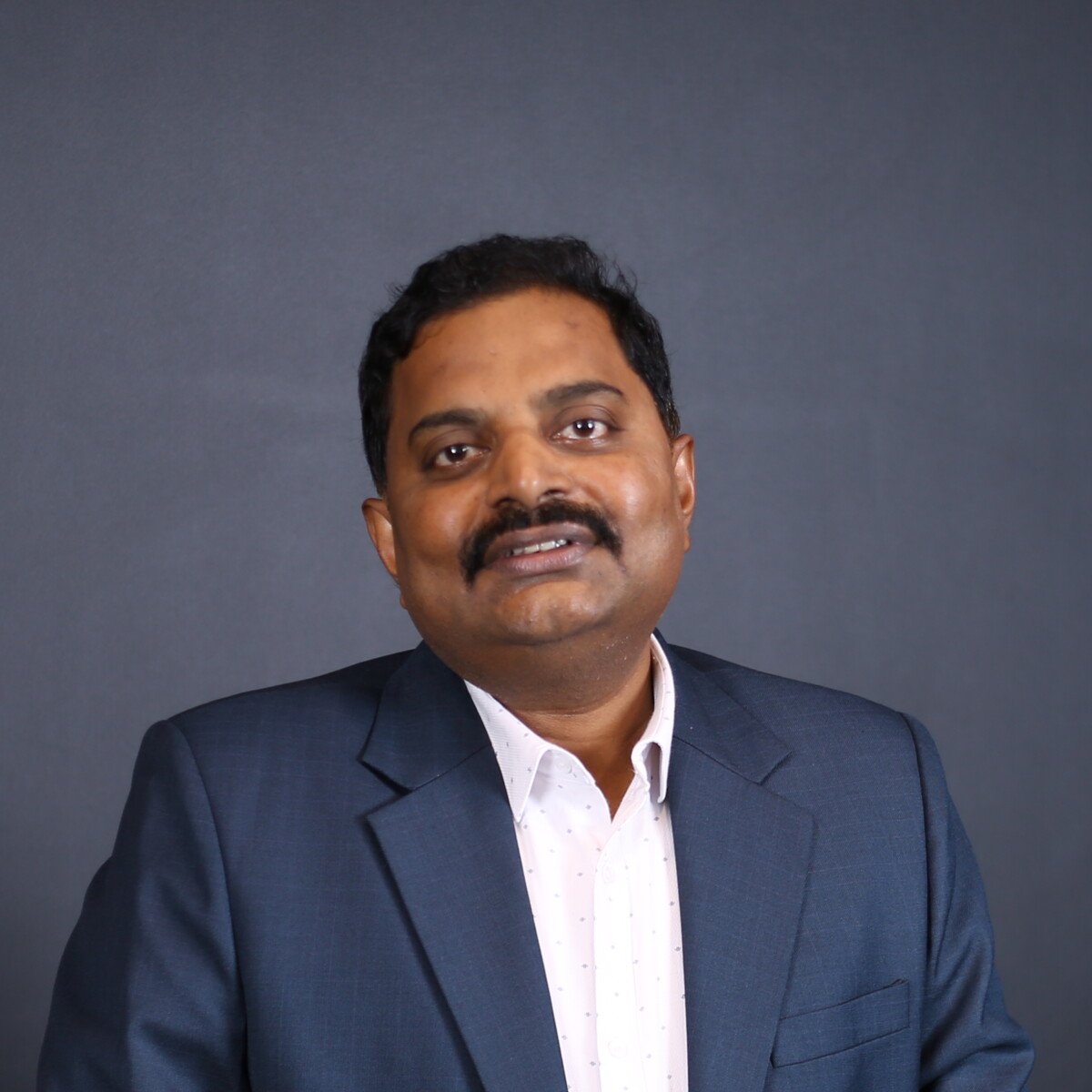
“Today, we go far beyond traditional telecom. If data was once the ‘new oil,’ now connectivity is the new oil, not just connecting people, but enabling sustainable, meaningful connections for individuals, communities and businesses.
We’ve evolved from basic SMS to 5G, AI and ML-driven solutions, and open platforms like Open RAN, where third parties can use our networks and APIs. For example, a food delivery company can tap into our open APIs to send large volumes of notifications efficiently.
We’re also committed to sustainable networks that use less energy, reduce emissions and are more climate friendly.
In short, we’re no longer just a telecom company. We’re building a purposeful, sustainable, ecosystem-driven connectivity platform for others to innovate on.”
Ericsson’s approach to AI
Q: With the rise of Agentic and Generative AI, how is Ericsson approaching this shift and what does it mean for the future of work?
Abhishek:
“AI has existed for years, but the rise of Generative and Agentic AI has accelerated real-world impact. Think of it in three layers: the core AI models, the applications built on them, and customization for specific use cases.
Right now, Agentic AI is the quickest value driver, especially for repetitive, high-volume tasks. It offers the fastest ROI by automating routine work and supporting better decision-making.
Across Ericsson, every business unit is focused on:
- Embedding Agentic AI into processes and systems
- Applying it in customer lifecycle management
- Integrating it into support functions
So, from sales to customer experience, from network operations to support functions, we all have targets to improve and implement AI-driven solutions.
As a technology company, we’re actively reimagining and re-architecting many processes with AI. The roadmap is extensive and it opens significant career opportunities for those who join us on this transformation journey.”
What job seekers should know
Q: When professionals consider applying to Ericsson, what are the three things they should pay attention to before choosing any company?
Abhishek:
“When choosing any company, Ericsson or otherwise, focus on three things:
- Culture and organizational health
How the company treats its people matters deeply. - Growth prospects
Look at its investments in the future. At Ericsson, we invest 18 to 20 percent of revenue into R&D. In India, with 22,000 employees, 99.99 percent have participated in learning or upskilling programs. - Career growth and mobility
Our average tenure is about six years, and 22 percent of employees experienced a job rotation last year. Of all roles hired, 62 percent were filled internally. This builds careers, reduces attrition and creates long-term growth.
So, don’t choose a company only for salary. Look at culture, organizational health and whether you can grow meaningfully over four to five years. That’s why we invest heavily in continuous upskilling. Technology and talent development must evolve together.
My advice: if you see a clear career path, it’s the right place. If not, reconsider.”
Enabling career growth for all
Q: Whether it’s early-career talent or experienced professionals, how do you ensure every employee sees a clear path forward for growth at Ericsson?
Vandana:
“We believe growth is personal. Every individual has unique aspirations and when our people grow, we grow. To support this, we focus on several structured enablers:
-
Internal mobility and diverse opportunities
Employees get access to internal job postings, global assignments, leadership development programs, technical learning and on-demand digital courses. -
Career Hub and Project Marketplace
Career Hub acts like an internal LinkedIn where employees create profiles and the system recommends roles, learning and relevant projects.
Project Marketplace lets employees take on stretch assignments to build new skills or explore different domains. -
Personalized learning through Degreed
Degreed helps employees identify and close skill gaps by tailoring learning paths that prepare them for future roles. -
Structured career conversations
Career discussions are built into our performance cycle so managers and employees talk about aspirations, timelines, required skills and the support needed. These conversations continue throughout the year.
Together, these systems and cultural practices ensure that whether someone is just starting out or is a seasoned professional, they can see, plan and walk a clear path toward their career goals.”

Inclusion in everyday reality
Q: Inclusion is a big part of Ericsson’s culture. What does it look like in day-to-day reality, beyond formal commitments?
Vandana:
“For us, inclusion is not a statement. It’s what people experience every day. And when we talk about diversity, we look far beyond gender. It includes gender, generations, cross-cultural backgrounds, LGBTQ+ identities, disability, neurodiversity and diversity of thought.
In practical terms, inclusion shows up through everyday actions and support systems such as:
-
Regular dialogues on gender, generational diversity, disability inclusion, LGBTQ+ topics and neurodiversity.
-
Employee Resource Groups that offer community, allyship and peer support.
-
Manager training on unconscious bias, microaggressions and inclusive leadership.
-
Support for life transitions like maternity programs, return-to-work pathways and second-career opportunities.
All of this reinforces a simple truth: when people feel seen, heard and supported, they engage more deeply, stay longer and grow with the organization.”
Final advice from the leaders
Q: If there’s one takeaway you want professionals to remember from this discussion, what would it be?
Abhishek:
“You are the CEO of your own career. Upskill yourself, stay focused and keep looking ahead rather than backwards.”
Vandana:
“I’d say constantly sharpen your saw. At Ericsson, we have a high-performance culture and we believe high-performing employees are engaged employees, and engaged employees are high-performing employees.”
Closing thoughts
For anyone exploring life at Ericsson, this session brought together honest reflections on growth, inclusion, leadership, technology and the future of work. From sustainable connectivity to the rise of Agentic AI, from career mobility to everyday inclusion, the message was clear: we’re building a workplace where people can grow with purpose.
If you’re looking for a company that invests in learning, values diverse perspectives and gives you the space to build a meaningful, future-ready career, we’d be glad to have you as part of this journey.
Explore our open opportunities today.