







Where innovation meets care: Ericsson’s long commitment to employee well-being
- Ericsson has a long-standing commitment to employee care, dating back to in-house healthcare in 1891, and that heritage continues today through a culture focused on health, safety and well-being.
- Ericsson’s people-first culture with its innovation legacy, using Bluetooth and walking meetings as a memorable example of how technology supports healthier, more flexible ways of working.
Global Well-being Specialist
Global Well-being Specialist
Global Well-being Specialist
At Ericsson, innovation has always started with people. For nearly 150 years, the company has helped shape the way the world connects, but behind every breakthrough are the people who make it possible. That is why health, safety and well-being are not side topics at Ericsson. They are part of how we work, lead and grow together.
World Spine Day, marked on 16 October under the theme “Spine Health for Life,” is a timely reminder of something Ericsson has believed for generations: people should be able to do meaningful work while staying safe, healthy and well.
Whether employees are working in offices, factories, labs or out in the field, the ambition is the same; to create a workplace where people feel supported, trusted and encouraged to care for themselves and one another.
A tradition of care that goes back generations
Long before workplace well-being became a familiar phrase, Ericsson was already investing in the health of its people. By 1891, the company provided in-house healthcare for employees and their families, a remarkable commitment at a time when such support was far from common.
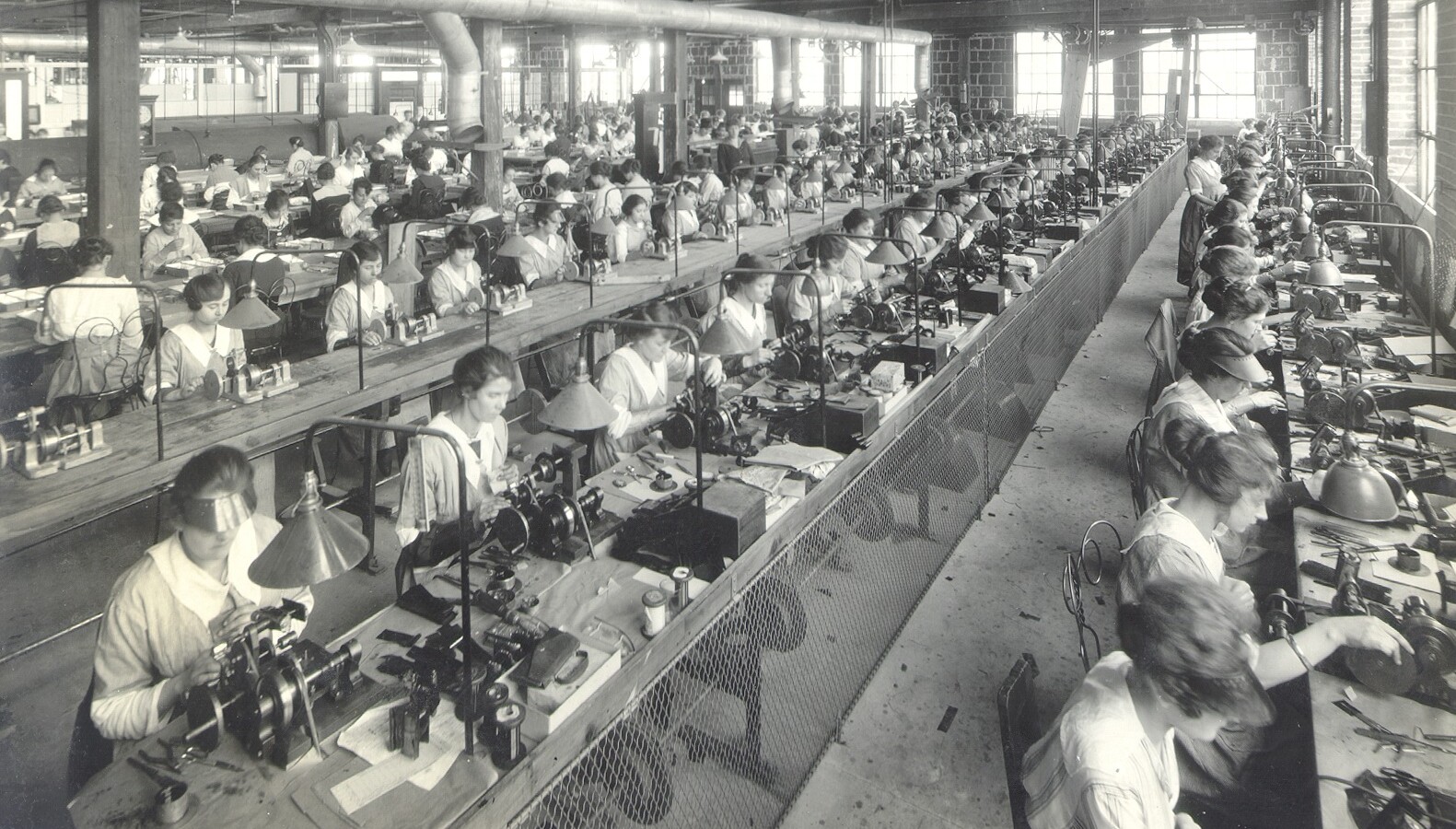
General Armature Winding Department, Buffalo, USA, 1910s.
Under founder Lars Magnus Ericsson, free medical care was more than an employee benefit. It reflected a belief that people matter, not only for what they do, but for who they are. In 1917, Ericsson opened a sick ward on its premises, staffed by a nurse, a doctor and, eventually, a physiotherapist. As the company grew, this early care developed into broader occupational health support.
That heritage still matters today. Ericsson’s approach to health, safety and well-being is rooted in the same idea: when people feel safe and supported, they can do their best work and help build the future.
Health, safety and well-being in everyday work
Today, Ericsson employees work in many different environments and roles, from technology development and operations to manufacturing, customer sites and office-based collaboration. Each setting brings different demands, which is why care needs to be practical, visible and part of daily work.
For World Spine Day, the focus is musculoskeletal health, the health of our muscles, joints and spine. It is a theme that connects closely to how people work: how they move, sit, lift, use tools, take breaks and listen to their bodies.
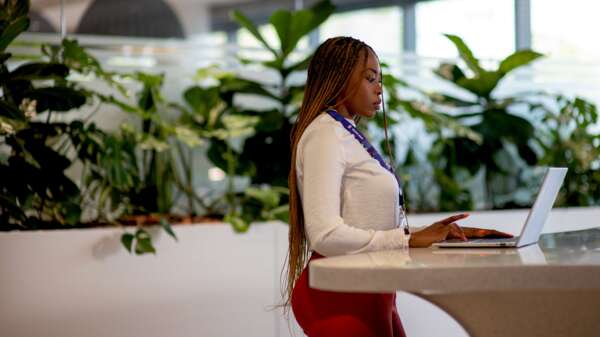
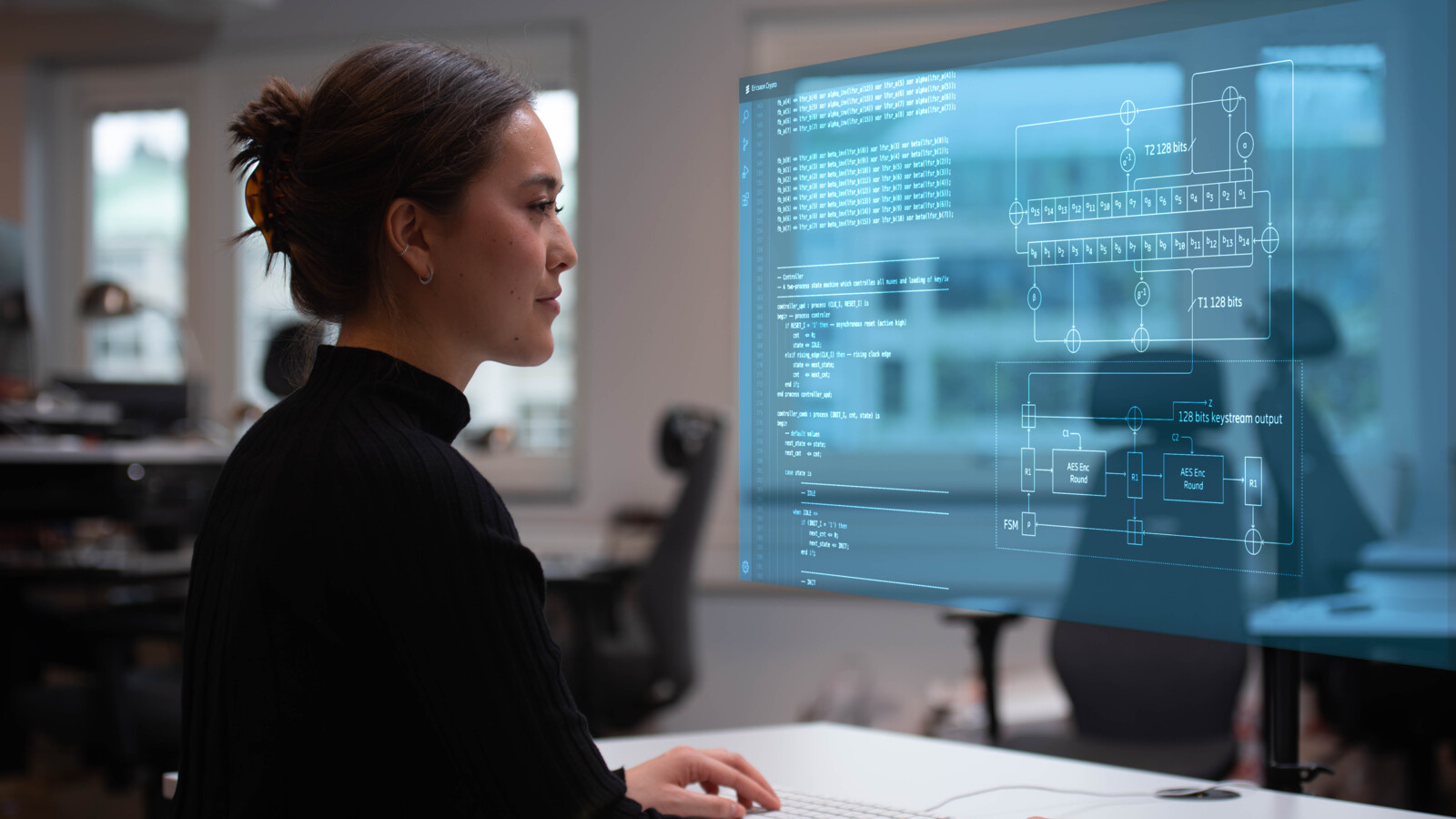
Woman at a standing desk in the Kista office.
At Ericsson, this is part of Target Zero – a future where no one is harmed, physically or mentally, and a broader culture of prevention and care. It means planning work thoughtfully, encouraging people to speak up when something does not feel right, and creating space for healthier habits during the working day.
A Bluetooth twist on healthier workdays
There is also a more playful Ericsson connection to the idea of moving more at work: Bluetooth.
Ericsson played an important role in the development of Bluetooth technology, now used by billions of people around the world. And while Bluetooth was not created for walking meetings, it is easy to appreciate the connection: a simple wireless headset can help turn a phone call into a walk, a routine check-in into a moment of movement, or a busy day into something just a little healthier.

Employee using Bluetooth earphones to have a phone call.
It is a small example of something bigger. At its best, technology should help people live and work better. At Ericsson, that belief connects innovation with care, from global connectivity solutions to the everyday habits that support well-being.
Small moments that show a bigger culture
Well-being is shaped by policies and programmes, but also by the everyday choices we make. We encourage teams and individuals to make movement and other healthy practices a natural part of the working day.
Care Moments help bring this idea to life. They might include a short stretch between meetings, a mindful pause, a safer way to complete a task, or a walking meeting that combines collaboration with movement. These small actions can contribute to a healthier workday.
That culture matters, not only for safety, but for creativity, collaboration and belonging. When people feel that their well-being matters, they are better able to contribute, grow and do work they can be proud of.
As Ericsson continues to shape the future of connectivity, its long-standing commitment to people remain just as important as its technology. From early employee healthcare to the Bluetooth-enabled walking meeting, the message is the same: innovation and care belong together.
Making well-being part of the working day
Sometimes, that care starts with something as simple as paying attention to how we work.
For those of us who spend much of the day at a desk, small habits around movement, posture and breaks can make a difference to how we feel throughout the working day.
In the video below, Deepak Dulloo, Service Delivery Manager at Ericsson, shares his own experience with musculoskeletal health, what he has learned along the way and some of the habits that help him look after his well-being while working at a desk.
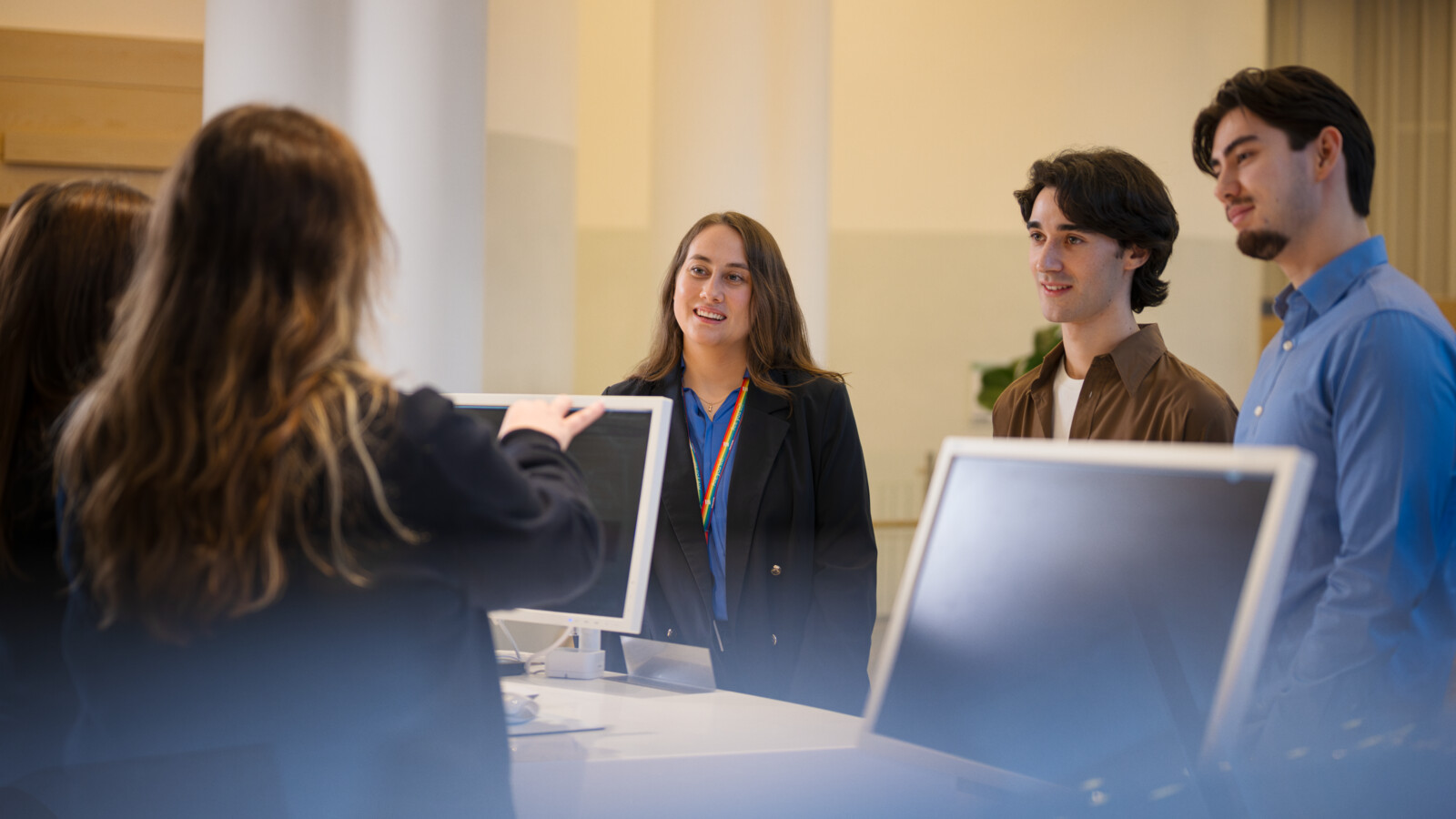
Deepak Dulloo, Service Delivery Manager at Ericsson, shares his experience of musculoskeletal health in desk-based work.
Interested in a career at Ericsson?
Want to work somewhere where health, safety and well-being are part of how we work? Explore opportunities at Ericsson on our jobs page.