Skip navigation
Previous searches
    Suggested searches
      Train running through the woods

      Ericsson and DB InfraGO: Validating FRMCS for European Railways

      Testing next-generation 5G railway communication in Germany's Ore Mountains

      Preparing Europe's railways for the FRMCS era

      In July 2026, Ericsson and DB InfraGO successfully deployed and tested end-to-end FRMCS technology on real trains in Germany's Ore Mountains, validating the 5G systems that will replace legacy GSM-R networks across Europe. This pre-MORANE-2 trial demonstrated that Ericsson's integrated approach – combining cloud-native 5G Core, FRMCS radio access, and network optimization – delivers mature, production-ready solutions for the continent's critical railway infrastructure.

      Highlights
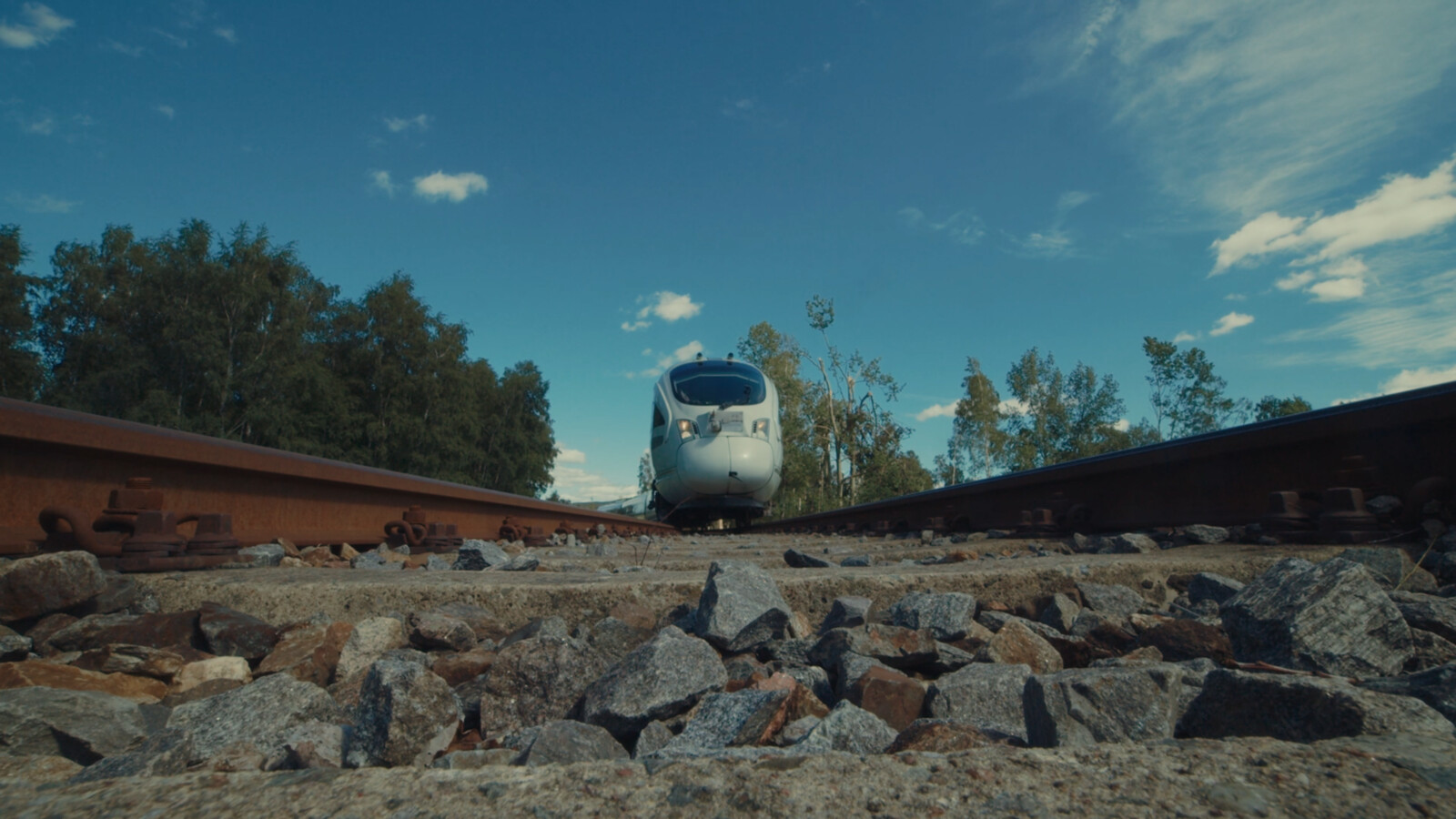
      The trial achieved validation of FRMCS radio and coverage measurements in the target 1900 MHz frequency band, compared simulations against real field results, and tested cross-border handover scenarios essential for international train operations. Ericsson's end-to-end deployment and 5G Core-as-a-Service approach demonstrated unique interoperability capabilities, while comprehensive testing across challenging terrain prepared both organizations for MORANE-2 standardization work.

      "Real operational test environments are very important to drive forward the development of technology and bringing it closer to reality… We learned a lot with the tests and were able to test FRMCS with 5G equipment in the target frequency band for the first time ever."

      Richard Fritzsche, DB InfraGO 
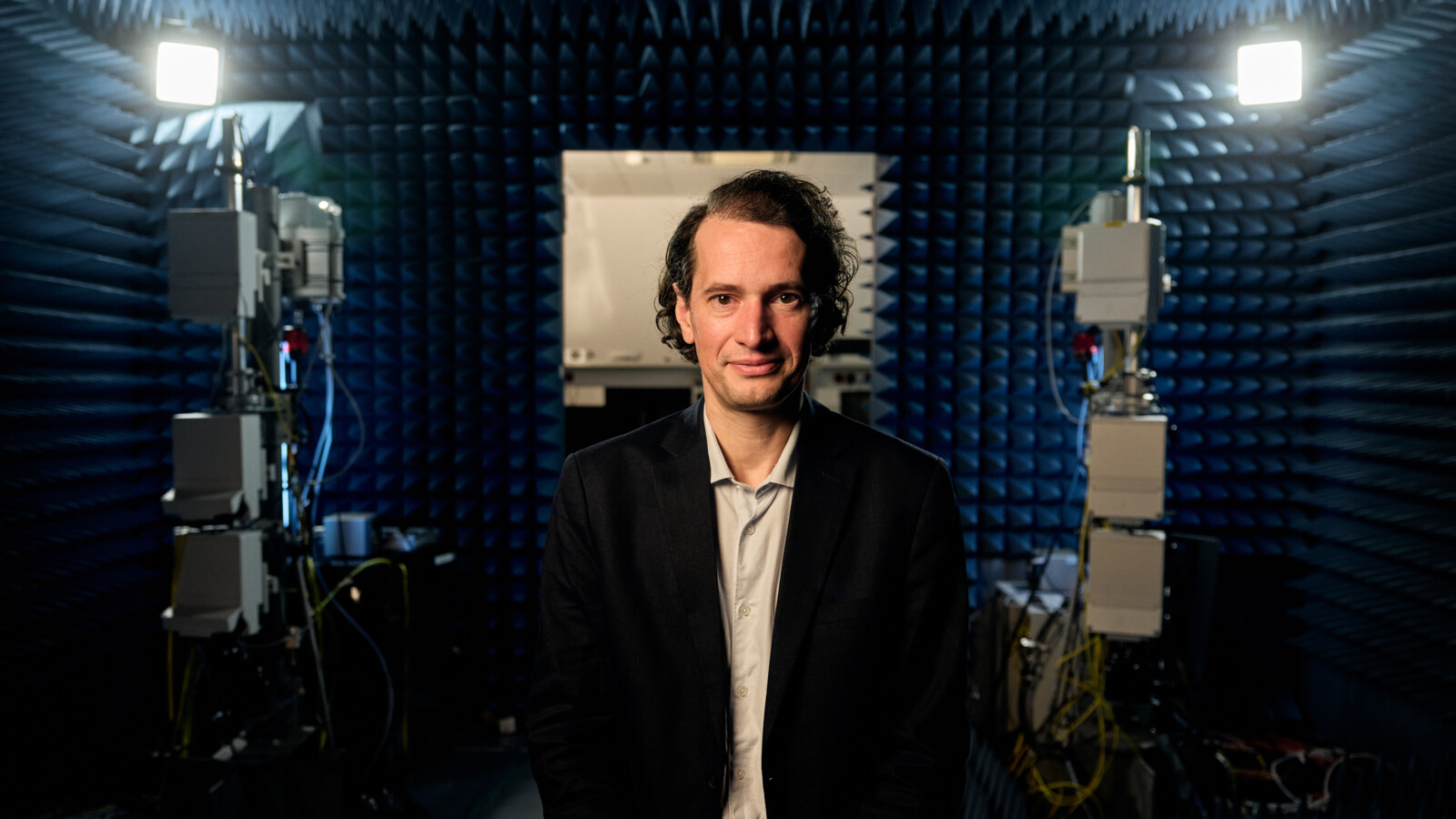
      Richard Fritzsche, DB InfraGO

      The challenge
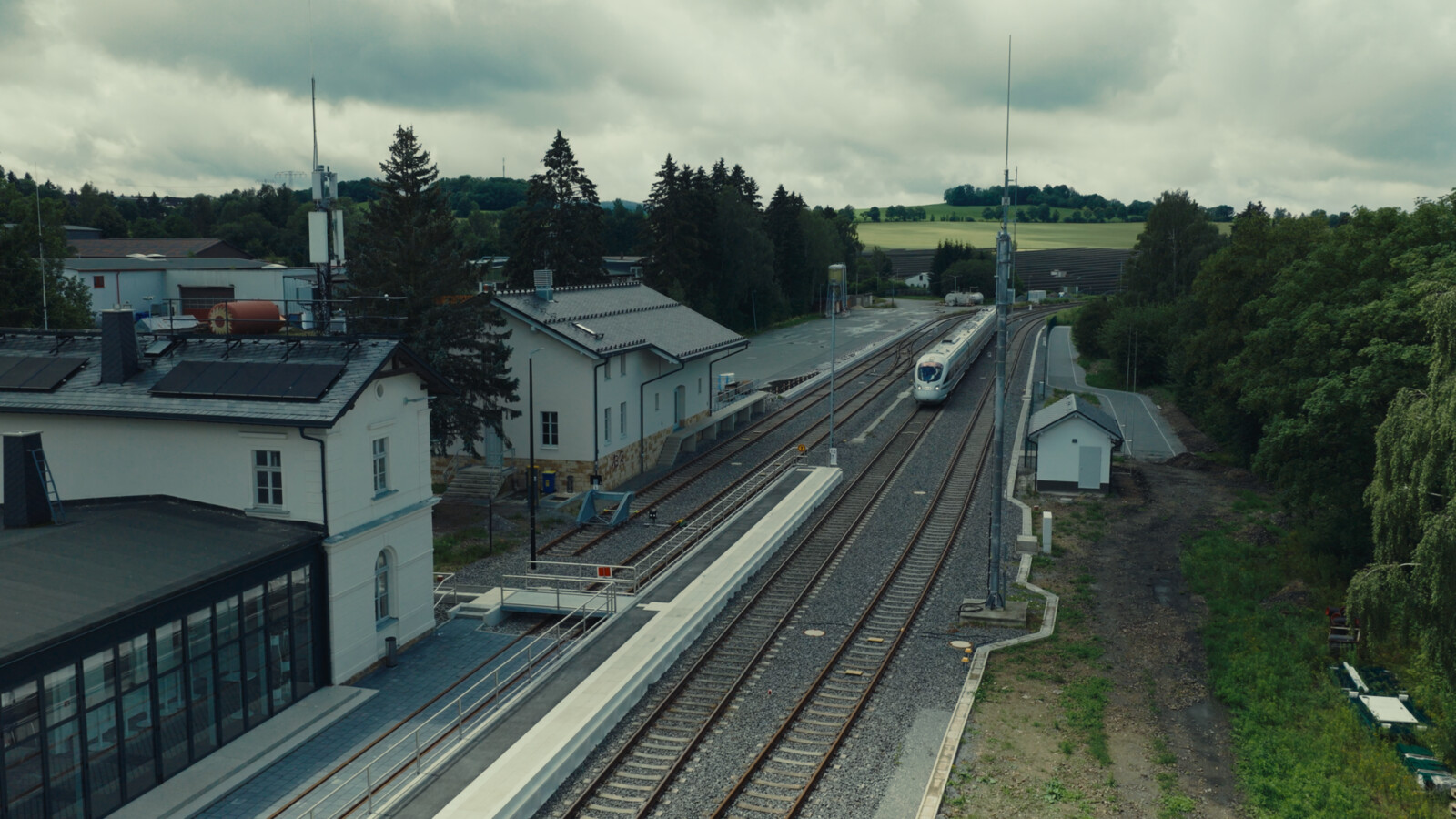
      Europe's railways depend on GSM-R, a 2G technology deployed in the 1990s that is approaching obsolescence. As rail operators modernize digital infrastructure and demand greater capacity, reliability, and automation, the need for a standardized 5G replacement has become urgent.

      DB InfraGO, responsible for Germany's critical railway infrastructure, recognized that successful FRMCS deployment requires rigorous real-world validation before continent-wide rollout. The company established the "Digitales Testfeld Bahn" in the Ore Mountains as a testing ground for innovative railway solutions, but needed technology partners capable of deploying and validating complete, production-grade systems.

      The trial faced specific technical demands: demonstrating end-to-end FRMCS functionality across the full communication chain, validating performance in challenging terrain with forests and hills, testing seamless transitions from legacy GSM-R systems, and simulating cross-border scenarios where trains transit between countries with different FRMCS networks - a critical requirement for Germany's extensive international rail routes.

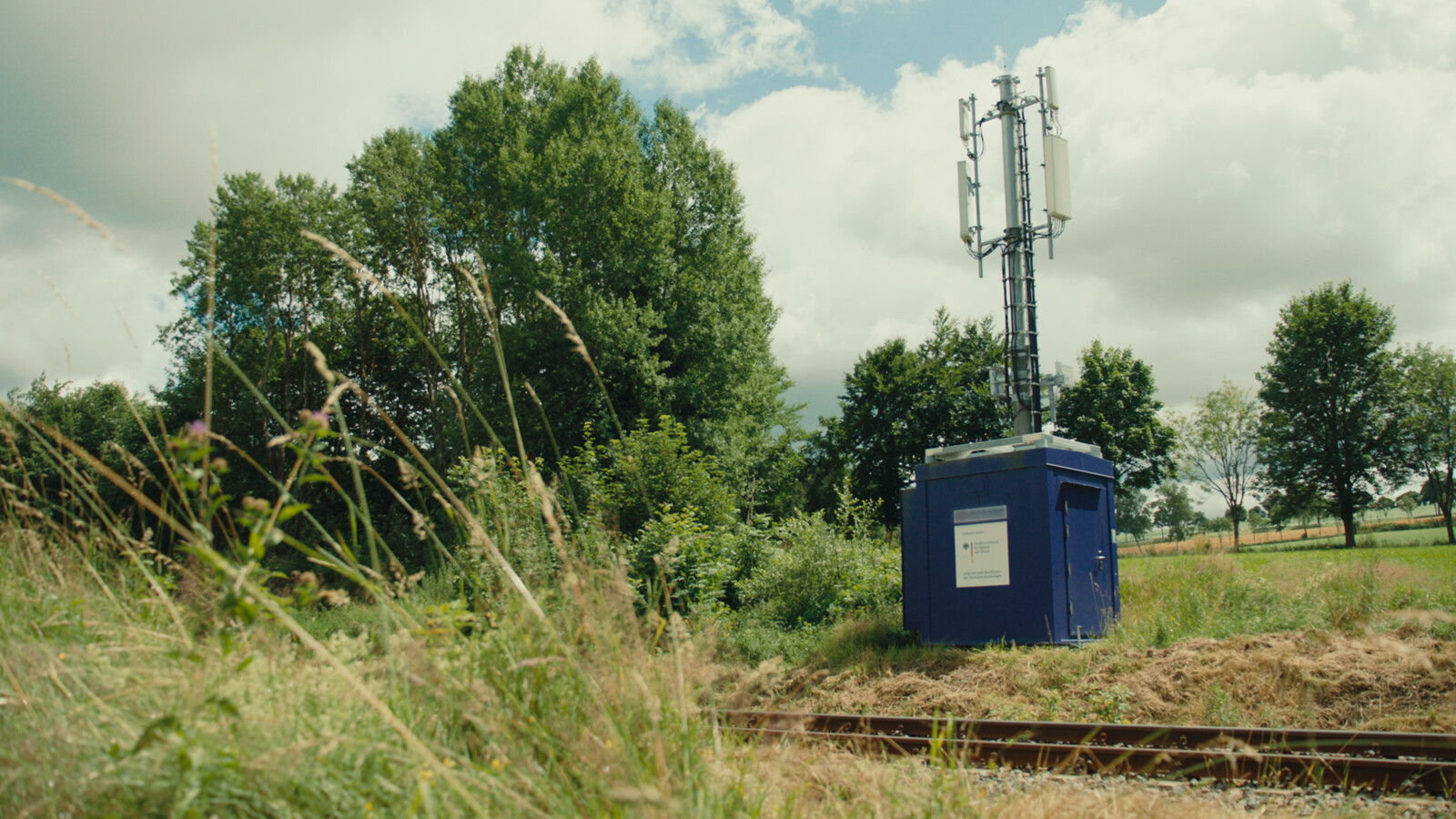
      Rail in rural platform

      The solution

      Ericsson deployed a comprehensive, integrated solution combining three key elements: productized FRMCS N101 radio access technology, cloud-native 5G Core delivered ’as-a-Service’, and advanced network design optimization. This end-to-end approach delivers genuine interoperability rather than isolated component testing.

      The deployment enabled multiple validation scenarios. Radio performance testing measured signal strength, coverage, and quality across the test track's varied topography. Comprehensive end-to-end tests verified complete communication chains from trackside infrastructure through core networks. Critically, Ericsson compared real field measurements against pre-trial simulations, providing the first direct validation of FRMCS radio network planning models versus actual performance - essential data for standardization bodies.

      The trial specifically included cross-border scenario simulations and GSM-R transition testing, preparing smooth operational handovers between legacy and 5G systems while validating vendor-to-vendor interoperability findings that will support European standardization.

      The Ore Mountains track for DB InfraGO is one of four MORANE-2 field test tracks (Sweden, Germany, Spain, Netherlands). The FRMCS solution deployed on the German test track was developed by Ericsson Germany’s DNT Labs in Düsseldorf, which provides the project's dedicated 5G Core-as-a-Service platform and serves as the backend for the field trials.

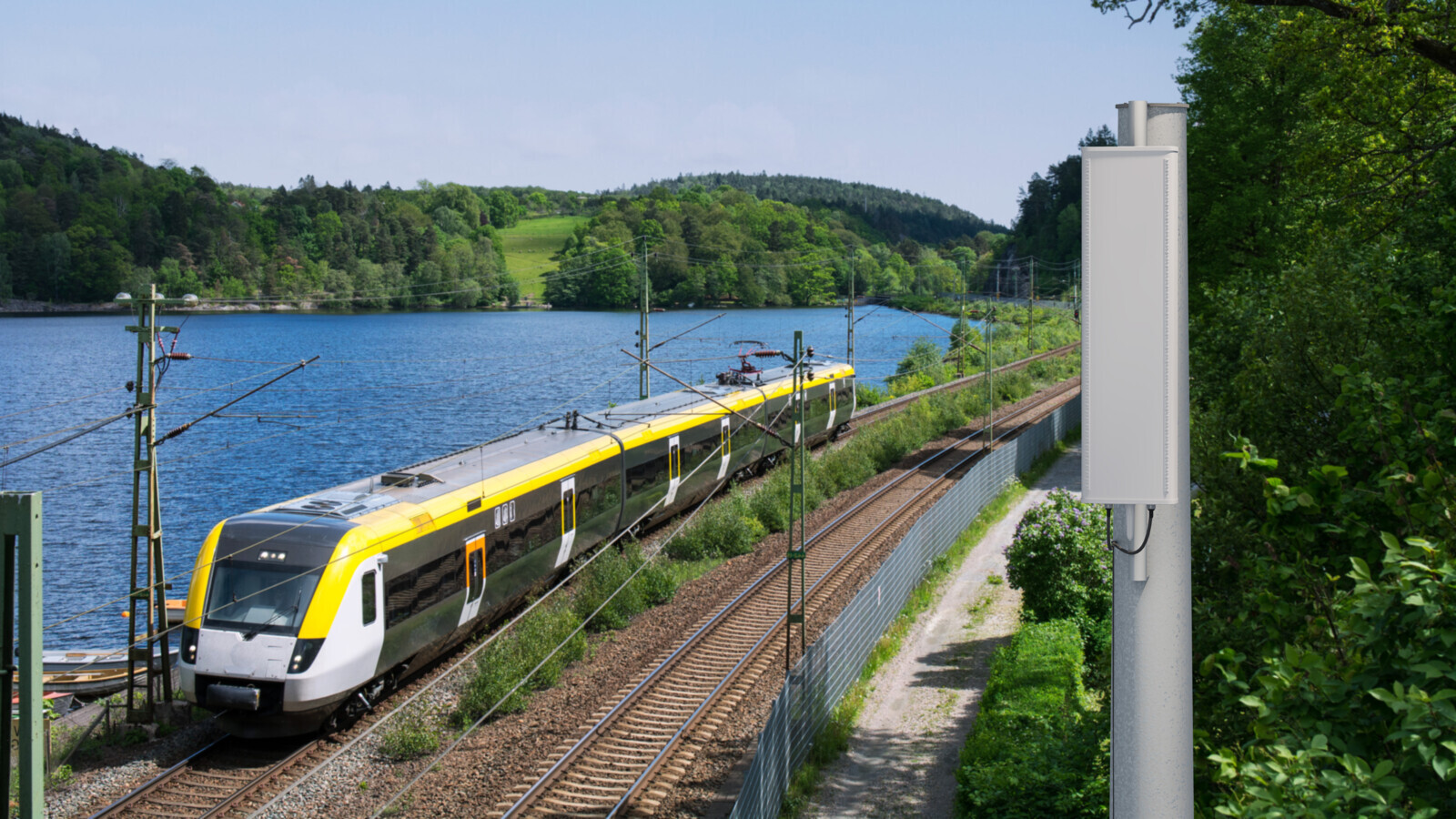
      Ericsson antenna near railway track

      The result

      The July 2026 tests delivered validation confirming that Ericsson's FRMCS technology is mature and production-ready. Real field measurements correlated strongly with pre-trial simulations, building confidence in network planning methodologies essential for continental deployment. Successful interoperability testing with Funkwerk FRMCS onboard devices and cross-border scenario validation demonstrated practical readiness for complex international operational environments.

      Both organizations emerged with proven collaborative processes and technical confidence ahead of MORANE-2. The trial generated standardization-critical findings on European cross-border operations, GSM-R-to-FRMCS transition procedures, and end-to-end system performance that will inform regulatory frameworks across the continent.

      For DB InfraGO, the partnership with Ericsson established a clear pathway for planning, building, and operating FRMCS infrastructure. For Ericsson, the successful deployment reinforced its market position as the only vendor providing integrated end-to-end solutions with cloud-native 5G core capabilities. For European rail infrastructure managers monitoring FRMCS progress, the trial demonstrated that standardized, interoperable, secure 5G railway communication is no longer theoretical – it is operationally validated and ready for deployment.

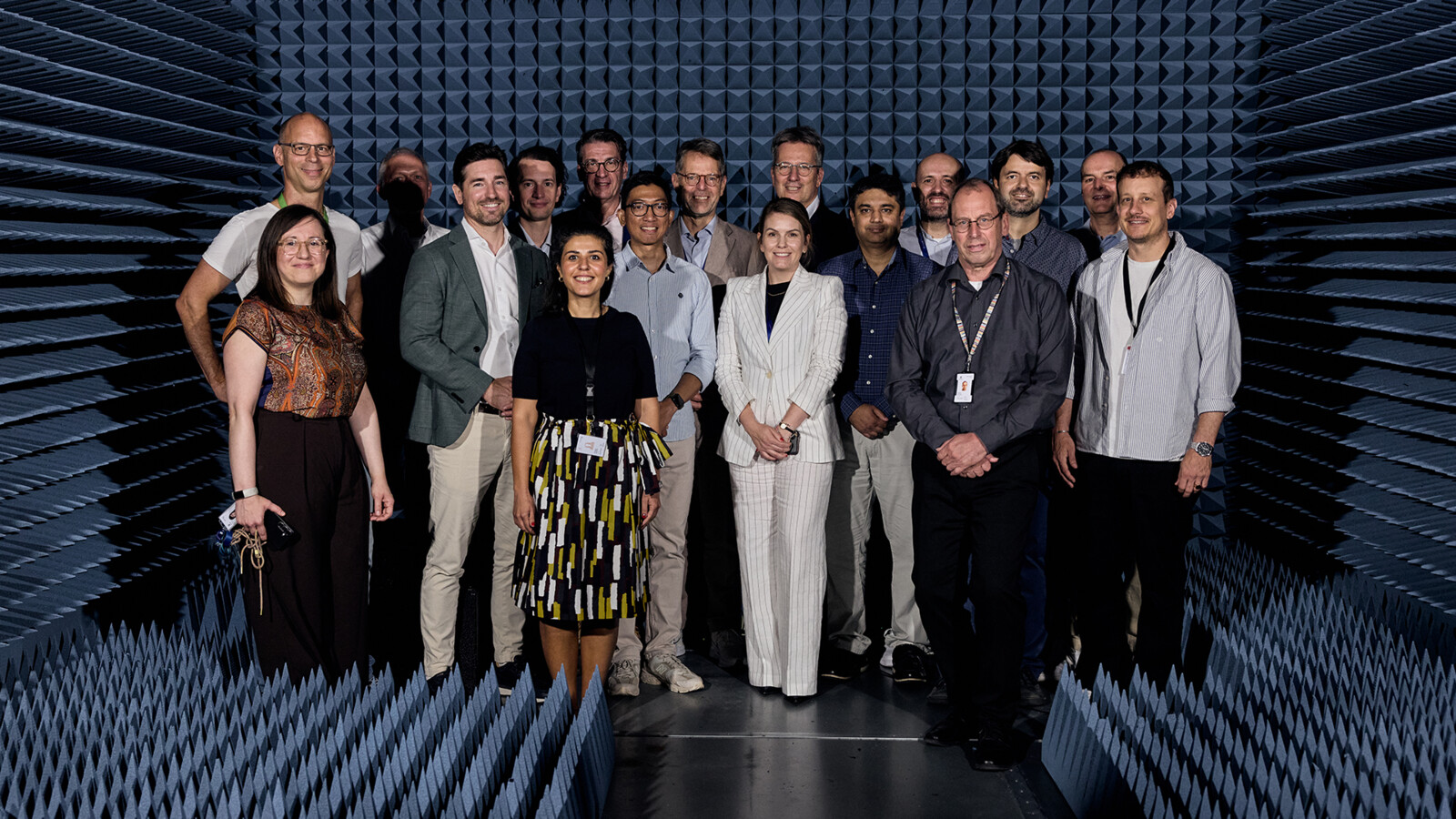
      Ericsson and DB InfraGO team

      "Our uniqueness comes with our end-to-end approach. We're deploying the actual productized FRMCS and N101 radio with successful integration into onboard devices, giving us unique interoperability test results and the ability to compare FRMCS simulation to actual field results."

      Katrin Bachert, Ericsson
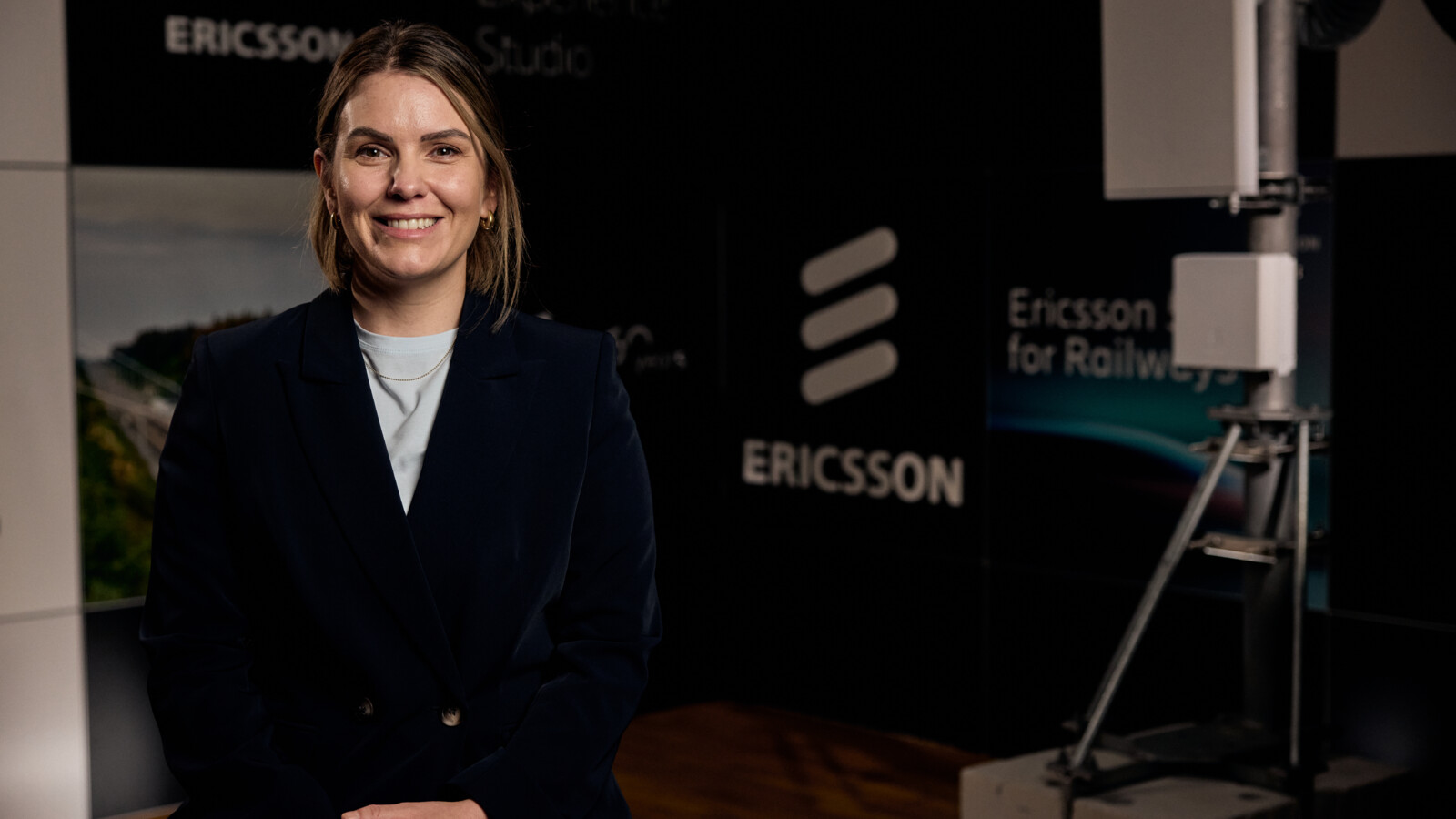
      Katrin Bachert, Ericsson

      Related content