



Skip navigation
Hands holding a tablet.

Location APIs for the healthcare and emergency services industries

Location-Based Emergency Response and Hospital Coordination

Location data is the most wanted exposure data according to application development community. Service providers have a unique capability to enable location updates for anyone, anywhere at any time, with a main monetization focus on enterprise use cases.

Overview

Emergency services quickly respond to situations where a medical emergency is in place. The coordination between emergency teams and hospitals facilitates timely medical intervention. Real-time location data ensures accurate navigation and tracking throughout the rescue and treatment process.

Challenge

In emergency situations, locating individuals in remote or densely populated areas can be challenging, which can hinder timely medical intervention and efficient coordination between emergency responders and medical facilities. Although satellite-based technologies offer potential solutions for improving location accuracy and communication, they remain vulnerable to attacks, spoofing, and tampering or jamming. Addressing these vulnerabilities is crucial to ensuring reliable and secure emergency response systems.

Solution

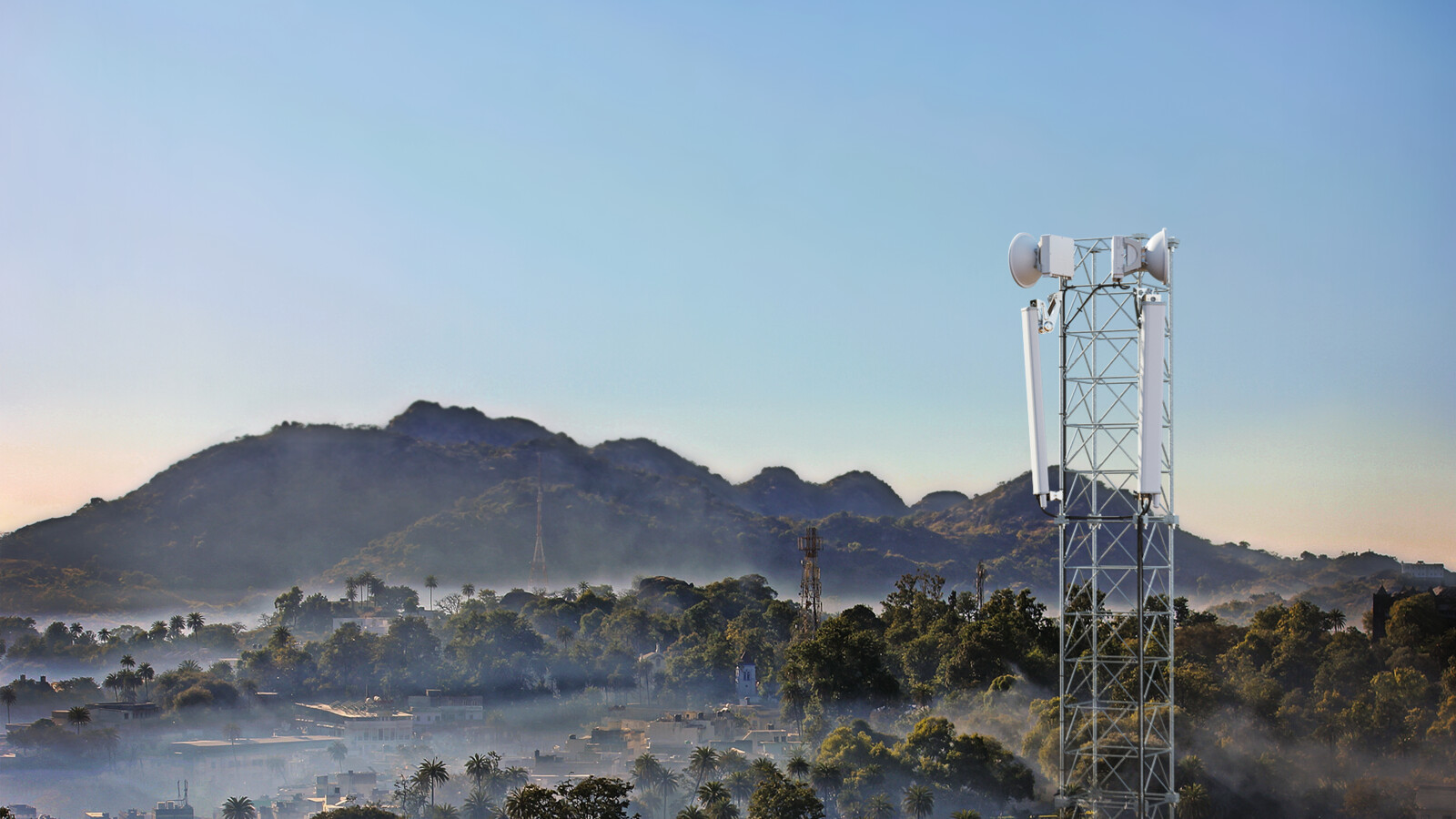
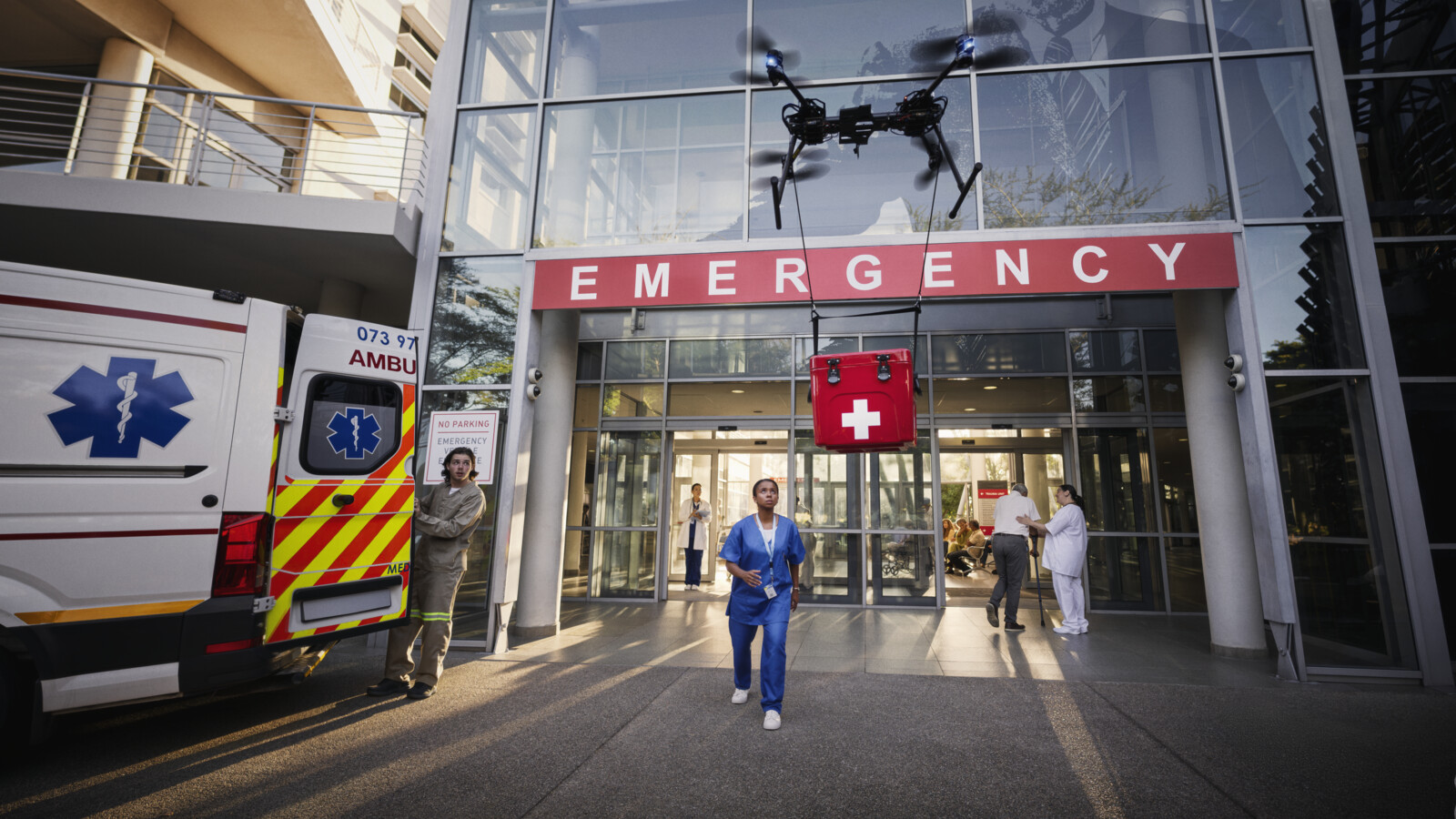
The use of Real-Time Kinematic (RTK) technology enhances precise location tracking and navigation, enabling drones equipped with medical supplies to quickly reach medical emergencies. Macro technology serves as an excellent complement to satellite technology due to its spoof-proof, robust, and high-powered signals. Integrating CAMARA APIs facilitates seamless real-time data analysis and communication, improving decision-making and coordination. Additionally, implementing geofencing allows for efficient resource allocation and tracking, optimizing the response to emergencies.

How it works

  1. A hiker gets injured in a remote location, and an emergency call is triggered.
  2. A drone is dispatched with immediate medical supplies to the hiker's location
  3. The best route for the delivery is defined for the drone
  4. Rescue personnel are then later dispatched for transportation to the hospital with the appropriate transportation method to the injured person.
  5. A tracker is placed on the injured patient to monitor their precise location in real-time.
  6. The hospital staff are notified of the injured patient's arrival
  7. They prepare for immediate medical care locating the right personnel and equipment to be able to address the emergency when the injured person arrives at the hospital
  8. The patient is taken to the appropriate flow of treatment making sure that the patient is safely monitored all the way
  9. After getting the treatment, the patient is placed in a monitoring room to rest and recover before being discharged. The monitoring room is prepared to make sure that the patient is not leaving the area without letting the healthcare staff know.

Business applications

The main target segments for this use-case are the health and mission critical segments including emergency services, hospitals, search and rescue teams.

Business models

Service providers can monetize it as a subscription-based service for emergency response teams and hospitals


APIs in use

  • CAMARA Location retrieval
  • CAMARA Location verification
  • CAMARA Population Density Data
  • CAMARA Geofencing subscriptions