










The sky is our next digital frontier
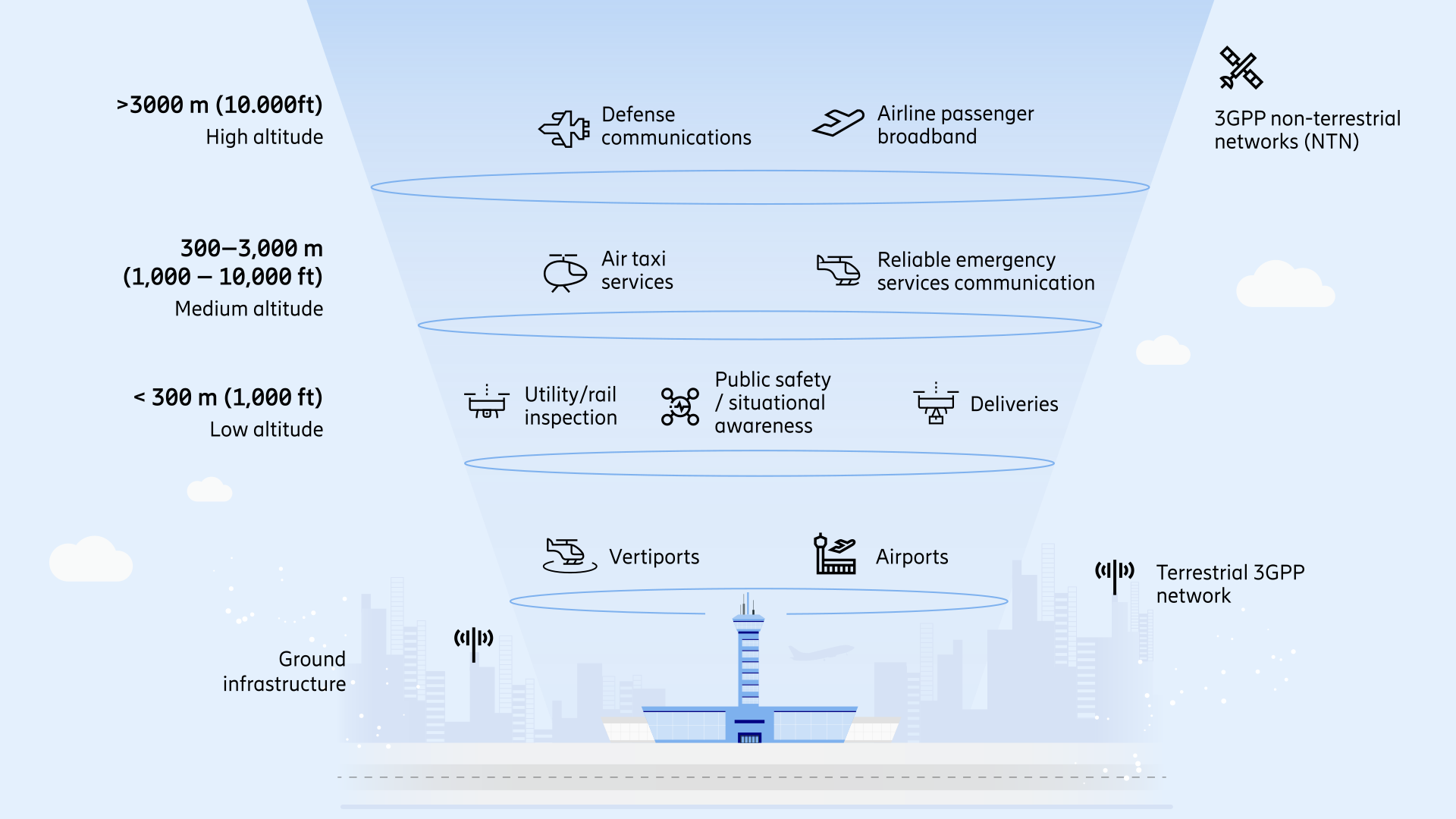
Digital airspace at all altitudes is rapidly becoming integral to next-generation mobility, logistics, and safety solutions. Traditional systems are not equipped to deliver the required speed, scalability, or intelligence for these advancements. We are redefining airspace connectivity, spanning from ground level to over 3,000 meters (10,000 ft), through 4G and 5G networks specifically engineered for aerial applications.
The sky as the emerging digital frontier
Challenges in the low and mid-altitudes
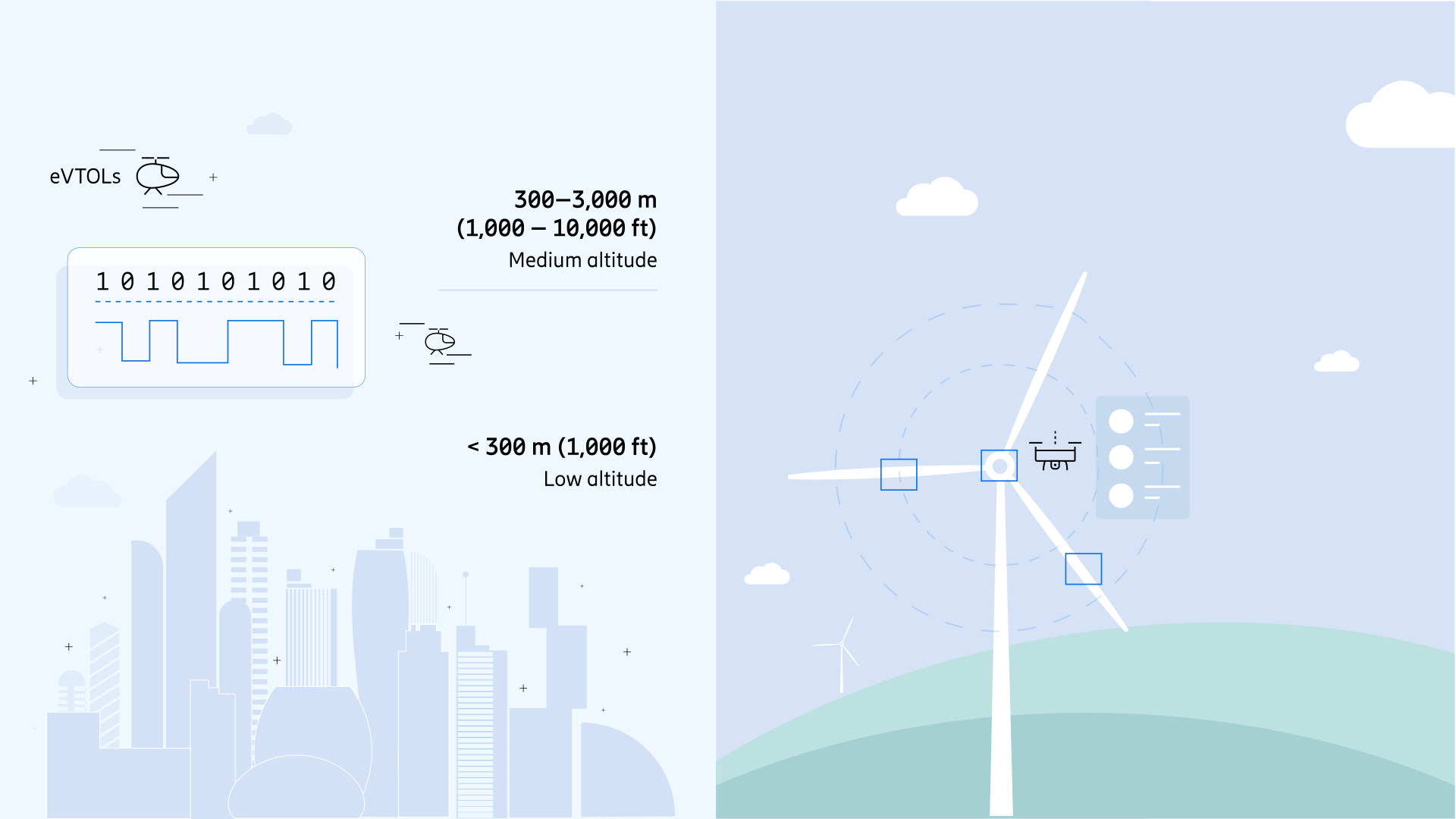
Low altitude (0–300 m): The lack of large-scale traffic management combined with spectrum congestion creates barriers to beyond visual line of sight (BVLOS) operations—critical to unlocking real commercial value.
Mid altitude (300–3,000 m): Rapid handoffs, signal interruptions at high speed, and strict mission-critical requirements from air taxis, air ambulances, and defense demand robust solutions.
The 5G advantage in the skies
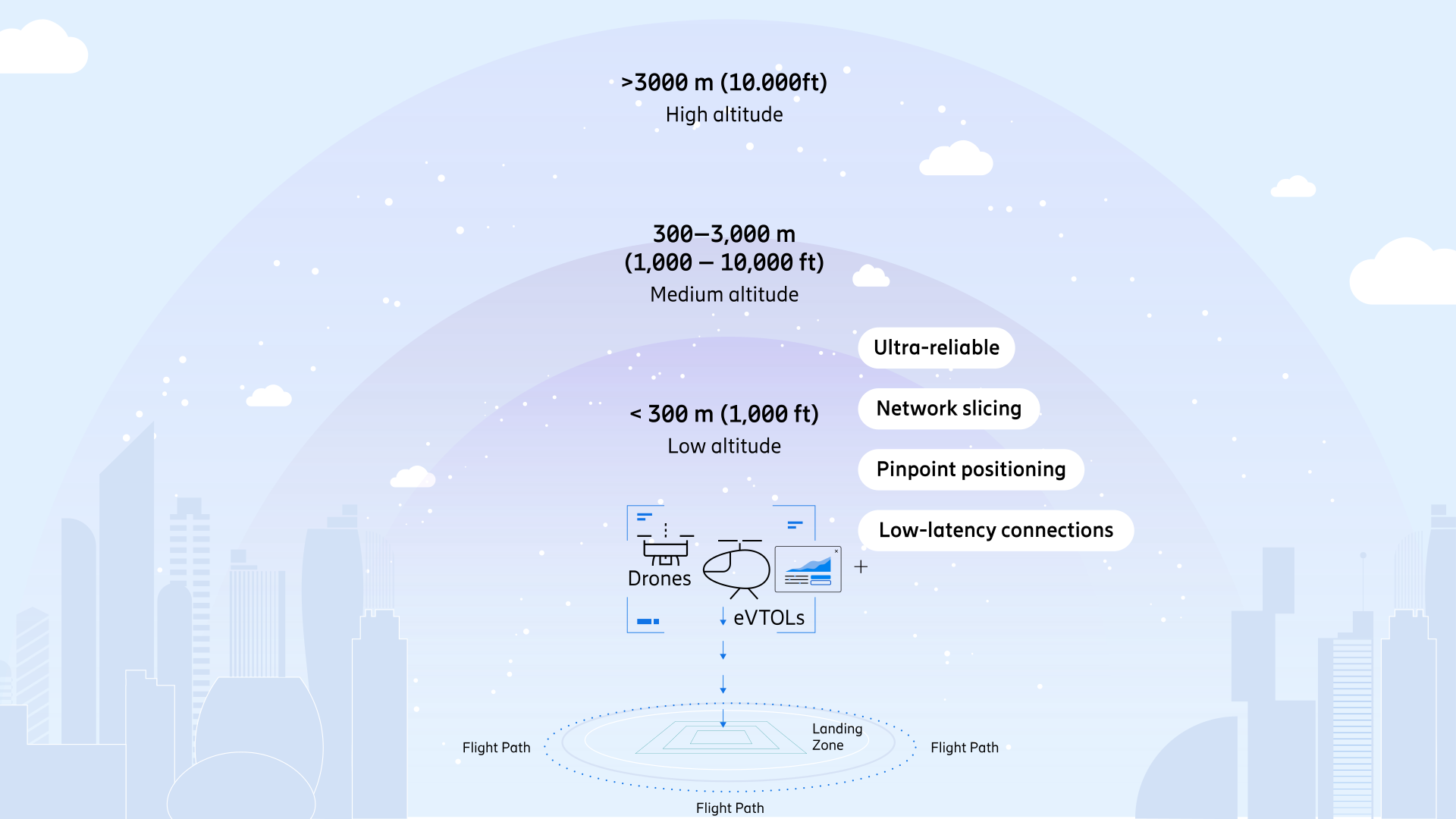
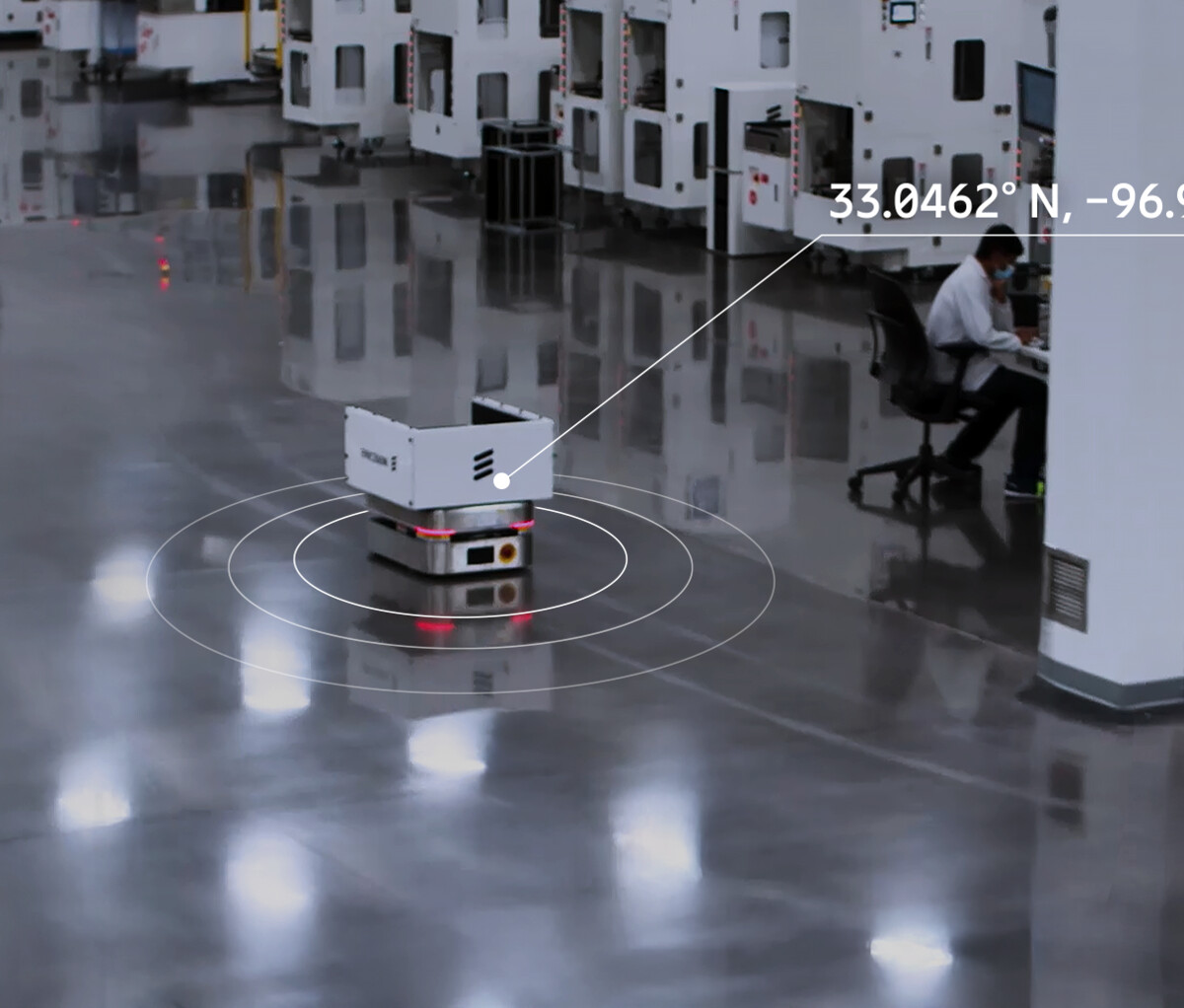
We’re extending 4G, 5G — and soon 6G — beyond terrestrial limits to power purpose-built aerial networks. These networks deliver ultra-reliable, low-latency connections, pinpoint positioning, and network slicing capabilities tailored to the dynamic needs of airborne assets.
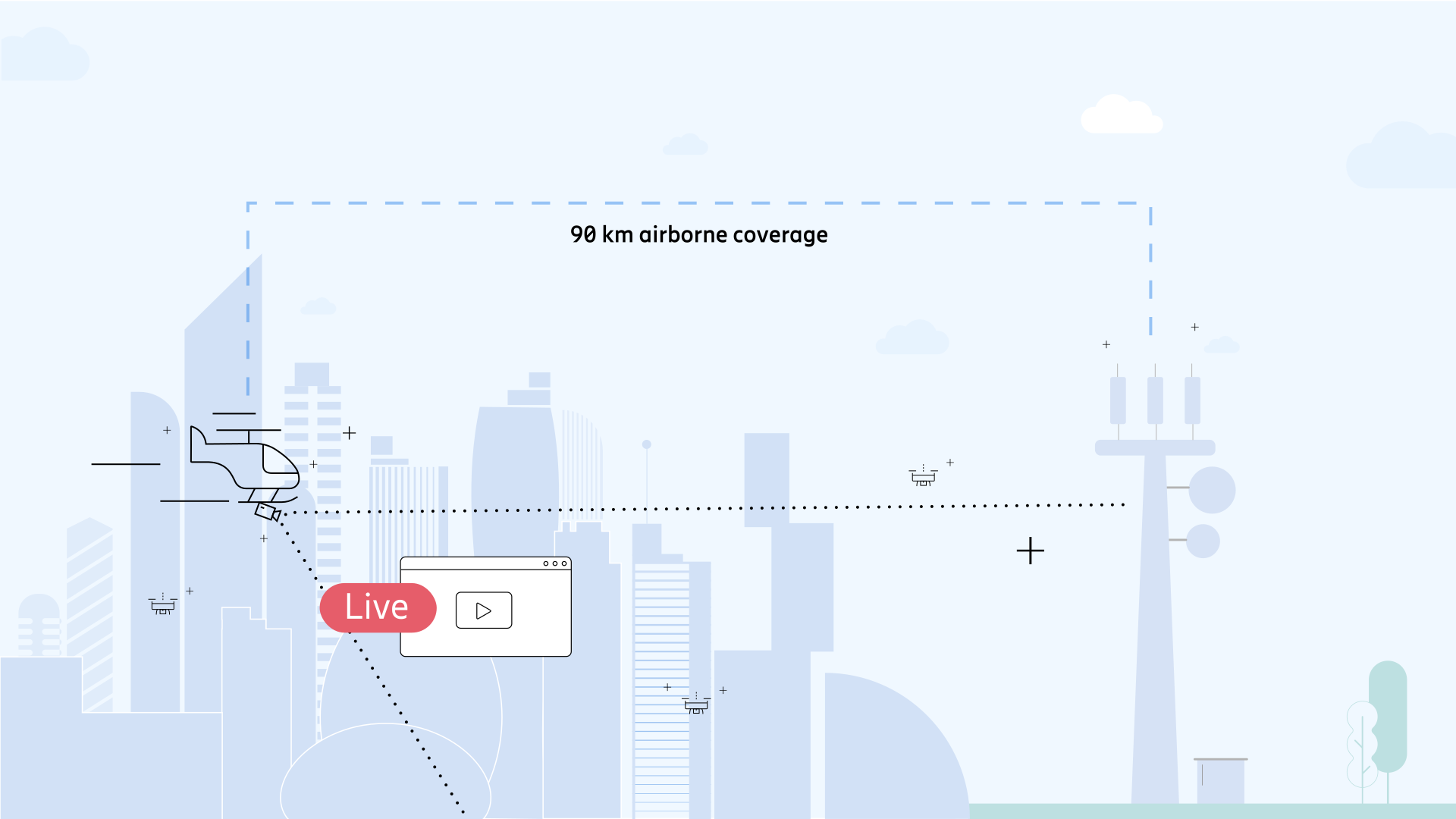
Unlocking new opportunities
The future of intelligent skies
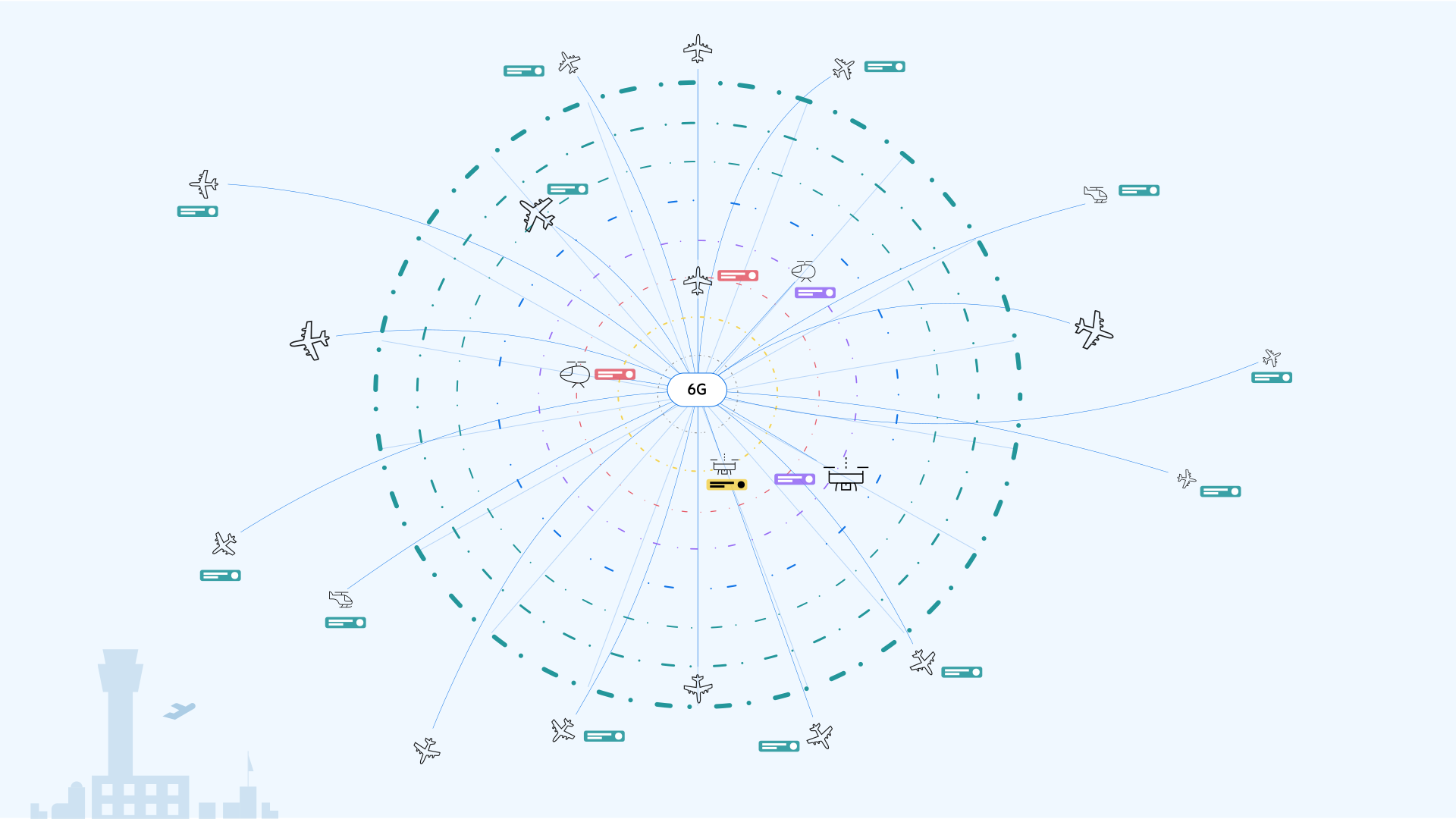
Looking ahead to 6G, networks will sense and communicate contextually, detecting even unconnected aircraft in real time. Standardized APIs will bridge aviation and telecom sectors, creating an intelligent, self-aware sky that is safer, smarter, and more sustainable than ever before.