





Skip navigation
Managed services Ericsson Operations Engine

Ericsson Operations Engine

Unlocking the potential of data-driven operations

An engine that never sleeps​

Ericsson Operations Engine is the award-winning operating model created by Ericsson to run multi-vendor, multi-technology network and field operations around the world for our mobile and fixed managed services customers. It accelerates their journey toward fully autonomous network operations.

Using AI, machine learning, and automation, it transforms complex multi-technology environments into agile, intelligent, and predictive operations. By combining AI insights, automated workflows, and deep telecom expertise across RAN, Core, Transport, IT, and cloud domains, the Ericsson Operations Engine enables you to deliver superior customer experiences, unlock sustainable cost efficiencies, and maintain consistently high network performance.

Ever-evolving to be future ready, it analyzes data every day and executes millions of automated network actions to prevent issues before they occur.
The origins of Ericsson Operations Engine

Ericsson Operations Engine

As 5G, cloud-native networks, and premium digital services accelerate globally, service providers are facing an unprecedented surge in operational complexity. Massive device growth, multivendor environments, and highly variable service demands are stretching traditional network operations to their limits. Delivering secure, high-quality customer experiences now requires a dramatic shift in how networks are designed, operated, and optimized.

Next-generation networks enable a wide range of configurable services and mission-critical use cases, making service performance, reliability, and outcome management more important than ever. To stay competitive, service providers must evolve from technology-centric methods to intent-driven, AI-powered, and hyper-automated operations that adapt dynamically to network and service conditions.

Ericsson recognized this shift early. As a global leader in telecom Managed Services since the early 2000s, we saw that networks were becoming too complex and mission-critical to manage efficiently without leveraging data, automation, and AI. This realization ignited our data-driven transformation beginning in 2018 – moving from reactive, network-centric operations to predictive, end-user, service-centric operations.

The journey led to the creation of the Ericsson Operations Engine, and it continues to evolve. Our operating model is constantly updated with the latest advancements in Autonomous Network Operations (AN Ops), ensuring that automation, AI models, and operational processes grow in step with new technologies, network architectures, and service demands.

What Ericsson Operations Engine can do for your network operations

724.00 K
Sites managed (145K 5G sites)
32.00 %
Reduction in customer complaints with Ericsson Operations Engine
~ 5.00 M
AI triggered actions​ (27K+ automation running now)

  • Access an unparalleled network scale that enables global feedback loops.
  • Utilize constantly evolving closed-loop automation and AI use case libraries.
  • Manage your network with highly focused human intervention.

  • Transform existing operations into a highly efficient and future-proof foundation.
  • Leverage cloud native technologies and AI to transform your existing operations.​
  • Get a solid track record of field-validated results and business outcomes.​

  • “Teach” your network how to manage conflicts to meet performance KPIs and SLAs.
  • Monetize service diversification.
  • Automatically respond to changes in demand and conditions in real time.

An engine is only as good as its parts
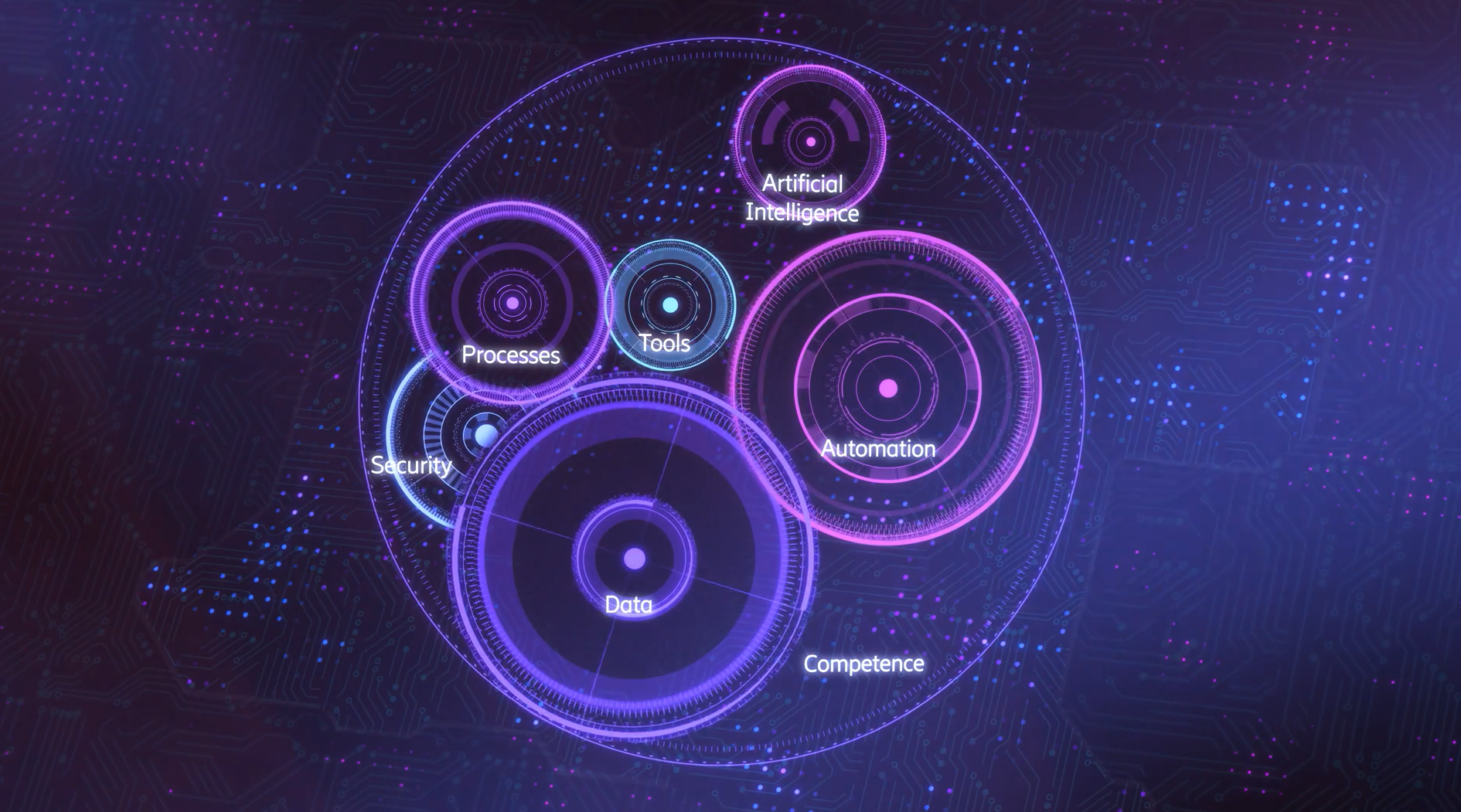
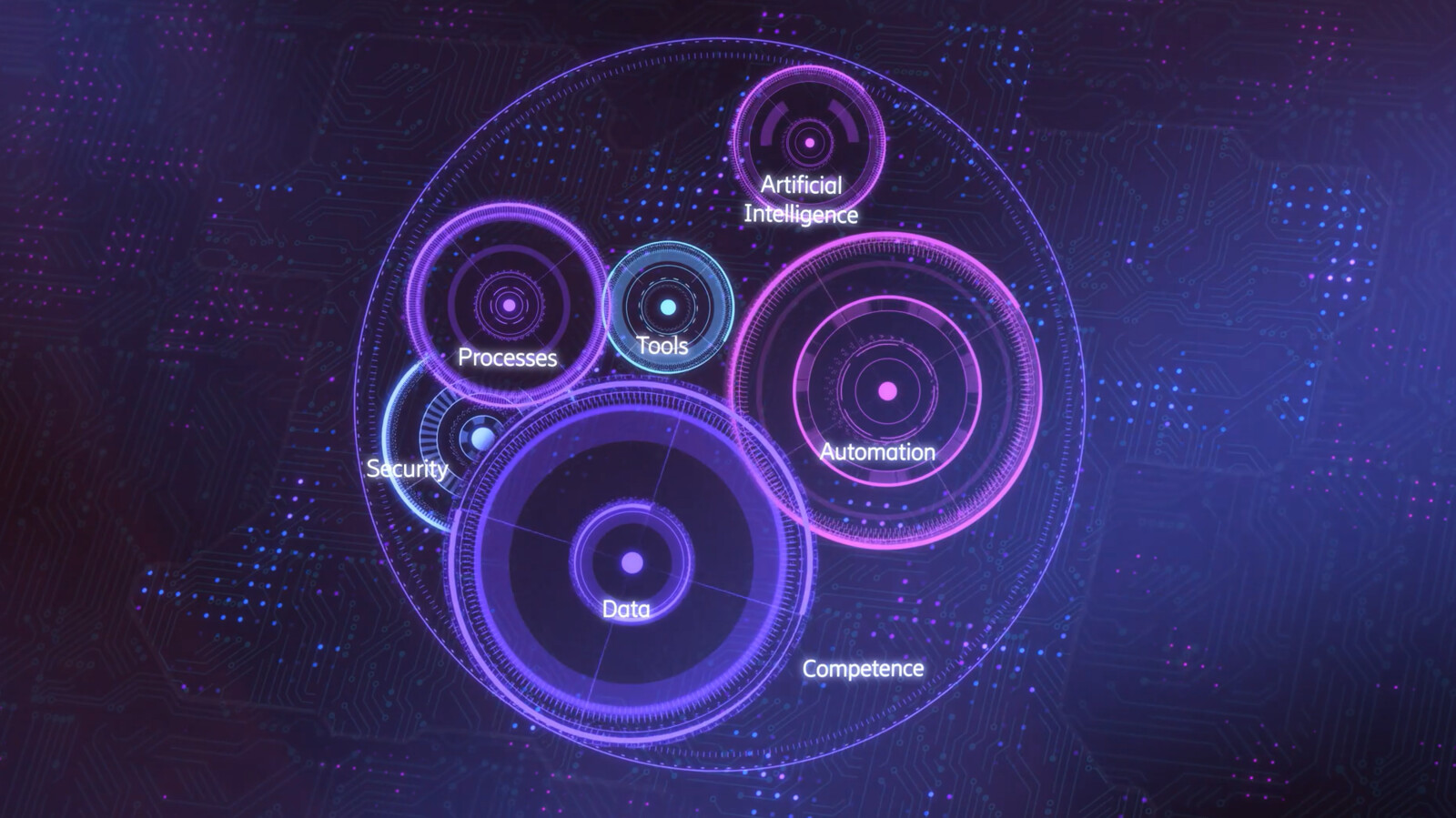
The components of the Ericsson Operations Engine form the foundation of its intelligent, automated operations model. From AI, analytics, and automation to advanced tools, competence, and standardized processes, each element is purposefully designed to equip you with the operational capabilities needed for efficiency, agility, and scale.

Together, these components function as a seamlessly coordinated system – precision mechanisms working in unison to operate networks with unmatched reliability, speed, and accuracy.

Explore the engine parts.

""
eyJjb29yZGluYXRlcyI6eyJsZWZ0Ijo0My4zOSwidG9wIjo2OC40MX0sImRlZmluaXRpb25zIjp7InRpdGxlIjoiRGF0YSIsIm1lc3NhZ2UiOiI8cD5EYXRhIGF1dGhvcml0eSBlbnN1cmluZyByZXNwb25zaWJsZSBnb3Zlcm5hbmNlPC9wPjxwPkxhcmdlLXNjYWxlIGFuZCBkaXZlcnNlIGRhdGFzZXRzIGVuc3VyaW5nwqB0b3AgcGVyZm9ybWluZyBBSSBhbGdvcml0aG1zIHRyYWluaW5nPC9wPjxwPkRhdGEgbW9kZWxzIGJlaGluZCBhbGwgcHJvY2Vzc2VzPC9wPiIsImxpbmsiOiIiLCJjb2xvciI6IldoaXRlIiwibWVkaWFIdG1sTWFya3VwcyI6W10sIm9yZ2FuaXphdGlvbiI6W10sImFsdFRleHQiOiIiLCJ2aWRlb0RhdGEiOm51bGx9LCJyZWFkYWJsZVR5cGUiOiJwb2ludCJ9
eyJjb29yZGluYXRlcyI6eyJsZWZ0IjozMy4yMywidG9wIjo1My4yOH0sImRlZmluaXRpb25zIjp7InRpdGxlIjoiU2VjdXJpdHkiLCJtZXNzYWdlIjoiPHA+SVNPIDI3MDAxIGNlcnRpZmllZDwvcD48cD5BbGwgZGF0YSBpcyBlbmNyeXB0ZWQgaW4gdHJhbnNpdCBhbmQgYXQgcmVzdCB0byB0aGUgaGlnaGVzdCBzdGFuZGFyZDwvcD48cD5JbmRlcGVuZGVudCB2ZXR0aW5nIG9mIGZvciBhbGwga2V5IHJvbGVzPC9wPjxwPkhpZ2hlc3Qgc3RhbmRhcmRzIG9mIHNlY3VyaXR5PC9wPjx1bD48bGk+RGV0ZWN0aW9uIGFuZCByZWNvdmVyeTwvbGk+PGxpPkF1dG9tYXRlZCB2dWxuZXJhYmlsaXR5IG1hbmFnZW1lbnQ8L2xpPjxsaT5JbmNpZGVudCwgSWRlbnRpdHkgYW5kIEFzc2V0IE1hbmFnZW1lbnQ8L2xpPjwvdWw+IiwibGluayI6IiIsImNvbG9yIjoiV2hpdGUiLCJtZWRpYUh0bWxNYXJrdXBzIjpbXSwib3JnYW5pemF0aW9uIjpbXSwiYWx0VGV4dCI6IiIsInZpZGVvRGF0YSI6bnVsbH0sInJlYWRhYmxlVHlwZSI6InBvaW50In0=
eyJjb29yZGluYXRlcyI6eyJsZWZ0IjozNS4wMywidG9wIjozNy4wMX0sImRlZmluaXRpb25zIjp7InRpdGxlIjoiUHJvY2Vzc2VzIiwibWVzc2FnZSI6IjxwPjI2IHJlLWVuZ2luZWVyZWQgcHJvY2Vzc2VzIHN1cHBvcnRpbmfCoENTUHMgYXV0b25vbW91cyBuZXR3b3JrIG9wZXJhdGlvbnMgZXZvbHV0aW9uPC9wPjxwPkZvcm1hbCBiaS1Bbm51YWwgcmVsZWFzZSBwcm9jZXNzIGRyaXZlbiBieSBvbmdvaW5nIGV2b2x1dGlvbiBvZiBBSSBhbmQgQXV0b21hdGlvbjwvcD48cD5EaWdpdGl6ZWQgcHJvY2VzcyBhbGxvd2luZyBhY2N1cmF0ZSBhbmQgY29uc2lzdGVudCBtZWFzdXJlbWVudDwvcD4iLCJsaW5rIjoiIiwiY29sb3IiOiJXaGl0ZSIsIm1lZGlhSHRtbE1hcmt1cHMiOltdLCJvcmdhbml6YXRpb24iOltdLCJhbHRUZXh0IjoiIiwidmlkZW9EYXRhIjpudWxsfSwicmVhZGFibGVUeXBlIjoicG9pbnQifQ==
eyJjb29yZGluYXRlcyI6eyJsZWZ0Ijo1NS40NSwidG9wIjoxNy4zMn0sImRlZmluaXRpb25zIjp7InRpdGxlIjoiQXJ0aWZpY2lhbCBJbnRlbGxpZ2VuY2UiLCJtZXNzYWdlIjoiPHA+RGF0YSBkcml2ZW4gaW5zaWdodHMgdG8gcmVwbGFjZSBvciBhc3Npc3QgaW4gaHVtYW4gZGVjaXNpb24gbWFraW5nPC9wPjx1bD48bGk+QUkgaW5zaWdodHMgY3JlYXRlZMKgcGVyIHllYXIg4oCTIDEwLjNNPC9saT48bGk+QUkgdHJpZ2dlcmVkIGFjdGlvbnMgcGVyIHllYXIgLSA5LjVNPC9saT48bGk+VW5pcXVlIGxpdmUgVUMtIDE2PC9saT48bGk+UiZhbXA7RCBVbmlxdWUgVUMgMTc8L2xpPjwvdWw+IiwibGluayI6IiIsImNvbG9yIjoiV2hpdGUiLCJtZWRpYUh0bWxNYXJrdXBzIjpbXSwib3JnYW5pemF0aW9uIjpbXSwiYWx0VGV4dCI6IiIsInZpZGVvRGF0YSI6bnVsbH0sInJlYWRhYmxlVHlwZSI6InBvaW50In0=
eyJjb29yZGluYXRlcyI6eyJsZWZ0Ijo2MC43OSwidG9wIjo0Ny4zOH0sImRlZmluaXRpb25zIjp7InRpdGxlIjoiQXV0b21hdGlvbiIsIm1lc3NhZ2UiOiI8cD5BdXRvbWF0aW9uIGRyaXZlcyBzcGVlZCwgYWNjdXJhY3kgYW5kIHJlc2lsaWVuY2U8L3A+PHA+T3ZlciAzMiwwMDAgdW5pcXVlIGF1dG9tYXRpb25zPC9wPjxwPjg2JSByZXVzZTwvcD48cD5Bcm91bmQgNSwwMDAgZGlyZWN0IGhlYWRjb3VudCBlZmZpY2llbmNpZXMgcmVhbGl6ZWQgdGhyb3VnaCBhdXRvbWF0aW9uPC9wPiIsImxpbmsiOiIiLCJjb2xvciI6IldoaXRlIiwibWVkaWFIdG1sTWFya3VwcyI6W10sIm9yZ2FuaXphdGlvbiI6W10sImFsdFRleHQiOiIiLCJ2aWRlb0RhdGEiOm51bGx9LCJyZWFkYWJsZVR5cGUiOiJwb2ludCJ9
eyJjb29yZGluYXRlcyI6eyJsZWZ0Ijo2Ni40NiwidG9wIjo4MS40NX0sImRlZmluaXRpb25zIjp7InRpdGxlIjoiQ29tcGV0ZW5jZSIsIm1lc3NhZ2UiOiI8cD5PbmdvaW5nIGludmVzdG1lbnQgaW4gbGFzdGVkIHRlY2hub2xvZ2llcyBhY3Jvc3MgYWxsIE9FTXM8L3A+PHA+TXVsdGktZG9tYWluIHNraWxscyBhY3Jvc3MgUkFOLCBDb3JlLCBJUCBUcmFuc3BvcnQgYW5kIFZBUzwvcD48cD5Bc3Nlc3NtZW50IGFuZCBjZXJ0aWZpY2F0aW9uIHByb2dyYW0gZm9yIEF1dG9tYXRpb24sIERhdGEgRW5naW5lZXJpbmcsIEFJLCBTZWN1cml0eSBhbmQgQ2xvdWQ8L3A+PHA+NSw0MDAgZW1wbG95ZWVzIGFzc2Vzc2VkL2NlcnRpZmllZCBvbiBEYXRhLWRyaXZlbiwgQ2xvdWQgb3IgU2VjdXJpdHkgZG9tYWluc8KgPC9wPiIsImxpbmsiOiIiLCJjb2xvciI6IldoaXRlIiwibWVkaWFIdG1sTWFya3VwcyI6W10sIm9yZ2FuaXphdGlvbiI6W10sImFsdFRleHQiOiIiLCJ2aWRlb0RhdGEiOm51bGx9LCJyZWFkYWJsZVR5cGUiOiJwb2ludCJ9
eyJjb29yZGluYXRlcyI6eyJsZWZ0Ijo0NS44NywidG9wIjozNy4zfSwiZGVmaW5pdGlvbnMiOnsidGl0bGUiOiJUb29scyIsIm1lc3NhZ2UiOiI8cD5CZXN0IG9mIGJyZWVkIHRvb2xzIGNvbXBsZW1lbnRlZMKgYnkgaW50ZXJuYWwgaW5ub3ZhdGlvbnM8L3A+PHA+U2NhbGFibGXCoGFyY2hpdGVjdHVyZSwgY2xvdWQgaG9zdGVkPC9wPjxwPlNpbXBsaWZpZWQgYW5kIHNlY3VyZSBjb25uZWN0aXZpdHkgd2l0aCBjdXN0b21lciBuZXR3b3Jrc8Kgd2l0aCByZWdpb25hbCBkaXN0cmlidXRpb24gYW5kIHJlZHVuZGFuY3k8L3A+PHA+R2xvYmFsIGRhdGEgbGFrZSBmb3IgYW5hbHl0aWNzIGFuZCByZXBvcnRpbmc8L3A+IiwibGluayI6IiIsImNvbG9yIjoiV2hpdGUiLCJtZWRpYUh0bWxNYXJrdXBzIjpbXSwib3JnYW5pemF0aW9uIjpbXSwiYWx0VGV4dCI6IiIsInZpZGVvRGF0YSI6bnVsbH0sInJlYWRhYmxlVHlwZSI6InBvaW50In0=

The engine for your digital transformation
Ericsson Operations Engine transformation journey

Data is at the core of everything we do. The operationalization of our data model is built on our Data Strategy, which defines the strategic direction and principles for the use of data, along with how data is collected, stored, processed, shared, used, and governed to maximize benefit and enable reuse of data, models, and insights.

Re-engineered data-driven processes play a key role in ensuring consistent performance in end-to-end business flows. They establish a common language and standard practices to consistently maximize efficiency and effectiveness. The process framework acts as the backbone to which relevant human and machine capabilities are attached. It serves to facilitate change by acting as the route map  for new ways of working across traditional silos.

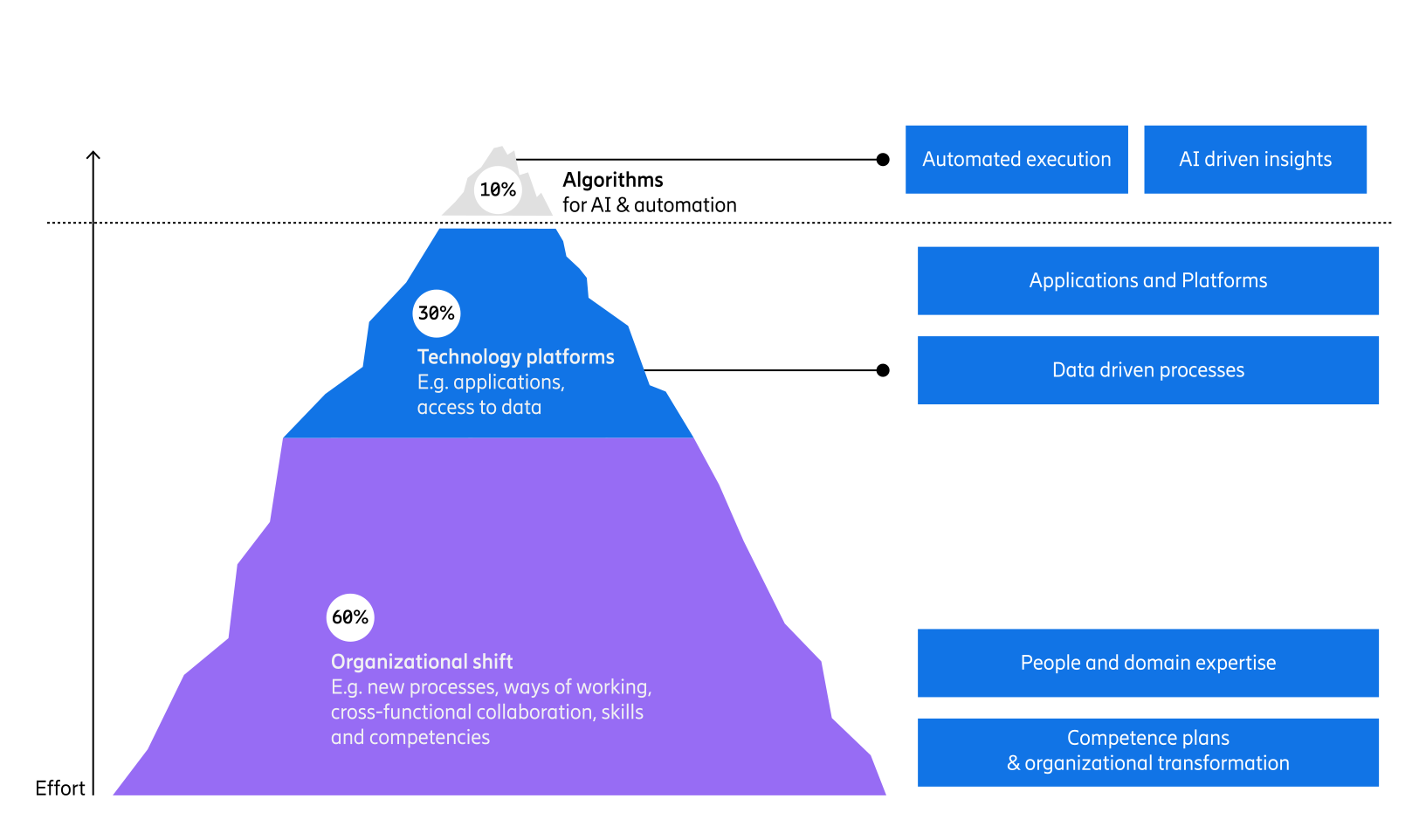
Digital transformation is not just about deploying new technology. It requires an organization to evolve its processes, roles, and culture to fully realize the benefits of automation, AI, and data-driven operations. 

After defining standard processes and the data that flows through them, serviced providers must redesign their functional models and define the right roles, skills, and behaviors needed to support digital ways of working. Our assessment of structures, governance, accountability, and competencies revealed clear gaps between the culture required for digital transformation and the current state, making a flexible people blueprint and a strong organizational change program essential.

Since around 60% of transformation effort involves people and organization, redefining roles, upskilling teams, and reshaping leadership behaviors are critical for the shift from human-led to system-led operations.

Ericsson Operations Engine supports this by mapping how every process and technology change impacts people, and by building structured workstreams for communication, training, and team formation. As many failed transformations show, technology alone is not enough. Success depends on an engaged, prepared workforce.

New infrastructure and application capabilities are required when transforming into data-driven operations. However, a common cause of failure is where transformation is centered on the adoption of a new tool platform.

Any change program is underpinned by the platforms and infrastructure working behind the scenes – that is not in dispute. However, only after the outcomes, organization, processes, and data needed are decided should you consider what applications are required and where to execute the service delivery. Of concern, though, are the high cost, the need for specialized equipment, and, maybe most intriguingly, data structure issues.

Automation and AI are essential for getting the most from our data-driven operations approach. The massive scale we manage enables global feedback loops that we leverage to constantly evolve our processes, grow our closed-loop automation and AI use case libraries, making it possible to handle a global network.

Explore our offerings further

Ericsson Operations Engine offerings define the end-to-end services that we use to deliver the business outcomes to our customers.

Explore Managed Network Services
Want to know more?

Stay tuned

News and press releases

Blog posts