









Businesses build 5G on wireless WAN foundation
Cellular networking’s well-established role at the edge of enterprise architecture is poised to expand, with the latency, bandwidth, and density improvements 5G offers.
Amid the many conversations taking place about 5G and its deployment pace, lies a quiet, albeit rising, wave of innovation at the edge of the enterprise wide-area network (WAN) space – at the edge of corporate networks. It’s where the rapidly evolving needs of businesses intersect next-generation networking and cellular technology.
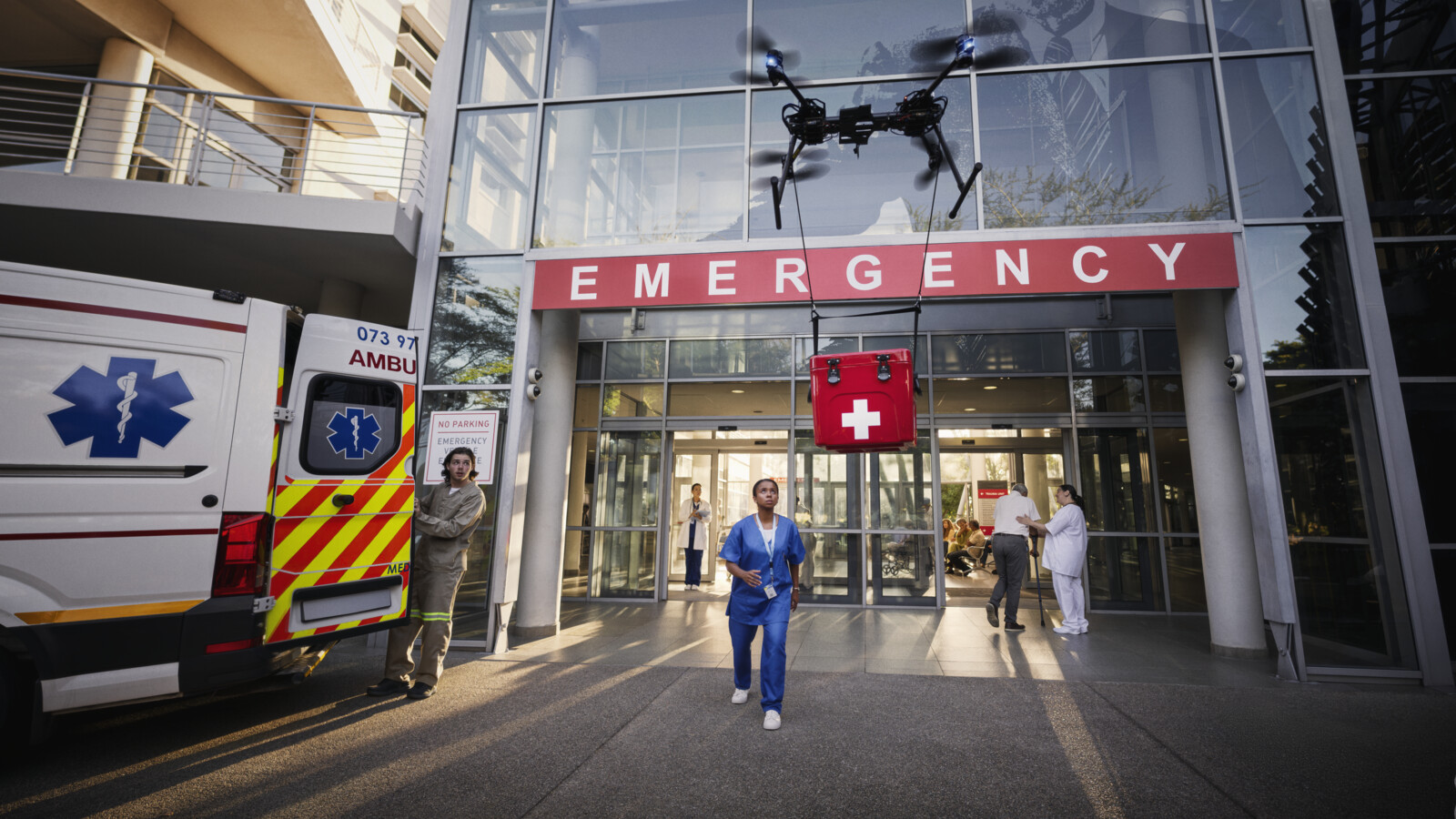
Take healthcare, for example. Globally, healthcare delivery is changing rapidly. This has been accelerated by COVID-19, but the seeds were planted long before. Vacant buildings, arenas and parking lots must be instantly convertible into testing or distribution centers and wards. Additionally, healthcare organizations have to figure out how to leverage IoT technologies, to send patients home faster while providing continuous monitoring and care. These changes have resulted in a more agile healthcare response to crises, as well as better patient outcomes and lower care costs.
From distribution, manufacturing and construction sites, to the “customer edge” where retail outlets, healthcare, first responder agencies and blue light emergency services are prevalent, the current and planned roles of 4G and 5G cellular at the WAN edge are expanding.
This new wave of WAN transformation, which mirrors business transformation, is called wireless WAN (WWAN). It is already underway, using today’s fast, reliable 4G cellular networks to expand connectivity and enable new ways of doing business, more streamlined business operations, and an improved customer experience. 5G is already becoming a catalyst, expanding use cases and unlocking even more intelligence and capabilities at the edge.
WWAN is essential infrastructure for enterprises
Enterprise WANs have come a long way since their brick-and-mortar connectivity roots. The rapid rise of cloud, mobile and IoT technologies have enabled new business automation and applications, forcing the enterprise WAN to go beyond fixed sites, and beyond wires. This shift puts tremendous pressure on connectivity at the WAN edge. While enterprises still need to connect fixed sites, such as plants, offices and stores, they also now have a plethora of other business-critical WAN connections, including temporary locations and pop-up sites, sensors, surveillance cameras, kiosks, digital signage, vehicles and even robots. In fact, according to results from a recent online survey of 499 IT decision-makers in the US, Canada and the UK, 40 percent of organizations already have branch locations, vehicles, and IoT devices connected via their WAN.1
With WANs taxed by continually increasing variety and velocity of connected devices, they need network connectivity at the edge that is agile, flexible, reliable, secure and performant. It also needs to be cost-effective and simple to manage at scale.
Enter, WWAN. Whether used as the primary or secondary link to connect fixed locations or the sole connection for IoT devices or a fleet vehicle, 4G and 5G cellular broadband at the WAN edge has become essential infrastructure for modern business operations.

This article was written in cooperation with Cradlepoint, a global leader in cloud-delivered 4G and 5G wireless network edge solutions. Cradlepoint works with service providers around the world to unlock the power of cellular technology for enterprise and public sector customers. Cradlepoint became an independent part of Ericsson in Q4 2020.
WWAN improves connection flexibility and expedites deployment
WWAN owes much of its popularity to the need for flexibility, as mobility becomes increasingly important at the edge. Customers are demanding that retailers bring their goods and services to where they live, work and play, rather than the other way around. Citizens are requesting similar service from their government agencies. Healthcare providers are using new technologies to close access gaps and patient care inefficiencies. First responders are leveraging connected technology to help keep their people safer and more productive, while serving the real-time information needs of their communities. All of these shifts in business activity and customer preferences require new forms of connectivity.
So, it stands to reason that the primary driver for IT decision makers (51 percent) to increase their use of cellular as a WAN link is to introduce new services.2 Business transformation and technology innovations are driving the need to connect new people, places and things to the enterprise WAN as quickly and easily as possible.
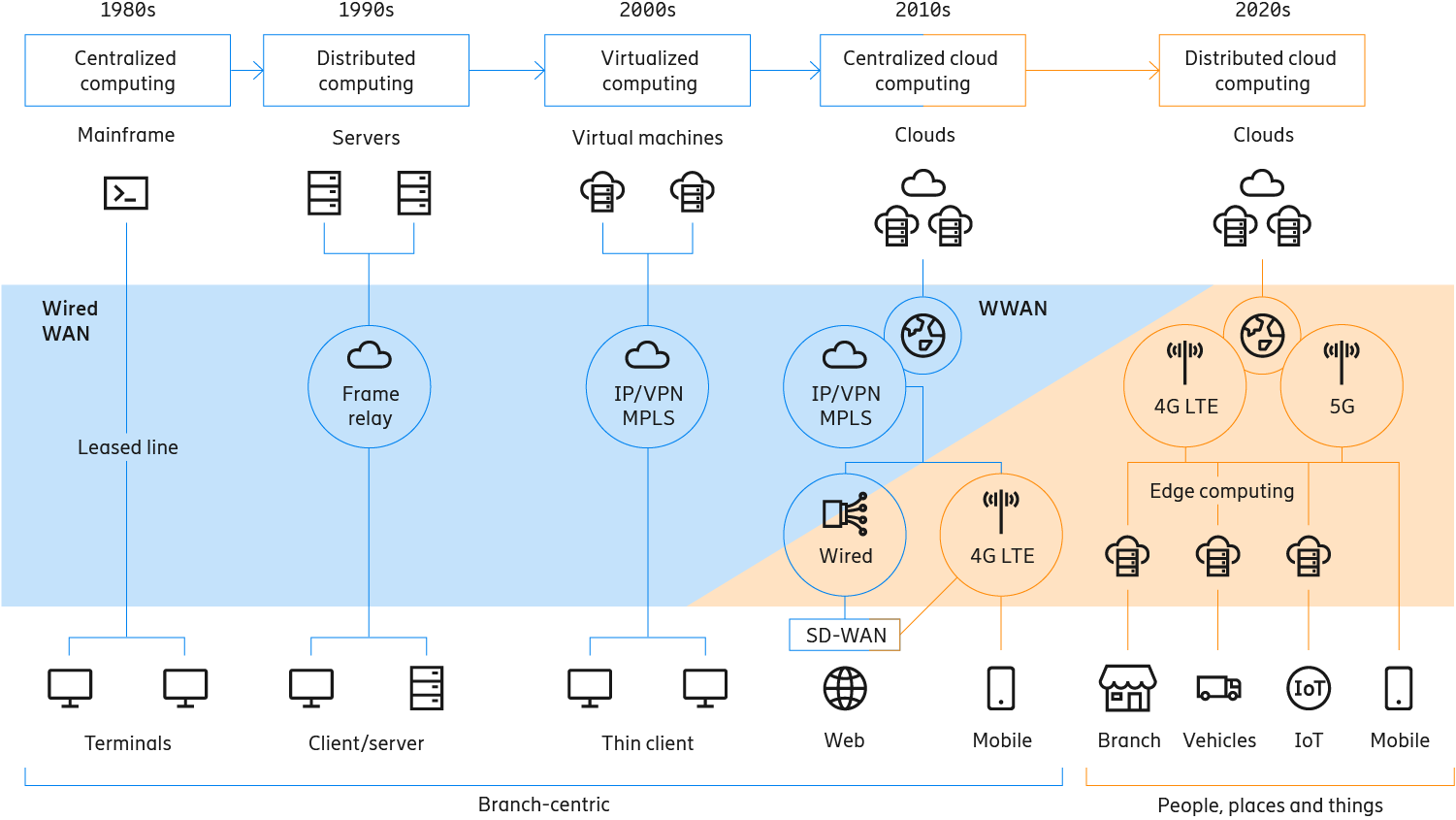
Figure 23: Evolution from centralized computing to WWAN
Few businesses can afford to delay opening new locations or rolling out Critical IoT applications while waiting on unpredictable fiber installations, which can take weeks or even months. In a recent study,3 based on interviews with technology leaders at 12 companies across a range of industries4 in the US and Australia that use 4G services for their WWAN solutions, it was found that they averaged about 35 days waiting for wired links to come online, as opposed to an average of 26 minutes to set up a 4G or 5G solution to provide initial “day one” network connectivity at a new location. In addition, the study showed that WWAN was a more reliable and cost-effective solution compared to wired connectivity.
WWAN minimizes network downtime
Over-the-air links such as 4G or 5G are natural back-ups to, or replacements for, in-the-ground wired lines. These are susceptible to costly internet outages. The businesses interviewed in the aforementioned study stated that at least 90 percent of their sites using WWAN as the primary link reduced their average mean downtime by 88 percent. Businesses with at least 90 percent of locations using WWAN for failover experienced a 62 percent reduction.
WWAN reduces overall costs
While cellular broadband may not be the best fit in every scenario, often it is the most cost-effective choice in the long term.
Companies that have switched from legacy links to WWAN report that their monthly per-site broadband costs were reduced by half and their per-Mbps costs were reduced by 90 percent.5 They also reported spending less time and resources troubleshooting WAN issues and managing internet service provider (ISP) contracts, which can prove unwieldy when dealing with hundreds of regionally-based wired vendors. WWAN usually involves just one or two nationwide network operator contracts.
What shifting from 4G to 5G looks like
4G has long been considered an ideal connectivity option for business continuity and mobility. The network performance improvements (speed, reliability, and capacity) provided by the latest generations of cellular technology, Gigabit LTE and 5G, are now making wireless an increasingly popular primary connectivity choice for stores, clinics and other fixed sites – which until now have mainly been dominated by wired networks.
With 5G technology improving speed, latency and connection density, network administrators and IT managers are identifying edge use cases that can be drastically expanded as old barriers to WWAN disappear.
In industries such as retail, healthcare, and law enforcement, opportunities abound for organizations to take WWAN to new heights – with 5G as the driving force. The online survey visualized in Figure 24 reveals high confidence among IT decision makers that 5G will provide enhanced capabilities, such as increased speed, better coverage and improved reliability compared to 4G. Bandwidth improvement was cited as a top driver for 5G adoption (60 percent) and many anticipate 5G to be an enabler for the introduction of new services (51 percent). As an example, 72 percent of the respondents are either confident or very confident that 5G is an enabler for useful AI and AR services. Sixty-seven percent of the respondents are either confident or very confident that 5G will deliver the promised business benefits within the next year.
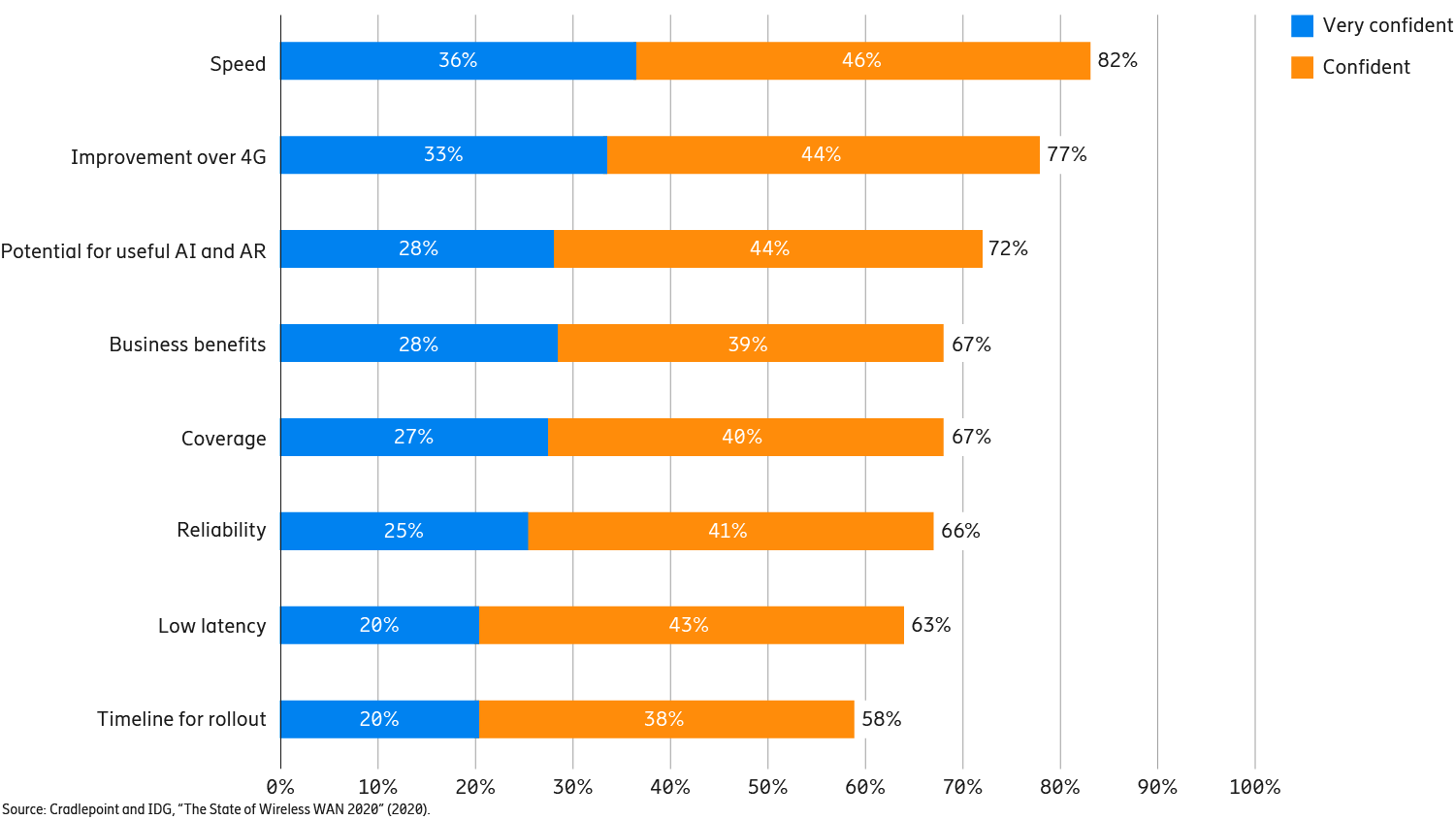
Figure 24: High confidence in 5G capabilities, today and tomorrow
Retail: 5G for expanding footprints and enhanced customer experience
The overarching popularity of online shopping has changed how and where consumers expect to be served. What’s more, customers who still choose to visit stores want a much richer and immersive experience than ever before. Beacon-based systems6 for personalized marketing in stores provide one such tool. Half of those surveyed for RIS News’ Smart Store of the Future report7 say they either have up-to-date beacon technology in place, or plan to integrate it within two years.
Heightened expectations also mean diminished tolerance for disruptions to the shopping experience. 4G has long been the best, most flexible option for ensuring WAN uptime. WWAN-enabled solutions help keep essential traffic at retail locations, such as credit card processing, connected and flowing. However, the amount of business-critical retail store systems and data that require nonstop availability is growing rapidly.
5G solutions provide the flexible and resilient bandwidth needed to ensure nonstop uptime for all in-store traffic. Additionally, 5G ensures that customer-focused services, such as guest Wi-Fi, surveillance cameras for security and wayfinders, are always operational.
The ability to expand their footprint deeper into communities and other places where their customers congregate is another benefit of cellular broadband for retailers. 4G, and now 5G, are the networks of choice for many companies as they expand their reach with kiosks, digital signs, contactless technologies, seasonal storefronts and pop-up venues.
5G brings new cellular network capabilities and attributes, such as low latency and increased bandwidth, that enable immersive technologies such as AI and VR. For the first time, a retailer can use WWAN to implement a virtual dressing room or live teleconferencing between a shopper and a remote fashion consultant, from anywhere.
Private 5G networks have the potential to transform cellular broadband’s role in retail, too. A large warehouse on a private cellular network could provide low-latency, secure and scalable “wide area LAN” connectivity for everything from order-gathering robots to autonomous vehicles and surveillance cameras.
Healthcare: 5G for enhanced remote care
Like shoppers, patients now expect more convenience, flexible service delivery and better outcomes from healthcare. Connected technologies including telehealth, IoT-enabled care at home, proactive video access to doctors and critical-care personnel for patients on hospital-bound ambulances, mobile testing vehicles and pop-up temporary care sites, make medical services abundantly accessible.
Telehealth may be the biggest tech trend in healthcare today. It has captured the world’s attention during the COVID-19 pandemic. Live video consultations and other services bring quality care directly to those who need it, regardless of location. As a result, healthcare organizations have begun equipping their doctors and care providers with cellular broadband solutions to ensure secure, compliant and reliable telehealth services can be dispensed from anywhere.
Many healthcare providers already use 4G-enabled IoT devices and applications in their clinics. Doctors and patients no longer have to be in the same place to gain access to real-time data from connected diagnostic and medical devices such as stethoscopes, otoscopes, vital sign monitors, ultrasound devices, blood glucose monitors and ECG machines.
5G could further improve remote healthcare. For example, a doctor can use specially designed haptic gloves and VR equipment to perform procedures remotely through robotic machinery.
The use of emergency vehicles is evolving too. Most ambulances in the US are already equipped with cellular in-vehicle networks to support computer-aided dispatch, mobile data terminals (MDTs), automated external defibrillators (AEDs), live video streaming and connected medical devices. These technologies enable the communication of critical patient information between the field and the hospital and help save lives.
Many of these ambulatory capabilities are being deployed over 4G today. However, the low latency, high bandwidth and security aspects of 5G are essential for mainstream adoption.
Law enforcement: 5G for live HD video during emergencies
Reliable, go-anywhere connectivity is the minimum needed by today’s law enforcement agencies. In the US, cellular broadband, together with Wi-Fi, ethernet, serial and other connections, have turned cruisers into roving communication hubs. Each in-vehicle network connects a plethora of IoT devices and sensors, from vehicle-mounted and body-worn cameras, notebooks and tablets, to critical backend systems at headquarters and in the cloud. Critical applications like computer-aided dispatch and fleet management are always connected and leverage real-time location data to keep officers safe and productive, and to ensure assets are maintained.
As 5G adoption spreads, the benefits of connected technologies to law enforcement, and the communities they serve, grows significantly. With 5G, officers can stream HD video from the scene to commanding officers in real time. It also enables the use of advanced recognition technologies, improved situational awareness via access to citywide surveillance cameras, and greater utilization of drones and robots. All of this keeps officers safer and better prepared, and makes information more readily available to the community.
Implications for service providers
While WWAN has the power to enable businesses and entire industries to transform, its impact on service providers is equally compelling. Where 4G networks fueled the consumer mobility app revolution, 5G is ideally suited to enable the hyper-connected enterprise. As consumer net adds and ARPU are flat-to-declining in mature markets, 5G enables service providers to offer compelling and differentiated network solutions to B2B customers. Not only are these services stickier and deliver higher ARPU, they provide the foundation for additional services.
Taylor Construction builds future with 5G as backbone
Prior to Telstra introducing Australia’s first 5G service plan for business, Taylor Construction had already been using WWAN solutions in its building site administrative trailers for years. Wired broadband takes too long to deploy, is complicated to decommission, and is difficult to relocate, whereas cellular broadband offered the flexibility to commence operations immediately.
The company had a model that worked: using all-in-one edge routers to connect laptops, tablets, printers, and architectural printers via Wi-Fi for the LAN and 4G as the WAN link. But Taylor Construction recognized that 4G soon wouldn’t be sufficient for its on-site administrative trailers – not with the variety of next-generation applications it was planning.
These technologies included:
- Holographic building visualization in which employees and customers use Microsoft HoloLens for mixed-reality visualization of virtual building models and schematics.
- Wide-area safety scanning uses 360-degree 8K streaming and QR code scanning from wireless video cameras to track who has completed safety training.
- IoT structural sensing is when smart sensors that aggregate and send data to the cloud are affixed to rebar and embedded in concrete.
- Real-time design display enables real-time visibility into digital blueprint adjustments.
- Large-site failover involves replacing expensive back-up fiber line with 5G, gaining fiber-like speeds with the diversity of a wireless connection.
Taylor Construction decided to trial Telstra’s 5G service plan through a solution that included 5G-optimized routers and cloud-based network management.
With a flexible 5G WWAN solution in place, the company quickly began seeing the WAN speeds and coverage necessary to support bandwidth-heavy connected devices and applications. These improvements will drive superior cost efficiency and client satisfaction on construction sites for years to come.
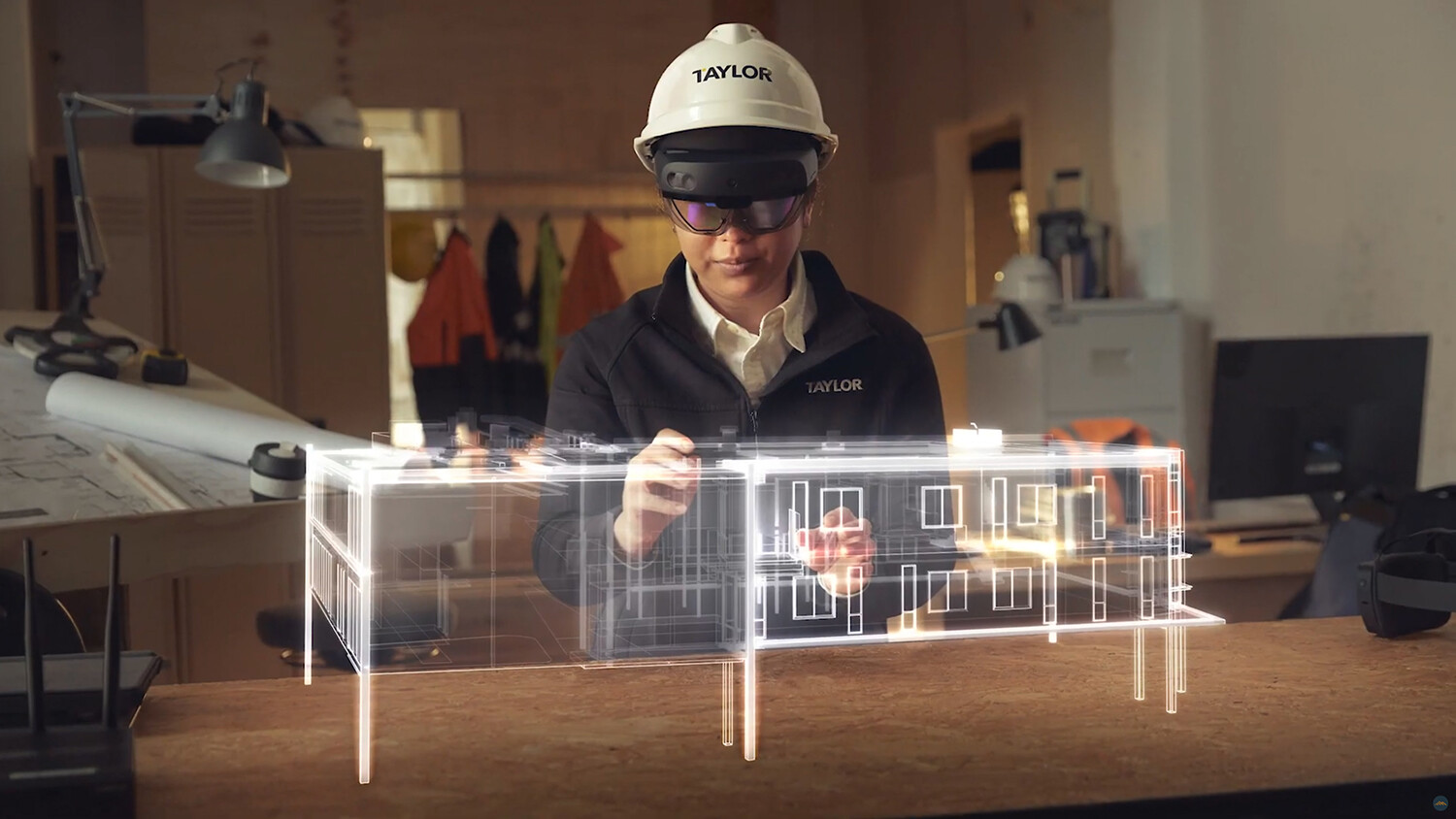
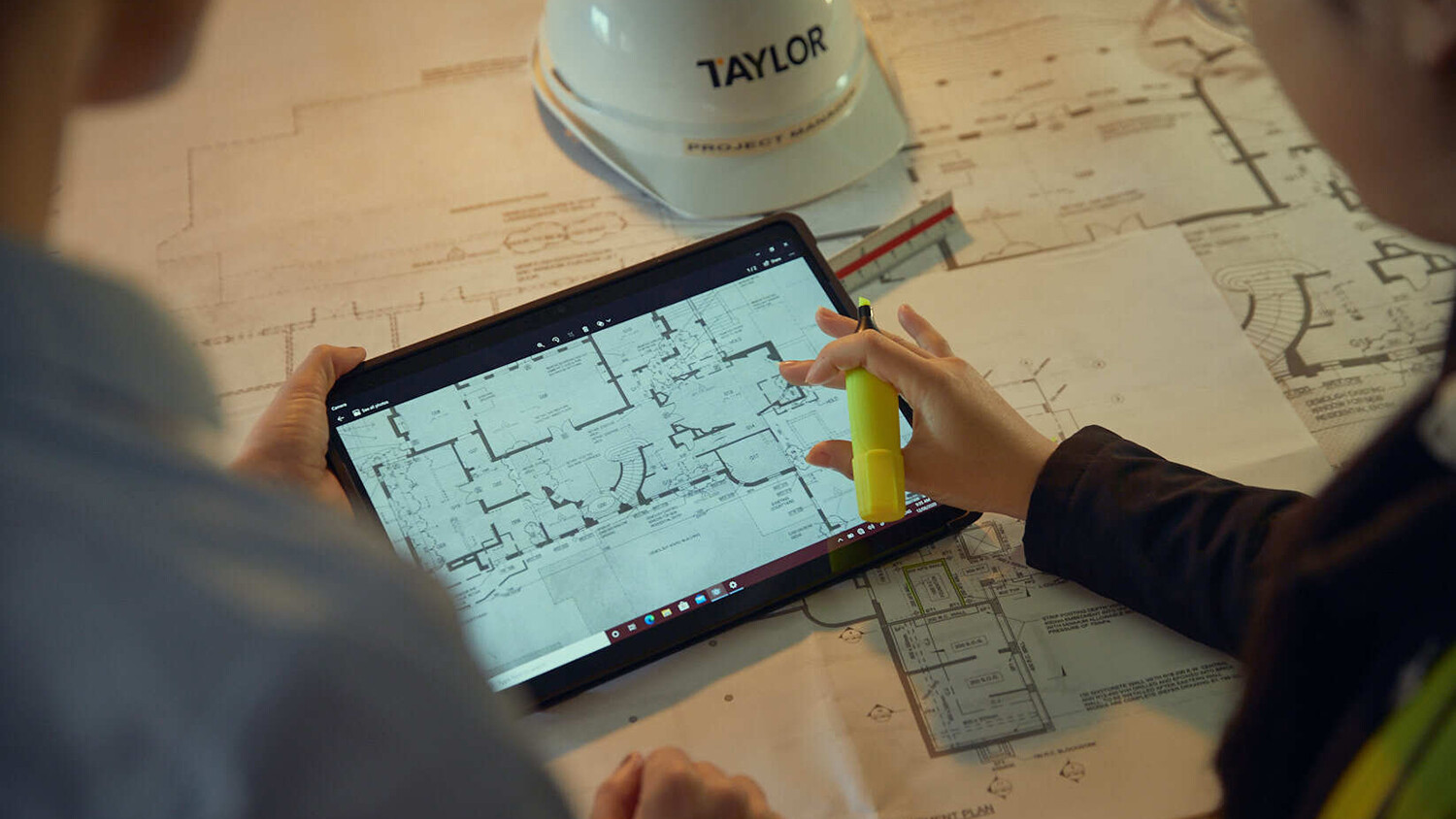
5G enables Taylor Construction to adopt innovative on-site use cases.
1 Cradlepoint and IDG, “The State of Wireless WAN 2020” (2020).
2 Cradlepoint and IDG.
3 Nemertes, “The viability of Wireless WAN for Business” (December 2020).
4 This includes large companies in retail, healthcare, professional services, logistics and a government agency. Three-quarters have revenues exceeding USD 1 billion, two-thirds have more than 2,500 employees and 58 percent have over 500 network sites in their wide-area network.
5 Nemertes.
6 Beacons are small, wireless transmitters that use Bluetooth to broadcast information to other smart devices nearby.
7 risnews.com/preparing-smart-store-future