











Mobile cloud gaming report
In the first report of the Network slicing early commercial use case series, we look deeper into the fast-growing mobile cloud gaming industry. Find insights, the value chain, business models, ecosystem, and how to offer mobile cloud gaming services.

Key findings
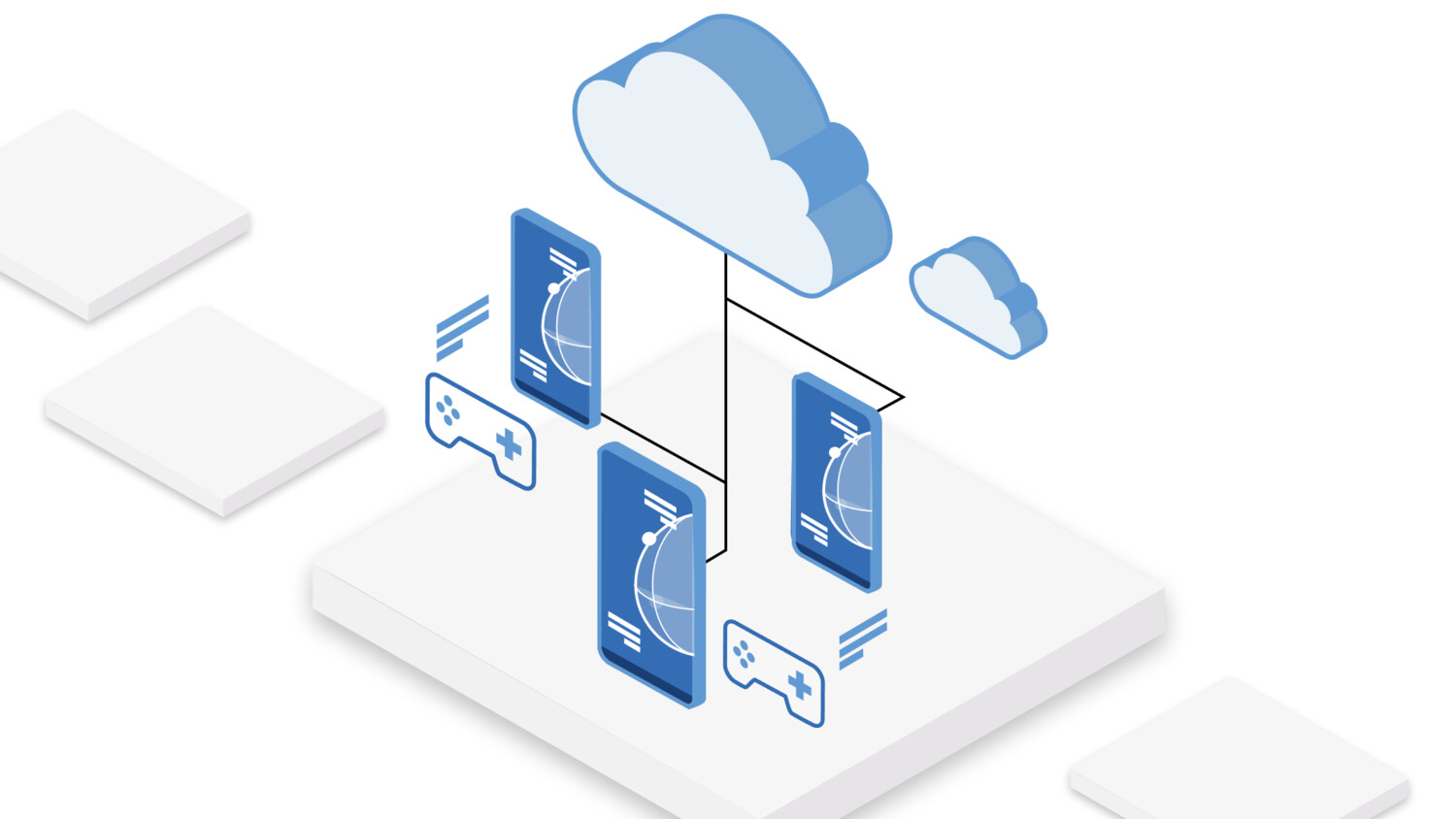
Network slicing proposition
Cloud gaming over a mobile network significantly raises the bar for the performance requirements—it may be the key success factor in extending this market. Guaranteed mobile performance of 20-40ms latency, >20-25Mbps will drive demand. Future AR/VR types of games will require significantly higher speeds and shorter latency, possibly <10ms.
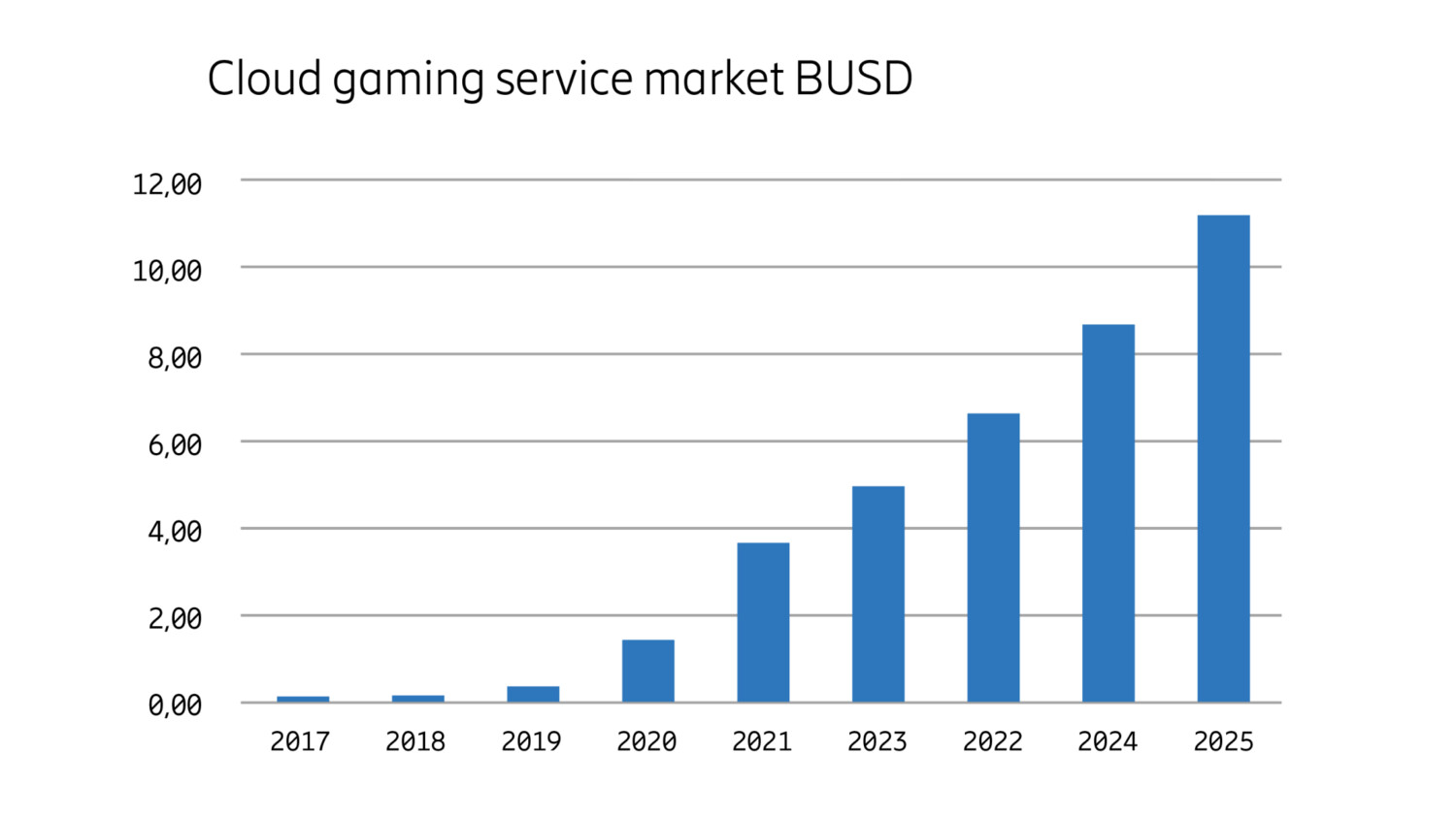
Trends in mobile cloud gaming
Cloud gaming is a new way of consuming video games and is set to grow significantly. The 5G mobile cloud gaming proposition is strongest for casual gamers playing 2-5 h/week and for the 5–15 h/week regular gamer segment. With cost and ease of use, smartphones are estimated to stand for 60% of gaming revenues in the US in 2025 (STL partners).
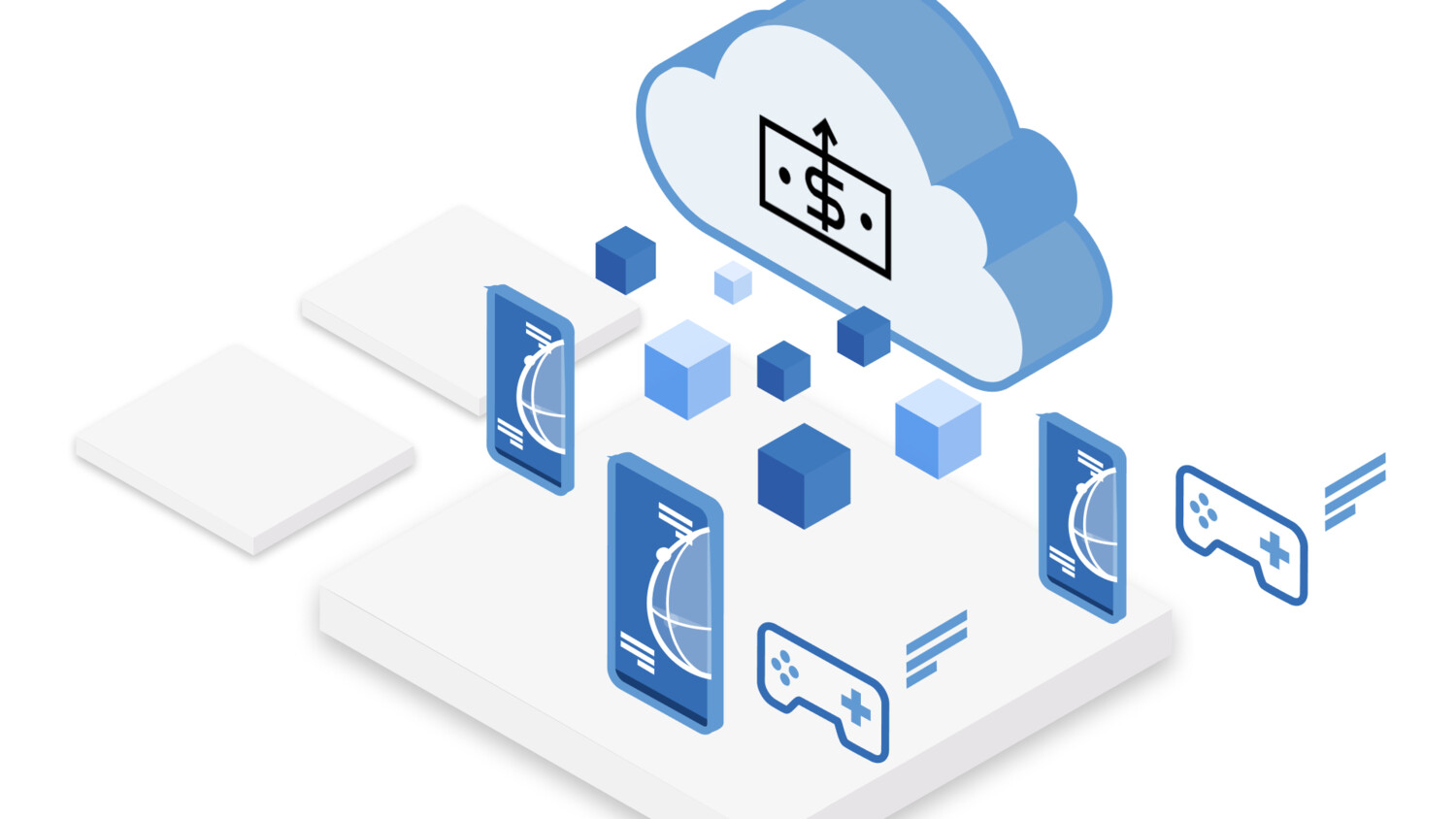
The opportunity for the CSP in the value chain
Many gamers are willing to pay for enhanced gaming experiences, and there is a high demand for the reliable and premium connection that slicing can enable. CSPs should look to partner with players in the value chain who bring either a strong content offering or a new capability to address different market segments.
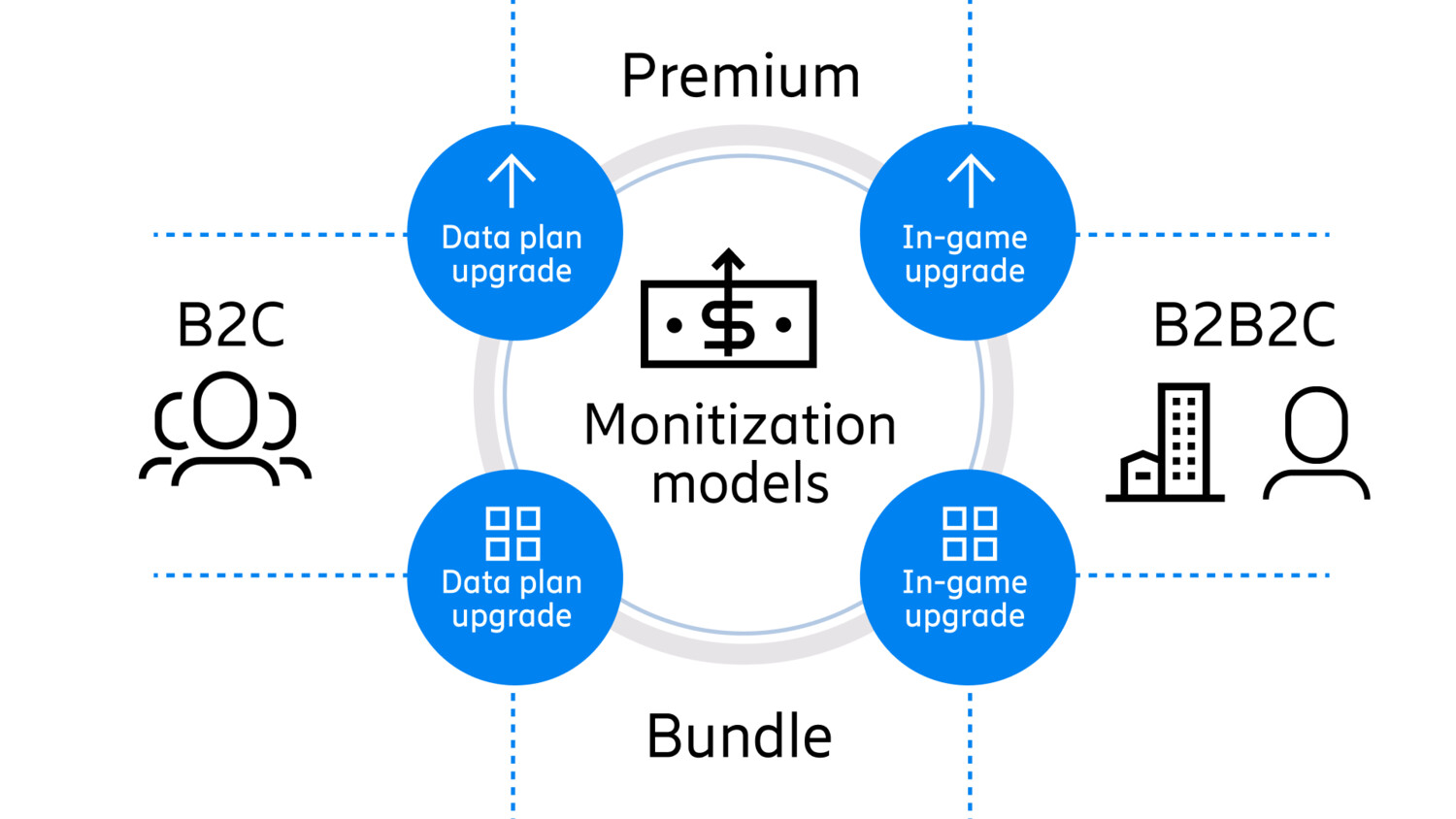
The business models for mobile cloud gaming
With slicing, we see opportunities to develop premium, or bundled, mobile cloud gaming services using different business models and monetization models. Findings from a study reveal that cloud gamers can pay up to $10.99 more for a guaranteed gaming experience on top of their 5G monthly subscription.
Go to market planning and next steps
The entire journey to commercialization can be seen as five stages; Explore, Define and commit, Build, Launch and operate, and Ecosystem growth. See the activities that need to happen in the first two steps to address this huge potential and start this journey of 5G monetization of mobile cloud gaming.
A positive business case
There is a positive business case, provided CSPs define their role in the gaming ecosystem and value chain, validate the target customer base and select business model. The global slicing-enabled revenue for gaming is expected to grow from 8 BUSD in 2025 to 19 BUSD in 2030, with a CAGR of 19%. The CSP-addressable part is 7 BUSD.
Mobile cloud gaming market segments
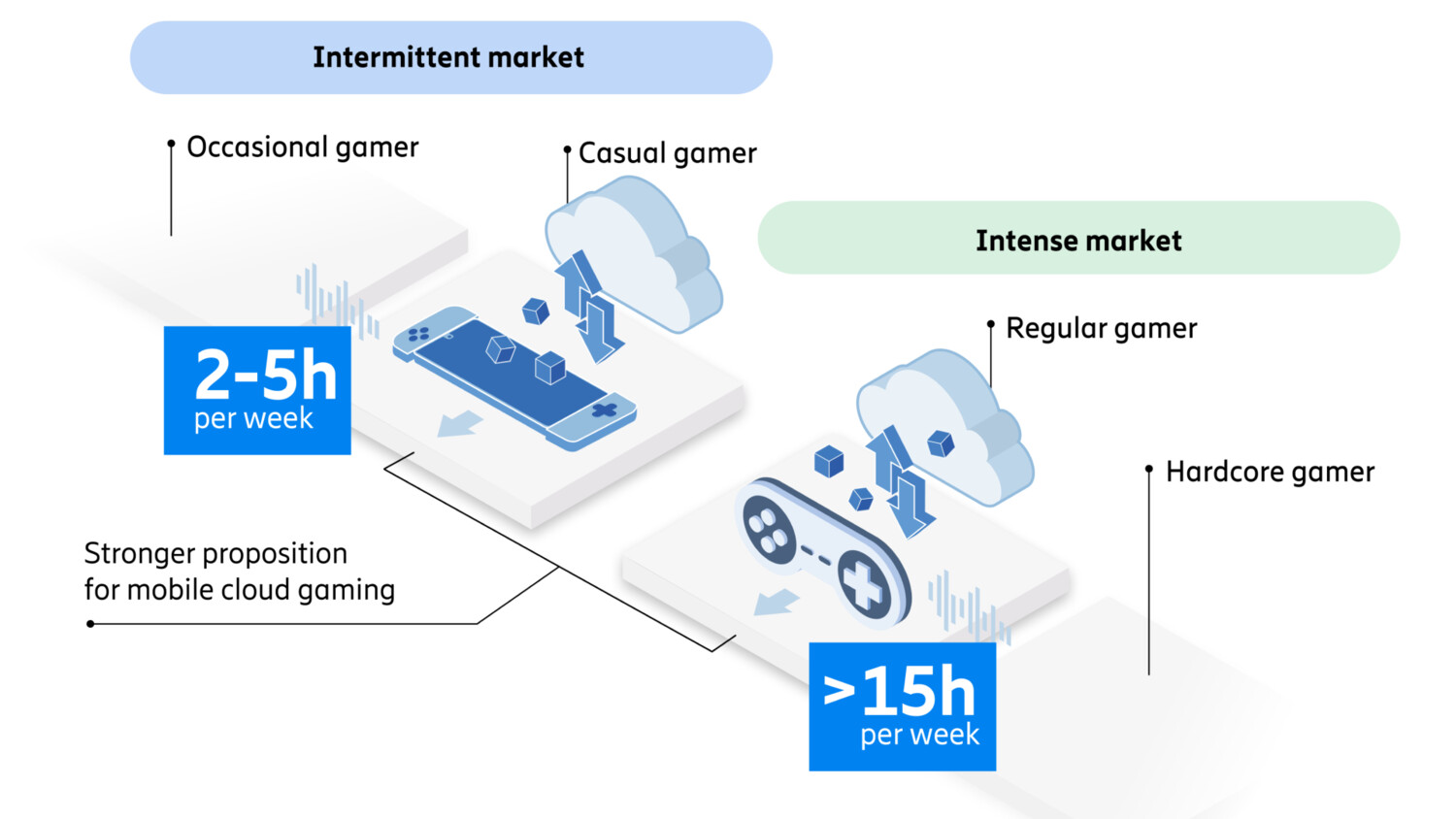
The 5G mobile cloud gaming proposition is the strongest in the casual and regular gamer segments.
Though generally centered around reliability, the proposition for slicing is nuanced across gamer segments. The intermittent market serves casual gamers (2-5 hours a week) and occasional gamers (up to 2 hours a week), and the intense market serves regular gamers (5-15 hours a week) and hardcore gamers who play more than 15 hours a week.
As shown above, we find slicing has the biggest potential for the casual and regular gamer segments. What will matter the most in terms of performance requirements are what type of game that is played—e.g., multi-player real-time games such as first-person shooters like Counter-Strike and car racing games will require low latency and low jitter.
Slicing offers a guaranteed high-quality experience without the need to invest in additional, expensive equipment like gaming PCs or consoles, as well as reliability while on the go. There will also be an ability to easily spin up and down the high-quality service, possibly not tied into lengthy contracts.
Business case analysis for North American CSPs

InCode consulting evaluated the adoption of cloud gaming among 5G subscribers in North America and the revenue uplift opportunity for mobile network operators. The study simulated a 5G network to serve the demand over the next years in a sample market, accounting implementation of cloud gaming slices that meet performance and latency requirements of major cloud gaming providers.
Findings reveal mobile operators can start monetizing their 5G networks and driving up their service revenues by targeting segments of their subscriber base like cloud gamers with performance-oriented network slices.