










Teaching machines human values
In a world where limitless connectivity improves lives, redefines business and pioneers a sustainable future, trusting technology will be key. But what does it mean to fully trust a technology? Artificial intelligence (AI) is already becoming commonplace in our lives, and data scientists predict that its successful introduction will benefit current and future generations both in terms of economic growth and overall societal wellbeing. The first in a series of reports, this edition aims to introduce the ethics of AI and explore how this fast-growing technology needs to align with humans’ moral and ethical principles if it is to be embraced by society at large.
The good, the bad and the unintended

Key findings

01. Lack of focus on unintended consequences of AI usage
Much of the AI research being conducted today focuses on ways to mitigate intended misuse of the technology. However, the experts interviewed generally agreed that the unintended consequences of normal deployment could be equally damaging and therefore need more attention.
02. The impossible challenge with bias in AI
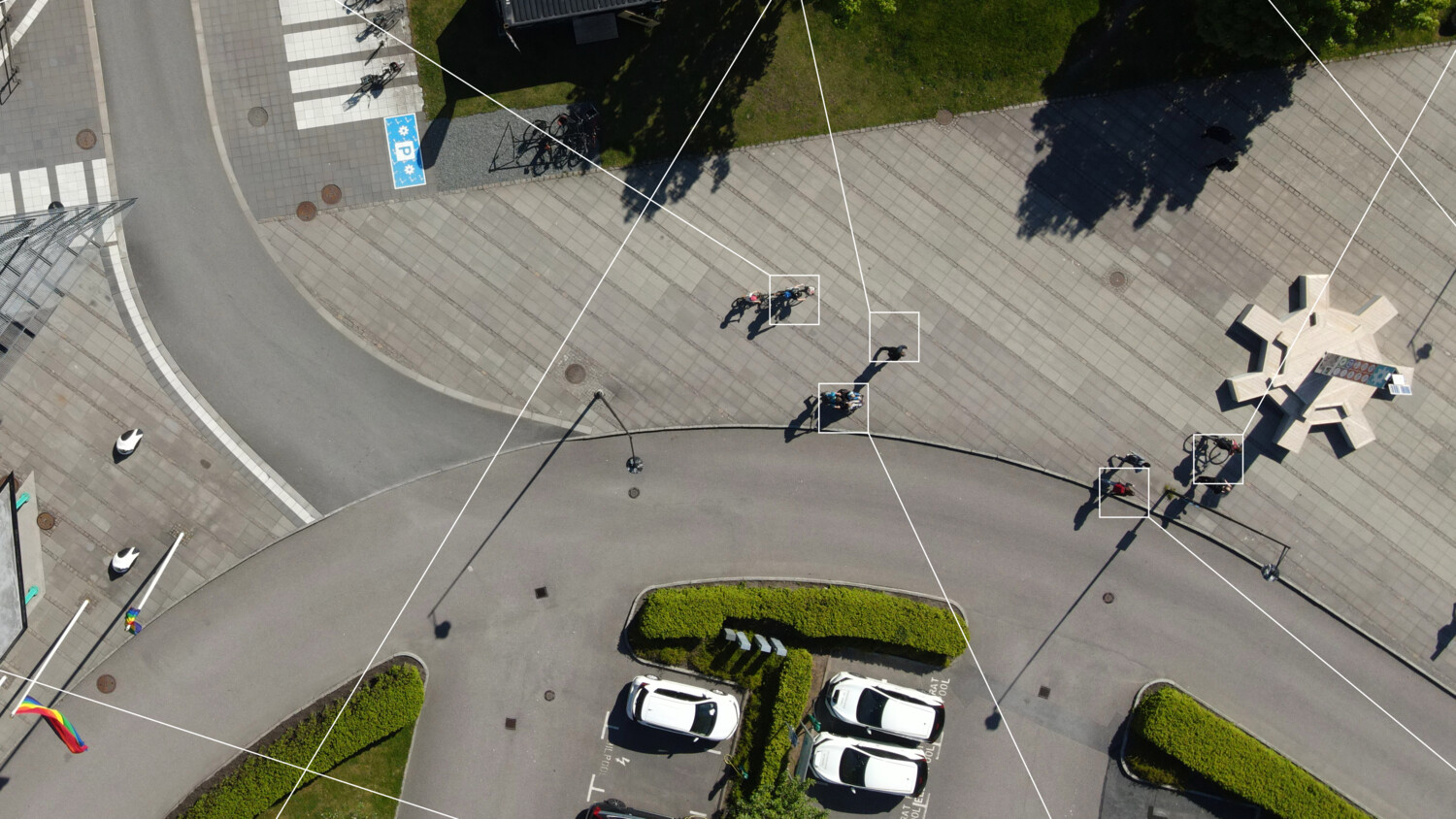
Left unchecked, biased data could risk furthering gender inequalities or fueling continued racial injustice. Indeed, several of the experts agree that striving for unbiased AI is virtually impossible, though they added that these effects could be minimized.

03. The paradox of trust
AI is often used to support human decision making so it is important to build up trust in these systems, but without fostering an overreliance on the technology.

04. AI ethics is important for everyone
AI ethics is not just important for data scientists – it’s crucial for everyone. AI will soon permeate many facets of people’s work and personal lives.
05. Today’s AI guidelines are not enough
To better support AI development for business, industry and society, today’s guidelines, rules and regulations need to be improved to cover more than just consumer-focused variables.
06. “Ethics by design” is key for acceptance
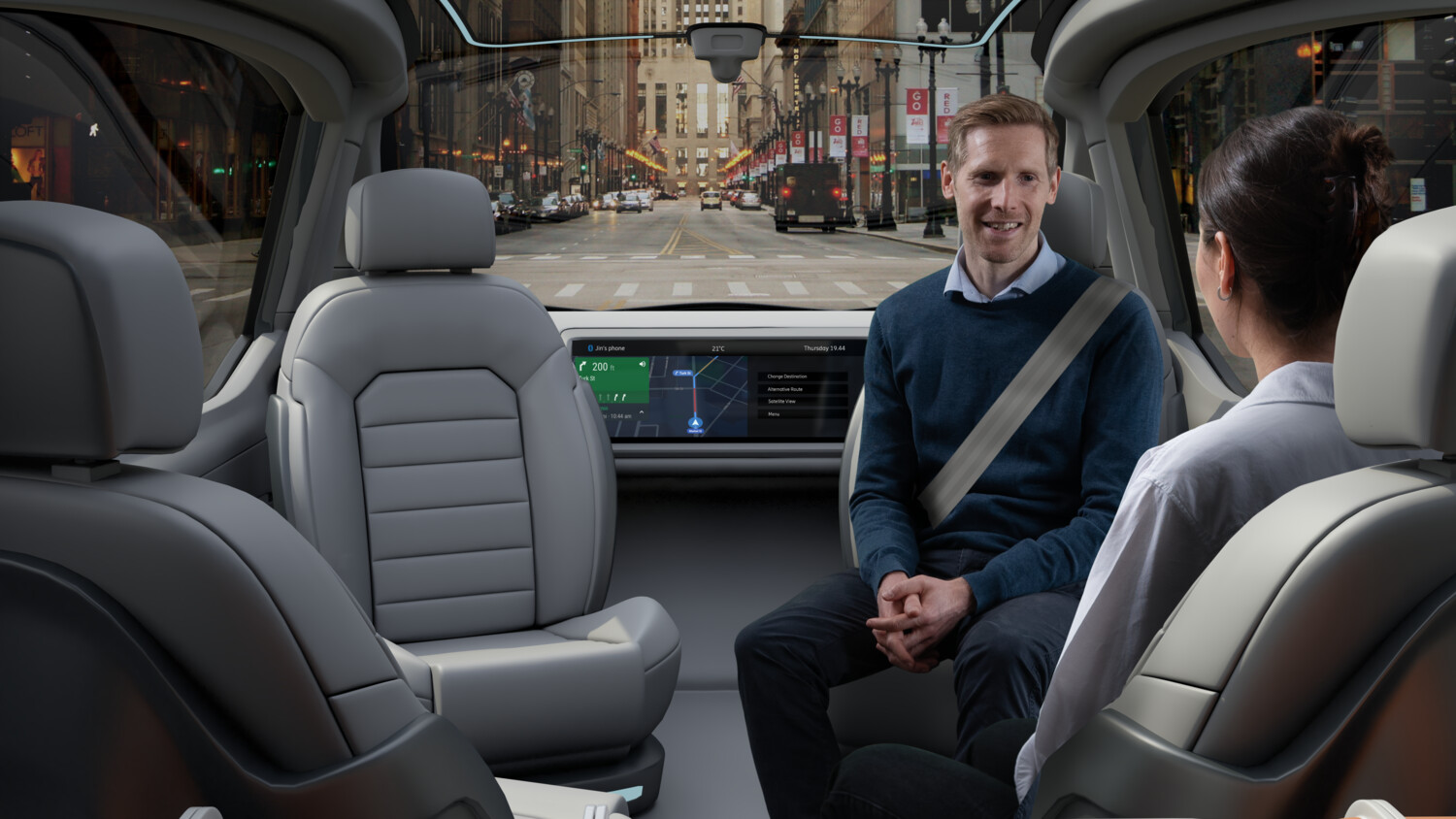
While technology itself can never be ethical, it can be ethically aligned. An ethical dimension should run parallel to areas like security and privacy within the design process – addressing these problems early will save time and money in the long run.
Related content