










5G spectrum for local industrial networks
Leveraging communications service provider assets and expertise
Introduction
Many industries are looking at 5G as the backbone of the Fourth Industrial Revolution. It is a golden opportunity for communications service providers (CSPs) to create and capture new market spaces by driving innovation, efficiency, and growth across various industries.
A key factor influencing the uptake of wireless solutions is the question of how to handle spectrum for industrial purposes, since reliable connectivity demands licensed spectrum. Some countries provide spectrum dedicated for industrial use, whereas others do not. The intention of this paper is not to discuss the pros and cons of such spectrum strategies, but rather to focus on industries with local radio coverage needs. It tries to show that whether spectrum is set aside for industries or not, CSPs are in the prime position to optimally address these industrial connectivity needs with powerful 5G networks and business models focused on industries. For regulators intending to implement spectrum dedicated to industrial use, this paper aims to describe how this should best be done using simple principles and the well-defined legislation already available in most countries across the world.
Cellular solutions for industries — huge business potential
There is a huge opportunity for CSPs to address industrial connectivity needs with 3GPP- based cellular technologies. The opportunity encompasses a range of industries, including diverse segments with diverse needs, such as those in the manufacturing, mining, port, energy and utilities, automotive and transport, public safety, media and entertainment, healthcare, and education industries, among others. Many enterprises in these industries are already CSP customers, with the total CSP share of the global addressable 5G-enabled market across these industries projected to be around USD 700 billion by 2030 [1], according to the 2030 Market Compass Report [2].
One of the objectives of this paper is to address concerns regarding spectrum access for those industries that are early adopters of 3GPP cellular technologies for limited areas — in particular, industries such as manufacturing, mining, and ports as well as those with the opportunity to use cellular technologies in their operations but which have not seen wide adoption yet, such as the airport, oil and gas, warehousing, hospital, education, and construction industries.
Taking manufacturing, with its estimated 1 million factories [3] (with more than 100 employees), as an example, typical business cases revolve around controlling the production process, improving material management, improving safety, and introducing new tools. Typical revenue increases come from increased throughput and quality (2-3 percent), while typical cost savings stem from improved capital efficiency (5-10 percent) and decreased manufacturing costs (4-8 percent) [4]. Additionally, ABI Research has shown that manufacturers can expect to see a tenfold increase in their returns on investment (ROIs) for cellular Industry 4.0 solutions, while warehouse owners can expect a staggering fourteenfold increase in ROI [5].
As another example, there are more than 2,300 active mining exploration sites in the world today [6]. In Boliden’s open-pit Aitik mine, for example, drilling productivity could be increased by 40 percent through automation of its drills alone [7]. Additional savings from increased usage of equipment could also lead to lower capital expenditures for mines (CapEx) as well as a better safety and working environments for their personnel.
A final example can be found in the potential of the world’s many ports. One case study examining the private 5G network trial for the automation of China’s Port of Qingdao indicated that a 70 percent labor cost savings could be achieved if 5G automation were to be fully implemented [8]. Our own research engagements in Italy’s Port of Livorno suggest much the same, with the potential for significant savings in port and quay operations as well as reduced berthing times for vessels and shortened cargo release times.
The challenging connectivity needs of industries
Wireless connectivity is increasingly becoming a necessity for business-critical services in industrial processes, such as those related to assembly lines and other modes of production. For manufacturers producing high-quantity and high-value products — for example, vehicles — high network availability and reliability are crucial. Considering that a vehicle manufacturing site finalizes a new USD 20,000-80,000 product roughly every 60 seconds [9], even a few minutes of assembly line downtime could potentially mean severe revenue losses. For many industries, service-level agreements (SLAs) will satisfy and regulate such needs for guaranteed network uptime and quality. However, some manufacturers seeking access to dedicated spectrum with the argument that it is critical for their operations and an essential part of their risk management will assert that without their own spectrum, they would need to demand legally binding liabilities for external service and spectrum providers. In the worst-case scenario, they would need to seek liabilities that span assembly line downtimes caused by connectivity failures, exposure to theft of data, or personal injuries. Recommendations for service providers are discussed in the Key success factors for CSPs chapter.
Another requirement is long-term propositions. A production facility is normally a 15-20 years lifecycle investment, and manufacturers will likely seek availability and reliability of their connection over this period. Considering that businesses tend to prefer freedom of choice when it comes to suppliers, the request would likely be to guarantee uninterrupted service for 15-20 years and, at the same time, maintain flexibility in the supplier dimension. Another point manufacturers would likely consider in this circumstance would be how to handle commercial agreements for equipment for such a length of time. One recommendation would therefore be that CSPs explore new business models to support industries’ needs for long-term service.
As industries become more digitalized, their dependence on connectivity increases and poses uncompromising requirements on availability and reliability. Unsurprisingly, there are different needs regarding the type of connectivity required. An electronic component factory, for example, might realistically need to power thousands of simple sensors in an energy-efficient way while, at the same time, require low-latency, cloud-based steering of robotic arms. A connectivity solution here will need to cater to various network needs simultaneously as well as cost-efficiently fulfill demanding use cases and services normally part of a public network, such as voice services, access to internet, and track and trace services. Figure 1 (below) shows an example of a smart manufacturing site with diverse wireless devices and a wide range of connectivity requirements.
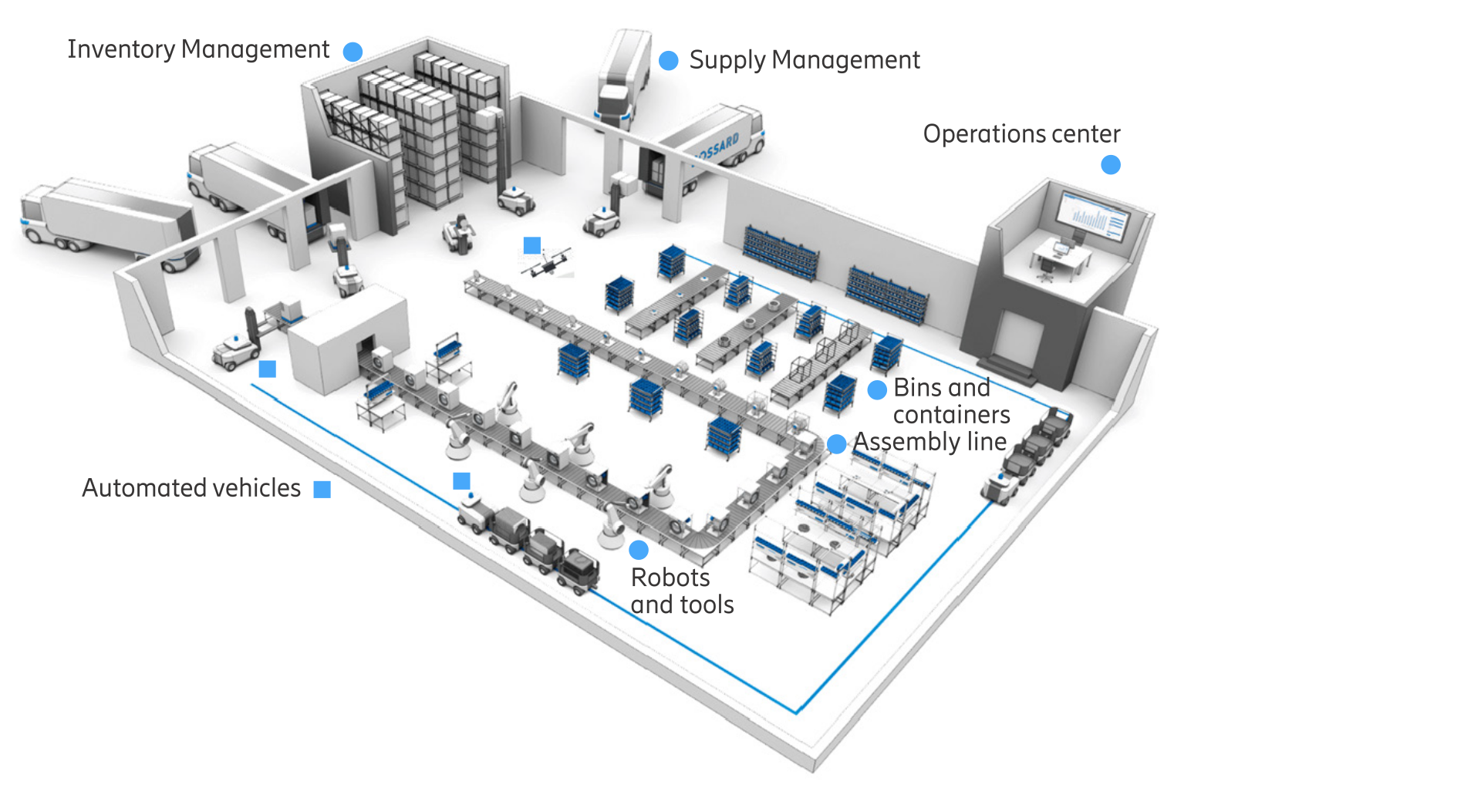
Figure 1. A smart factory with diverse use cases
However, the connectivity available at a given manufacturing site might not be enough to cover the complete set of requirements for an industry. Therefore, to enable cost-efficient upgrades in the aftermarket area and improve customer experience (for example), manufacturers might want the ability to upgrade and track products in the field — an ability for which local connectivity alone is insufficient.
Finally, different industries and companies can have different strategies regarding what operations are core to their businesses and should be kept in-house (as opposed to those bought as a service). This will likely be reflected in the way they address connectivity. Consequently, there is a need to cater to industries that would like to own and operate equipment themselves as well as those of the opposite inclination, whose services can be outsourced and provided by either their own private networks or from shared public networks.
Spectrum harmonization – a challenge
Harmonizing the use of spectrum bands across geographies is essential to achieving mass- market conditions which in turn enables cost-efficient and competitive industrial devices. Many countries have already begun to assign spectrum for 5G wide-area cellular networks, and quick regulatory actions and decisions have proven to be highly positive for all ecosystem parties, benefiting service providers and device makers with the ability to make technology investments as well as consumers with the possibility for earlier enjoyment of new generations of technology. Some countries have also begun to consider licensed/leased spectrum as part of industrial digitalization and industrial applications (see Figure 2). Germany, for example, allocated local licensed spectrum in 3700-3800 MHz band range to industries for their applications already in 2019, while Japan similarly announced the allocation of the 28 GHz band. Some nations, like Czech Republic and Denmark, have chosen an alternative way to dedicate spectrum to industries. They are including obligations in selected 5G bands for CSPs national licenses to offer local spectrum leasing to industries at a pre-defined price.
The approaches taken differ widely between regulators, and the allocated bands are in many cases shared with incumbents.
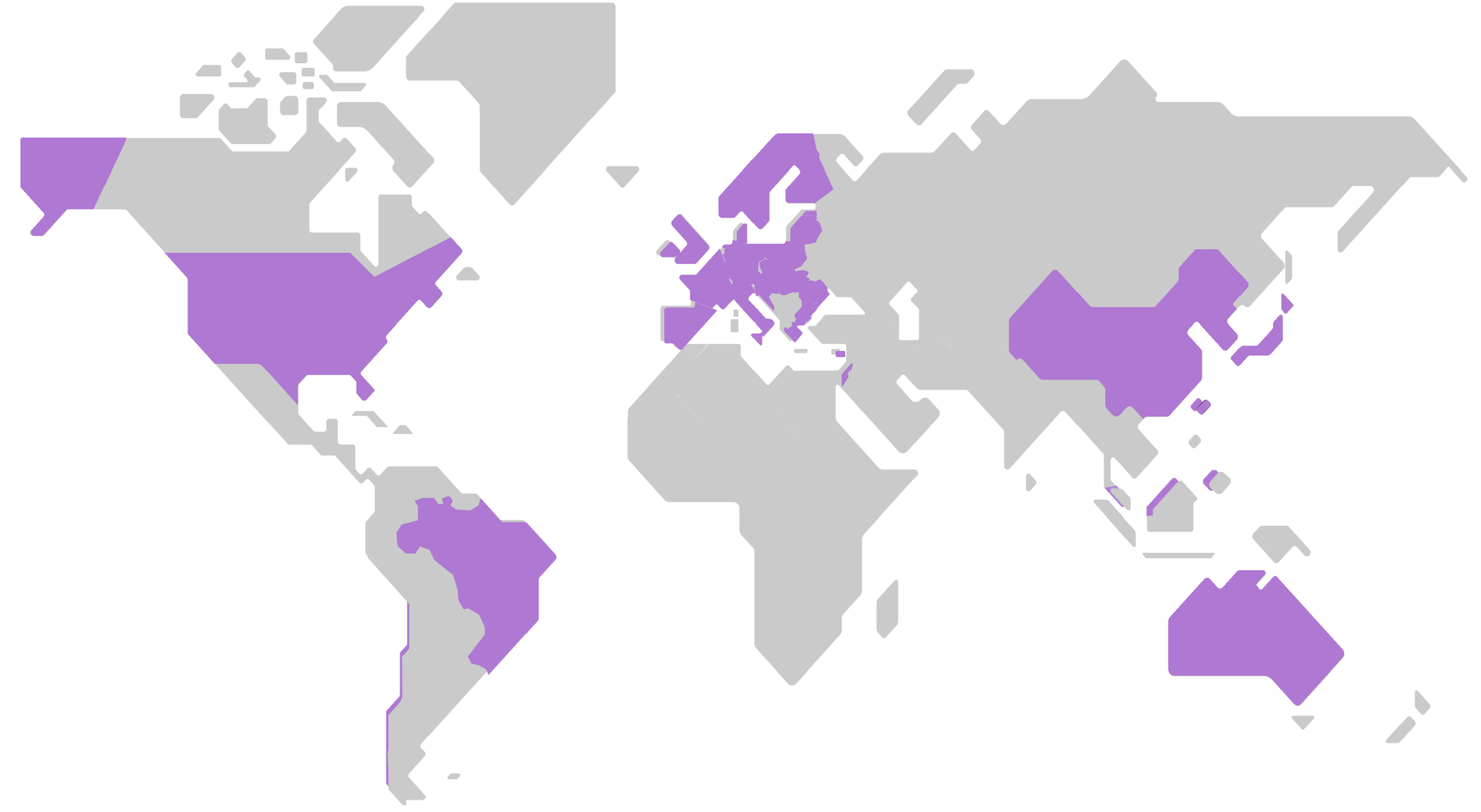
Figure 2. Discussions on spectrum for industries are ongoing or dedicated local spectrum is assigned. Includes spectrum made available by regulators through leasing obligations.
Mid band
Belgium, Brazil, China, Croatia, Czech Republic, Denmark, EU, Finland, France, Germany, Greece, Japan, Netherlands, Norway, Poland, Republic of Korea, Slovenia, Spain, Sweden, Switzerland, Taiwan, UK, US
High band, mmW
Australia, Austria, Brazil, Denmark, Finland, Germany, Greece, Hong Kong, Israel, Japan, Norway, Republic of Korea, Slovenia, Spain, Sweden, UK
Regarding the locally licensed/leased spectrum considered by administrations, these diverse allocations pose challenges to building a device ecosystem for industrial applications. Device chipsets need to be supported not only by an ecosystem of traditional mobile broadband (MBB) devices but also by an ecosystem that includes industrial devices of varying complexity on different spectrum bands. These ecosystems, however, are still under formation.
The European Commission (EC) has identified the demand for mid-band licensed spectrum for vertical users and other terrestrial wireless local area use cases. In 2022 EC issued a Mandate to CEPT to investigate the shared use and harmonized frequency arrangement of the 3.8-4.2 GHz frequency band for local area connectivity [10]. The EC will in 2025 formulate a Commission Implementing Decision which is mandatory for member states. The time plan is for member states to designate and make 3.8 – 4.2 GHz frequency band available on a non-exclusive basis by 2026.
In Appendix A1, a snapshot can be found of the spectrum allocations and regulatory discussions on assignment of spectrum dedicated for industrial applications at the time of this paper’s writing (March 2025).
Requirements on regulation principles for locally licensed/leased spectrum
Regulators and policy makers have a different set of challenges. In countries that have decided (or are planning to decide) on locally licensed/leased industry spectrum, regulators and policymakers must find an easy-to-understand and cost-efficient model for its regulation. If implementing locally licensed/leased spectrum for industry purposes, they must ensure that its utilization is efficient. Additionally, it is important to note that the way in which licensed/leased spectrum is managed within countries also impacts the appeal of the 3GPP path. When licensed/leased spectrum is offered locally with the objective of satisfying the needs of industries, a few basic requirements should be fulfilled as to how this is offered.
These requirements include that:
- Access to spectrum must be predictable over a long period of time to support uninterrupted operation and major investments in production processes and industrial facilities having a lifecycle of typically 15-20 years.
- Schemes awarding excessive first-mover advantages should be avoided so that industries or other players do not block spectrum through spectrum hoarding.
- Local spectrum not yet licensed/leased to industries should be kept available to increase spectrum utilization efficiency for spectrum license holders (such as CSPs), though with a sufficient safety margin to ensure that existing local networks are not subject to interference. It should be noted that radio network providers and device makers can potentially face challenges with developing solutions for unique frequency bands unless the availability of devices and an ecosystem are factored into the decision of dedicating frequencies for locally licensed spectrum.
Key success factors for CSPs
CSPs have long been successful in the MBB market and are well positioned to capture value in the emerging connectivity market for industries, leveraging cellular solutions, 3GPP competence, flexible spectrum assets, public network infrastructure, and the development of new, innovative business models.
Unlike MBB, the industries’ connectivity needs are extremely diverse. So, to realize cellular connectivity for all industries in a systematic way, we at Ericsson have defined four IoT connectivity segments that can efficiently co-exist in a single 5G network. These include:
- Massive IoT, with connectivity targeting a massive number of low-cost, narrow- bandwidth devices with extreme coverage and long battery life capabilities. The massive IoT ecosystem is based on narrowband IoT (NB-IoT) and LTE category M (Cat-M) access with tens of millions of commercial users in 2020, operating in FDD bands [11] [12]. Common use cases include various types of low-cost sensors, meters, actuators, trackers, and wearables.
- Broadband IoT, for connectivity providing much higher data rates and lower latencies than massive IoT while enabling extended device battery life and coverage for devices with significantly wider bandwidth than Massive IoT devices. Based on a wide range of LTE device categories (LTE Cat-1 and above) in frequency division duplexing (FDD) and time division duplexing (TDD) bands, broadband IoT has more than 500 million users globally. Broadband IoT usage is presently dominated by vehicles, wearables, gadgets, cameras, sensors, actuators, and trackers.
- Critical IoT connectivity, delivering time-critical communication for data delivery within specific latency targets with required guaranteed levels [13]. Critical IoT will be introduced in all 5G bands alongside the advanced time-critical communication capabilities of 5G NR, which will be further enhanced with 5G core (5GC). It includes 5G’s most powerful, ultra-reliable and/or ultra-low latency features. Typical time-critical use cases include cloud-based AR/VR, cloud robotics, autonomous vehicles, real-time fault prevention, haptic feedback, real-time control, and the coordination of machines and processes.
- Industrial automation IoT, enabling the seamless integration of cellular connectivity into the wired industrial infrastructure used for real-time advanced automation. It includes capabilities for integrating 5G systems with real-time Ethernet and time-sensitive networking (TSN) [14]. These capabilities mandate 5G NR and 5GC [11].
The IoT connectivity segments have a cost-effective, smooth, and future-proof evolution intended to accelerate adoption in the ecosystem and minimize the total cost of ownership (TCO).
As depicted in Figure 3, each IoT segment addresses a distinct set of connectivity requirements across various industry verticals, maximizing returns on investment (ROIs) for CSPs.
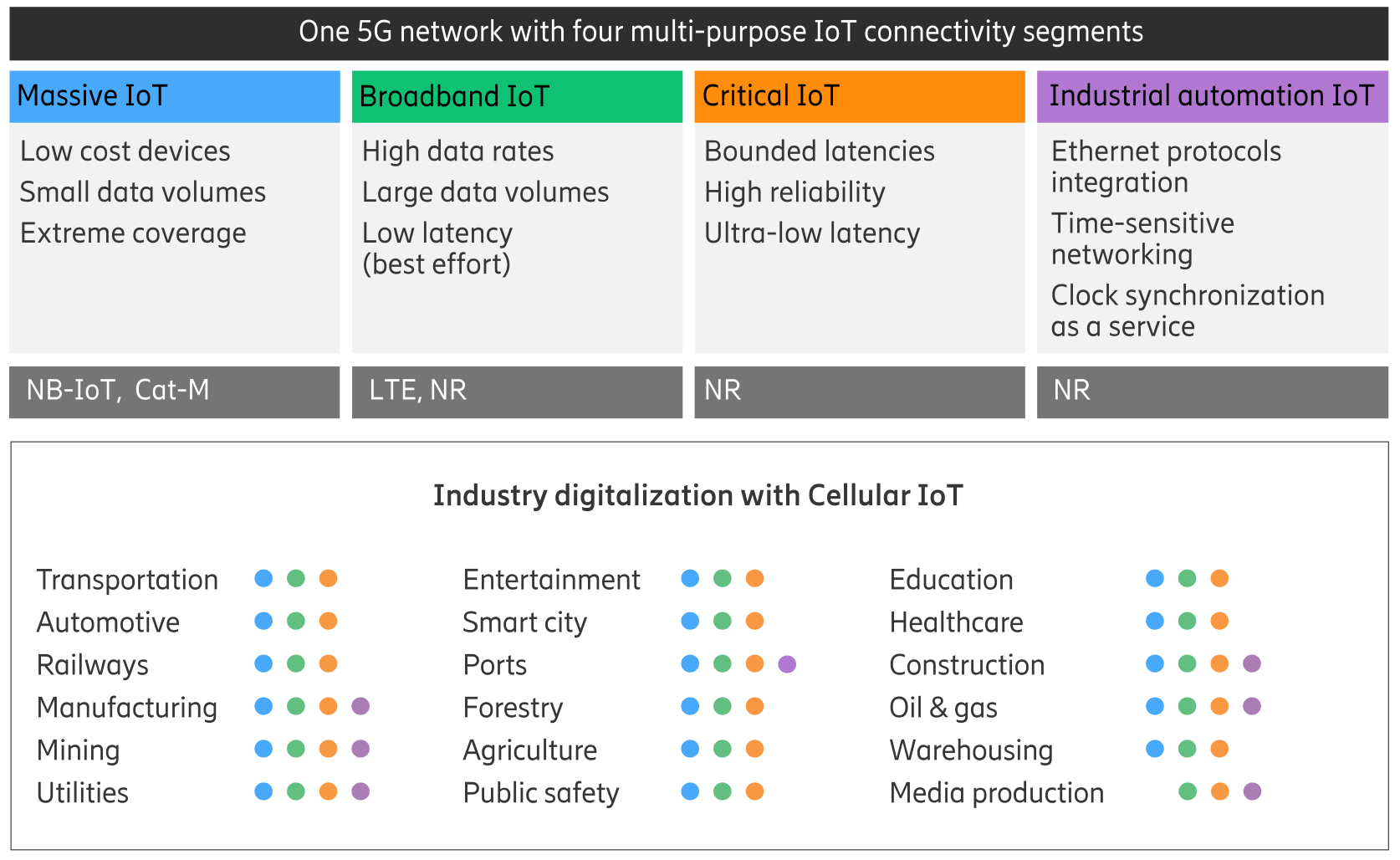
Figure 3. Industry digitalization with cellular connectivity
The flexible spectrum assets of CSPs enable them to address industry needs in the best possible ways, even in countries with locally licensed/leased spectrum for industries. Different frequency bands have complementary characteristics, with low bands being ideal for coverage and availability and having the most diverse device support (though with typically smaller bandwidths), mid bands offering significantly improved capacity with a good balance of coverage, and high bands delivering a major capacity boost (though with limited coverage).
For TDD bands, there are trade-offs to consider between capacity, latency, and coverage, depending on the choice of the TDD transmission pattern. Additionally, when using a TDD band, an important aspect is synchronized TDD patterns with respect to networks on the same or adjacent spectrum. mmWave bands have better isolation than mid-bands due to the radio wave propagation characteristics and, consequently, have relatively relaxed TDD coexistence constraints.
Figure 4 shows the benefits of leveraging the flexible spectrum assets of CSPs to deliver optimal results in terms of performance, diversified use cases, system capacity, and indoor/ outdoor coverage, with or without local spectrum. In most regions, locally licensed/leased spectrum is in mmWave bands, sub-6GHz TDD bands, or both mmWave and sub-6GHz TDD bands. Leveraging CSPs’ spectrum assets with complementary characteristics can provide major benefits, including improved coverage and availability, Cat-M/NB-IoT access, and low latency. While spectrum in the sub-6GHz band range can bring good coverage and capacity, mmWave spectrum can boost capacity and reduce latency. As another benefit, CSPs can leverage their public spectrum assets to provide premium MBB and voice services to industries. For its part, 5G inter-band carrier aggregation can also be employed as a powerful tool by dynamically routing traffic through different carriers (across CSP spectrum and local spectrum), achieving the best trade-offs in terms of coverage, reliability, latency, spectral efficiency, and capacity.
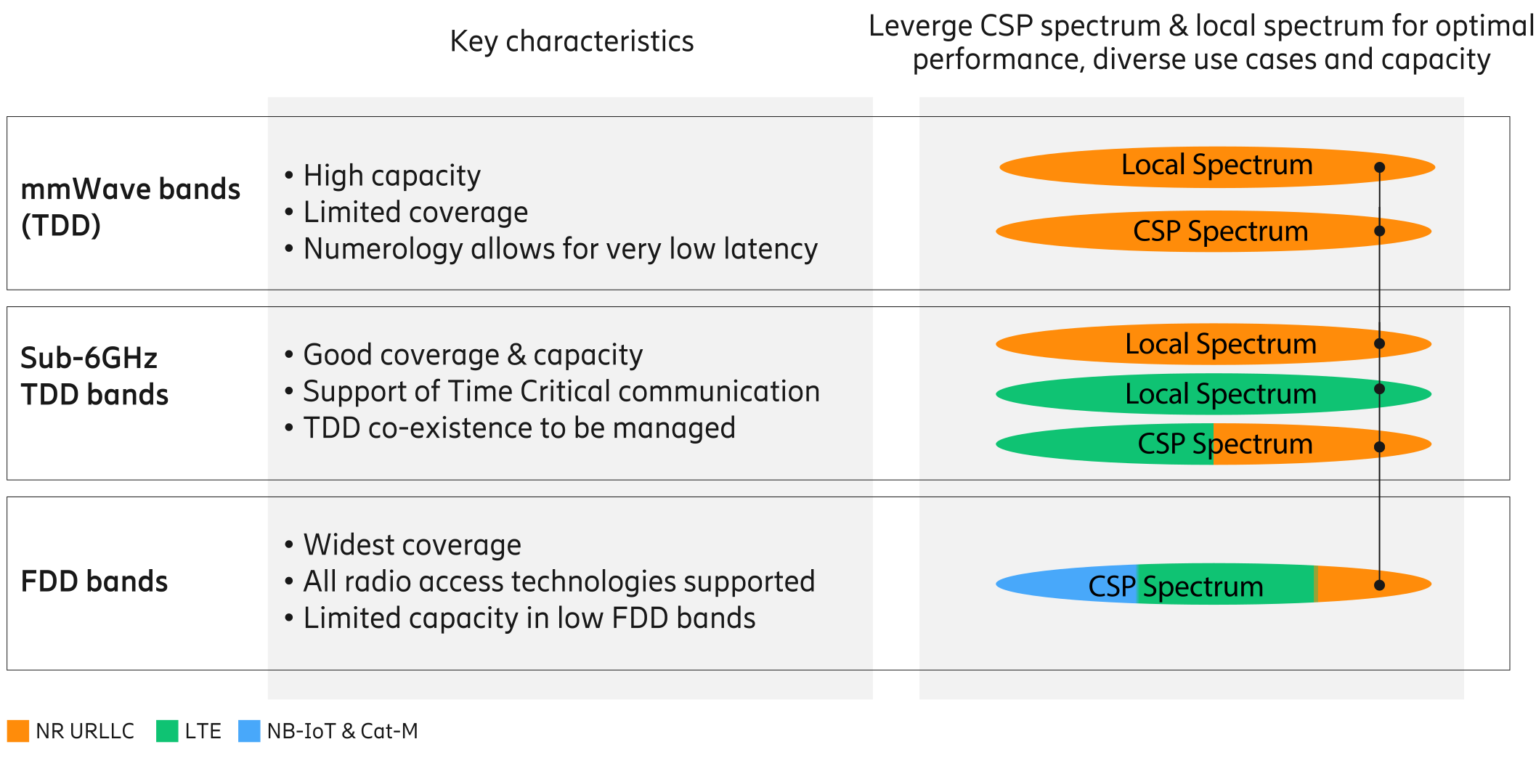
Figure 4. Leveraging CSPs’ flexible spectrum assets with or without local spectrum for industry digitalization
Depending on industry strategies regarding what operations are core to their businesses and kept in-house (as opposed to those bought as a service), cellular networks can be deployed in various ways by a communications service provider. Broadly speaking, there are two main network deployment concepts for addressing industrial connectivity needs [15] [16]:
- non-public networks (NPNs) in conjunction with public networks (PNs), where network resources are shared between public and non-public users
- standalone non-public networks, where independent standalone networks are deployed for non-public use
Deploying a non-public network in conjunction with a public network allows reuse of network infrastructure, efficient utilization of spectrum, and seamless mobility. The network infrastructure can be deployed inside or outside an enterprise’s premises in part or in its entirety and can be shared between public and non-public users. There are three ways of realizing this:
- shared RAN, where RAN is shared between public and non-public users while the rest of a network’s components are kept segregated (all non-public data and control traffic stays within an enterprise’s logical premise)
- shared radio access and control plane, where a core network control plane is hosted in a public network in addition to the shared RAN (non-public user data remains local while control traffic leaves the enterprise’s premises, allowing seamless roaming of non-public users)
- non-public networks hosted by public networks, where non-public user data leaves the enterprise’s premises while still allowing the enterprise to obtain dedicated resources from a CSP’s infrastructure (for example, through end-to-end dedicated network resources across radio, transport, and core networks) with a service-level agreement (in which scenario a CSP can also deploy radio access nodes inside the enterprise’s premises for radio coverage and performance reasons)
Figure 5 (below) depicts the high-level architecture of non-public network deployment options. Here, logical connections are shown between different components of the network.
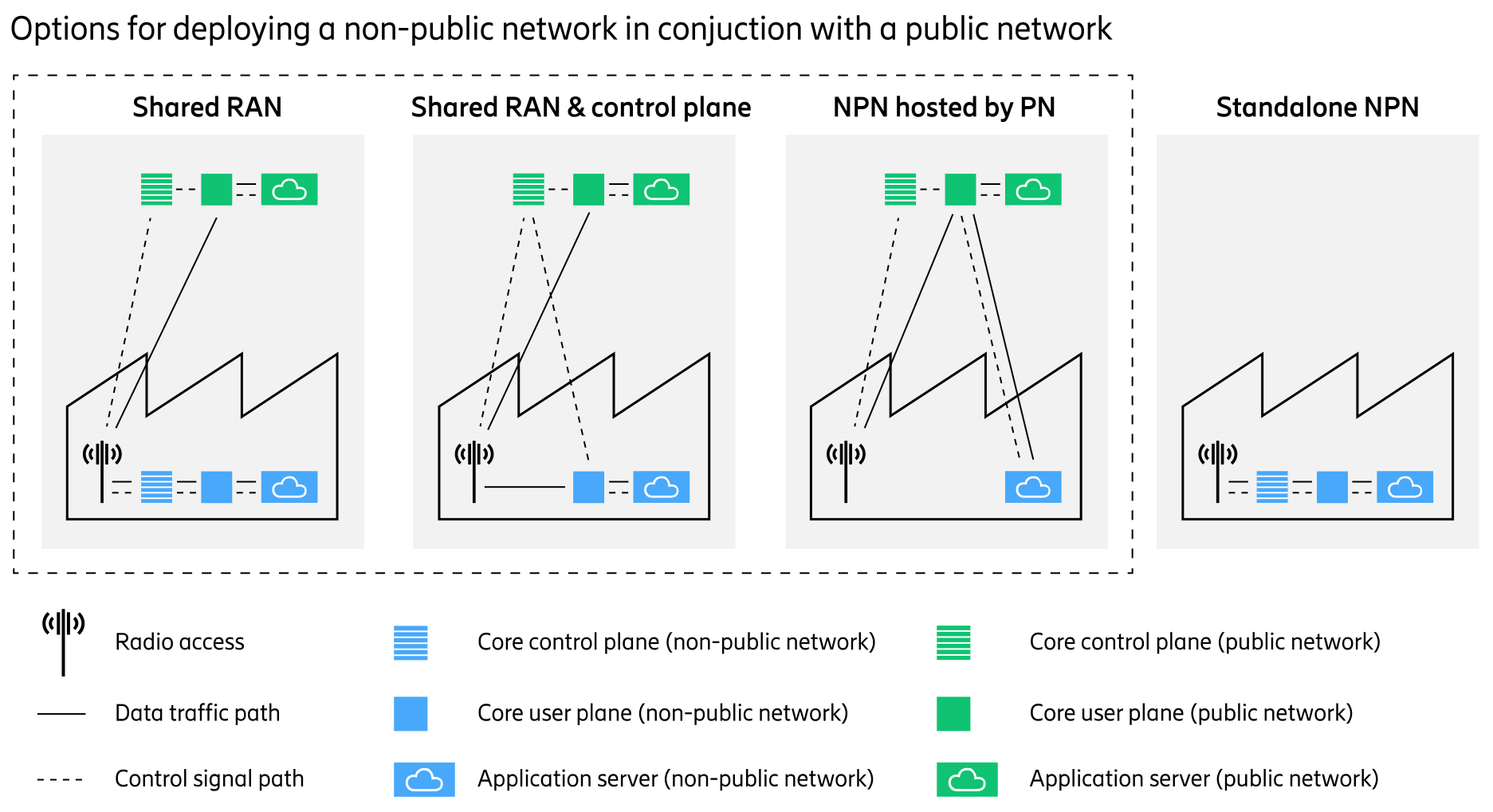
Figure 5. Deployment options for non-public networks
CSP skill and experience in designing, building, managing, and maintaining cellular networks can be instrumental in the success of industries as well as in ensuring that their dedicated networks interoperate perfectly with adjacent public networks.
With this in mind, we encourage CSPs to cooperate with industries and to develop business models addressing long-term investment horizon of industries as well as their need for quality and operational independence. These new business models must also ensure the availability of spectrum for the duration of a production facility’s lifetime as well as the freedom to change suppliers of services at reasonable intervals. Accommodating these requirements, CSPs will likely remove one of the major concerns for industries considering choosing the 3GPP-licensed technology path.
Locally licensed/leased spectrum principles for success
Allocating licensed spectrum for wide-area services to a limited number of CSPs has proven successful and cost-efficient through the well-functioning market and competitive services it has generated for consumers, with 3GPP network coverage serving roughly 95 percent of the world’s population [17]. Wide-area spectrum for industries would lead to the underutilization and fragmentation of spectrum and thus the loss of its efficiency. As for locally licensed spectrum, the situation is different, as deployments are typically made on private property and frequently indoors, where the availability of competing indoor offerings is not naturally secured.
This paper proposes that if countries decide to dedicate locally licensed/leased spectrum, an idea defined as the “real estate principle” should be the preferred principle to apply when doing so. In short, this refers to linking a priority right to acquire a local license/lease to the real estate ownership (or tenant, depending on national prerequisites). This simple principle meets the three requirements mentioned earlier of having predictable spectrum access, avoiding rewarding first movers, and ensuring availability of unused local spectrum. The real estate principle offers predictable access to spectrum over time as well as a sustained possibility for late entrants to acquire local spectrum and still leaves unused spectrum available for short- or medium-term use.
Some additional examples of the benefits associated with the real estate ownership principle include that the legal principles surrounding real estate are established, well defined and understood, and digitized in most if not all countries. The logical connection needed in order to be able to dispose of spectrum on owned property is also easily understood and fits the need for local high-performance systems. Leasing of locally licensed spectrum should be allowed to ensure access to spectrum in all scenarios.
In a real estate ownership model, it should be possible for a CSP to offer services to the industry on the estate using the reserved spectrum. Most industries will want the operation to be handled by a third party, and, since some of the appealing services offered by CSPs (such as, for example, roaming, wide-area mobility, voice/IMS, and so on) are services optimized in their service offerings, it is particularly natural for the real estate owner to allow a CSP to operate the given service in places where there will typically be three or so networks serving the public and one logical IoT network operating (such as in an airport or hospital). A CSP can here easily handle the local IoT network as a combined network, and the CSP should then also be allowed to use the dedicated local spectrum for public services (following the real estate owner’s consent as well as the condition that all traditional requirements for public service be fulfilled).
Another major advantage is that the administration of real estate-based licenses/leases can be very simple following this principle, as the real estate owner must simply accept the responsibility to fulfill conditions for use and (presumably) pay an initial plus an annual fee for the local license/lease part of the spectrum, avoiding a complicated and time-consuming auctioning procedure in the process. The industries can then start planning and deploying equipment as soon as the sub-band is identified, and the regulatory decision made. For this model to succeed, spectrum management systems will be needed to automatically manage large amounts of local licenses/leases as well as regulatory conditions. One such system with these and other capabilities is the evolved licensed shared access (eLSA) approach (based on the already standardized LSA system) being standardized in ETSI RRS [18].
Spectrum not yet claimed by the real estate owner can also be offered to CSPs and third parties for a limited time (for example, for sports events or concerts where temporarily increased coverage or capacity is needed), but only as long as sufficient safety margins are kept to fully guarantee existing local licenses/leases are not interfered with.
Conclusion
CSPs are well-positioned partners for industries, with several unique strengths to win industry business independently of the spectrum principles employed. It is essential that solutions are tailored to the needs of the relevant industries, including long-term offerings, high quality, and operational independence.
For those countries who choose the path of locally licensed/leased spectrum for industry purposes, this paper offers a suggestion as to how this should be done in a simple and structured way. We refer to this as the “real estate principle,” in which the estate owner should have a prioritized right to spectrum for industrial purposes on the owner’s grounds while also having the right to leverage the offering of public services provided by CSPs on the locally licensed/leased spectrum.