






Integrating FRMCS: Enhancing rail communications with 5G technology
Countries have recognized that rail is the most sustainable, innovative, and secure mode of transportation today and will remain so in the foreseeable future. Governments want more people and goods to move by rail for safety and lower emissions. So, rail is going digital fast. Many rail applications, such as the European Train Control System (ETCS) and Automatic Train Operation (ATO), are essential for the future operation of rail transportation. Therefore, mobile networks must provide sufficient capacity along the entire rail route where these applications are used, particularly at cell edges.
Introduction
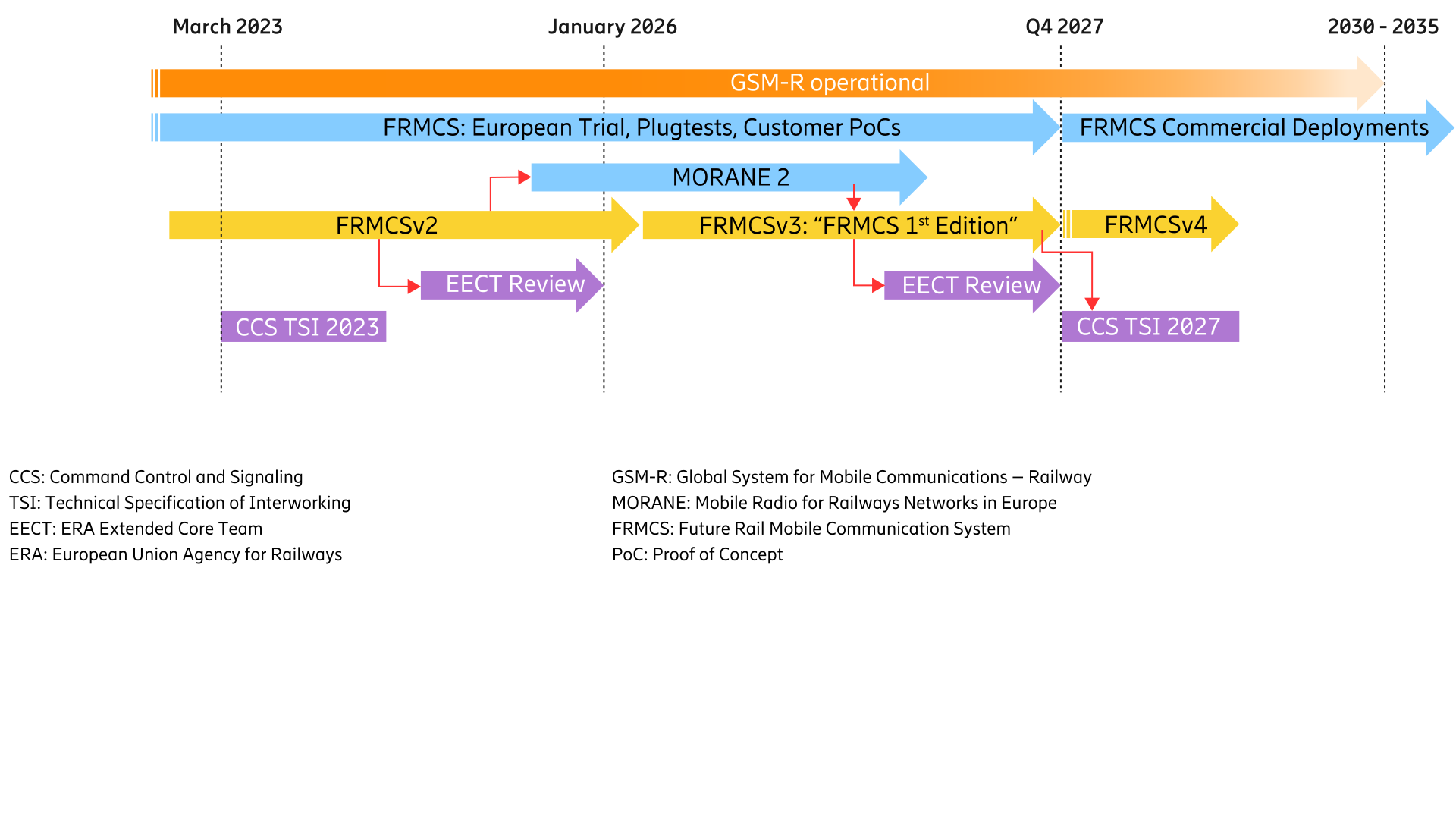
Figure 1: Timeline of FRMCS and GSM-R deployment, trials, and standardization [3]
GSM-R - FRMCS coexistence challenge in 900 MHz
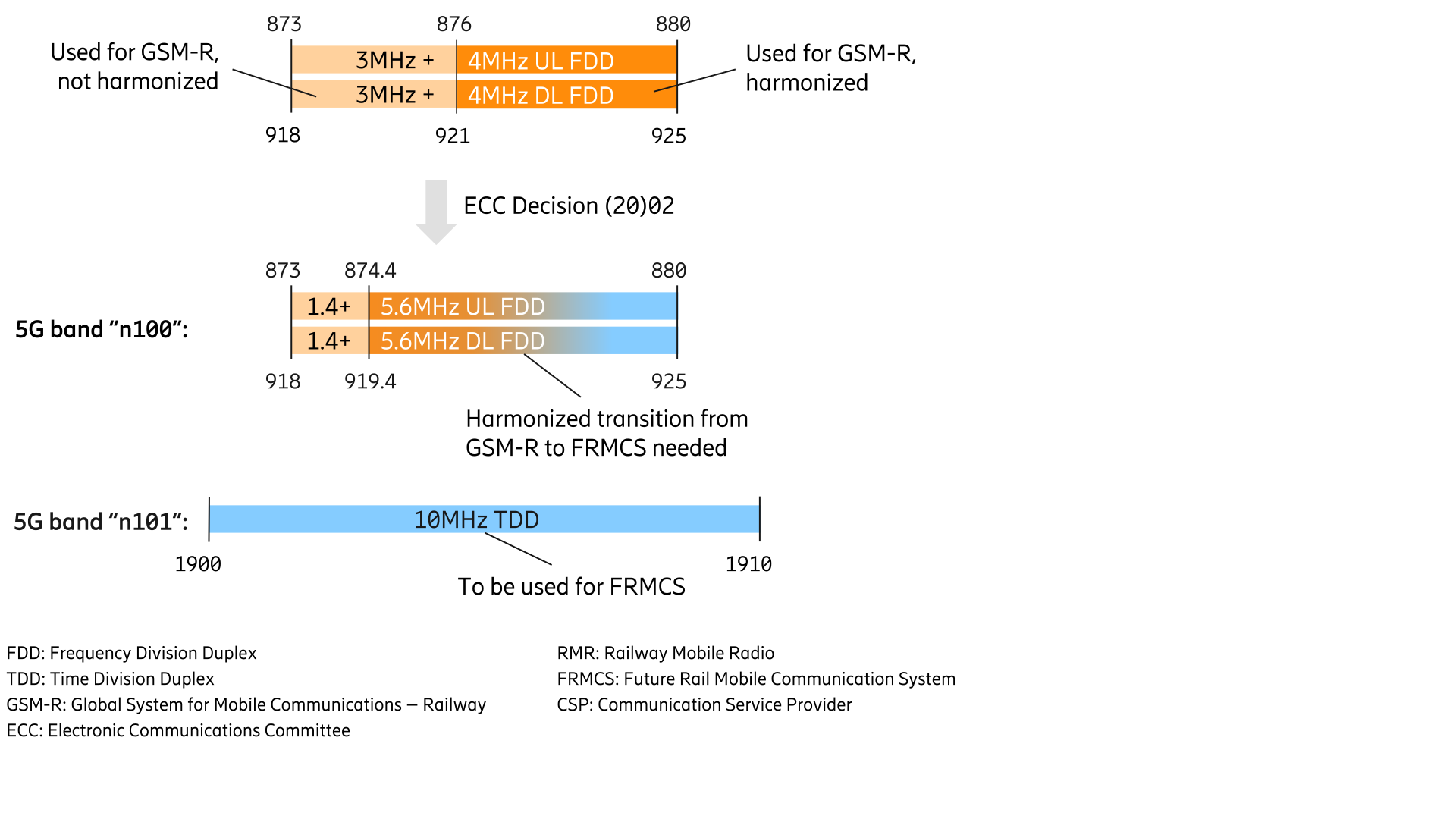
Figure 2: Rail spectrum allocation in Europe
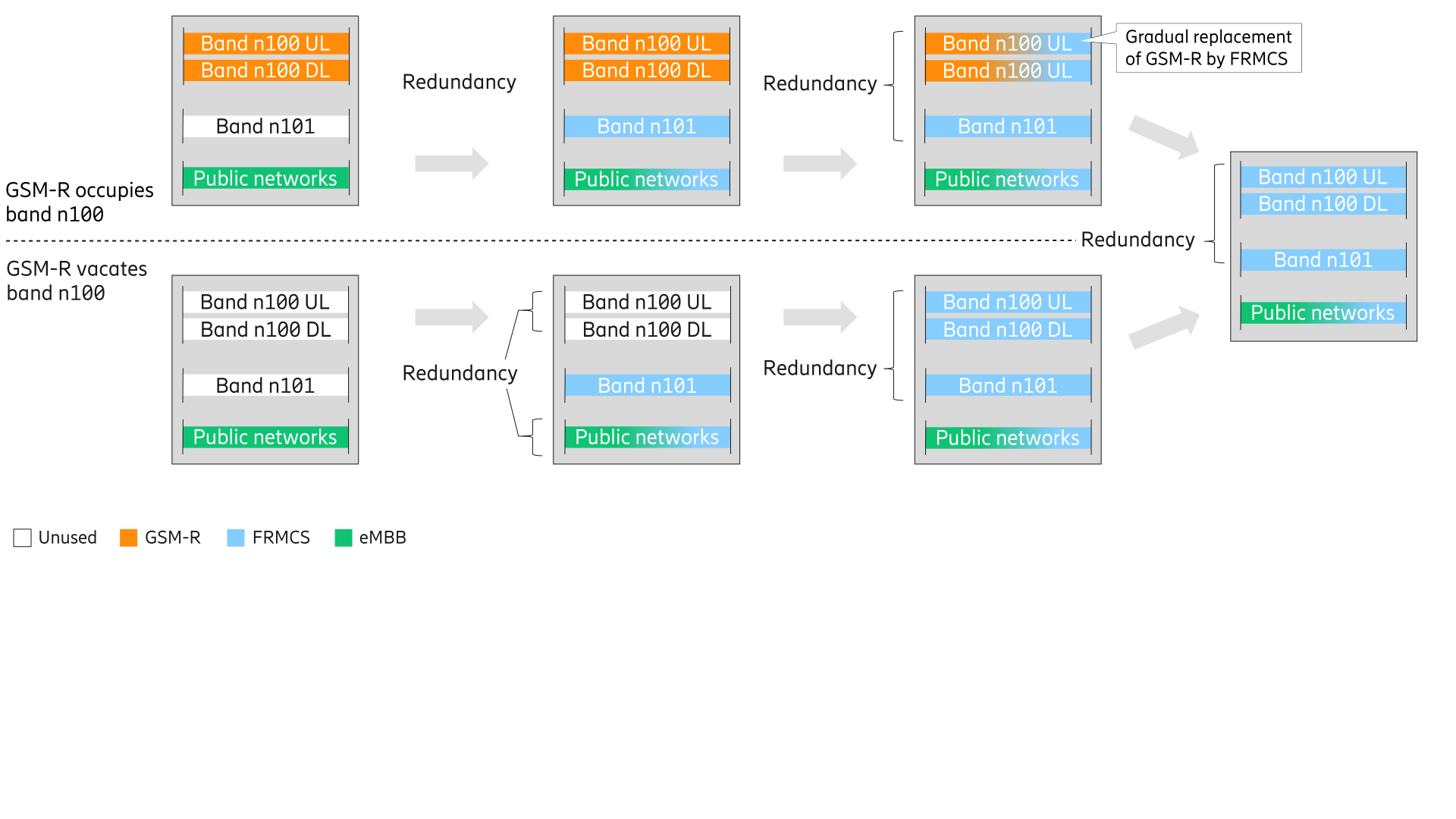
Figure 3: Recommended sequence of FRMCS deployment with GSM-R, various bands, and public networks
Leveraging 5G key features for efficient rail track coverage
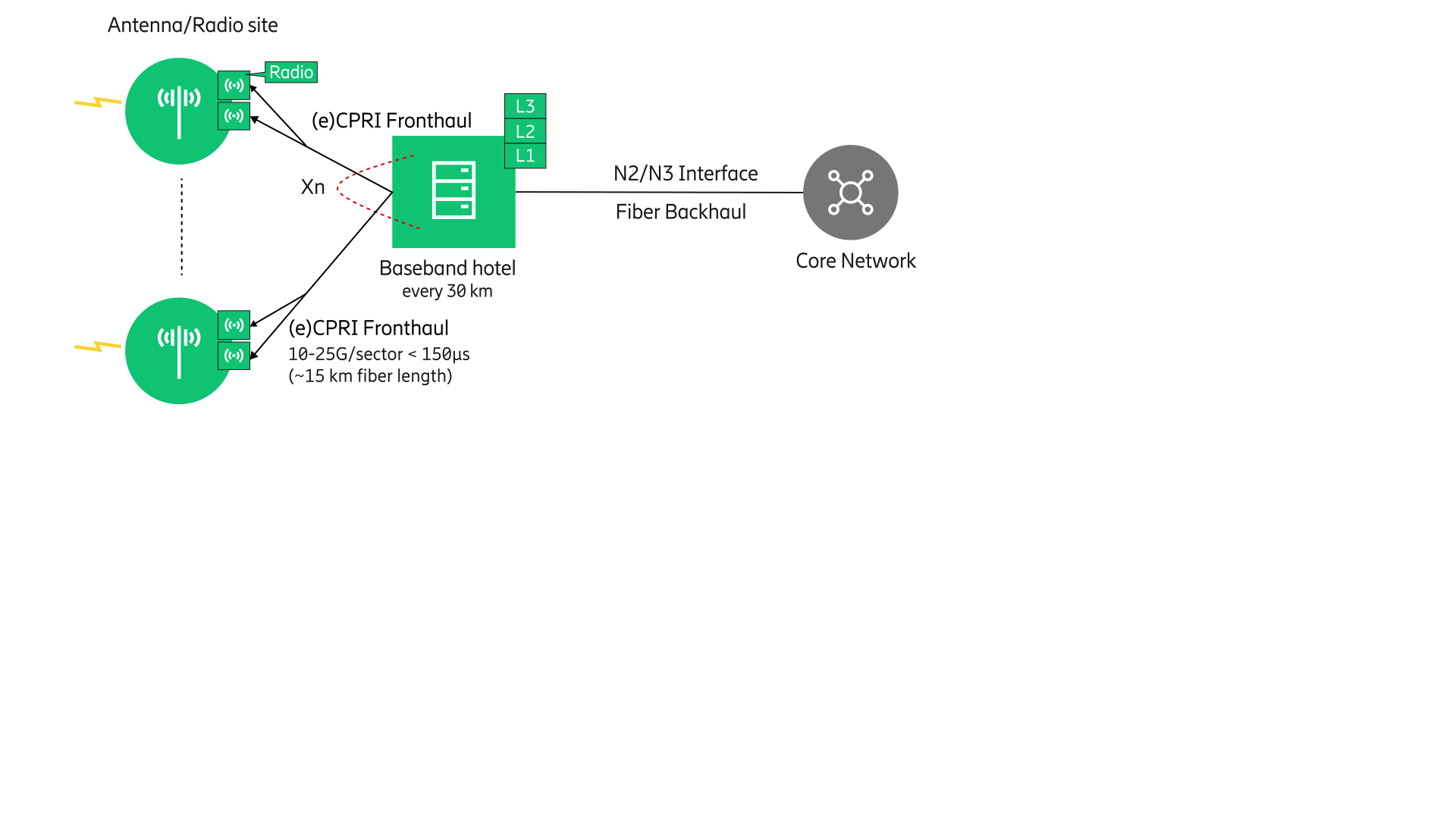
Figure 5: Centralized RAN architecture
Sharing radio with CSPs to Optimize Deployments
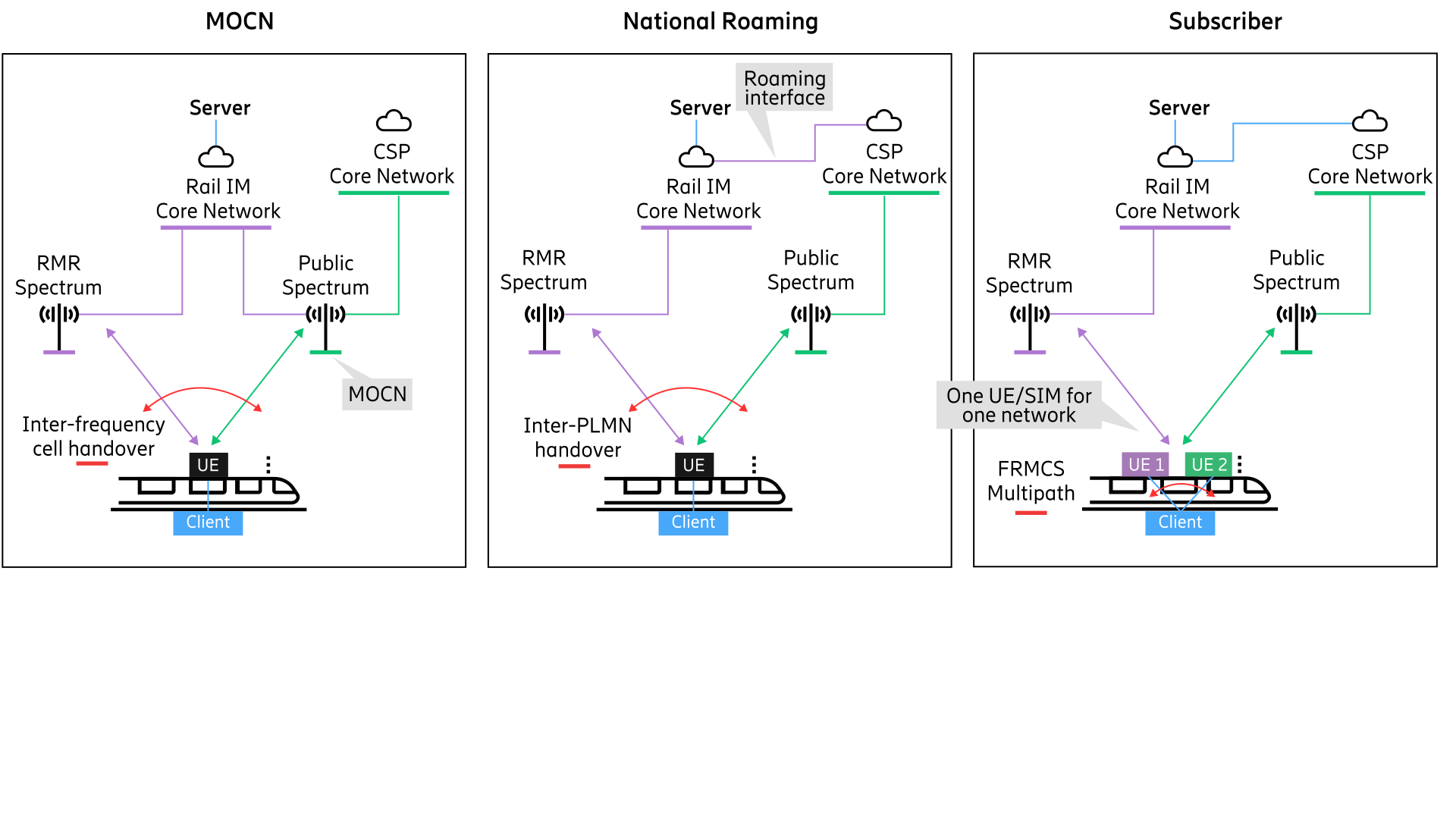
Figure 6: Architecture of deployment options for integrating public network access