Skip navigation
Available in English 한국어
Key visual Ericsson 150 years.

Building the future. Again.

150 years of reaching new horizons what started in a small workshop, grew through bold ideas, and today shapes AI-native networks and the road to 6G (parts of the video is created with AI)

150 years of powering global connectivity

The next era of connectivity is underway as AI, cloud, and mobile networks converge to transform industries, economies, and daily life. For 150 years, Ericsson has built the infrastructure that connects the world. Now we're laying the groundwork for what comes next.


AI-native networks and the road to 6G

Mobile innovation has advanced faster than almost any other technology in history, delivering a million-fold increase in data speeds over thirty years. Over the next decade, AI, cloud, and mobile connectivity will drive innovation even further, with major digital transformations such as electrification, decarbonization, resilient supply chains, and industrial automation.

To support these shifts, networks must offer features such as low latency for real-time cloud, reliability for autonomous vehicles, secure coverage for remote work, and tailored connectivity for factories, hospitals, and logistics, as a few examples.

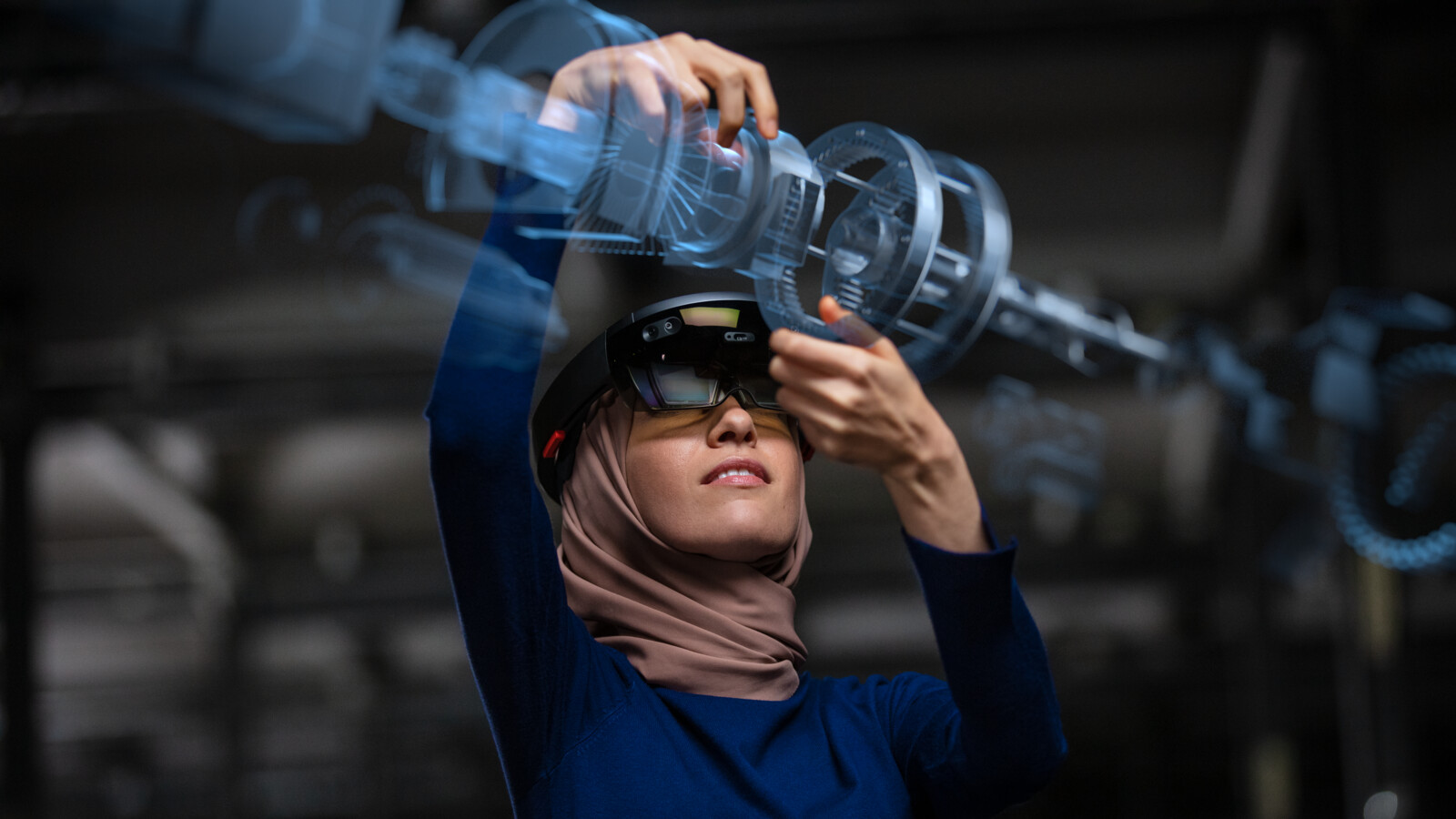
6G will be AI-native by design, with intelligence embedded in every layer so networks can learn, predict, and adapt in real time. 6G will lead to new device categories, major uplink gains, improved spectrum and energy efficiency, and entirely new value streams such as integrated sensing, digital twins, and immersive AR.

With 3GPP working on 6G standards and trials planned for later this decade, Ericsson is already co-creating the foundations of 6G and the intelligent digital fabric with CSPs, academia, and technology partners.

5G and the platform for enterprise innovation

The road to 6G is paved by the revolutionary platform of 5G. Where previous generations centered on consumer communications, 5G was designed from the start as a platform capable of serving not just smartphones but entire industries.

Ericsson began releasing 5G-compatible products in 2015, years before commercial networks launched. This early leadership was due to the company's deep involvement in developing global 5G standards. In 2016, Ericsson launched Ericsson Radio System, a
flexible platform of hardware, software, and services designed to help operators deploy 5G swiftly at scale.

The first live networks appeared in 2018. Ericsson partnered with Telia and KTH Royal Institute of Technology to launch Sweden's first 5G network on the KTH campus.
By 2020, commercial 5G networks were operating worldwide, and adoption accelerated at unprecedented speed. 5G became the fastest-adopted mobile generation in history, reaching 1 billion subscribers in just three years. Today, Ericsson networks power roughly half of the world's mobile 5G traffic outside China, with networks carrying billions of connections daily.

5G's true promise extends beyond mobile broadband, including mission-critical networks, industrial automation, augmented reality and virtual reality, and AI-powered enterprise applications. Fixed Wireless Access (FWA) has emerged as a breakthrough use case, delivering high-speed internet to homes and businesses without fiber infrastructure.

To accelerate enterprise adoption, in 2022 Ericsson acquired Vonage, a leading Communications Platform as a Service (CPaaS) provider with a vast developer ecosystem. Then in 2023, Ericsson joined leading global operators to form Aduna, a joint venture designed to simplify how developers access advanced network capabilities.

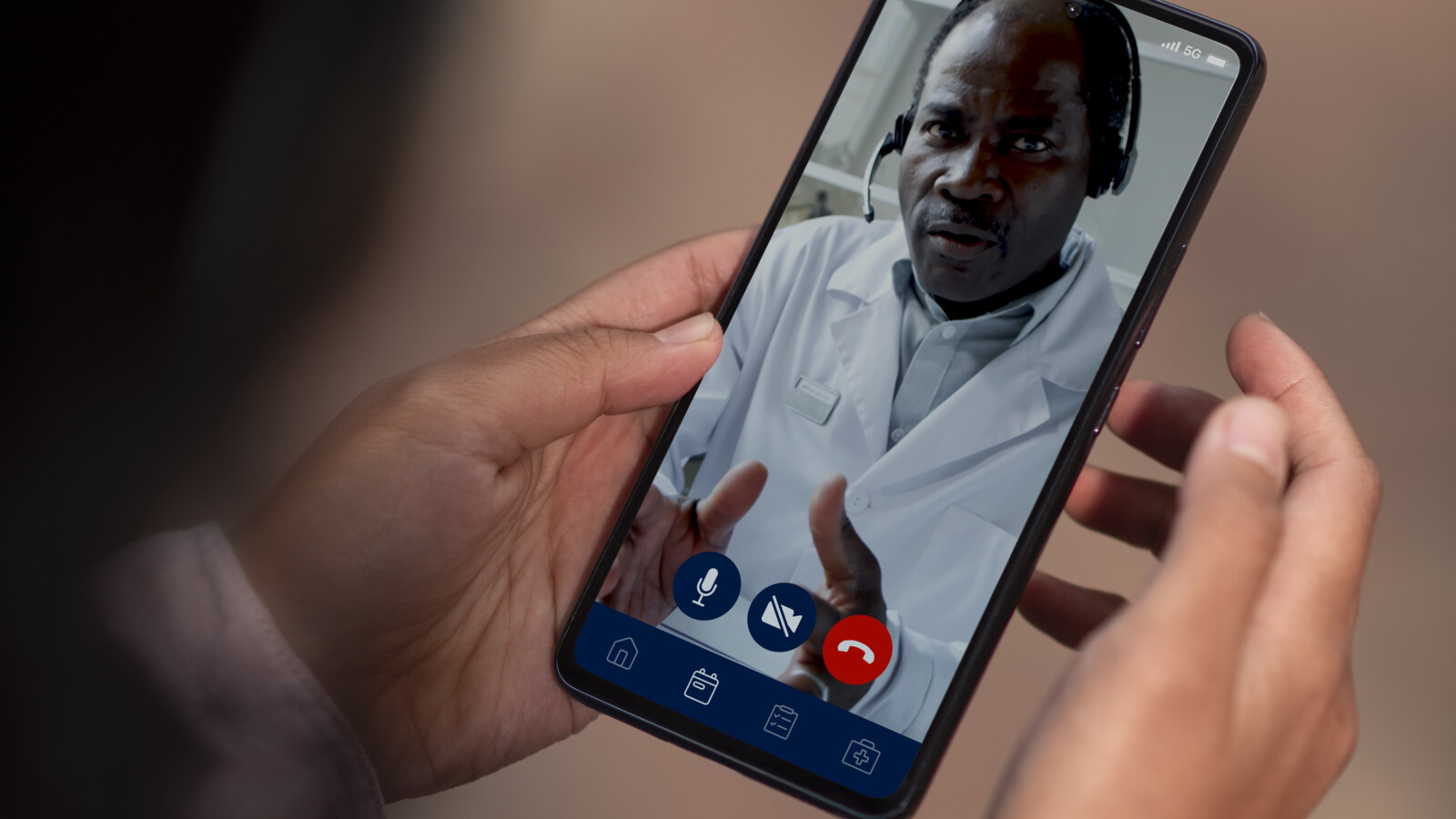
Together, these moves enable developers, businesses, and governments to build on the network as a platform, delivering tailored services for manufacturing, logistics and healthcare, as just a few examples.

Building the app economy with 4G

The enterprise innovation driven by 5G stands on the shoulders of the global app economy built by 4G. By the late 2000s, more than two decades of mobile evolution from NMT and GSM to 3G had laid the foundation for a true broadband era. After evaluating competing technologies like WiMAX and CDMA2000 for the next generation of mobile technology, Ericsson bet on LTE and its packet-based architecture, which delivered the low latency and high speeds mobile broadband demanded.

In December 2009, Ericsson and TeliaSonera launched the world's first commercial 4G network. The company's RBS6000 multi-standard base stations supported 2G, 3G and 4G in one footprint and used 25 percent less space and up to 65 percent less energy than previous base stations.

4G didn't just accelerate data rates. It was the first truly global standard and delivered the low latency and high capacity required to support video streaming, social media and the growing app economy. Nations that deployed 4G early, notably the US and China, became leaders in the consumer platform economy.

By 2015, active LTE subscribers topped 200 million worldwide. Today, there are over 8.5 billion mobile subscriptions globally, and mobile broadband is the primary internet access for billions of people.

When the world went mobile: the GSM revolution

Before the app economy flourished, the world first had to go mobile. In the 1980s, Ericsson company made a decisive choice. Rather than just supplying switches, it would deliver complete mobile systems—base stations, network planning, the full infrastructure.

The breakthrough came with NMT, the Nordic Mobile Telephone system launched in 1981. It was the world's first network with international roaming, and it established Ericsson as a serious player in mobile technology.

Then GSM changed everything. Born in a Stockholm meeting room in 1982, the GSM standard transformed mobile phones from expensive curiosities into everyday tools. Across Europe, having one common standard made roaming possible and the economies of scale reduced costs significantly.

GSM was digital and had a new feature that would change everything – SMS messages. By 1995, GSM networks had 10 million subscribers worldwide. That single year saw more mobile phones sold than during the entire 1980s combined.

By 2000, 65 percent of the company's revenue came from network equipment sold to operators worldwide. The shift from 2G voice to 3G data was underway, preparing networks to carry not just conversations, but the entire internet.
How AXE laid the foundation for mobile

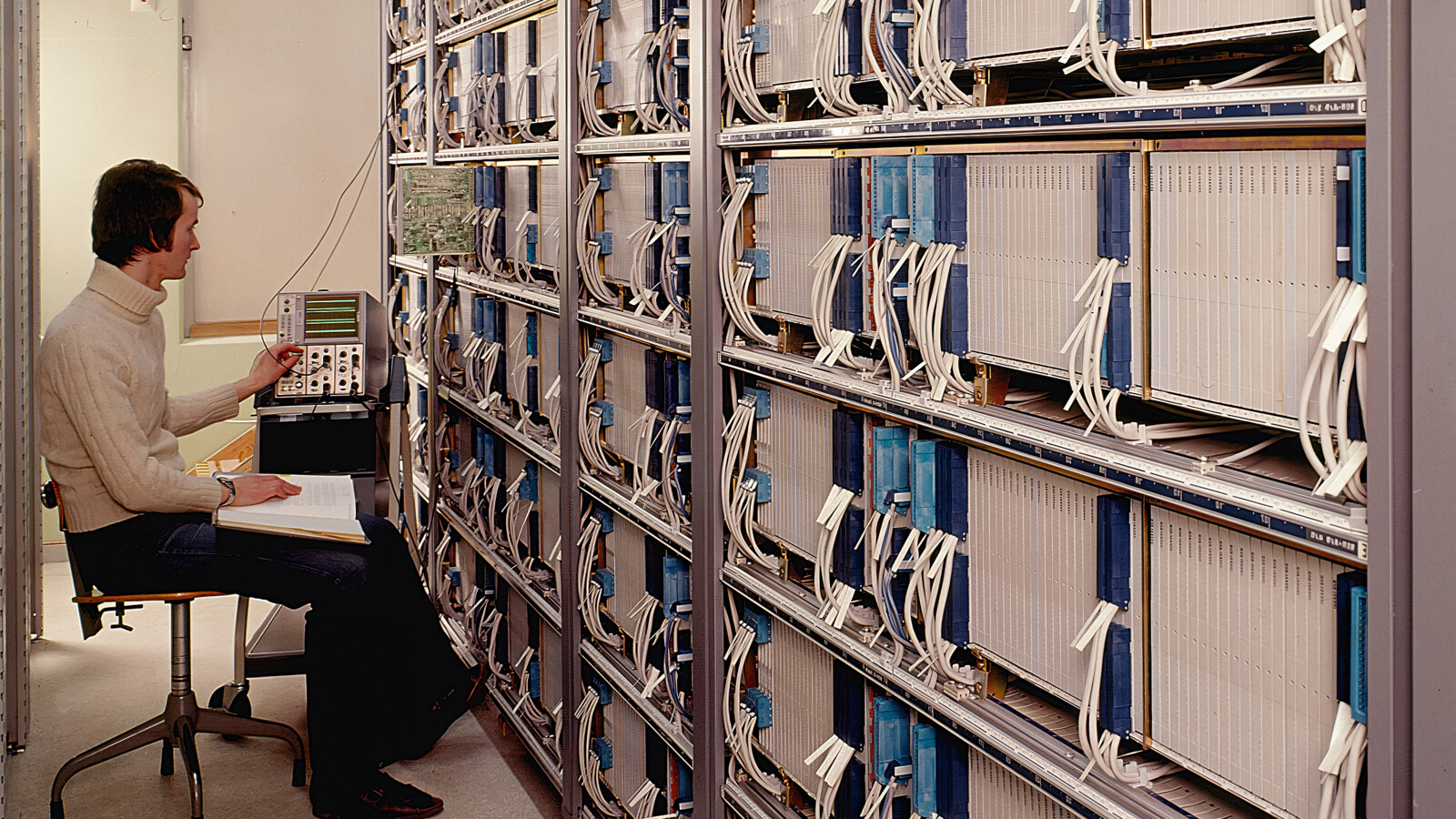
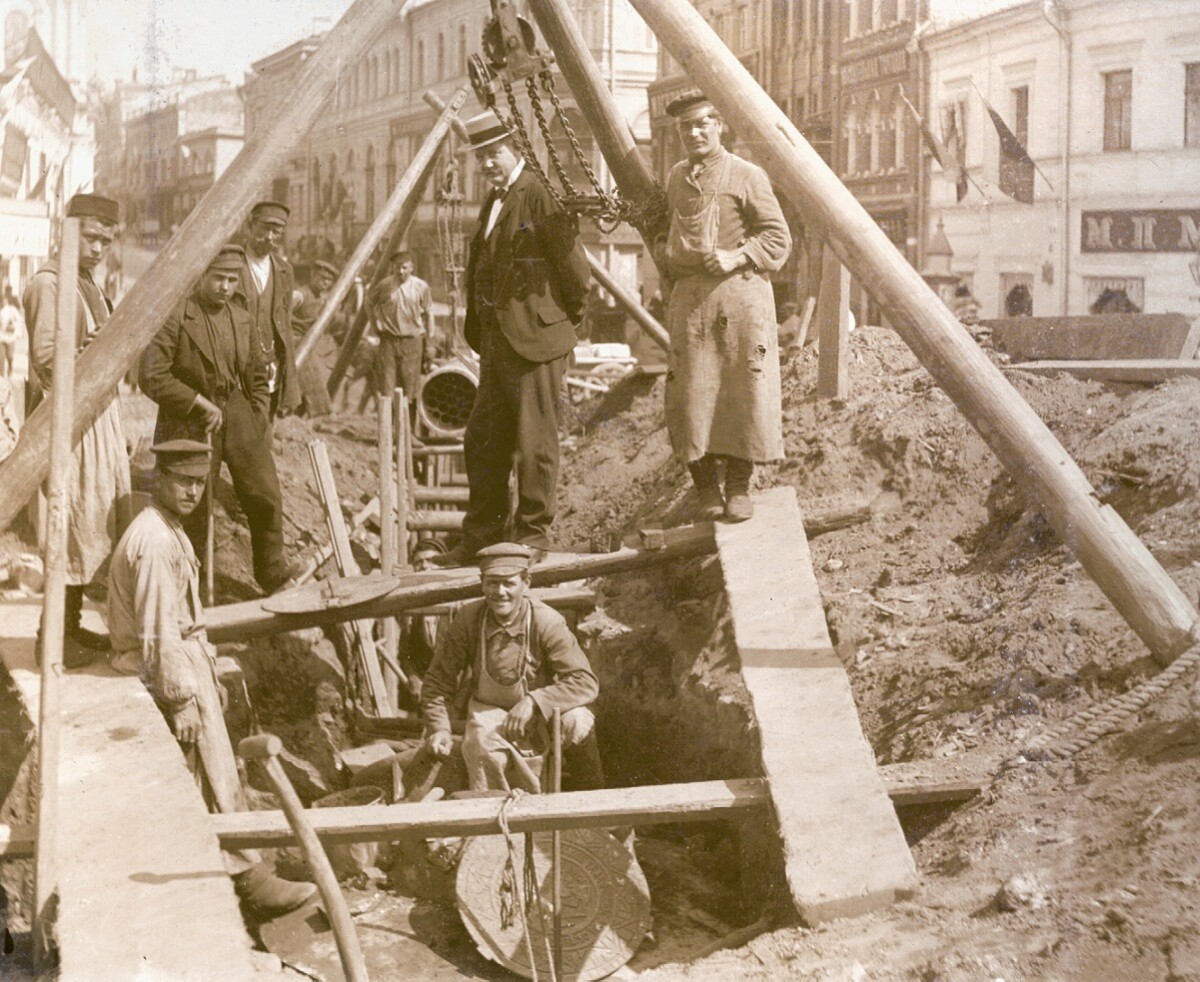
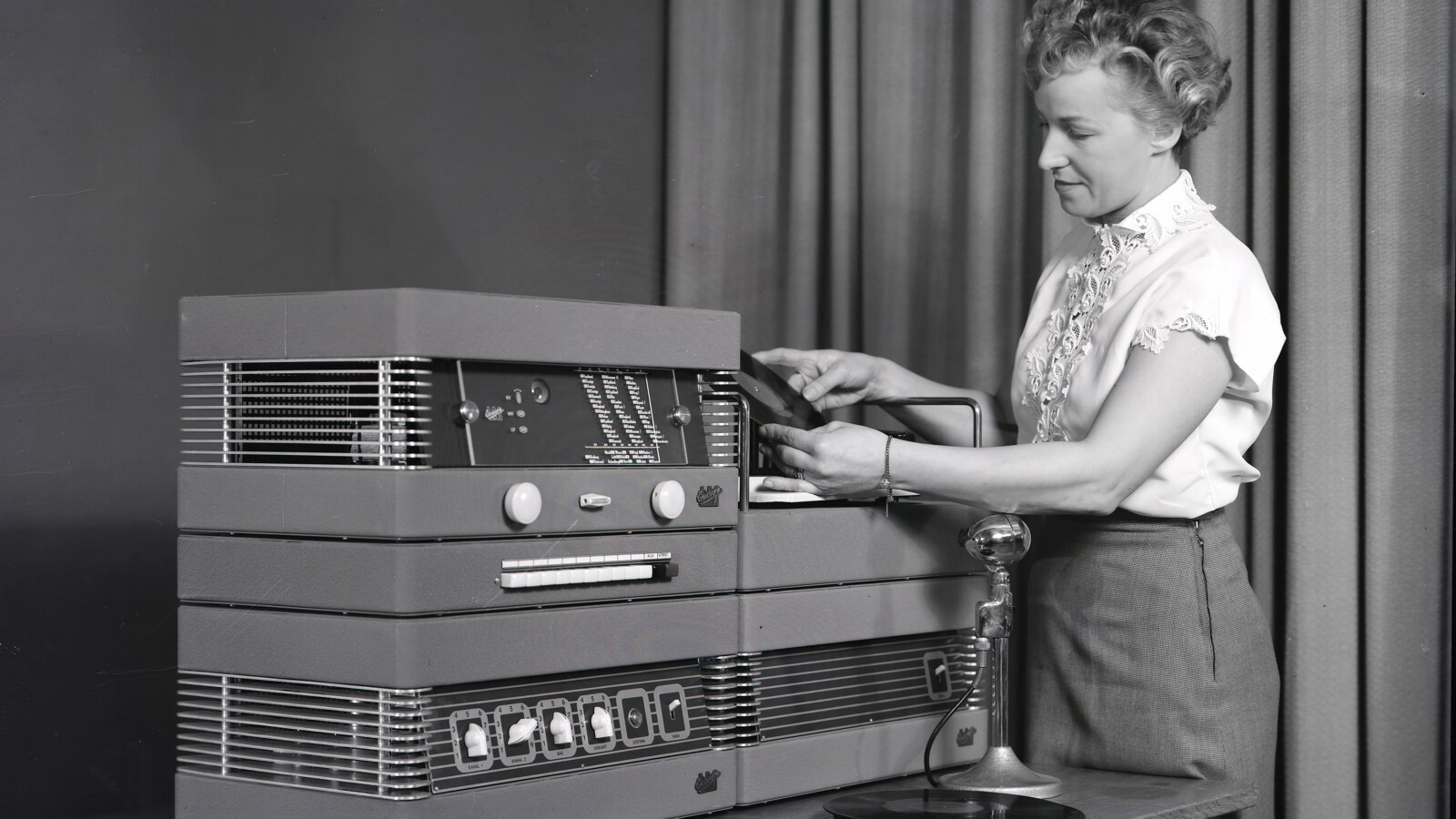
The mobile revolution was only possible because of a fundamental shift to digital, software-controlled networks. In the 1960s the first integrated circuits arrived and paved the way for the digital era. By the early 1970s, technological advances were making electromechanical switches obsolete. Together with Televerket, Ericsson formed Ellemtel, a joint development company tasked with creating a fully digital, software-controlled switching system.
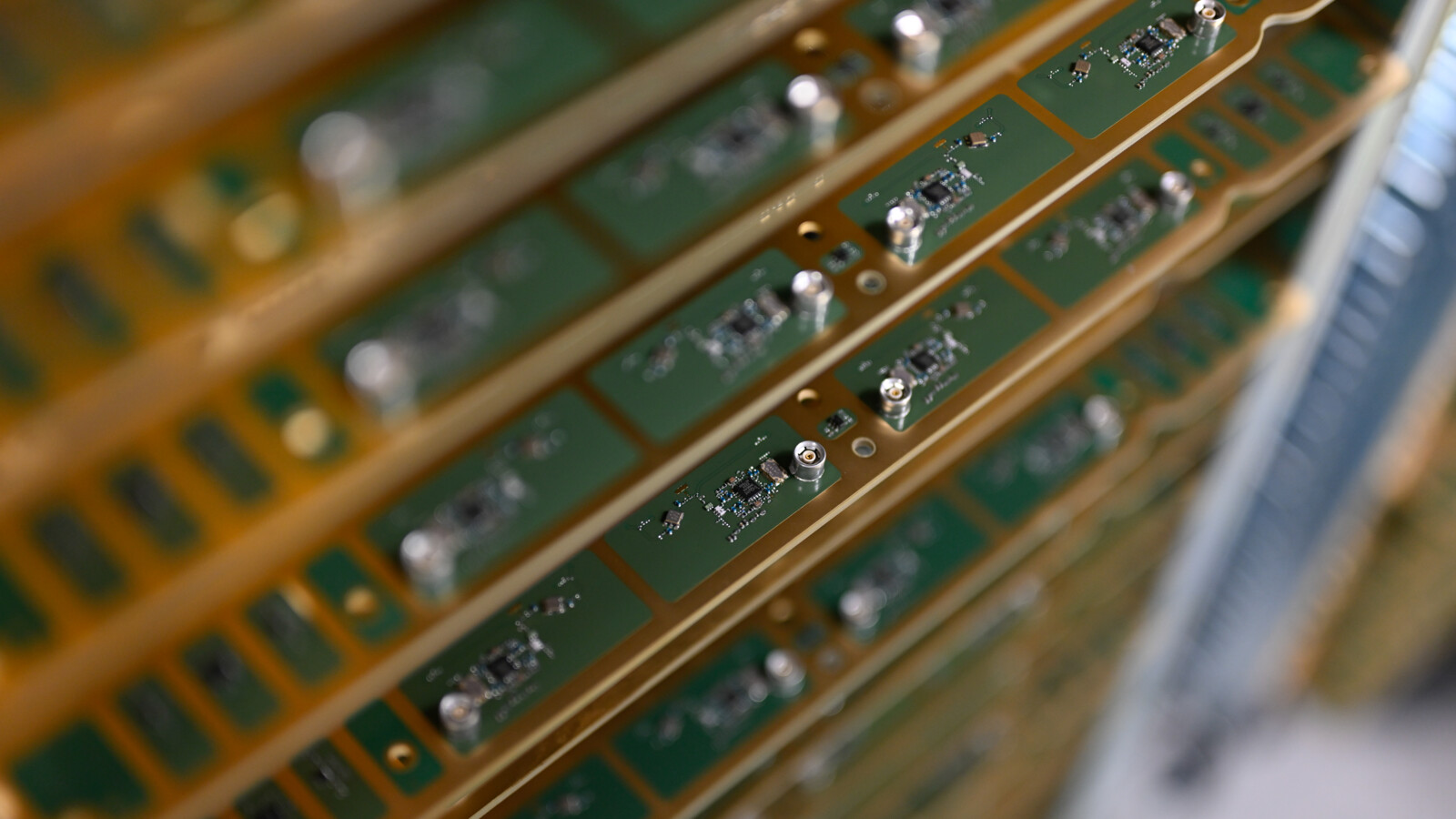
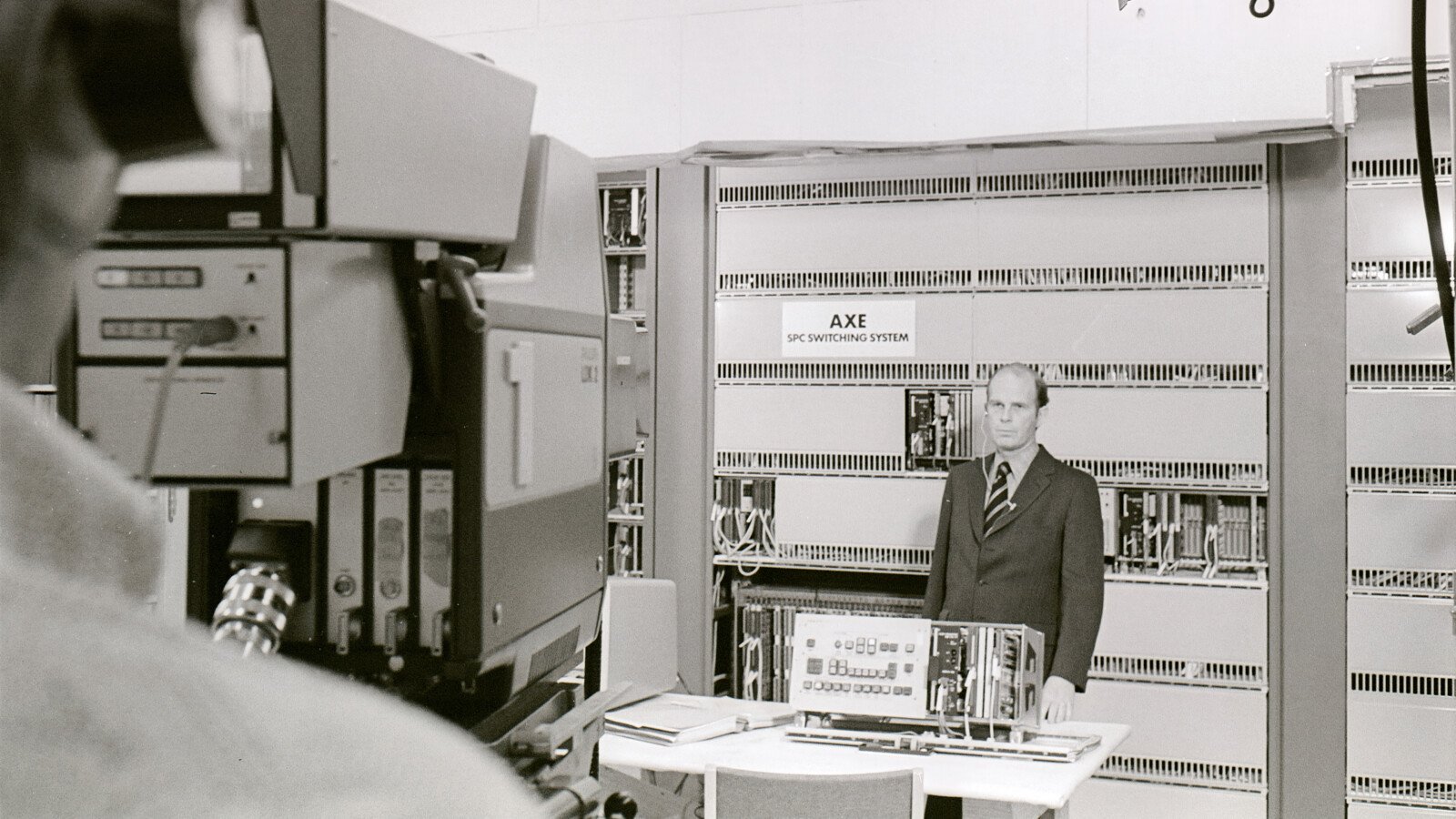
The result was AXE. Built from independent, self-contained program modules that communicated through standardized protocols, the system was revolutionary in its modularity. Each module could be tested independently, replaced without overhauling the entire system, and upgraded as new capabilities emerged. Today, this approach is standard. In 1976, it was groundbreaking.

The AXE system doubled Ericsson's market share and rewired how the industry thought about scale, upgrades, and reliability.

One of those upgrade paths led somewhere unexpected: mobile telephony. AXE's modular architecture meant customers could add mobile capabilities by swapping select modules rather than replacing entire systems. This adaptability transformed Ericsson from a switching company into a mobile pioneer.

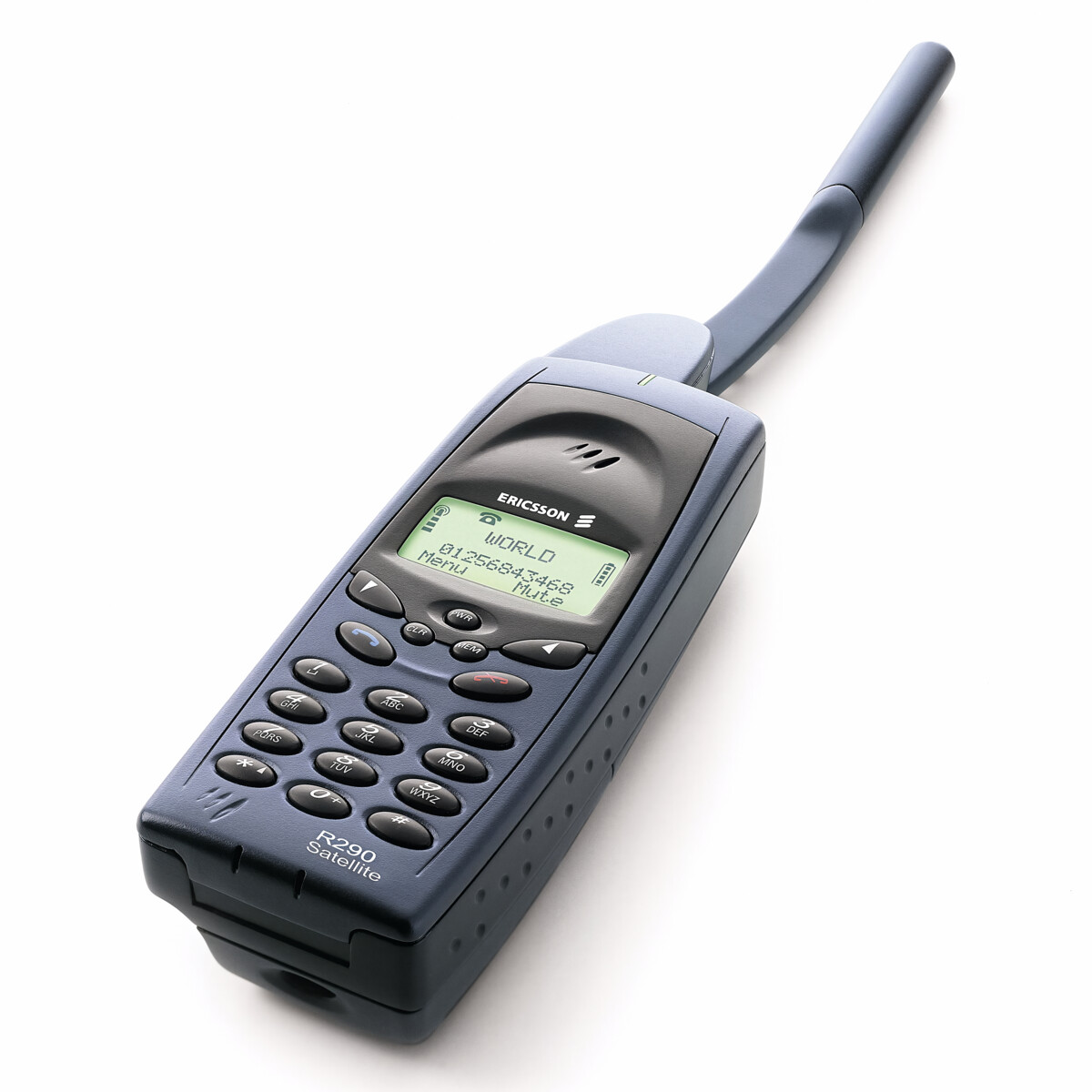
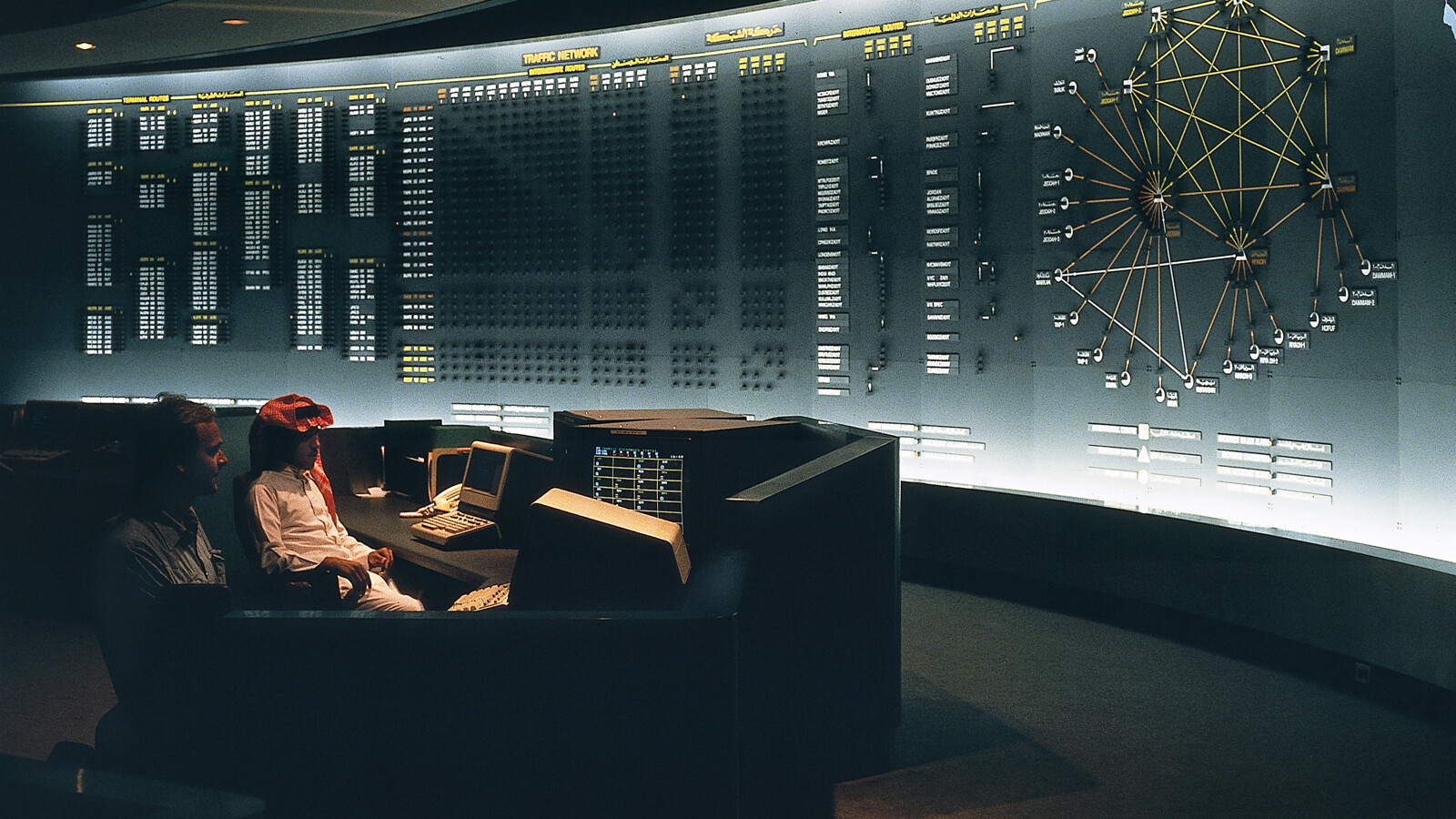
Ericsson had experimented with mobile early. Its first "mobile" phone in 1956 weighed 40 kilos. But it was AXE that made cellular networks viable at national and eventually global scale. When Saudi Arabia launched one of the world's first operational cellular systems in 1981, Ericsson supplied the infrastructure. By the early 1990s, nearly 40 percent of the world's mobile switching stations ran on AXE, positioning Ericsson at the center of the emerging mobile revolution.

Scaling connectivity beyond the switchboard

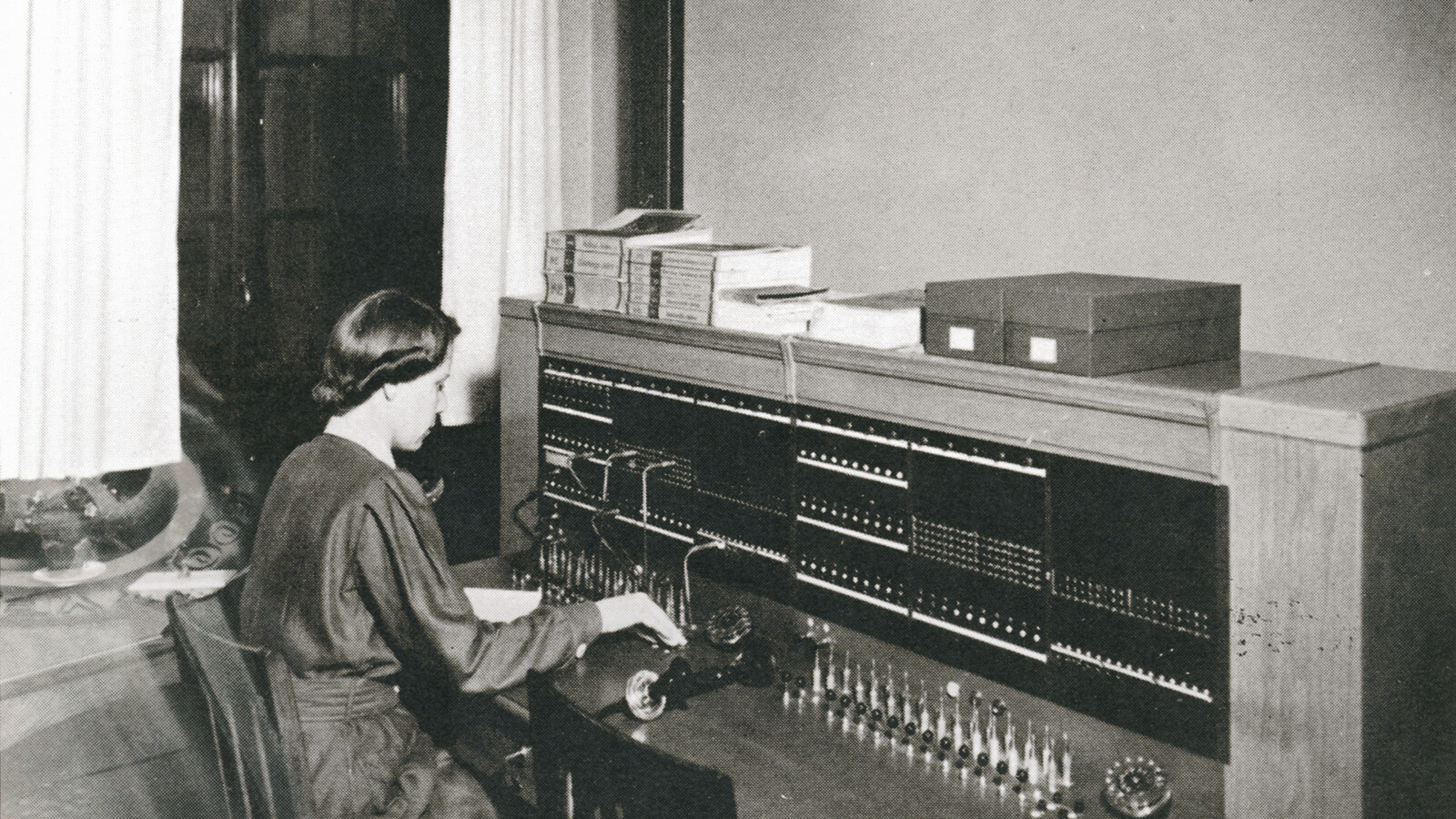
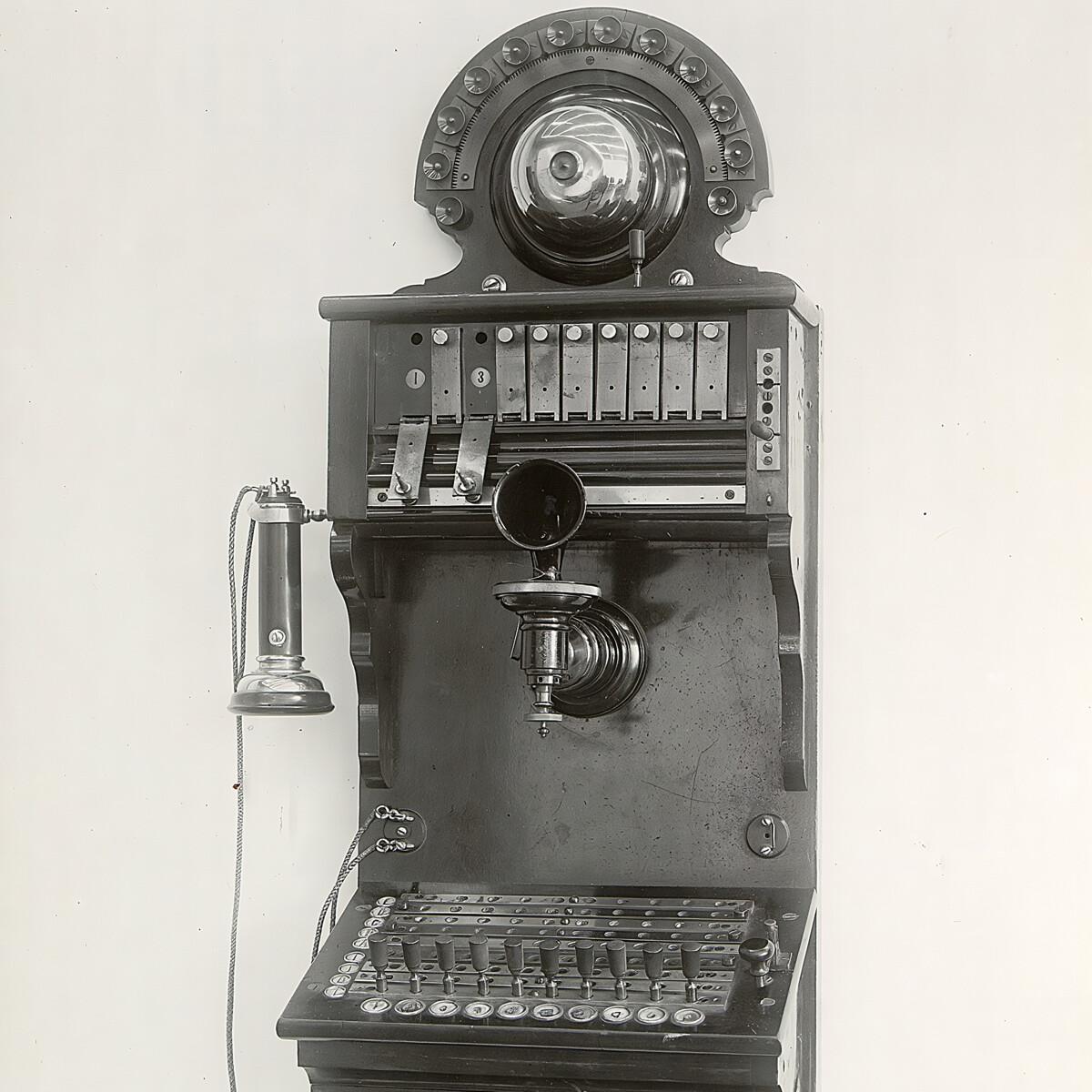
In 1900 Lars Magnus resigned as president of Ericsson, 24 years after he founded the company. In the years that followed, the company perfected the art of manual switching performed by legions of operators. But as demand surged, the company faced a turning point. How could it scale connection without sacrificing reliability?

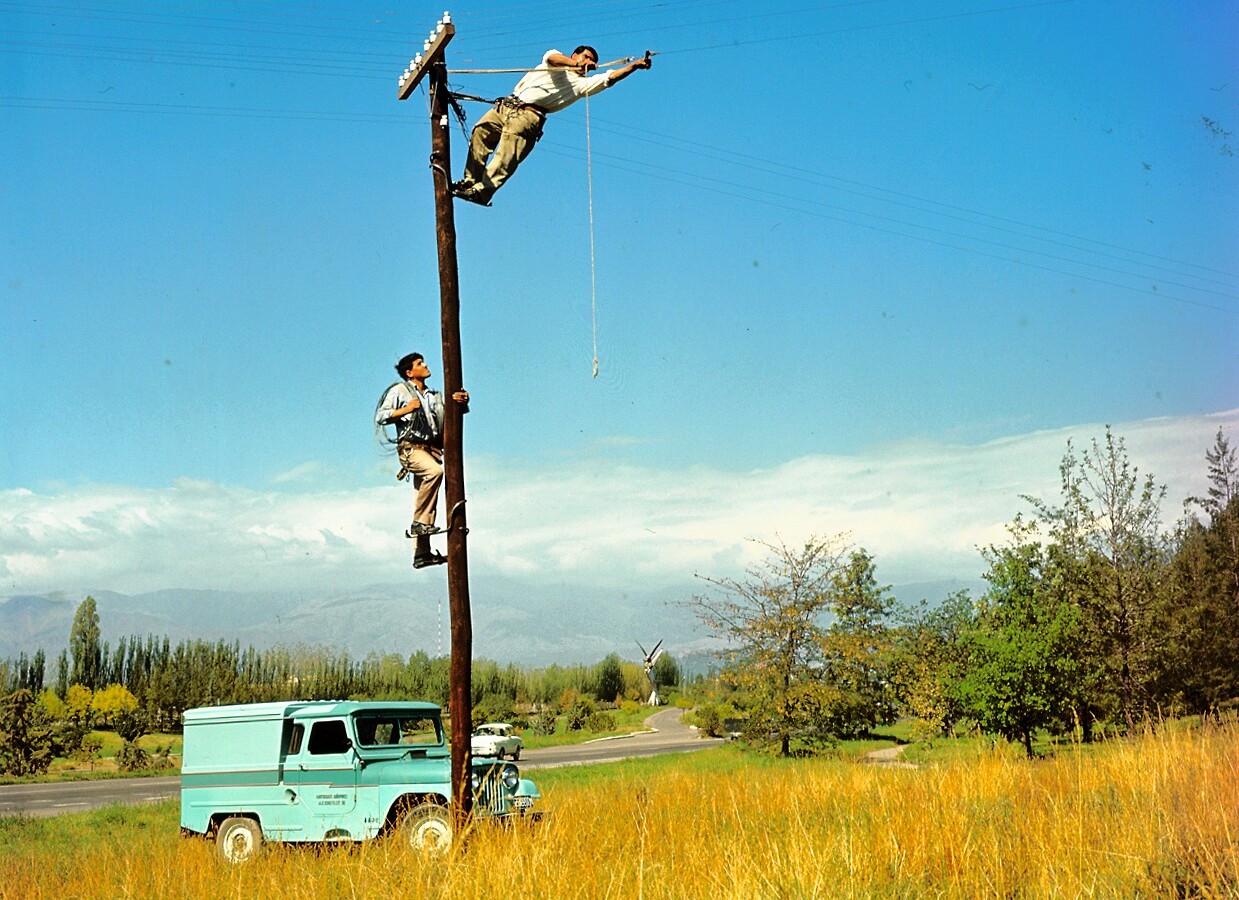
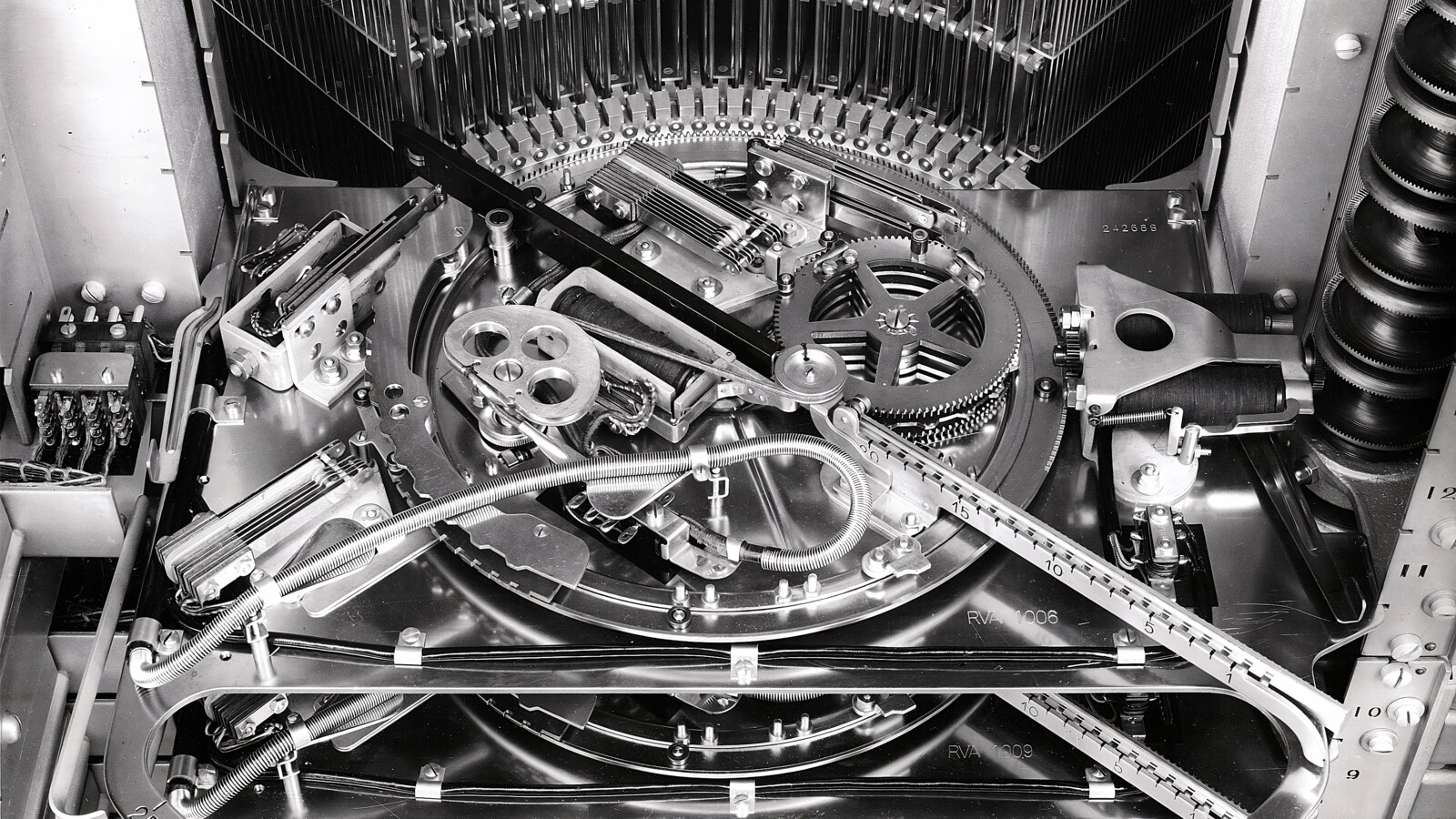
In 1913 Axel Hultman, an engineer and director for Televerket, the Swedish state telecommunications authority for telegraphy and telephony, approached Ericsson with a revolutionary idea for a fully automatic switching system capable of handling thousands of connections without an operator. Ericsson turned Hultman's sketches into a mechanical breakthrough—the 500-switch system. Its electric motors and moving selectors performed the routing choices once performed by operators. The first systems went live in Rotterdam in 1923 and Stockholm in 1924, establishing Ericsson as a builder of scalable, modern communication infrastructure.

But innovation didn't stop at switching. By the 1970s, Ericsson had transformed voice communication into a global utility, laying the foundation for the connected world to come.

How it all started in a workshop

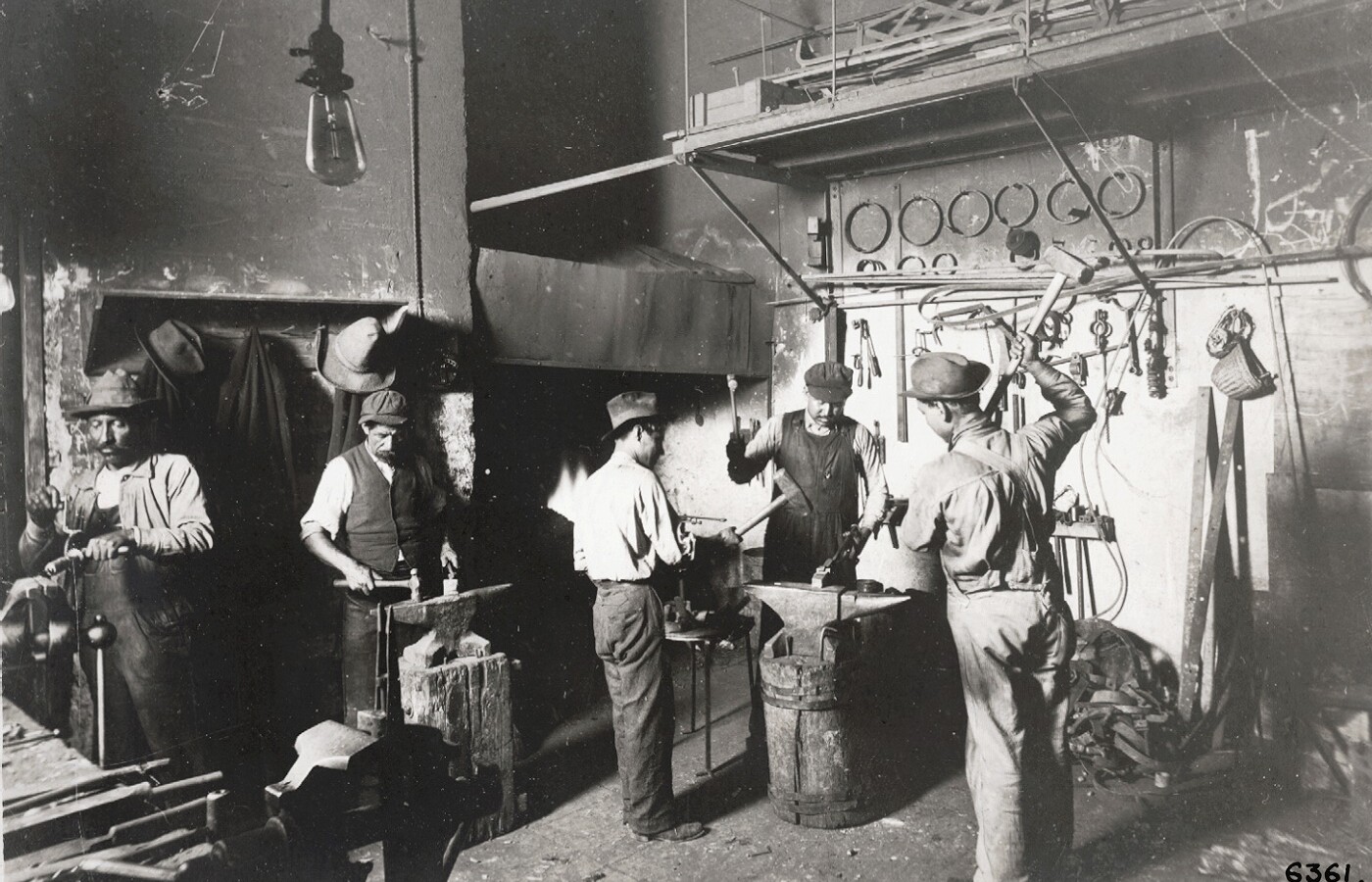
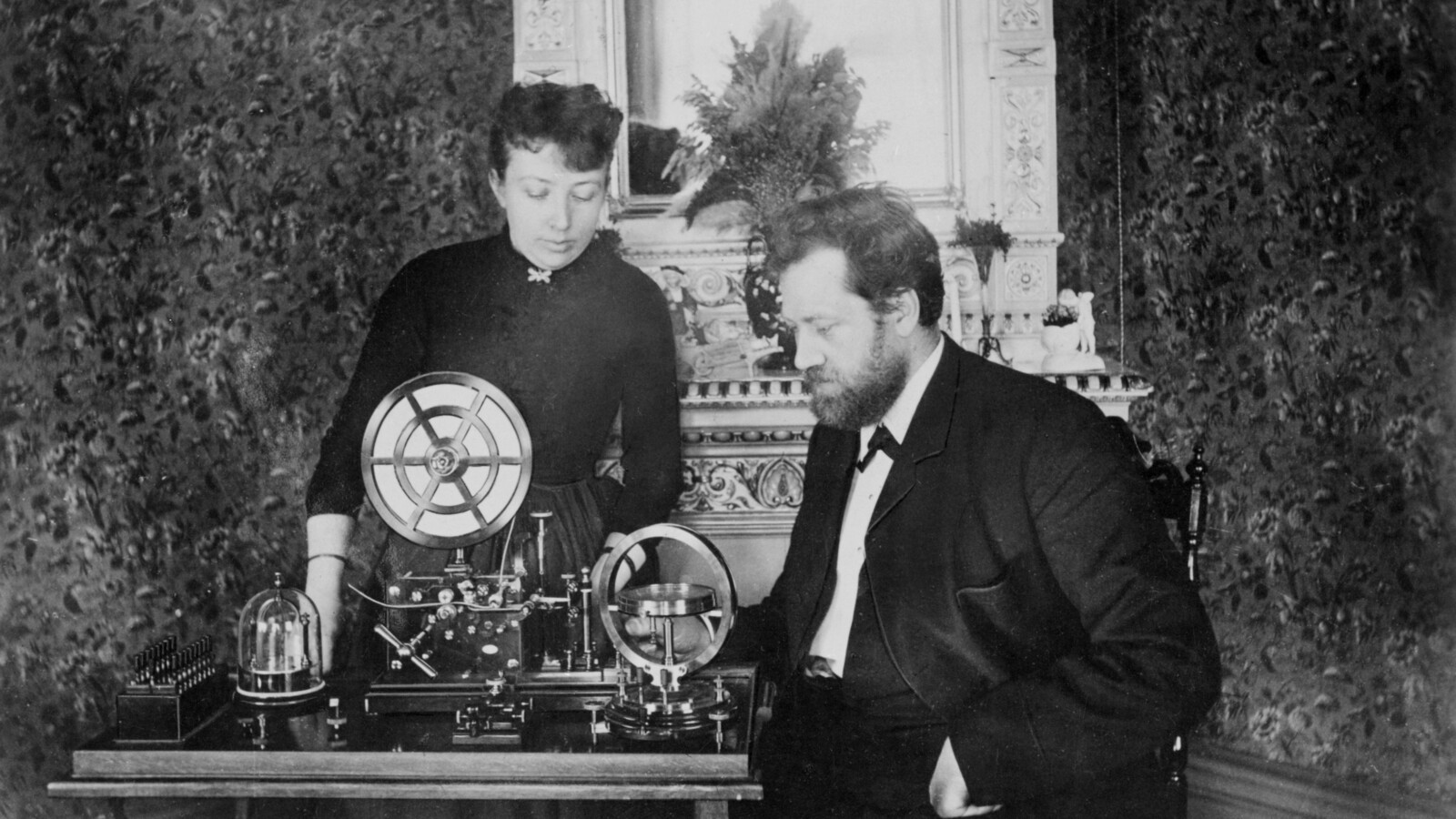
It's 1876 and in a 13-square-meter workshop in a rundown building in central Stockholm, a young innovator named Lars Magnus Ericsson tinkers with the high-tech marvel of the day, a telephone.

Lars Magnus, his partner Carl Johan Andersson and their errand boy Gabriel Bildsten worked in what was once a kitchen. Their equipment consisted of two lathes with foot pedals.

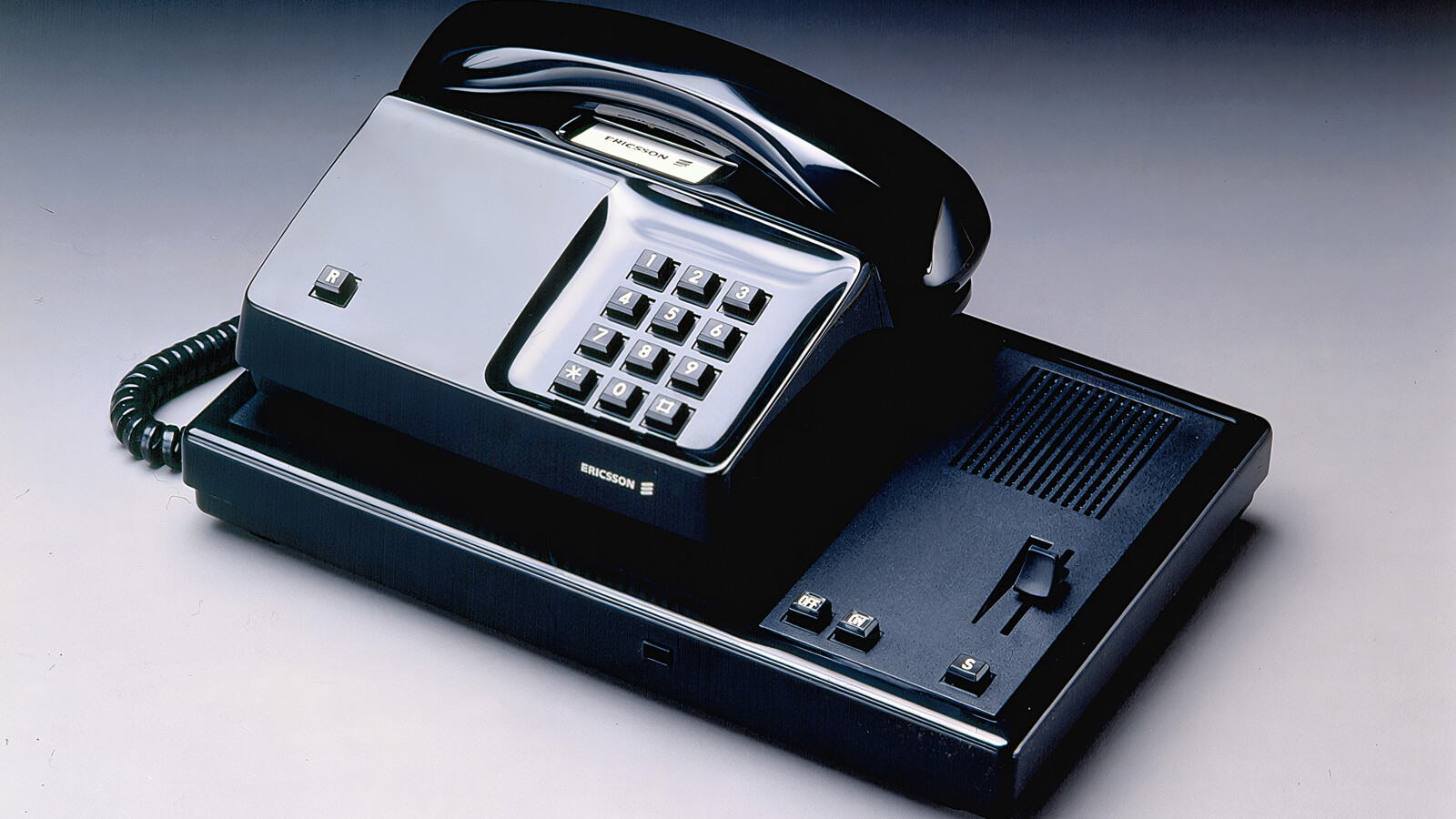
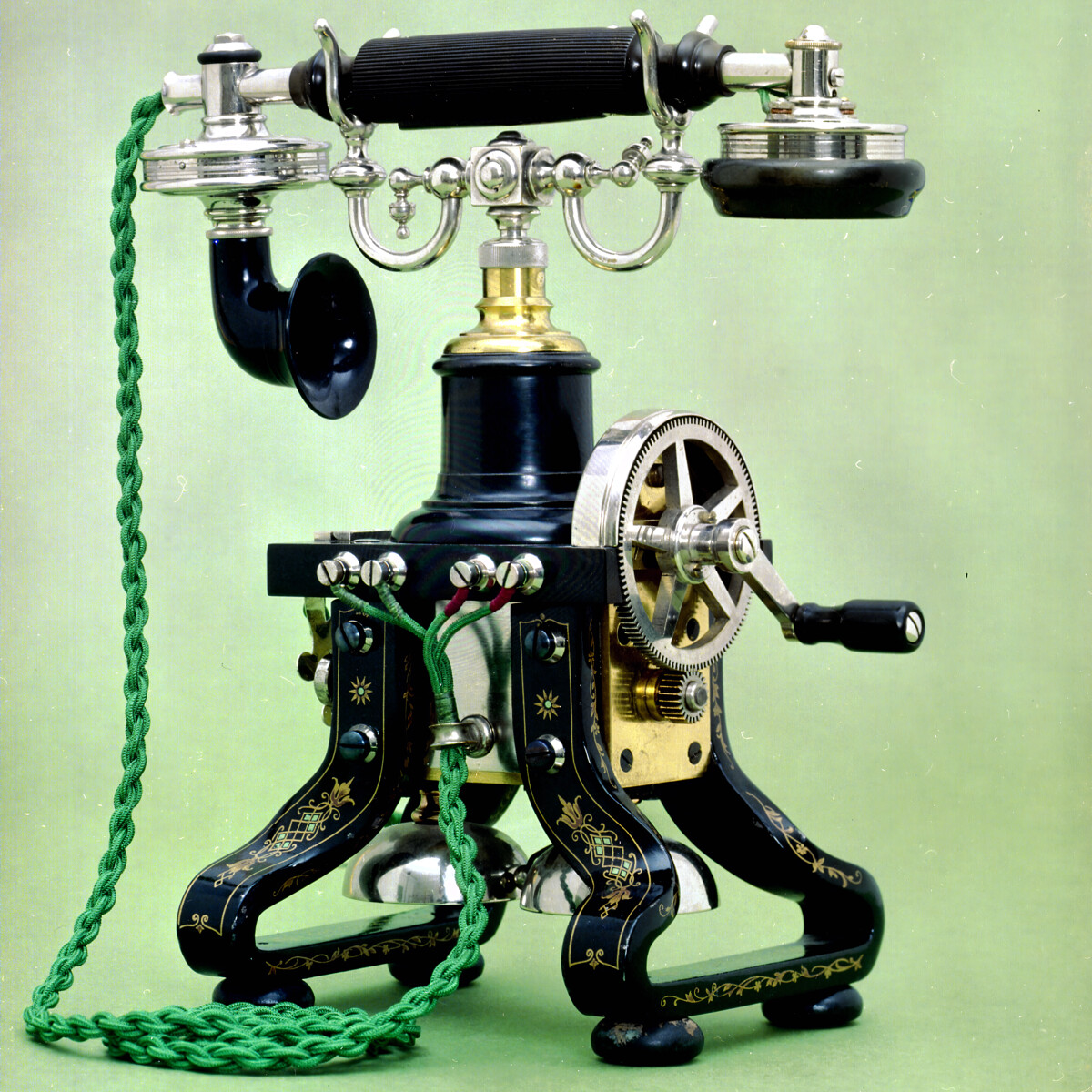
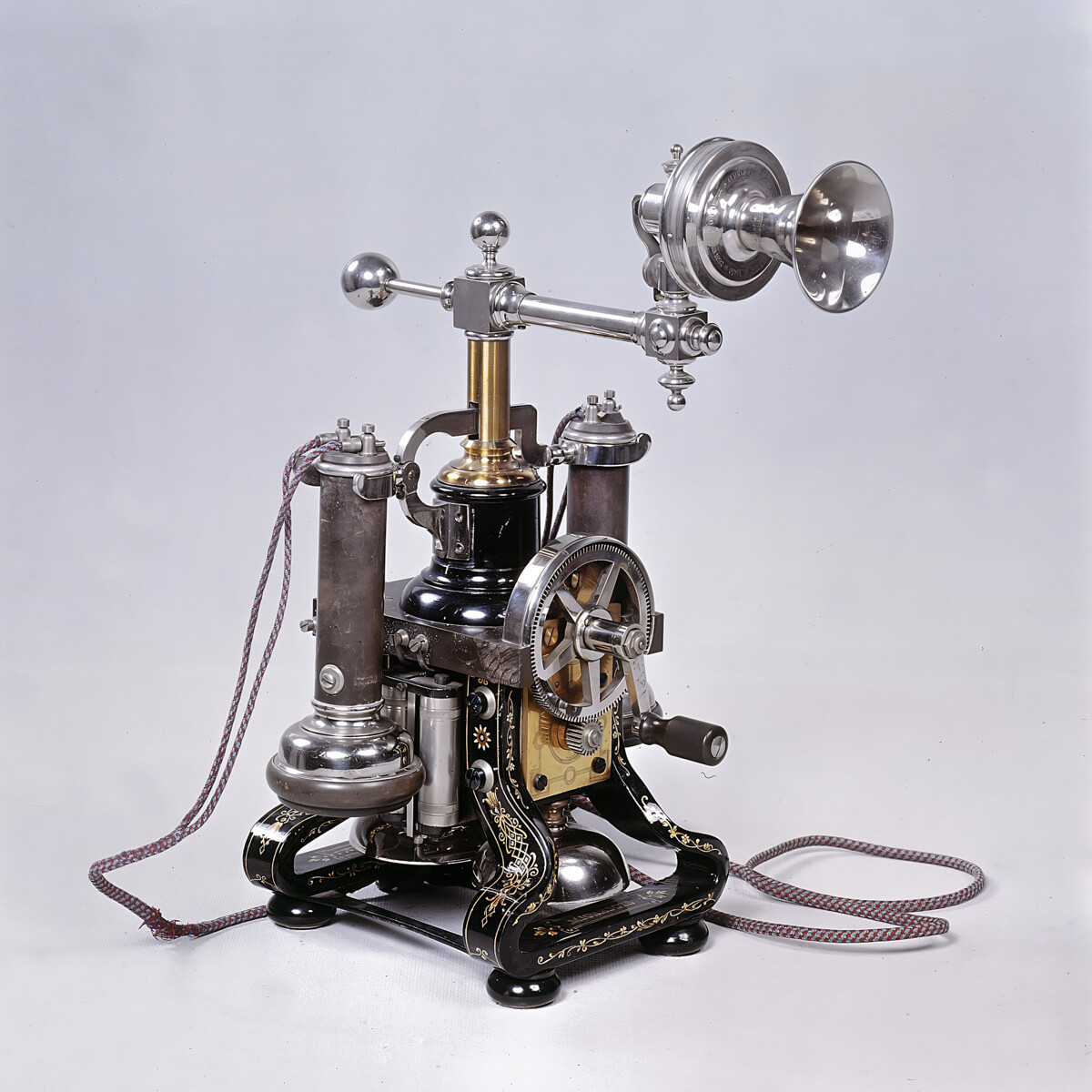
Customers soon started asking Lars Magnus to fix their telephones, and he quickly improved on the equipment they brought in. By 1878 he was producing the first Ericsson phones. Shortly thereafter, Ericsson's unique wall mounted telephones became known throughout the world as the "Swedish pattern".

Together with his wife Hilda, Lars Magnus grew the business quickly. By 1896, Ericsson was a major enterprise with more than 500 employees that had produced over 100,000 telephones. Lars Magnus laid the foundation for a corporate culture built on curiosity, precision, and a willingness to reinvent itself in every era.

From that workshop to 6G, the thread is unbroken. Over the decades Ericsson has evolved from manufacturing telephones and switchboards to leading the shift to mobile and now powering networks that connect billions of people in more than 180 countries.
That same spirit of reinvention—our innovation DNA—is what positions us to build the intelligent digital fabric of tomorrow. Just as past infrastructure revolutions transformed economies, the AI-native networks we're building today will redefine global competitiveness and enable sustainable growth for decades to come.

The original workshop may have been small but the ambition never was. And 150 years later, we're still driven by the same belief that connectivity expands possibility and that the future belongs to those willing to build it.

So here's to the next 150 years of building the future. Again.

More highlights

How did Ericsson become a global leader in mobile standards?

The journey began with Nordic Mobile Telephony (NMT) in the 1980s, which laid groundwork for GSM, the first truly global mobile standard. GSM succeeded because it prioritized interoperability over proprietary systems, allowing seamless roaming and spurring worldwide adoption. Starting with 3G in 1999, Ericsson helped found 3GPP, the global body developing cellular standards. Since then, Ericsson has contributed more than 80,000 technical inputs—thousands more than any competitor—shaping 2G through 5G. Today, Ericsson holds both the industry's leading patent portfolio with over 60,000 granted patents and the leading 5G patent portfolio, far ahead of rivals. Standards matter because they enable economies of scale, global roaming, and fair licensing. They create a level playing field while ensuring companies are rewarded for deep R&D investment. Today, as work on 6G accelerates, Ericsson remains a central voice in international standards bodies, driving early research in AI-native networks and new computing models. The same collaborative engineering culture that defined GSM now underpins the road to 6G.

What inventions and people shaped Ericsson's innovation culture?

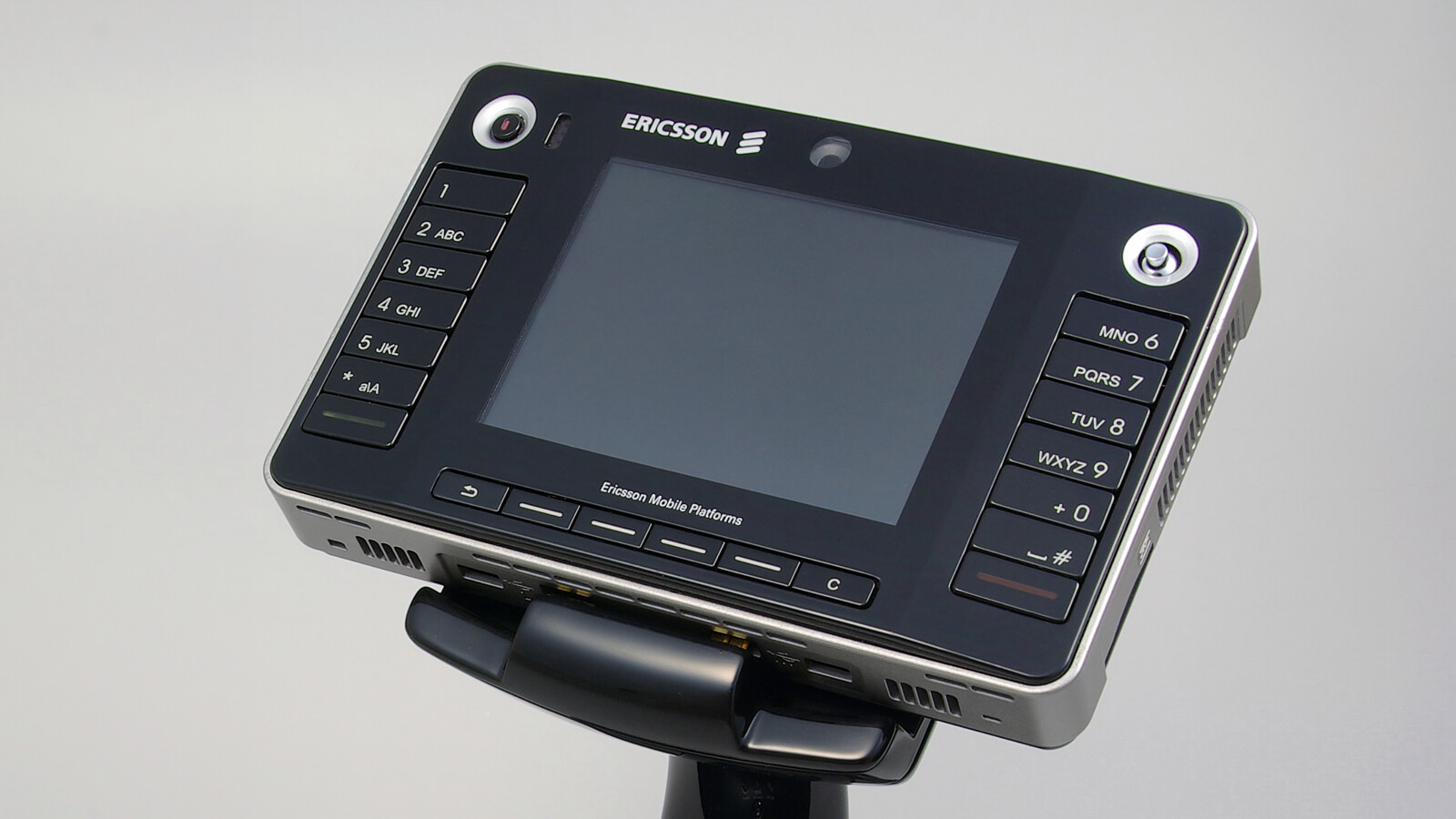
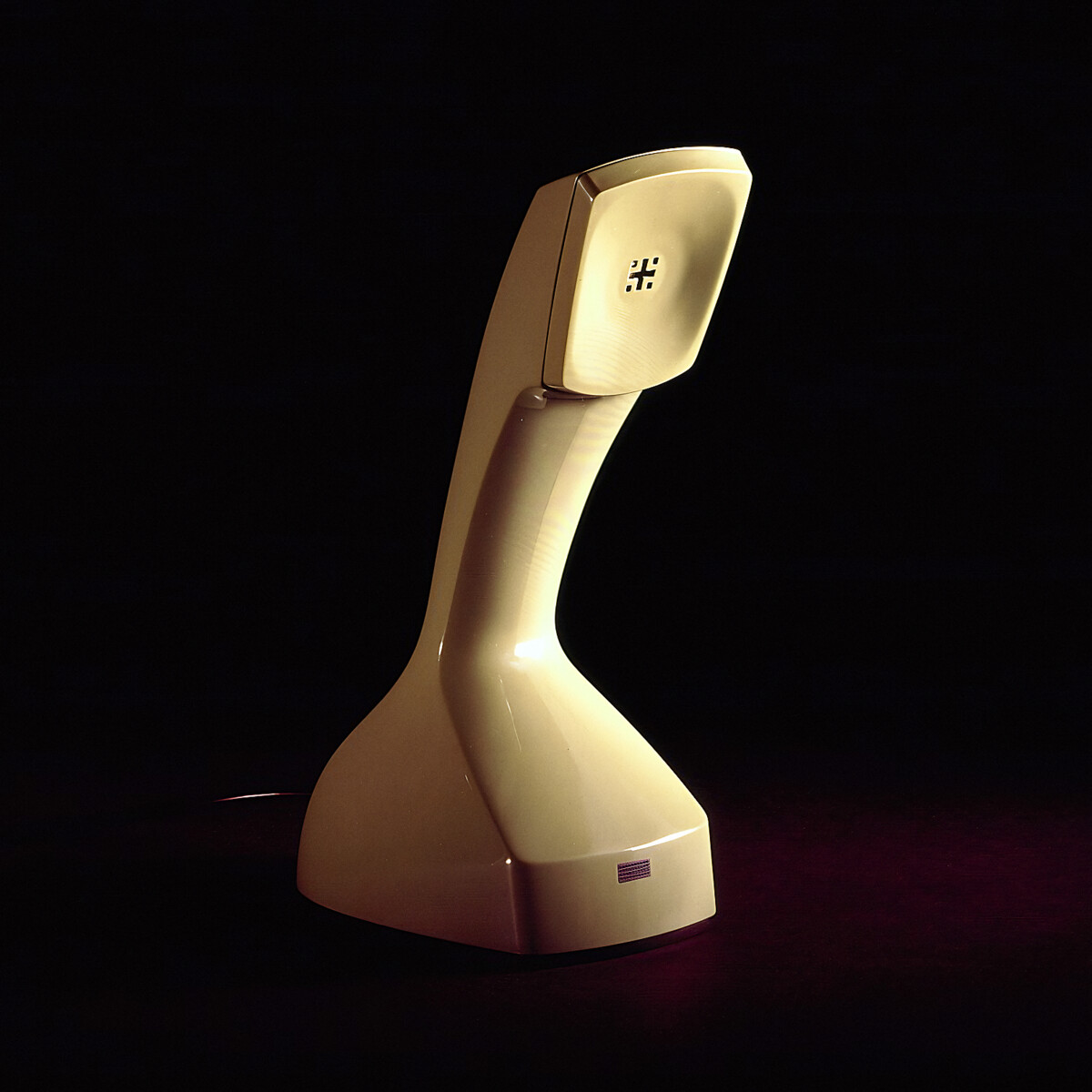
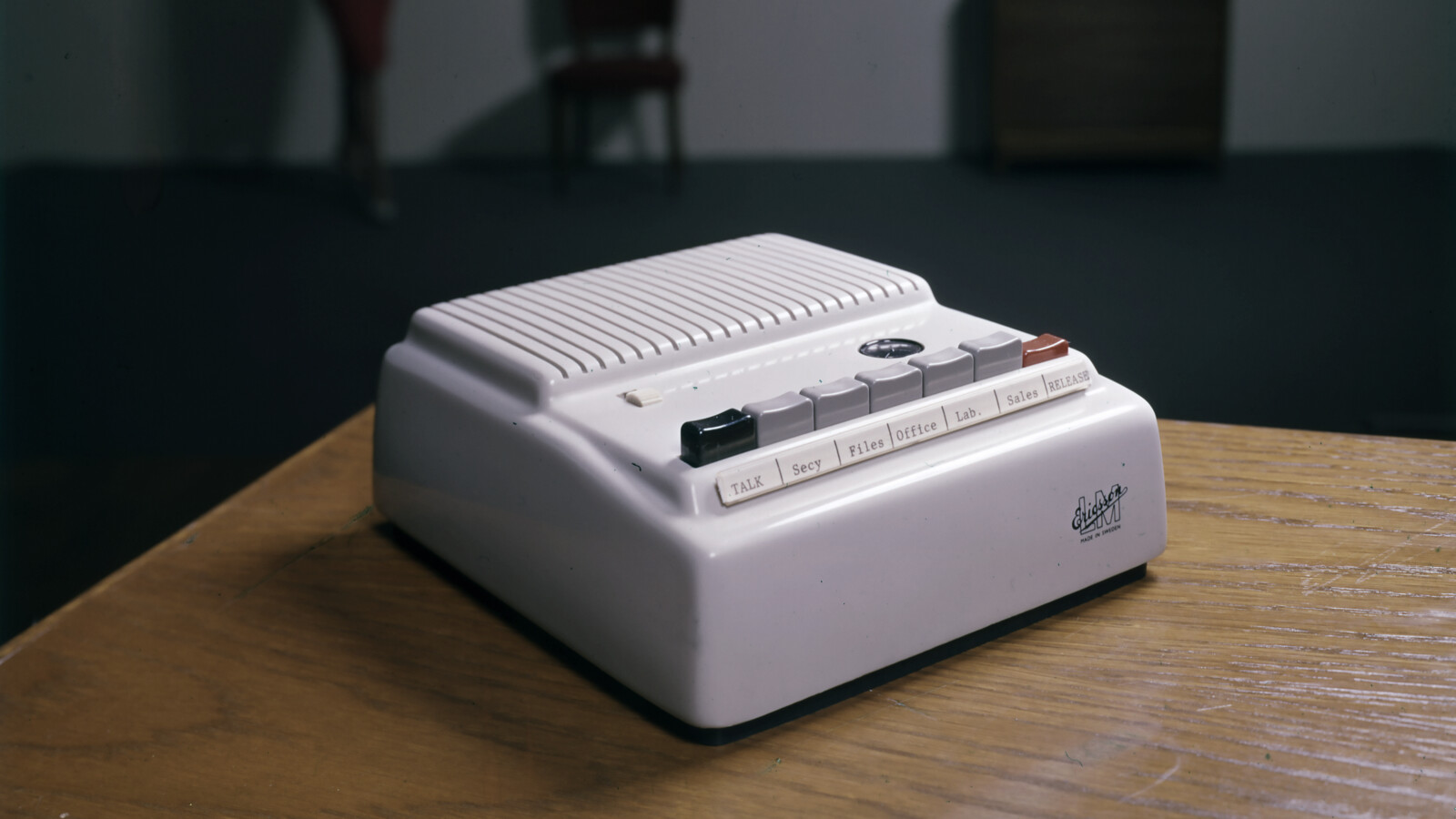
Ericsson's culture emerged from a deliberate strategy: innovating both inside and outside the core business. In the early 1990s, engineers in Lund invented Bluetooth, creating the wireless standard that now connects billions of devices globally. Around the same time, the company developed Erlang, a fault-tolerant programming language originally built for telecom systems that became foundational for distributed digital platforms worldwide. In the 1960s and 70s, Ericsson engineers explored videophone technology, combining cameras and monitors with the Ericovox system to trial some of the world's first video calls, including the first transatlantic video telephone connection via the INTELSAT IV satellite in 1971. Ericsson’s innovation was reflected in geography. Phone development thrived in Lund. The momentum with its mobile development was so strong that the company moved headquarters from its long-time location in Telefonplan south of Stockholm to Kista, the northern Stockholm cluster born from that fixed-to-mobile transition.

What major challenges has Ericsson faced throughout its history?

In the late 1920s, Swedish business giant Ivar Kreuger acquired large stakes in Ericsson. He then entered discussions to sell Ericsson to its US competitor, International Telegraph & Telephone (ITT), and in June 1931 ITT became majority owner of Ericsson. But in March 1932 Kreuger was found dead by gunshot in a Paris hotel room, and his entire empire crashed. Ericsson regained its independence and rebuilt amid global uncertainty. A second major turning point came in 2001, when the telecom bubble burst. Global operators halted spending, supply chains froze, and many equipment vendors disappeared entirely. Ericsson responded with deep restructuring, refocusing on mobile infrastructure and streamlining operations. What carried the company through these crises and others is a culture centered on engineers, problem-solvers and researchers who build for the long term. That culture continues to guide Ericsson to this day.