









Customer case: Elisa’s journey to CI/CD

Marketing Director, Core Networks & SaaS

Marketing Director, Core Networks & SaaS
Marketing Director, Core Networks & SaaS
5G networks will demand faster software lifecycle management (LCM) for deploying new and updated software and products on demand. Adopting DevOps principles through continuous integration and continuous delivery (CI/CD) is key, but it requires significant changes when it comes to tools, culture and ways of working.
Elisa is one of the first service providers to launch 5G, and they’re also pioneering telecoms DevOps – where vendors are responsible for ‘Dev’ and operators for ‘Ops’. With customers in Finland and Estonia, the company has a long and ambitious history of digital transformation, including a strong emphasis on automation.
But how is Elisa succeeding with its DevOps adoption and staying ahead of competition?
Five key insights from Elisa’s journey to CI/CD
Elisa plans to go from four upgrades per network function per year to 25 through leveraging CI/CD and automation. This the equivalent of 500 annual upgrades across its 20 network functions. The numbers are impressive, but what does it mean? Here are my reflections.
1. Elisa’s transformation makes the customer the winner
You may think CI/CD is too geeky to learn about. Would you rather read about the latest customer segmentation model from a weekly marketing magazine at bed time? Then re-think! Elisa translates this paradigm shift into direct value to their customers.
Today, Elisa faces challenges with customer experience every time they need to apply a major network upgrade. It must inform customers two weeks in advance before maintenance windows that may result in network outages and must implement changes at nighttime to minimize customer disruption.
Also, testing is manual and time-consuming, so the number of tests applied to an upgrade before deployment in the production network is limited – increasing the deployment risk.
Elisa also needs to be ready for cloud-native functions, where vendors will continuously release enhancements and new features. It must be agile enough to take advantage of a new approach that brings customer experience benefits, since such upgrades can be applied without the need for network outages.
Elisa expects CI/CD to transform its current manual 90-day process for introducing software upgrades once, twice, or at most, four times a year (per network function), to one that takes three days to get an upgrade into production. The resulting agility and efficiency benefits translate into improved customer experience and value creation.
2. Elisa’s CI/CD benefits are real today
Will full implementation of CI/CD in service provider environments be a complex that takes years?
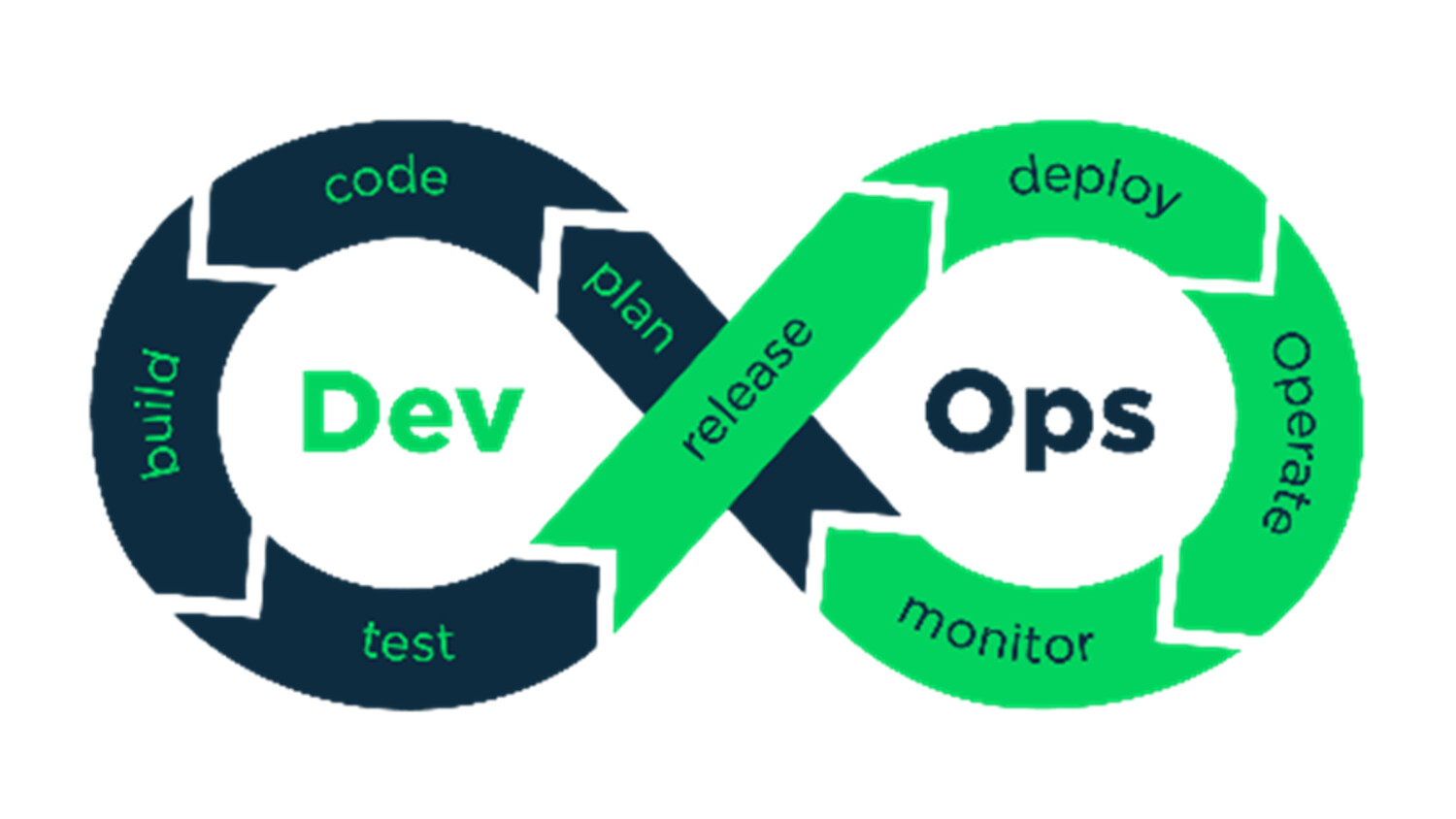
Indeed! But while this is true, the Elisa case study demonstrates that value can be delivered incrementally during the journey starting, for example, with automated testing. Elisa is on track to automate up to 80 percent of the testing processes associated with feature and patch updates to its Ericsson Evolved Packet Core (EPC).
Instead of downloading upgrades from Ericsson’s network management system, Elisa automatically receives EPC upgrades that have been tested in Ericsson’s environment in its repository. Elisa then manually triggers the next phase: the automatic installation of upgrades in its testbed (a replica of its multi-vendor production network) and their testing with Ericsson testing tools and test sets.
Problems discovered in the testing phase generate automated alerts that include relevant data and logs, replacing time-consuming email exchanges with the vendor. This process is iterated until Elisa accepts the upgrade and triggers the staging phase, when upgrades are deployed to the production network with a controlled amount of live traffic. With automated testing, Elisa is taking a major step in reaching their goal of reducing the time for introducing software upgrades from 90 days to three days.
3. Operations staff are Elisa’s automation drivers
Do you expect automation to eliminate all jobs in the operations departments? That’s not how Elisa sees it. Elisa expects that automation will help them to maintain operational quality in a more complex cloud-native network without doubling resources.
Elisa and Ericsson are undertaking the cultural change needed so that operations staff develop automation instead of directly operating the network. The reduced time spent in manual activities means staff can focus more on improving automation tools and processes.
4. Elisa and our industry are on a quest for CI/CD interoperability
Do you view CI/CD as having been deployed in software development for years, so it’s simply the telecom industry that is moving slow? That it’s an easy feat for vendors and service providers to download the new tools, develop new competences and get started? Not exactly.
If we shift the focus away from software development of smaller, simpler stateless applications developed inside a single organization and look at CI/CD in the broader context of service provider operations where more complex applications are deployed in a multivendor landscape, the picture looks different. Several organizational challenges must be overcome for successful and complete CI/CD introduction. Elisa sees integration as the biggest challenge to its development of DevOps automation. Integration between products from multiple vendors typically has to be hard coded to reconcile incompatibilities and the timing of vendor support for key capabilities varies between vendors.
The quest for CI/CD interoperability needs industry collaboration. Read this recent blog post from Ericsson to learn more about Why interoperability in CI/CD matters for future innovation.
5. The testbed is dead, long live the production environment!
Elisa has an ambitious goal to replace its testbed with a scenario in which a cloud-native production site can be isolated and put into staging mode for testing purposes. The site in staging mode would be used for the testing cycle and then live traffic would gradually be introduced for canary testing purposes. Once fully tested, the site would be put back into production and the other sites upgraded in turn.
Is this then a vision without a plan? The case study provides the answer - Elisa has already prepared its network to support the traffic steering that is needed, but its full DevOps pipeline is not yet ready to support this vision. Elisa expects to be able to skip the testbed phase within the next year as its automation matures.
The Elisa case study highlights where our industry is heading with the implementation of the agile cloud-native 5G platform. A business/technology/operational transformation journey that promise great long-term benefits, but also a journey that can deliver short-term benefits along the way.
Download the report from Analysis Mason to learn more about Elisa’s journey to CI/CD, including:
- Business challenges and key drivers
- Elisa’s first steps towards full CI/CD automation
- Elisa’s future roadmap for CI/CD
- Key benefits