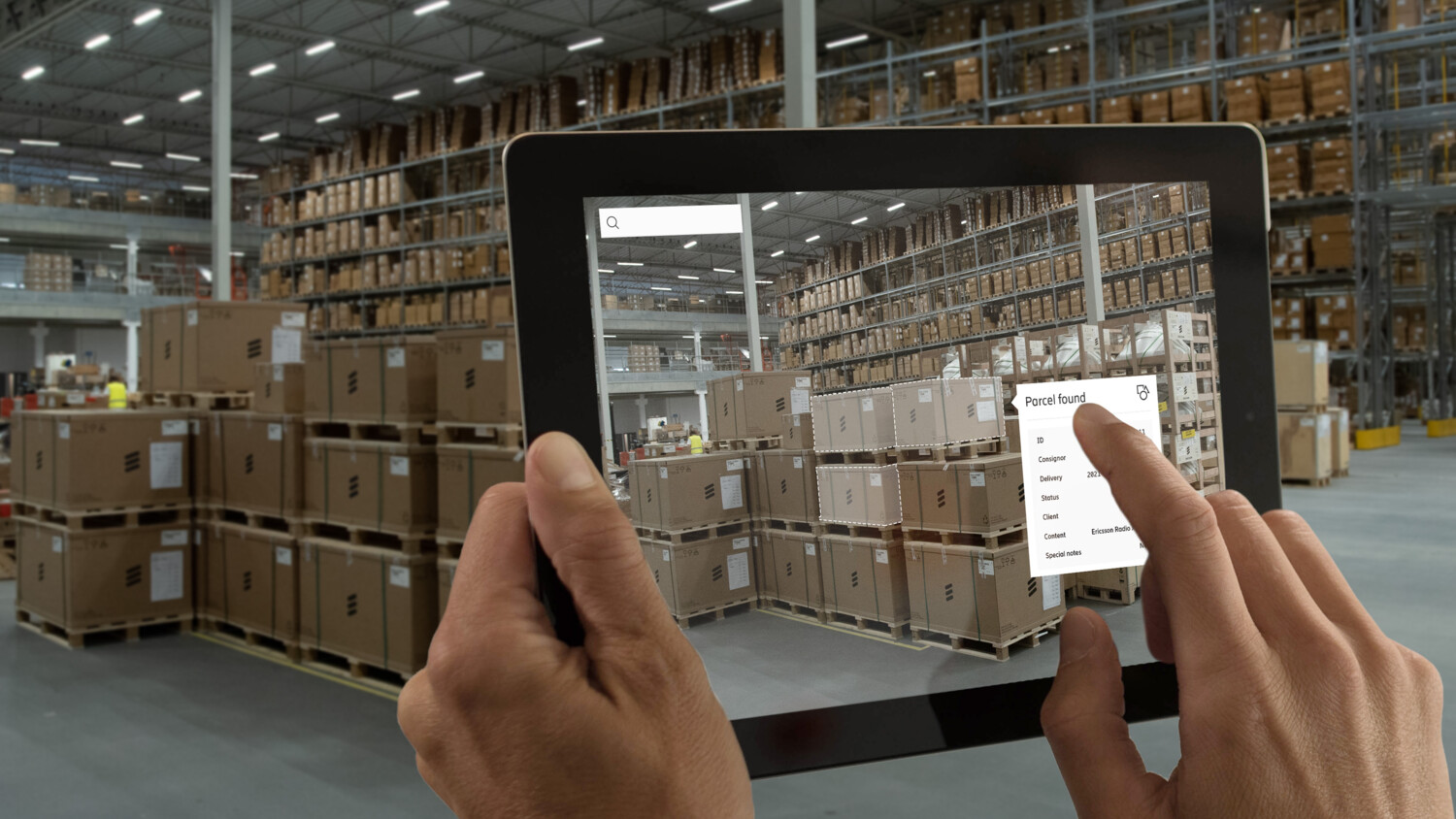
The new industrial revolution, enabled by 5G and the effect the latest generation in mobile wireless Internet has on the Internet of Things (IoT), is being accelerated by the COVID-19 pandemic.
Companies are starting to recognize that the faster they move to automation and the kind of real-time insight and feedback environments that 5G can enable, the more they see a transformative effect on their business. For too long, industry leaders have looked at automation in simplistic terms, as replacing workers. But really, bringing the 4th Industrial Revolution to factories improves the quality of the workforce, automating more mundane tasks and increasing efficiency, which frees human workers to upskill into new roles and responsibilities. Industry 4.0 is expected to deliver up to USD 11 trillion a year in value by 2025, with manufacturing poised to realize the most significant gains from the industrial Internet of Things (IIoT) (Source: McKinsey)
Those factories' demands are changing even more so as manufacturing – and all industries – grapple with COVID-19. We believe the pandemic is accelerating the pace of adoption as an uncertain environment, and the need for quick pivots brings pressure on factory operators.
COVID-19 is propelling older industries forward
Nowhere are these new pressures more apparent than in industries such as meat production and food transportation. The pandemic limits factory capacity, supply chains get squeezed, and there are increasing demands to track and trace food shipments to decrease loss and spoilage in transit. 5G can resolve these challenges, enabling real-time monitoring and quick adjustments to temperatures, traffic patterns, and other factors. Even before the pandemic, classic industries like maritime shipping started to examine how to transform their business digitally.
5G and the IoT are also transforming the factories themselves as COVID-19 creates more demand for automation and contact-less operations, with less human involvement to limit exposure and control outbreaks. In Denmark, for example, there hasn't been the type of closures to meat processing plants we've seen in the U.S. That's partly because one of the country's largest plants is almost entirely automated. 5G and IoT technologies will help bring this kind of automation to life across industries.
With disrupted production and soaring demand, many businesses are also thinking about efficiency and spoilage – and 5G can help here. Research from the U.S. National Institutes of Health showed that 60% of harvested cereal grains are lost during the storage process. Ericsson worked with the company IntraGrain to provide a solution enabling farmers to digitally monitor grain storage conditions within silos, reducing spoilage and ensuring more product reached buyers.
The COVID-19 pandemic raises awareness of the need to digitalize operations as consumption happens closer to home and more services get delivered directly to users. It's starting with things like food delivery as diners shy away from restaurants, but it will soon reach other industries – let's call it the "fleeting of everything." We are moving towards lean production, lean warehousing, and new demands on logistics to meet consumer expectations for "just-in-time delivery." Cellular connectivity, especially 5G, will be critical for tracking, monitoring, and keeping operations efficient.
Flexibility in manufacturing is the watchword
Inside factories, moving from wired to wireless cellular connectivity brings greater flexibility to factories, allowing them to quickly ramp up and down capacity to match demand or quickly reconfigure machines and processes to make new products. Another example is an increase in 3D printing because of delays across the supply chain – an innovation born out of necessity that could have a long-lasting impact.
Eliminating fixed wired connections enables easy reconfiguration of production lines, resulting in an agile and smart factory. Private cellular networks offer other benefits to manufacturing firms, such as increased security for data and device integrity, consistent high speeds with no dropped connections, and seamless transitions between indoor and outdoor environments.
This leads to the idea of "the economy of one," where demands for customized, personalized products reach from the consumer space into the manufacturing world. It's being accelerated by the rapidly changing needs of the current environment – think about how many companies quickly pivoted from their normal operations to producing PPE gear, or hand sanitizer, for example. Cellular connectivity allows factories the flexibility, and the superior connectivity, security, and low latency of 5G make it all run smoothly.
Learn more
Welcome to the smart factory
Unlock the value of Industry 4.0