










Data interoperability across IoT ecosystems with One Data Model (OneDM)

Standardization manager IoT

Expert IoT standards and protocols
Standardization manager IoT
Expert IoT standards and protocols
Standardization manager IoT
Expert IoT standards and protocols
One Data Model (OneDM)
Long-term efforts to standardize IoT data models have led to several established standards being developed, such as IPSO, OCF, oneM2M, and Zigbee dotdot, among others. Each such standard comes with a separate ecosystem of support software, formats, and tools that are largely solving the same data model problem, but are not compatible with each other. While interoperability is provided within each ecosystem, creating interoperability across different ecosystems requires a significant integration effort as there is a lack of common supporting tools or mechanisms that can help.
The One Data Model Liaison Group is an industry initiative to create a new joint interoperability framework between existing IoT data model standards. This will allow for the alignment of data models, an easy translation between ecosystems, and contributing models between organizations. As a result, it widely opens up the potential addressable market. The initiative behind OneDM came from a group of leading IoT standardization organizations, including OMA SpecWorks, OCF (Open Connectivity Foundation), Zigbee Alliance, and Bluetooth SIG, with more and more organizations increasing their interest to join.
One Data Model improves IoT interoperability across ecosystems
OneDM addresses the IoT interoperability problem through two means. First, the introduction of the development of Semantic Definition Format (SDF), meant for description that then enables translation and the alignment of between the data models from different ecosystems. Second, it will, over time, establish a common set of data models for different IoT devices, based on contributions from the participating organizations. These approaches, together, allow for the reduction of translation overhead in a systematic way.
At Ericsson, we have long believed that interoperability across ecosystems is key for IoT market growth, including interoperability for IoT data and interactions. This is highlighted in our previous blog in this series, “What is semantic interoperability in IoT and why is it important?”
The primary ecosystem that Ericsson supports is based on the standardization efforts of OMA SpecWorks, including IP Smart Objects (IPSO) and Lightweight Machine to Machine (LwM2M) device management. By supporting OneDM, Ericsson adds the capability to address the costly data interoperability problem, supporting integration of an LwM2M and IPSO-based ecosystem with other ecosystems.
What’s important to note here is that SDF is intended as a tool for translation between ecosystems; it does not replace the IPSO models and the LwM2M protocol. Instead, the intent is to use SDF to open up and interoperate between IPSO and other ecosystems. For instance, OneDM will greatly simplify using an OCF device with a LwM2M/IPSO system by introducing the tools and mechanisms to aid the translation.
Semantic Definition Format
Early in the evolution of OneDM it became obvious that in order to best facilitate interoperability between the different ecosystems, a neutral mechanism was needed that could capture all the relevant aspects of the ecosystems. The result, SDF, aims at achieving this by providing a common format for describing data models and defining the mechanisms needed for the translation.
Figure 1 illustrates this process of how a model from a source ecosystem can be translated to SDF, and then from SDF to the target ecosystem. Both source and target ecosystems only need to know how to translate to and from SDF, but the source ecosystem does not need to understand the internals of the target ecosystem, and vice versa.
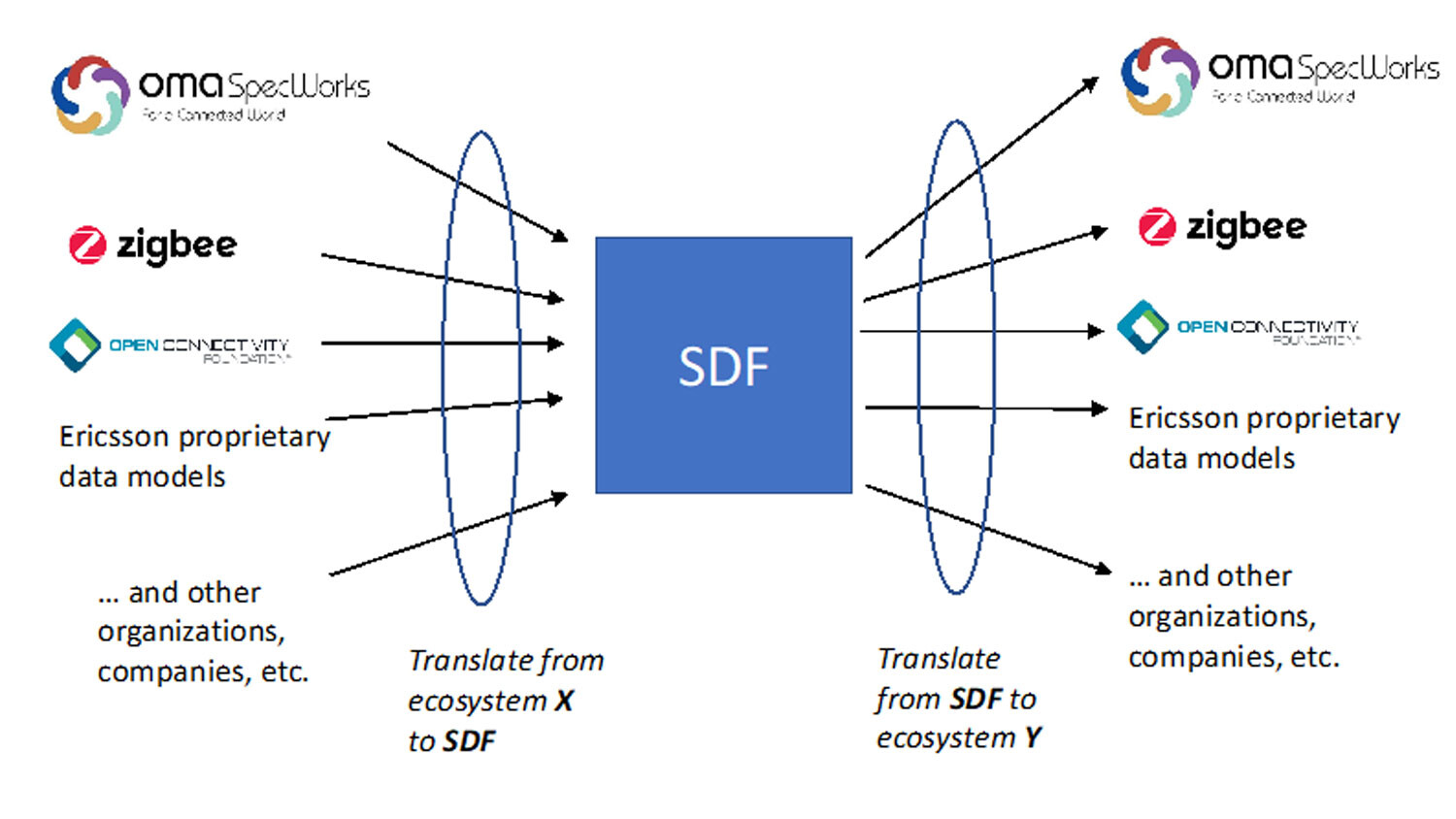
Figure 1: The overall scope of the OneDM model
SDF describes a general, straightforward data model, which is similar to the ones used by IPSO, OCF, Zigbee Alliance, and others. At its atomic level, the data model defines objects with related interaction patterns, as well as complementary metadata, such as license information. Three interaction patterns are defined, including actions, properties, and events, that allow for defining the most common ways to interact with objects. In order to model more complex IoT devices, a composition mechanism is defined, with which Things can be composed of Objects or other Things.
To further improve the technical quality of SDF, the OneDM group has decided to bring SDF to IETF for formal standardization, a process which has just started.
Common data models
In addition to the need for a format designed for translation, an early observation was that while SDF would help to bridge between ecosystems through simplifying translation, it would also allow for the definition of a set of common IoT data models in SDF that can be used in all the ecosystems—instead of every ecosystem having to invent the model itself. This common set, sourced from the best-of-breed of the contributing ecosystems, would reduce fragmentation and even further lower the bar for interoperability.
The process to settle on a common set of data models is now being defined. In order to make it work, the contributing organizations have agreed to release their data models under the BSD-3 open source license.
While it will take some time for the common set to be established, today there is already a playground section of OneDM’s GitHub page where contributed data models translated into SDF can be found. For example, using tools provided by Ericsson, all the defined data models of IPSO have been translated to SDF and made available in the playground. The playground serves multiple purposes, from staging ground for the common set, to means for communication about data models across organizations.
The future of Semantic Definition Format and One Data Model
Ericsson has, since the early days of OneDM, been actively contributing to ensure good compatibility with IPSO and LwM2M technologies in our work. This effort has driven several activities, including the creation of tools (released as open source) to translate between IPSO and SDF; working actively with the OMA SpecWorks IPSO working group to enable publishing IPSO objects with BSD-3 license; a very active participation in the specification process of SDF; and, hosting one of the group’s F2F meetings at Ericsson’s HQ in Kista, Sweden. We have also been active in various OneDM- and SDF-related IETF activities, including hackathons as well as supporting the initiation of an SDF Working Group in IETF.
Looking ahead, we are exploring uses of SDF beyond translation of data models. For example, one potential is to use SDF for provisioning heterogeneous data sources to systems. Today, ecosystem-specific or proprietary description mechanisms are commonly used, but SDF provides an opportunity to unify these interfaces with a single standardized format.
The work for OneDM has come a long way to realizing the vision of IoT data interoperability. So far, fundamental work has been carried out by the members of the OneDM liaison group, and we have together collected tools and gained an understanding to deliver the necessary mechanisms.
Today, there are several ongoing activities. First, in July 2020, the OneDM liaison group emerged as an open activity with a public web page, opening up participation to other organizations beyond the initial promotors. Second, also in July 2020, SDF was very successfully presented to the IETF community, initiating the work to charter an IETF Working Group for standardizing SDF. This will be known as the ASDF Working Group. Third, the work to settle on a process to incorporate models into OneDM’s common set of data models is ongoing, with the aim to create a robust process for incorporating high quality, widely useful data models defined in SDF that can be extensively reused.
Ericsson will continue to contribute actively to the evolution of OneDM and SDF, with the long-term aim of addressing the important interoperability challenges in IoT.
Learn more
Learn more about OneDM and Ericsson’s contribution to is supporting interoperability in the IoT:
Ericsson’s IPSO to SDF translation tools
What is semantic interoperability in IoT and why is it important?