










5G enterprise: revealing where the smart money is

Head of Social Media, Digital Services

Head of Social Media, Digital Services
Head of Social Media, Digital Services
From 5G-first to business-first
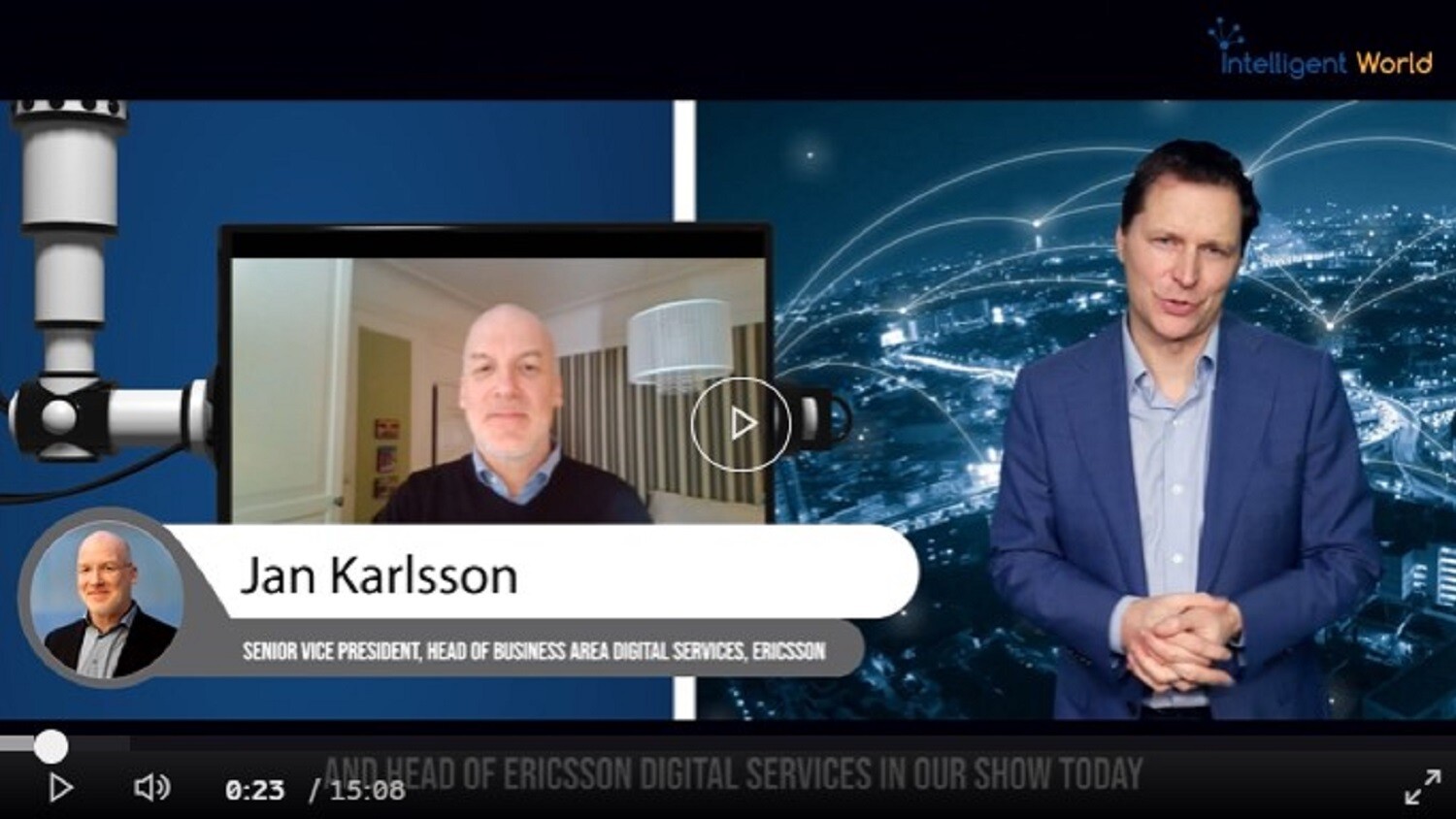
The video interview linked below, deep dives into the new ecosystem play for Service Providers. Ronald and Jan discuss the key industries gaining ground with 5G and offer detailed signposts on the horizontal use cases and offerings to focus on. Jan Karlsson said he believes for CSPs to advance and position themselves in this ecosystem, they will need to shift their thinking from ‘5G-first’ to ‘business-first’.
There is so much optimism and bullishness around the 5G Enterprise opportunity, one good reason highlighted by a TM Forum report “Enterprise 5G the role of the Telco” is that:
“Until now, the mobile industry has been shaped by national operators that have been the only companies awarded spectrum. But with 5G, the sector is becoming democratized, with regulators awarding spectrum not only to enterprises, but also to start-up service providers with a focus on the B2B market.”
Where the smart money is
In speaking about “where the smart money is” Jan said reports have identified the key business areas where 80% of early 5G enterprise deals are being made – these are: manufacturing, transport, utilities, and energy/ mining sectors.
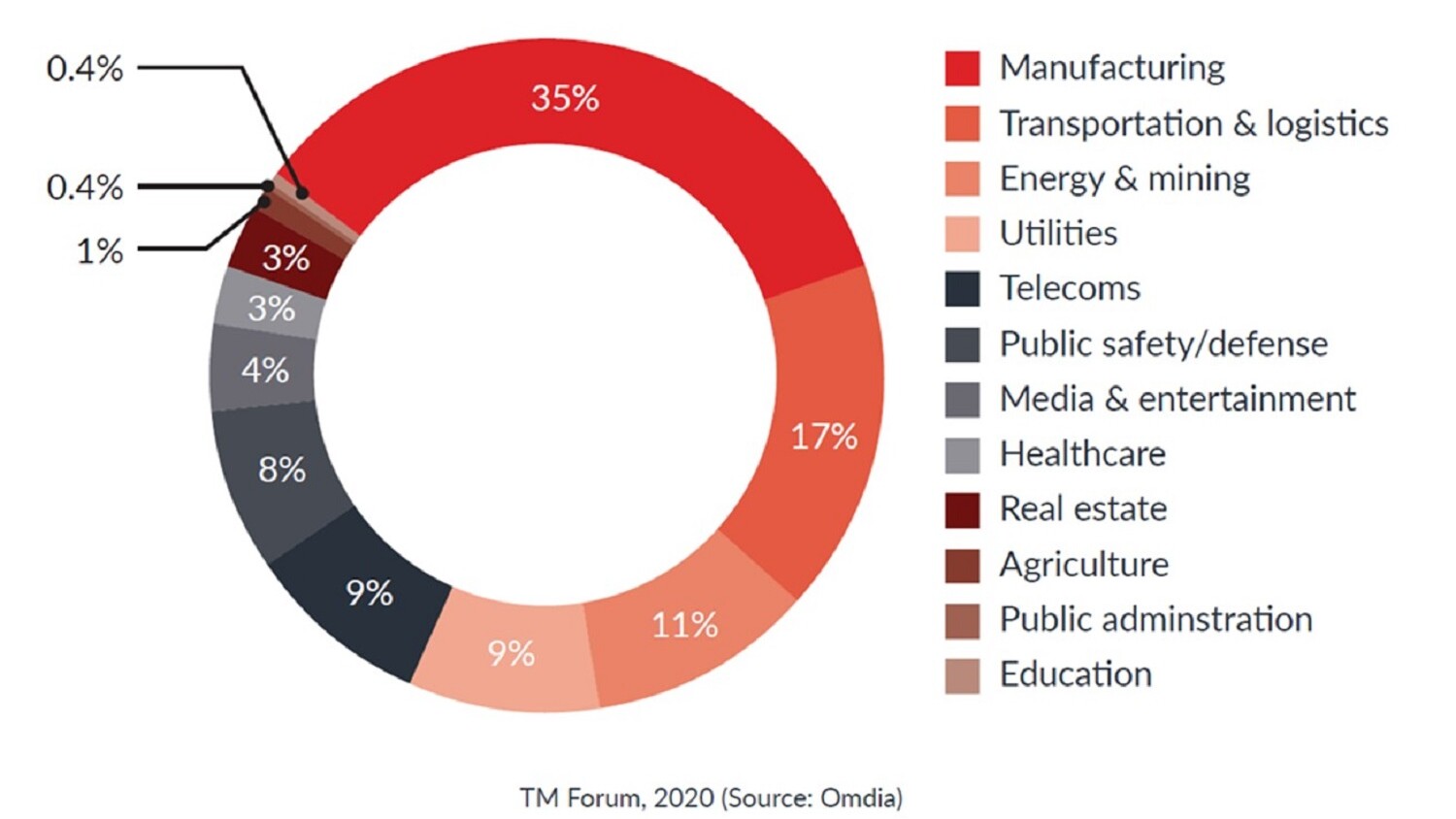
Figure 1: Enterprise 5G announcements by sector
CSPs need to make inroads to understand these businesses – get to know their current pain points, understand their future business wishes and then plan for how they can support with smart automation, AI and other value enablers.
Ronald posed the question to Jan, that he once heard him say “5G is a software game” in relation to the 700 Billion USD opportunity for CSPs by 2030, cited in a recent Ericsson report.
Jan replied that CSPs have a unique opportunity to grow their enterprise business with new services in addition to or beyond the mobile broadband, however, Jan also acknowledged that it’s a new type of business and there are complexities involved in branching into new territory.
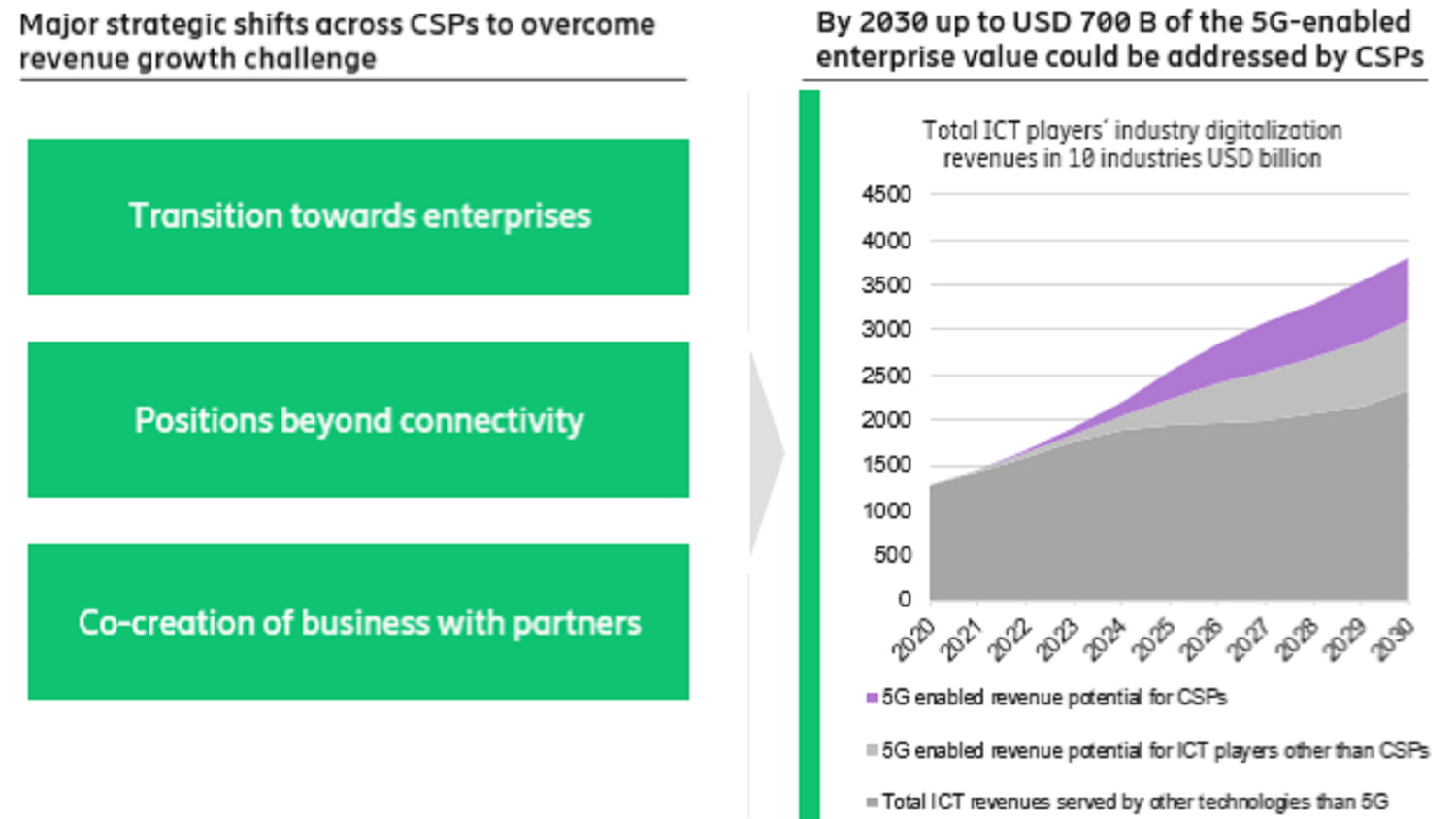
Figure 2: Major strategic shifts until 2030
5G is an innovation platform
5G is an innovation platform, we continue to drive value for our customers and our goal is to enable them to create new business models and use cases across all industries. This will benefit the consumer segment and enterprises/industry verticals. It will accelerate new 5G services such as video-assisted remote operations, AR/VR, TV/Media for sports event streaming, cloud gaming, smart city, and applications for Industry 4.0 and public safety.
We recently launched Ericsson RAN slicing and with this new addition to our portfolio, we now have an industry leading end-to-end network slicing portfolio that comprises of BSS & OSS systems driving monetization and automation, RAN, transport, cloud native core and cloud infrastructure and related Services.
To pursue the new business opportunities and serve the needs of that business area be it – QoS, latency, speed or coverage - new capabilities are needed. Based on their market position, Service Providers can choose to focus on specific industry use cases or specific enterprise customers. To do so, they need to invest in deeper knowledge of their customers’ specific needs, ecosystem and partners.
CSPs can also choose to focus on more horizontal use cases and offerings, which span across many industries. These offerings are adjacent to their existing connectivity offerings, such as SD-WAN, IoT, SASE (Secure Access Service Edge) type of services. In both cases, CSPs need to not only understand the business requirements, but also develop the capabilities to address the customer pain points in ways that they can monetize.
Scalable IT ecosystems
CSPs should look at re-creating their IT footprint and transform it into a more scalable IT ecosystem of services. Cloud-native is integral to this seismic shift and will be the accelerator to onboard, deliver and spin up new services. Jan Karlsson has long advocated for CSPs to “start now” and ready their IT to enable microservices and APIs.
Telco IT needs to have an architecture that can progressively adapt to external changes/demands. This however is part of a wider organizational transformation and will require employees to be upskilled in agile delivery and DevOps practices, understanding that innovation will rely heavily on the organizations ability to deploy continuous integration/ continuous delivery to secure the full potential of the 5G enterprise opportunities.
Multi-vendor approach
In the interview Jan points out that “our recommendation is for the CSPs to have a multi-vendor approach towards the HCPs” (Hyperscale Cloud Providers) and added that “5G stand-alone opens the possibility to create new enterprise value for our customers.”
At the heart of this change is 5G core and end-to-end orchestration and Ericsson is partnering heavily with CSPs in targeting verticals through joint R&D projects, piloting and also via engaging in the wider ecosystem.
Jan concluded the interview by saying he looks forward to “innovate a more fruitful and sustainable future” together with our partners.
The interview is an exclusive insight into the current state of play for 5G enterprises and offers frank revelations on where to focus to succeed.
Want to know more?
OMDIA Innovation tracker (May 2020 – commissioned by BearingPoint/ Beyond)
TM Forum report on 5G Enterprise