









Shining a light on culture

Communications & Content across Europe and Latin America
Communications & Content across Europe and Latin America
Communications & Content across Europe and Latin America
Culture. It’s a powerful word. Never failing to spark an interesting conversation, it’s always something that has captivated me. Some individuals, wide-eyed, must reach deep within themselves to explain it. Others, quick to the mark, can pinpoint it in a heartbeat. Yet time and time again, no two explanations ever seem to be the same.
Breaking down “culture”
Sociologists argue that culture refers to the most intangible aspects of social life. That is, the values, beliefs, systems of language, communication, and practices that people or communities can share. But doesn’t that definition sound distant?
Have you, for instance, ever been somewhere, and felt completely blown away by difference? Perhaps you’ve been transfixed by an unfamiliar, but appealing sight, sound, or smell? Or, have you ever considered why the British might burn an effigy of Guy Fawkes on November 5, or why the French might sing La Marseillaise?
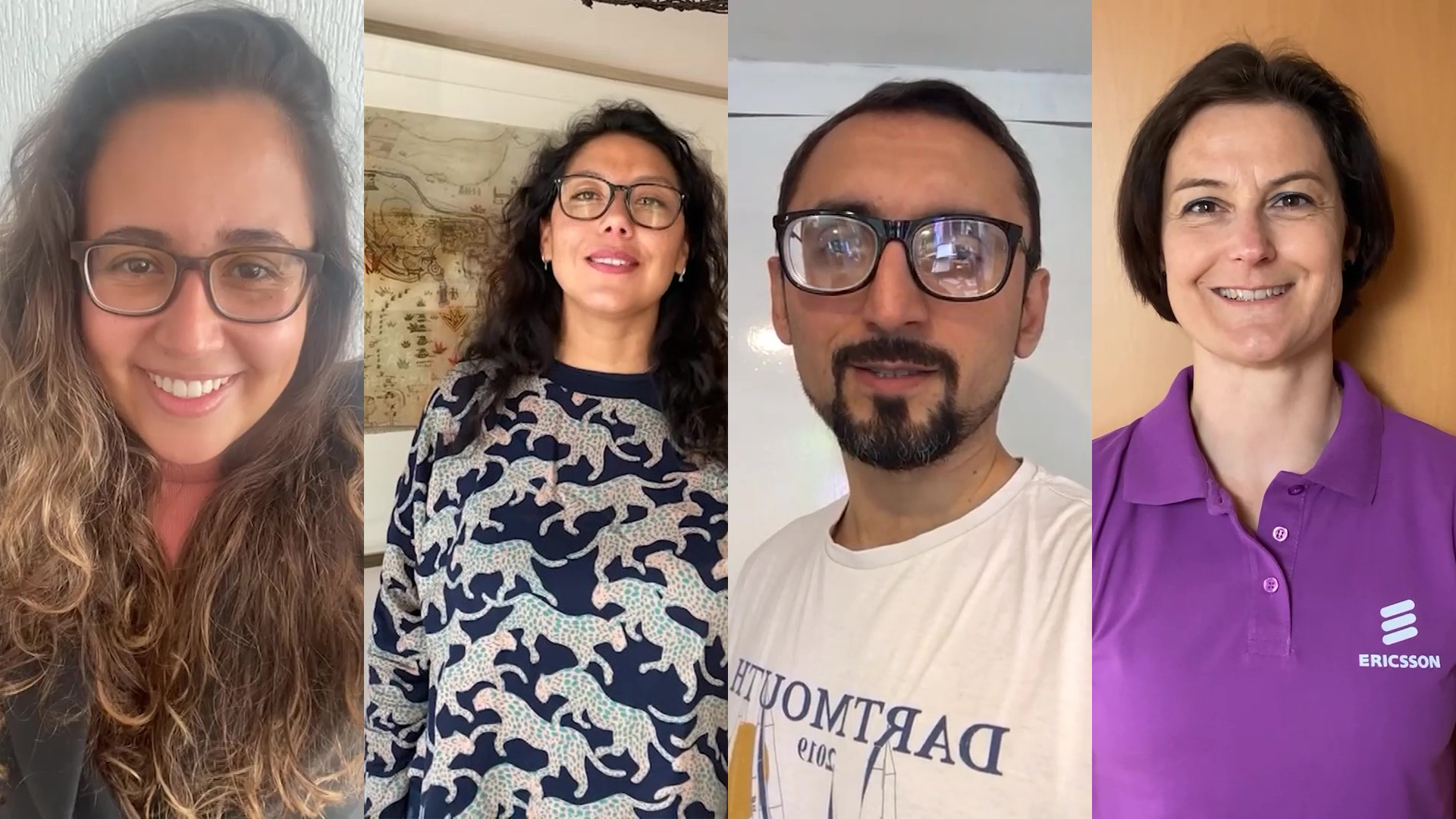
All what I would consider as tips of the hat to culture, I believe we can understand and learn so much more about it by looking at our own experiences and listening to others. So, to put the theory to the test, let’s take this conversation to my colleagues across Europe and Latin America.
What does culture mean to you?
Usman Aurakzai
Customer Manager from Pakistan
"Culture is what is engrained in you whilst you are growing up. It’s made up of our collective habits, actions, and norms that we identify with."
I come from the tribal areas of Pakistan, on the borders of Afghanistan, and consider myself a Pashtun. Although I have moved around a lot, it’s where my parents are from, and many family members remain there.
When I visited as a child, I’d always cherish the way we did things. It’s small things, like tasting smoke (from burning wood) in my food, or in my tea, that take me back, and keep me connected to my culture.
Being Pashtun is a way of life, with a tight culture that means we hold onto our language and our values as much as we can - hospitality and keeping to your word are highly important to us.
Paulina Moyano
People Business Partner from Chile
"Culture is what makes us the people that we are today – it’s what we celebrate, it’s what is important to us."
In Chile there are so many traditions that are a big part of our culture. One is commemorating our “fiestas patrias” (homeland holidays), a three-day long celebration marking our independence from Spain. During this time, we gather with friends and family, dance and enjoy traditional food.
Our culture varies across the country too. A great example of this are the Mapuches, an indigenous community that live in the south of Chile. What's interesting is that they plan their days and life through the spiritual messages they receive in their dreams- something which I really admire.
Gabriela Souza
Sourcing Manager from Brazil
"Culture is the product of who you’re with, where you are and what you’re doing."
As a Brazilian, I feel like our culture is a lot of things. It’s a mixture of our history, our festivals (carnival!) and even our food (Pão de Queijo!). It’s also the way we communicate – I would say we’re quite open people, and we love speaking to others.
But culture isn’t as fixed as that. When we change environment, so does our culture. I noticed that when I lived in Germany. Slowly, I picked up small parts of German culture as I came to like their mannerisms, their food, and habits.
Jutta Goesgens
People Business Partner from Germany
"Culture is not only a reminder of where we’ve come from, but it’s also a sign of where we’re going."
Growing up in Germany, my culture has always been what I’m comfortable with and what I know. It’s a mixture perhaps, of our European and Christian traditions, like when we celebrate St Martin’s Day. Children build lanterns and impersonate the saint who, as the legend goes, saved a homeless person from freezing.
But now, culture is so much more. As I’ve travelled, and worked with so many international people, I’ve found out so much out about the world that I want to take with me, like various cultural traditions, or different clothing and foods, which I’d like to pass on to my children too.
We should think about culture not in terms of our countries, but bigger – culture, to me, is something that is global, and hybrid.
Why should we celebrate culture?
Undoubtably, our conversation proves that culture is too complex a word to define - it means something different to us all. But perhaps, that’s the beauty of it.
Culture is diverse, and the differing cultural traits, unique traditions, and customs that my colleagues have described are just the tip of the iceberg. And at Ericsson, that’s something we like to celebrate.
Here’s just a handful of reasons why:
Usman: “Culture is about carrying on our legacy, heritage and language – we need it to pass on our way of life to future generations”
Paulina: “Culture enriches us and understanding it allows us to have real connections and deeper respect for others ”
Gabriela: “Different cultures bring different perspectives, and new ideas to a team – and that’s a huge positive at work and life as you can adapt, and challenge yourself”
Jutta: “Learning about and experiencing different culture can make us more aware of the world. It broadens our horizons and introduces us to new ways of doing and seeing”.
But let’s not stop the there. Ask yourself and others: What does culture mean to you? And why should we celebrate it? I promise you’re in for an interesting conversation.
Further Links:
- Diversity and Inclusion
- Nationality, culture and ethnicity
- World Day for Cultural Diversity
- Ericsson Careers Instagram channel
- Ericsson Careers Twitter channel