










Autonomous Operations: The path to resilient IT
OSS/BSS, cloud, and IT environments are becoming more complex, and manual fixes or basic automation can’t keep up. Autonomous operations, powered by agentic AI and closed-loop automation, enable self-learning systems that proactively prevent issues. This blog explains why the shift to autonomous operations is vital, how the autonomy loop works, and how to plan your next steps.

Product Marketing Manager

Strategic Product Manager

Strategic Product Manager
Product Marketing Manager
Strategic Product Manager
Strategic Product Manager
Product Marketing Manager
Strategic Product Manager
Strategic Product Manager

The imperative: Shifting to autonomy in IT operations
For years, operations have relied on people fixing problems as they arise, then on scripts automating parts of the work. But nowadays complexity has outpaced this approach.
OSS/BSS, cloud, and IT environments are growing more complex, with new services, new partners, and multi-vendor systems, while your customers expect everything to “just work”. Running things manually is no longer an option – it’s too slow, costly, and, moreover, risky.
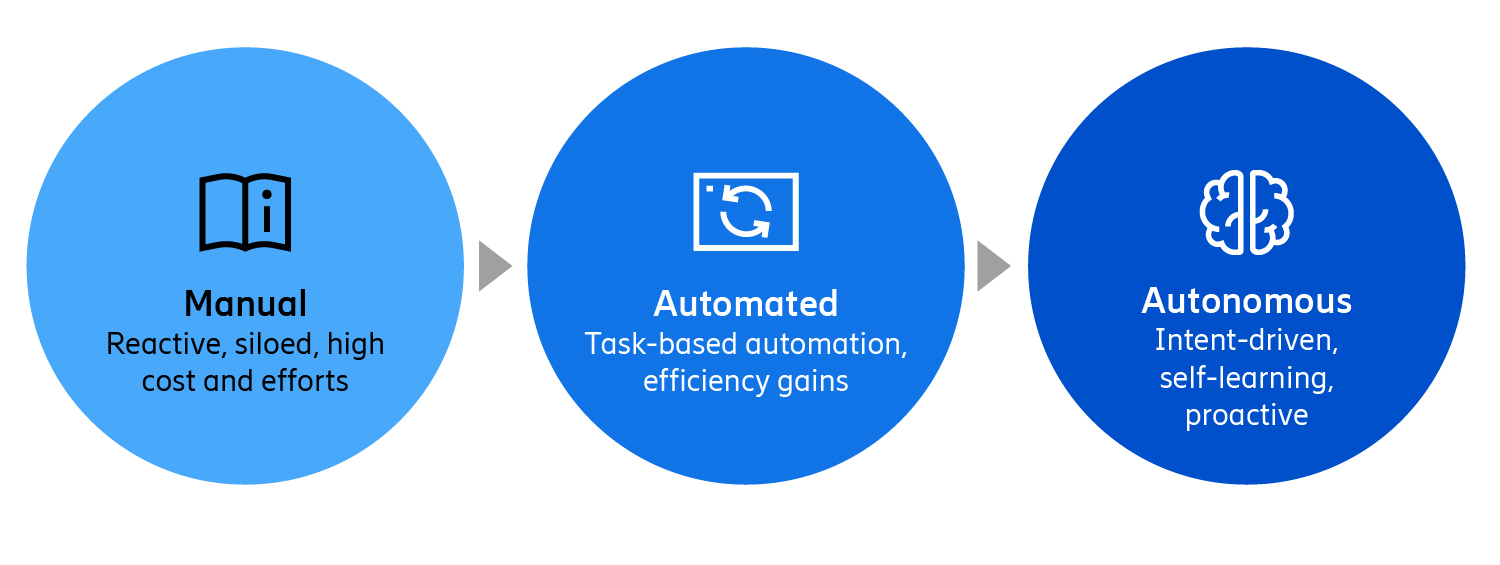
Figure 1: Shift to autonomy for true resilience
Automation has helped, but only to a point. Task-based scripts and siloed fixes deliver efficiency gains but don’t solve the real problem. TM Forum defines five levels of autonomy, from simple assisted automation (Level 1) to fully autonomous, intent-driven networks (Level 5). Most communication service providers (CSPs) are still climbing this ladder. The goal is Level 5 – the real leap for autonomous operations. At this stage, operations become intent-driven, self-learning, and proactive, aiming to prevent issues before they affect your business, while unlocking resilience, reducing costs, and providing consistent performance.
From observability to autonomous operations
Picture this: your telecom IT running like a well-oiled machine, fixing issues before they even become problems, and delivering top-notch service with minimal hassle. That’s the magic of autonomous operations in IT for CSPs! It’s like giving your operations a super-smart assistant who’s always learning and improving. Let’s break down how it works and why it’s important for efficient operations.
At the core, four key pillars hold everything together:
- Smart data management: Collect and make sense of the flood of data from your different systems.
- Intent-driven operations: Translate big-picture business goals into clear, actionable steps.
- Agentic AI-powered automation: Let AI handle tasks automatically while avoiding conflicts.
- Continuous learning from human actions: Observe how humans solve problems and learn to do it better next time.
Together, these pillars create what we call the autonomy loop: Observe → Orient → Decide → Act, capturing the journey from awareness to intelligent actions. It starts with observing system telemetry, then orienting that data into context to understand its meaning. Next, AI-driven decisions are made to determine the best course of action, followed by automated execution. As the loop repeats, the system not only resolves issues faster but also learns and adapts, driving continuous improvement.
Now, here’s how it plays out:
- With intent management and agentic AI, you can turn big business goals into clear operational steps. The system assesses real-time conditions, applies the right instructions, and even handles conflicts automatically.
- Sometimes, things get tricky, and that’s when the “adaptive knowledge engine” function kicks in. The platform observes how humans resolve the issue, learns from it, and stores that know-how for the future. Over time, the system becomes smarter, faster, and more reliable.
The result? Not just efficiency for you, but also a better experience for your customers.
Take order failure handling as an example.
Traditionally, this is a headache — back-office teams jump between multiple screens, chase data across systems, and repeat rule-based steps over and over again. The result: inefficiency, delays, and a poor customer experience.
With an autonomous operations framework, it’s different. An agent can simply express the intent to handle different types of order failures. AI agents then step in – they monitor, detect failures, and apply the right resolution actions automatically. What used to be manual and error-prone now becomes seamless, directly improving the customer experience.
Let’s look at how the order failure case is handled through the autonomy loop: Observe → Orient → Decide → Act.
- Observe: Collect telemetry from IT systems, hardware, and cloud infrastructure across the end-to-end order management process.
- Orient: This is where raw observations are translated into context. Based on the captured telemetry, a situational picture is built and then analyzed by the Decide layer..
- Decide: Here’s where the magic happens. This layer is the brain, using AI to spot anomalies in order flow, pinpoint root cause analysis (RCA), and assess service impacts. Agentic AI steps in to analyze the cause of the failure, align it with the business intent for handling order failures, and determine the best next steps.
- Act: Execute corrective actions, such as adjusting order parameters and retrying orders. If something can’t be fixed automatically, the system doesn’t just stop — it observes how humans handle it and learns to address it next time.
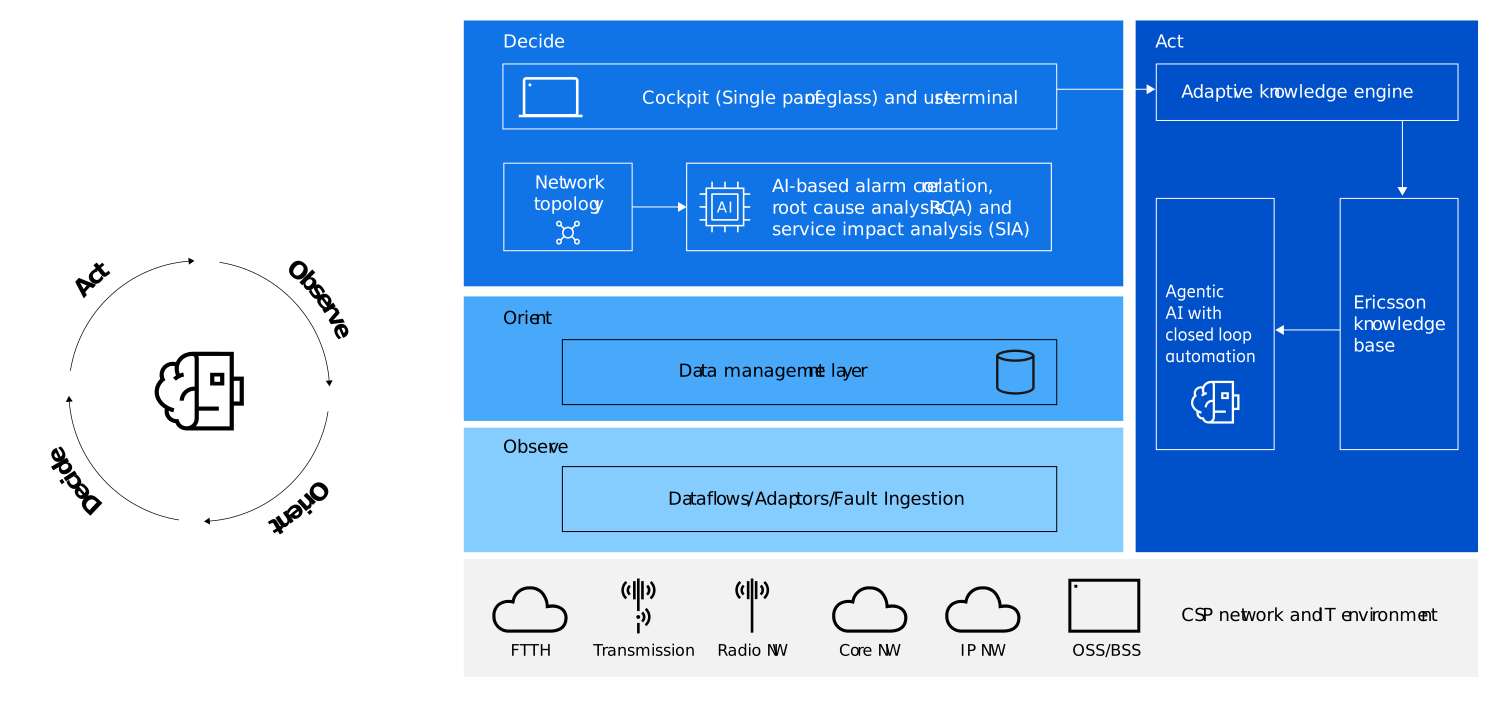
Figure 2: The autonomy loop: Observe -> Orient -> Decide -> Act
In short, autonomous operations aren’t just about cutting costs or automating tasks. They’re about creating IT systems that are constantly watching, deciding, acting, and evolving — serving as a true partner in delivering reliable services at scale.
Enabling autonomy with an end-to-end approach
The journey to autonomous operations demands a holistic, end-to-end strategy to ensure you don’t just automate isolated tasks, but also build a robust, self-improving ecosystem that can adapt and deliver value continuously.
Ericsson Intelligent IT Suite is strategically designed to empower you on the journey toward autonomous operations. It is built on the key pillars of multi-agentic AI, closed-loop automation, intent-based operations, and extensive telco knowledge planes to achieve operational autonomy. Our solution is backed by proven experience in multi-vendor environments, supported by seamless integration across cloud and IT layers.
A successful end-to-end autonomous operations journey transforms business resilience, agility, and performance. It should be feedback-driven, self-improving, and built on systems that balance machine autonomy with meaningful human oversight, ensuring enterprise-wide success.
How should you plan your next steps?
Your journey toward autonomous operations needs a clear, step-by-step approach. It begins with identifying your business intents, followed by assessing current maturity levels and conducting a gap analysis. Then we design a roadmap that takes you from basic automation to full autonomy, enabling “Zero wait, Zero touch, Zero trouble” experiences.
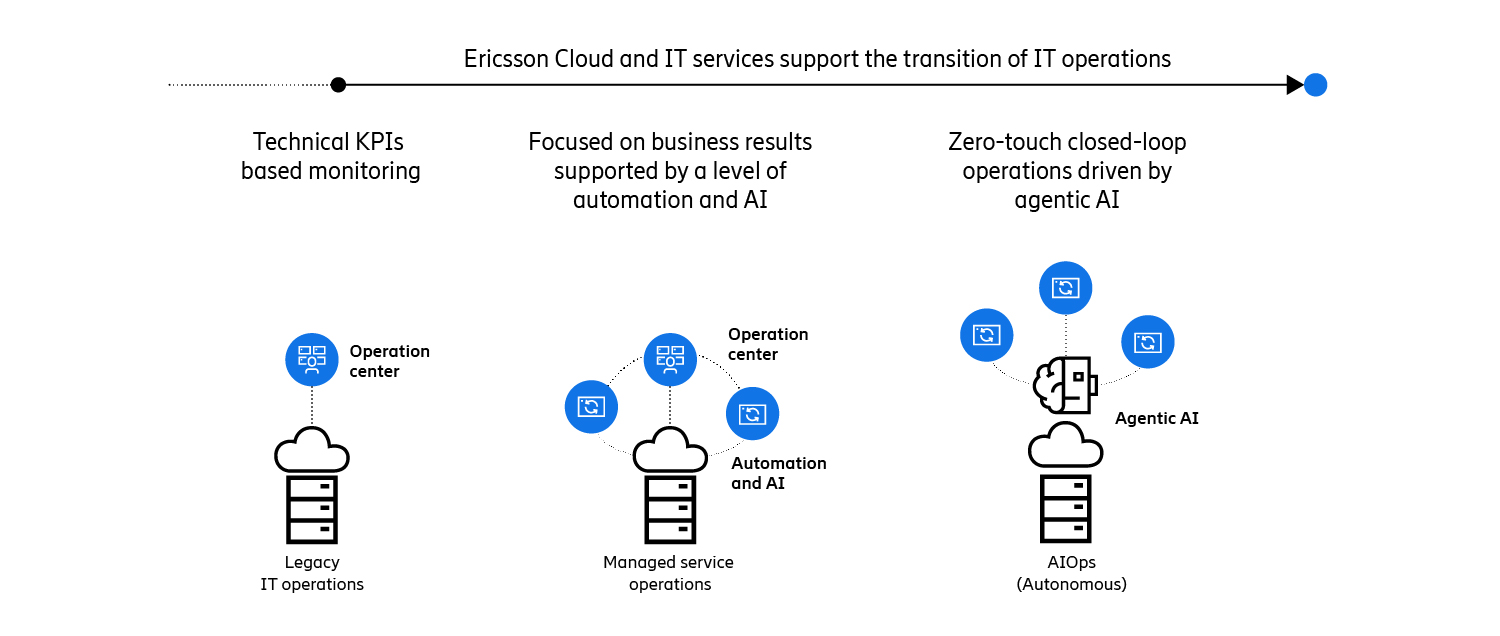
Figure 3: Advancing toward AIOps and autonomy
This approach turns business intents into actionable autonomy. To make this possible, we leverage advanced IT managed services tools,including:
- A centralized data repository for full observability across IT and infrastructure layers
- Network topology-based alarm correlation for smarter operations
- Agentic AI to localize faults, generate and evaluate solutions, and record human actions
- Automated Method of Procedure (MOP) generation, enhancing the knowledge base continuously
With this end-to-end framework, you can confidently move toward a future of intelligent, autonomous operations.
Your path to autonomy starts here
The shift to autonomy is no longer a question of if, but how fast. You can’t afford to stay locked into operations-centric KPIs that only measure efficiency. The future is about outcomes that reflect customer experience, agility, and resilience.
Autonomous operations, powered by AIOps and agentic AI, unlock this future. They enable zero-touch, closed-loop operations in which problems are predicted, prevented, and resolved before they impact the business.
But autonomy isn’t built on technology alone. It demands expertise, the right tools, and people ready to lead this change. Together, these create the foundation for operations that scale with confidence and deliver lasting business impact.
Read more:
Read the brief: Ericsson Intelligent IT Suite
Learn more about: OSS/BSS Services for better business outcomes