










How passive infrastructure will be managed in the era of autonomous networks
- As the telecom industry moves toward fully autonomous networks, one reality remains unchanged: passive resources still form the foundation of every network.
- Even as AI-driven orchestration and self-managing network functions evolve, the physical infrastructure—fiber, poles, ducts, splice cases and countless other passive components—continues to provide the essential connectivity between the intelligent elements. But this evolution exposes an uncomfortable truth.

Technical and Solution Sales Support

Technical and Solution Sales Support
Technical and Solution Sales Support
Most modern applications in the autonomous networking landscape assume intelligence, telemetry, or at least some form of active communication. Passive assets have none of these things. They cannot report their state. They cannot self-discover. They cannot tell an inventory system where they are, how they’re connected, or whether they were built to design. This creates a fundamental challenge for engineering teams: How do we support the network lifecycle of passive resources using tools designed for active, intelligent devices?
What is the passive resource problem in autonomous network environments?
While autonomous networks will deliver huge gains in operational efficiency—automated planning, self-optimization, closed-loop automation—those benefits depend on accurate and intelligent data sources. Passive resources disrupt this model because:
- They lack telemetry and cannot self-report their condition or configuration.
- They require precise geospatial accuracy to support field operations, civil engineering, and compliance.
- They demand high-fidelity connectivity models, especially across inside plant (ISP) and outside plant (OSP) environments.
- They must integrate seamlessly with the active layer for true end-to-end service modeling.
This leads directly to the recurring questions that engineering groups face:
- How do we manage passive resources with tools that assume intelligence?
- How do we maintain accurate data about resources we cannot communicate with?
- How do we address geographic information system (GIS) requirements for trenches, poles, conduits, handholes, splice closures, and other outside plant assets?
- How do we manage connectivity across central offices, data centers, access points, and the outside plant network?
These challenges have existed for decades, but they become more critical—not less—as networks get smarter.
Why inventory management systems must evolve
Inventory management systems have always been mission-critical for telecom engineering, planning, and operations teams. These applications are prerequisites in the autonomous networks journey and are used daily in every business process that supports a telecommunications network. Modern inventory systems are adding automation, AI-driven validation, and workflow orchestration — but passive resources require a specialized set of capabilities that go beyond general-purpose automation. If we focus on passive resources and their needs, given their lack of automation capabilities, we need to consider specific processes and capabilities that an inventory management system must support.
Geographic information system key capabilities
|
Network planning and design:
|
Construction planning and work management:
|
Field operations and mobile capabilities:
|
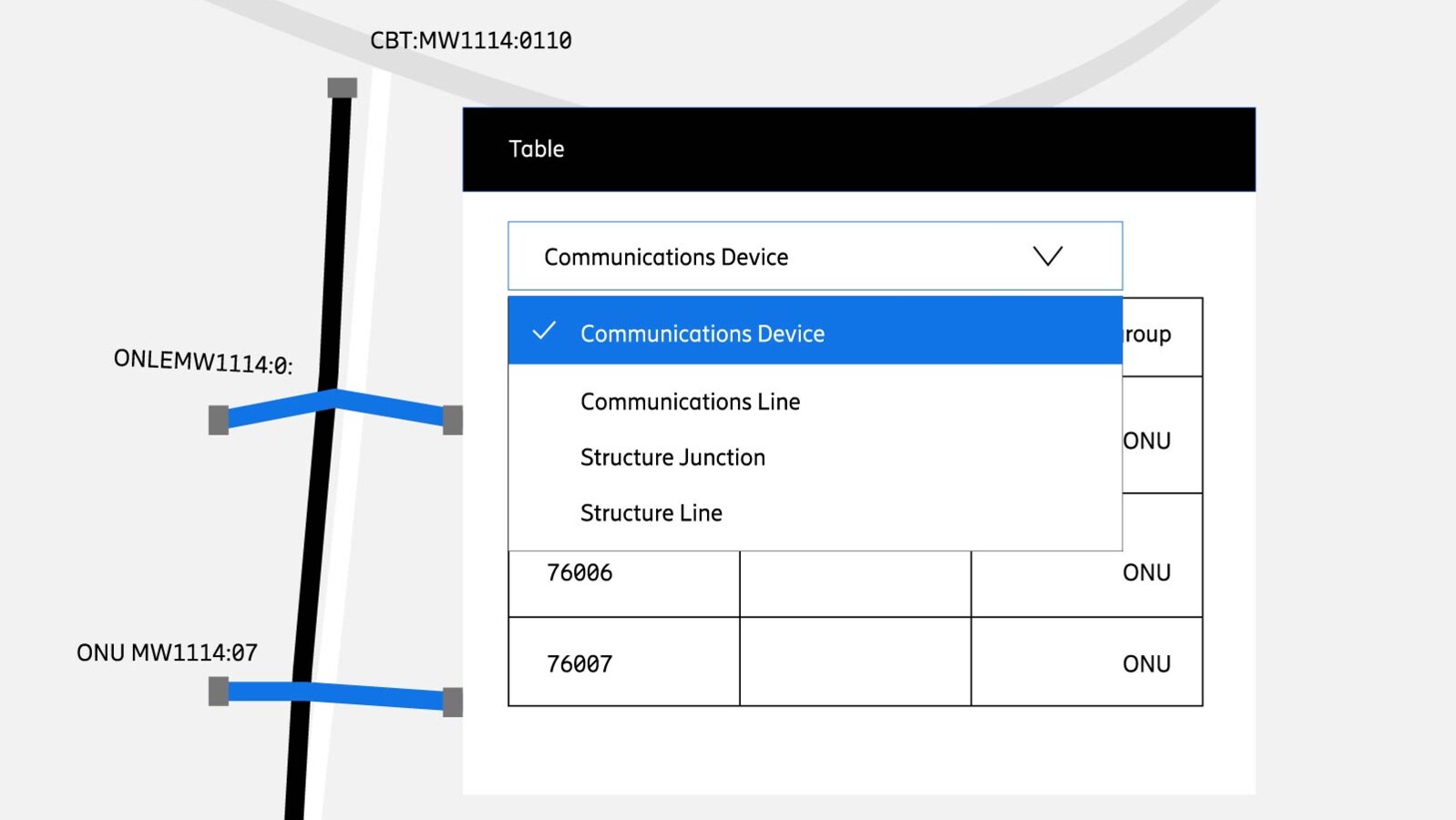
Figure 1. Key GIS capabilities needed for managing passive infrastructure
How to close the gap: The next step in physical GIS capabilities for passive resources
As networks evolve toward autonomy, communications service providers (CSPs) need tighter integration between physical and logical inventory, more advanced GIS capabilities, deeper modeling of passive elements, and tools that work seamlessly across engineering, planning, field operations, and automation systems. The path to autonomous networks requires more than automation in the active network layer—it demands a modern, accurate, and geospatially rich understanding of the passive infrastructure that ties everything together.
To close this gap, service providers must take a major step forward in how they model, manage, and maintain their physical networks, including design, geospatial modelling, and physical connectivity management of outside plant. By combining a modern inventory platform with the deep geospatial and physical modeling capabilities service providers depend on, they can close the long-standing gap between passive infrastructure and active network automation. Geographic information systems are the foundation for managing the physical network layer in an autonomous, intelligent, and data-driven future. For CSPs, it will therefore be essential to:
- Obtain a single, synchronized view of physical, logical, and virtual resources — eliminating the fragmentation that demanded multiple tools in the past.
- Model passive elements with high precision, enabling GIS-driven planning, accurate field execution, and guaranteed end-to-end connectivity.
- Combine their extensive expertise in network modelling, asset management, and inventory workflows as part of design patterns, rules, and automation.
- Provide clear, future-proof migration paths that preserve historical engineering data while evolving into an architecture built for autonomous operations.
To support these needs and requirements, Ericsson is introducing a new GIS solution as a module in Ericsson Adaptive Inventory — marking a major step forward in how communications service providers can achieve efficient management of passive resources. This solution is the natural successor to the long-standing Ericsson Network Engineer product. Service providers around the world have relied upon it for decades.
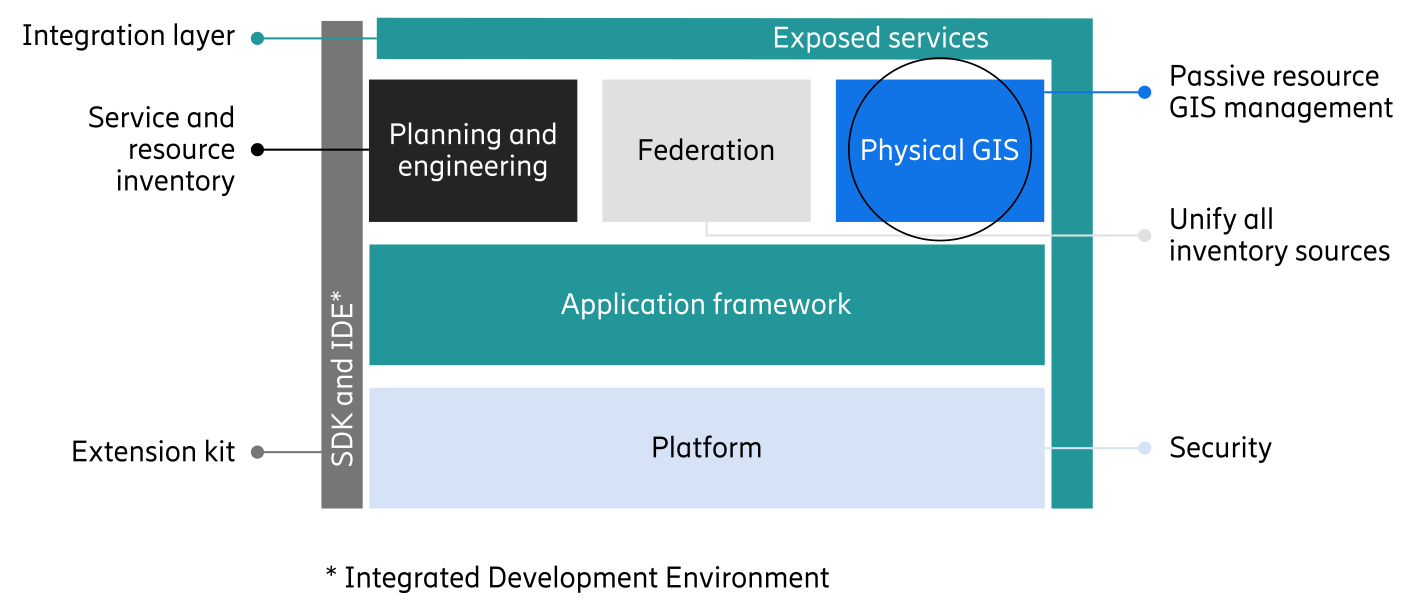
Figure 2. Ericsson Adaptive Inventory modular architecture including physical GIS
Inventory solutions should target the needs of engineering, planning, and operations groups at service providers to accelerate and automate network lifecycle management. Better utilization and proactive automations of every aspect of the operational environment are key benefits provided by modular and unified solutions.
Check out how Ericsson Adaptive Inventory supports CSPs in managing resources efficiently
Read more
Blog post: Autonomous networks - use real-time inventory to unravel the challenge
OSS/BSS Solutions - Sell. Deliver. Get paid.