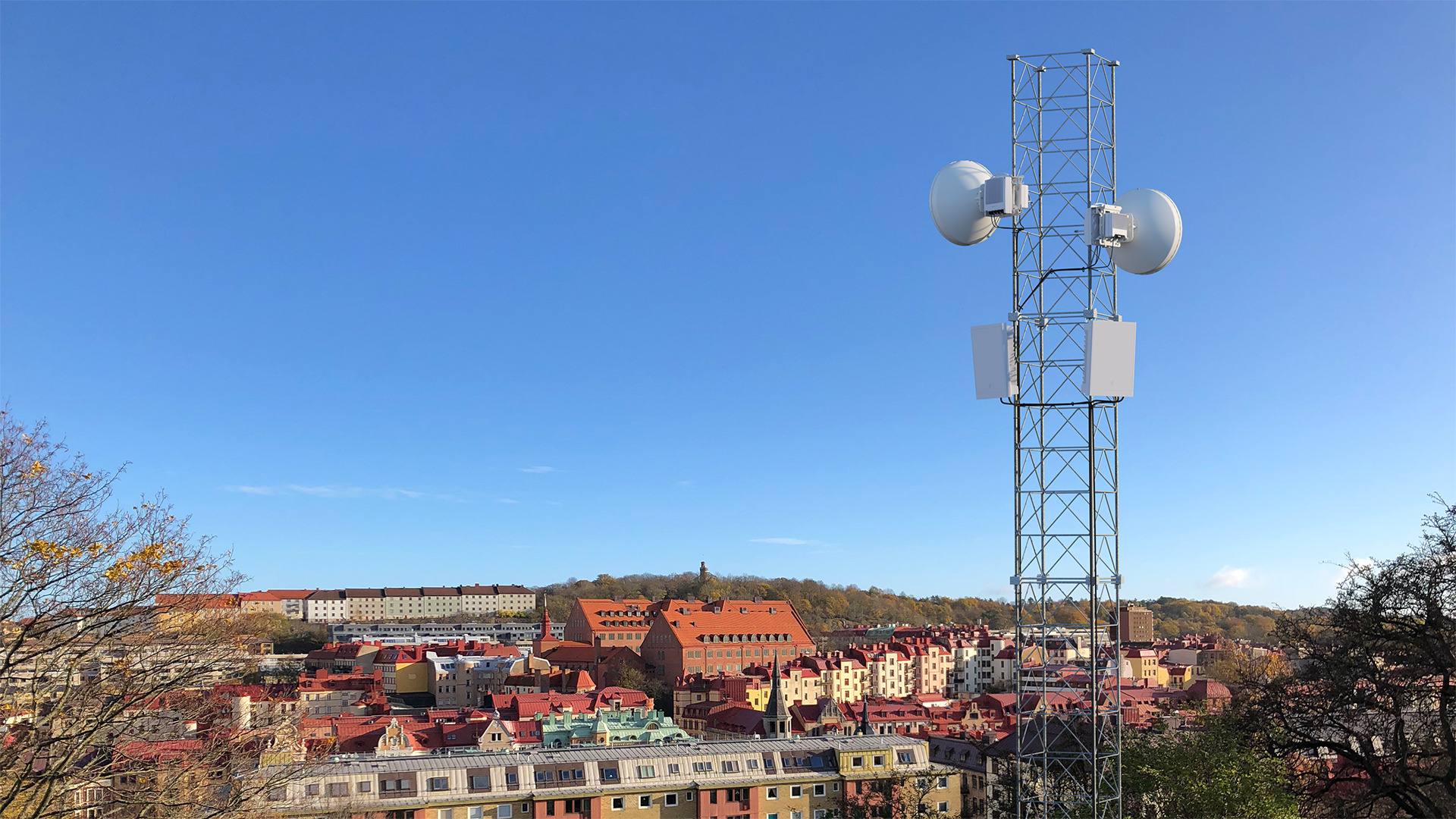

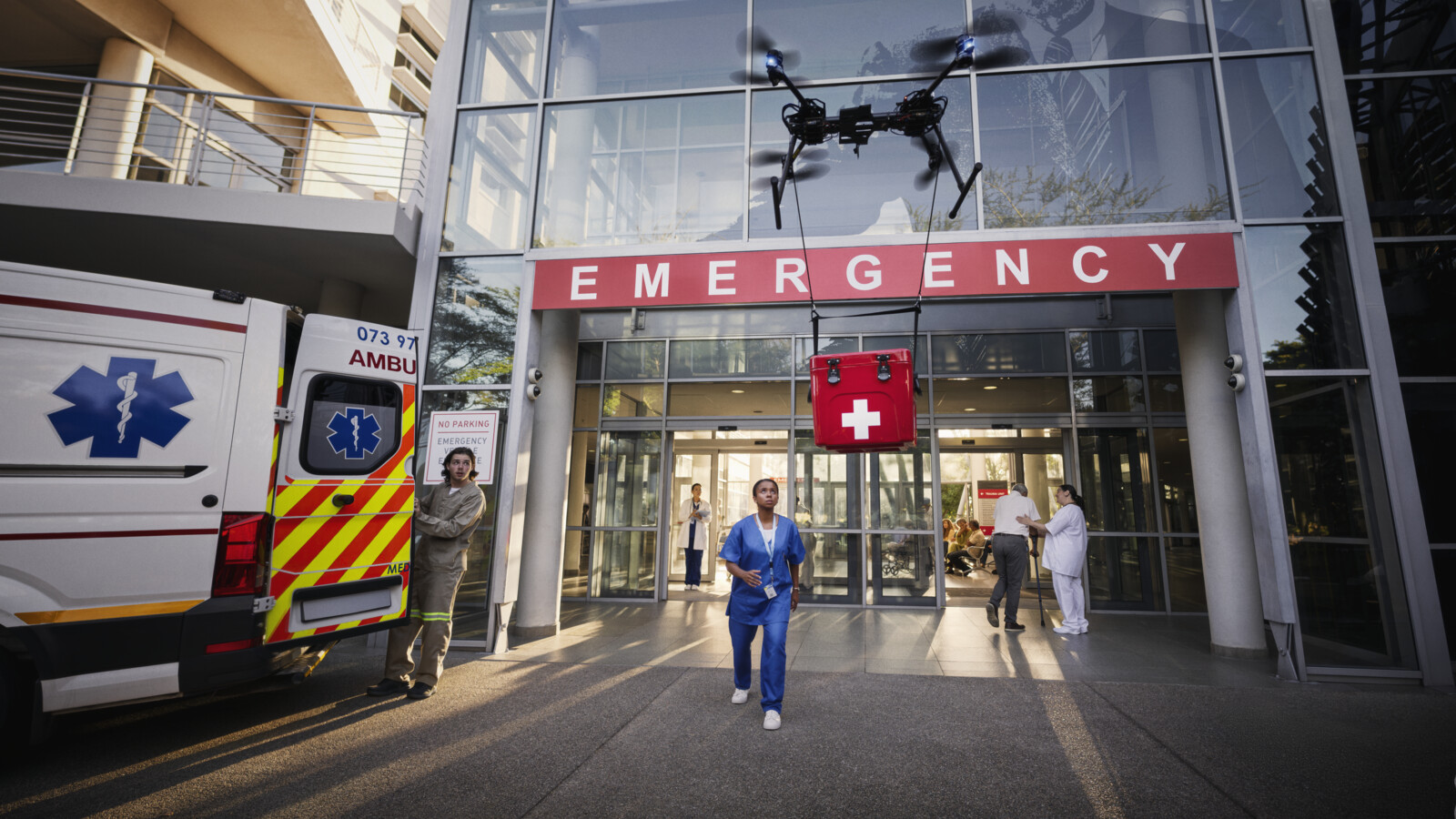









Ericsson microwave link ensures connectivity in Faroe Islands
How can you ensure connectivity when the sub-sea cables connecting a remote community to the rest of the world are severed by mother nature? Føroya Tele subsidiary NET quickly installed a backup high-speed microwave link from Ericsson to secure uptime.
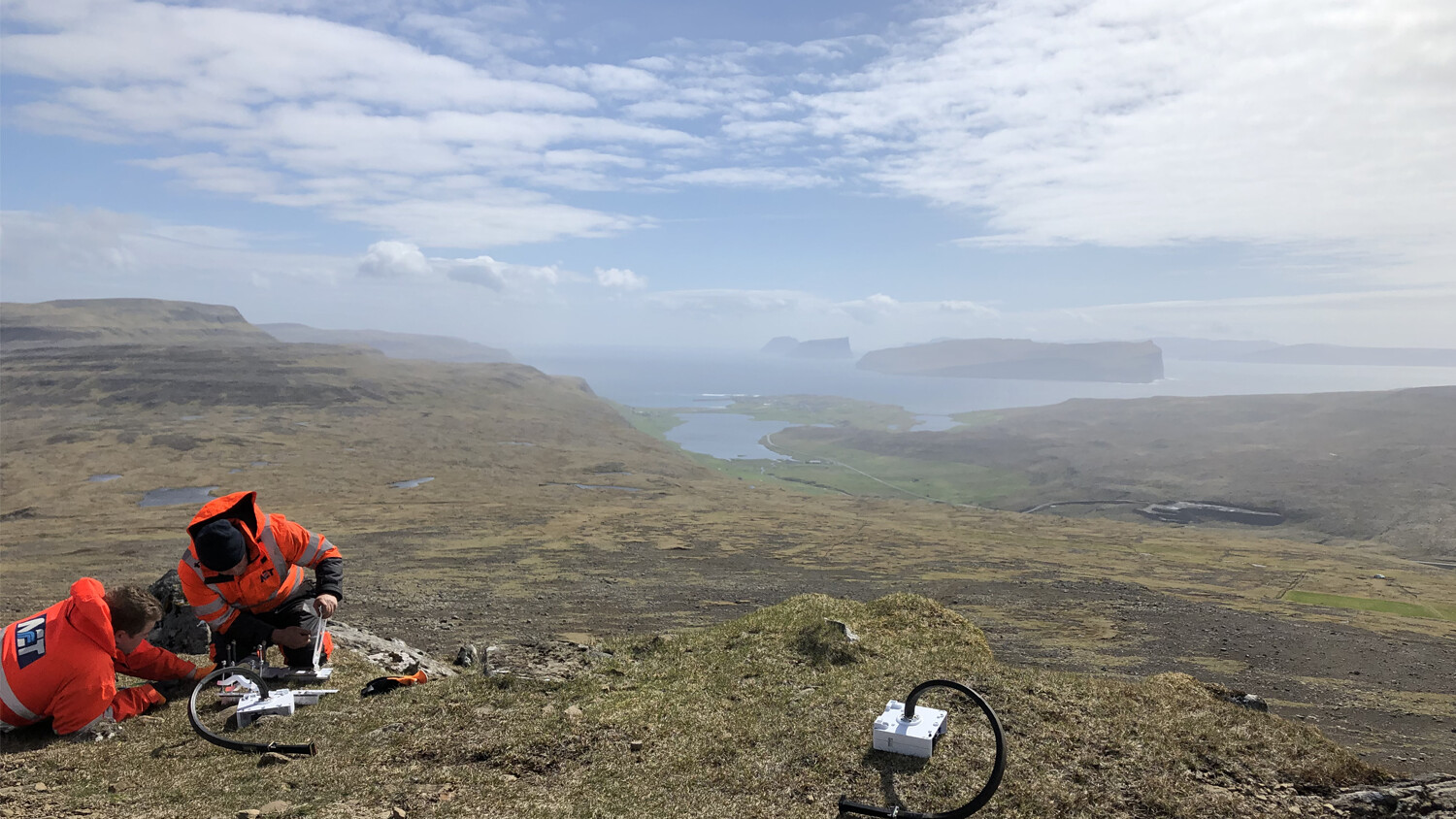
A fully owned subsidiary, NET provides network infrastructure connectivity to different service providers in the Faroe Islands. NET is currently modernizing the microwave network utilizing the MINI-LINK 6000 platform to fulfill connectivity and capacity requirements across the islands. One of these requirements was the need to secure redundancy for the backbone fiber links to the island of Suðuroy. The links traverse hostile waters and had been cut on more than one occasion by mother nature. NET achieved a significant milestone by installing a MINI-LINK hop reaching 8.2Gbps over the substantial distance of 37 kilometers (or 20 nautical miles) to ensure connectivity.
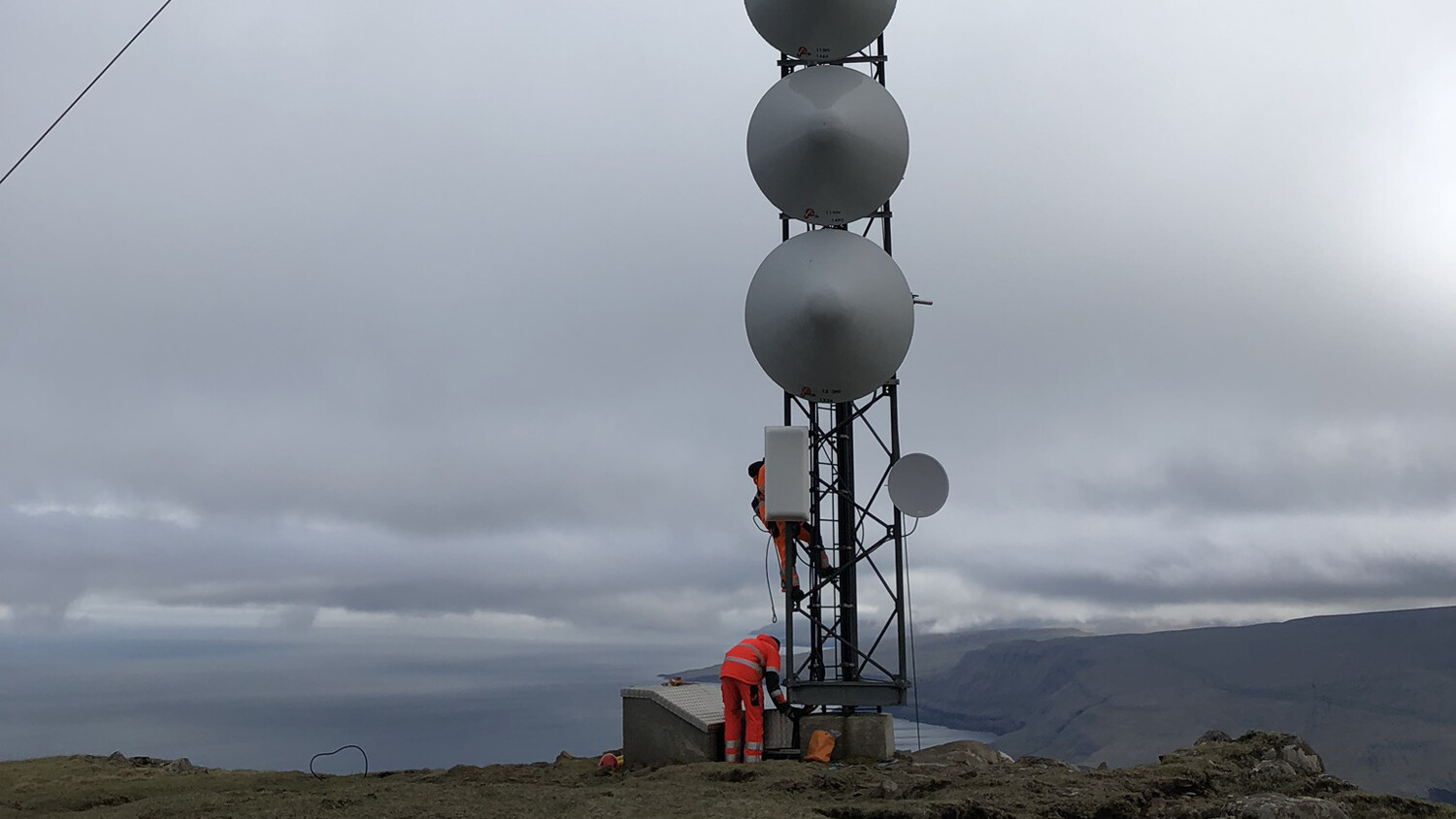
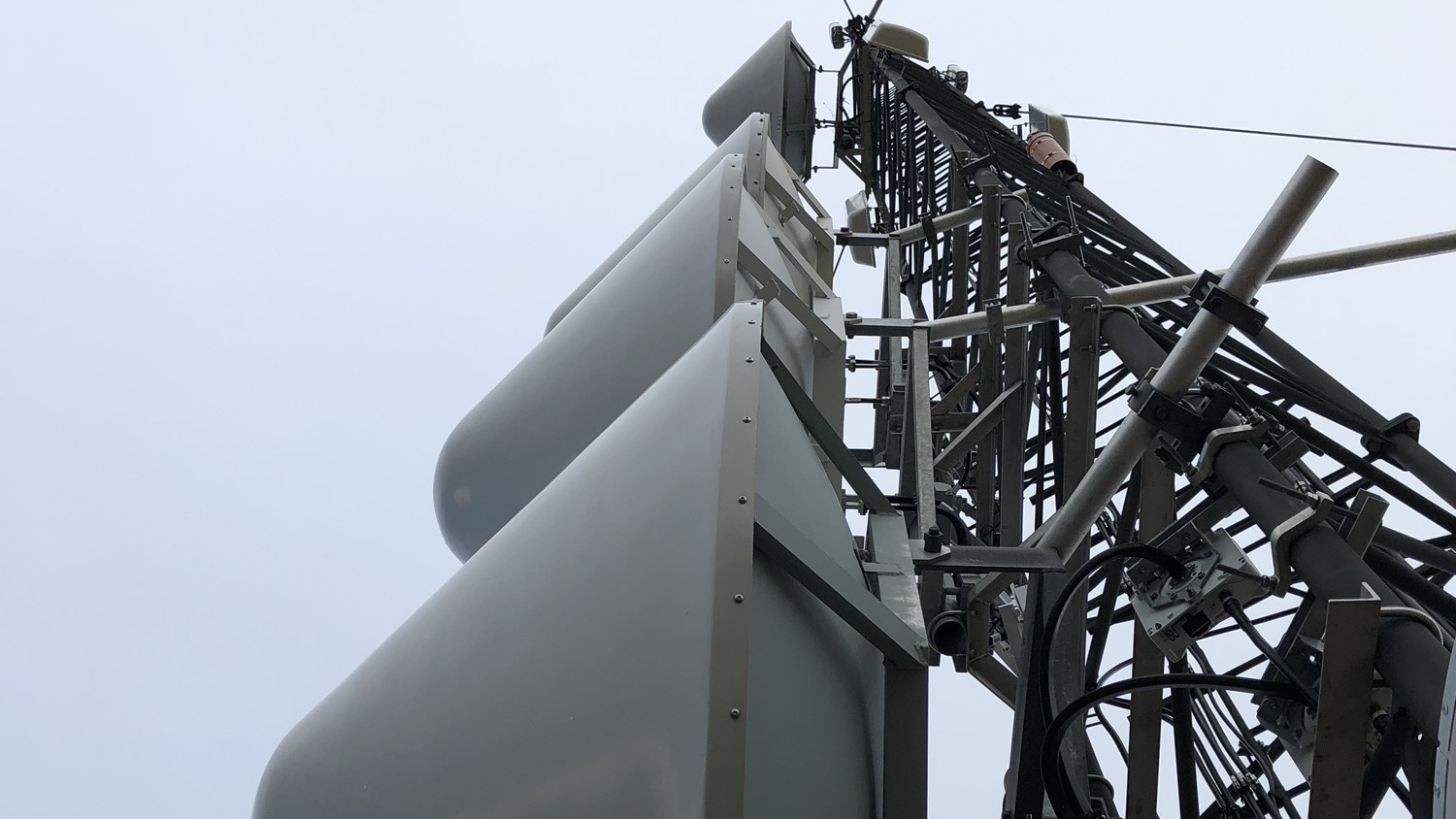
Jóhan P. Poulsen, Transmission Manager at NET, states: "The Faroe Islands consists of 18 islands. The 37 km, 8Gbps link is a redundancy backbone link to the southern island of Suðuroy, which has a population of 5,000 people. Even at these great lengths we decided to use a cost efficient and reliable 8+0 short haul link with frequencies operating at 11 and 13GHz. Slush ice is our biggest challenge in terms of reliability as it covers the antennas, which can completely block signals. In order to mitigate this challenge, we use 1.2 and 1.8 meter parabolic antennas with fiberglass cones. Even though the fiberglass attenuates the signal, we are better off with this solution. Apart from our challenge with slush ice , our aim is 99.999 percent (or higher) reliability."
Account manager Henning Kaas says: "Microwave is an important piece of the infrastructure in the Faroe Islands due to the demographics. With increasing bandwidth demands, the need for high-capacity transmission solutions follow. This latest achievement serves as a good proof point of technology leadership in this area through our MINI-LINK 6000 platform."
Technical solution manager for CU Northern and Central Europe, Erik Dippner, continues: "When operating in harsh conditions like in the Faroe Island, the equipment needs to be robust, reliable and at the same time future proof. NET has solved the backbone connection to Suðuroy using standard MINI-LINK equipment. This high-capacity MINI-LINK hop of 37 kilometers over water now provides secure connectivity to the island’s inhabitants."