




Skip navigation
Elevating 5G with differentiated connectivity in India

Elevating 5G with differentiated connectivity in India

Elevating 5G with differentiated connectivity in India

Ericsson ConsumerLab research shows that while overall 5G satisfaction has increased, growing numbers of Indian 5G users believe best-effort mobile broadband is no longer sufficient for their needs. These consumers are demanding performance assurance, and are willing to pay to ensure seamless connectivity.

Report

5G differentiated connectivity

Between June and July 2024, Ericsson ConsumerLab surveyed 3,000 Indian consumers, of which 1,800 were active 5G users, to explore consumer perception of 5G in the country. This provided valuable insights around network performance satisfaction, emerging consumer expectations driven by application behavior, and the revenue potential of differentiated connectivity for communications service providers.
 
With the boom in live events across India, consumers are becoming acutely aware of network congestion at crowded locations. From purchasing refreshments at Eden Gardens cricket stadium to using generative AI (GenAI) apps to help write emails while waiting for a Delhi metro train, tech-savvy 5G users are no longer satisfied without a guaranteed level of service, and are beginning to demand performance assurance from differentiated connectivity.

 

People cheering at football game

Key findings

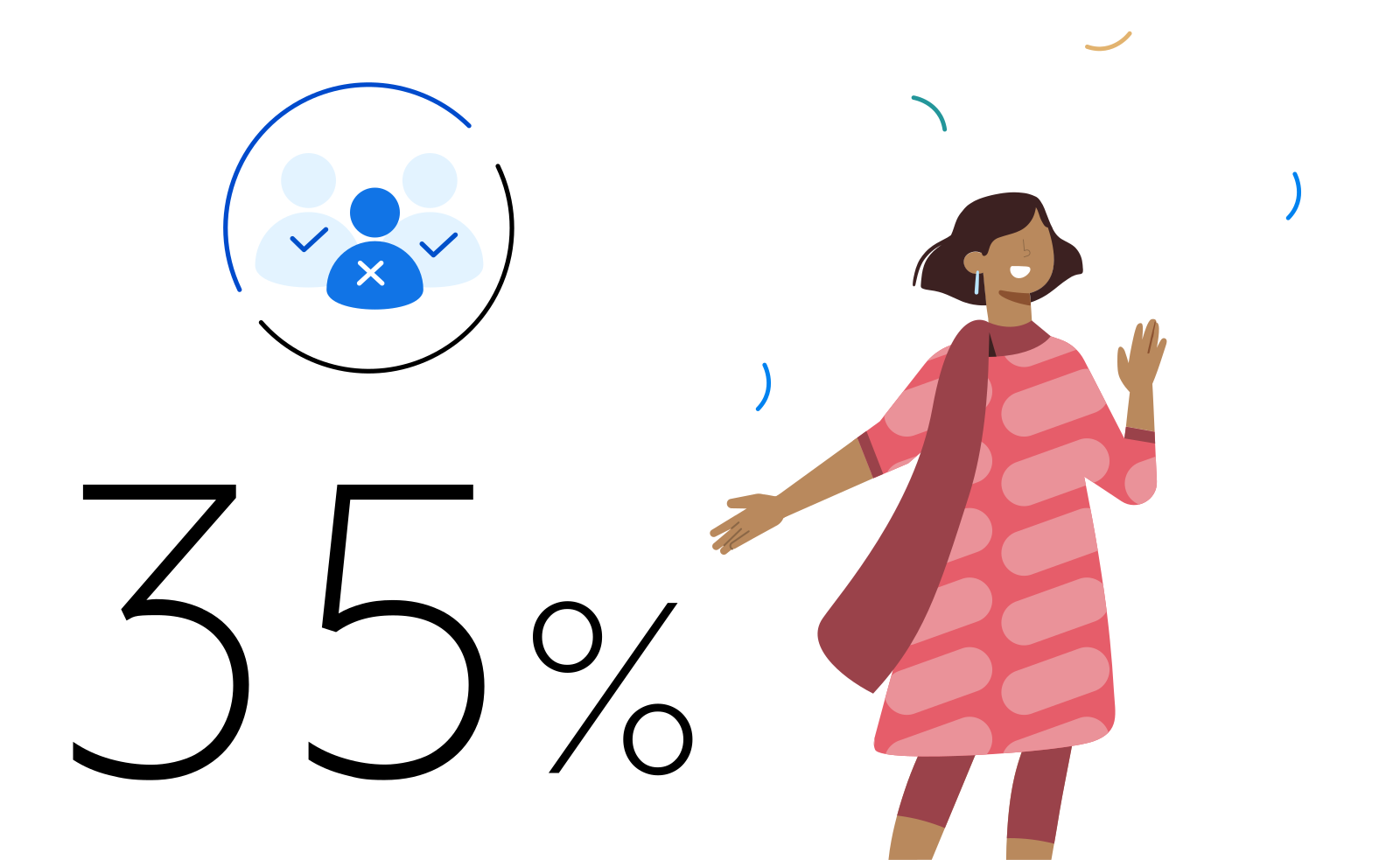
Over one-third of 5G users in India now believe best-effort 5G isn’t sufficient for their needs

Overall user satisfaction with 5G is rising in India, but more than one-third of 5G users feel that best-effort 5G no longer meets their network requirements.

Find out more

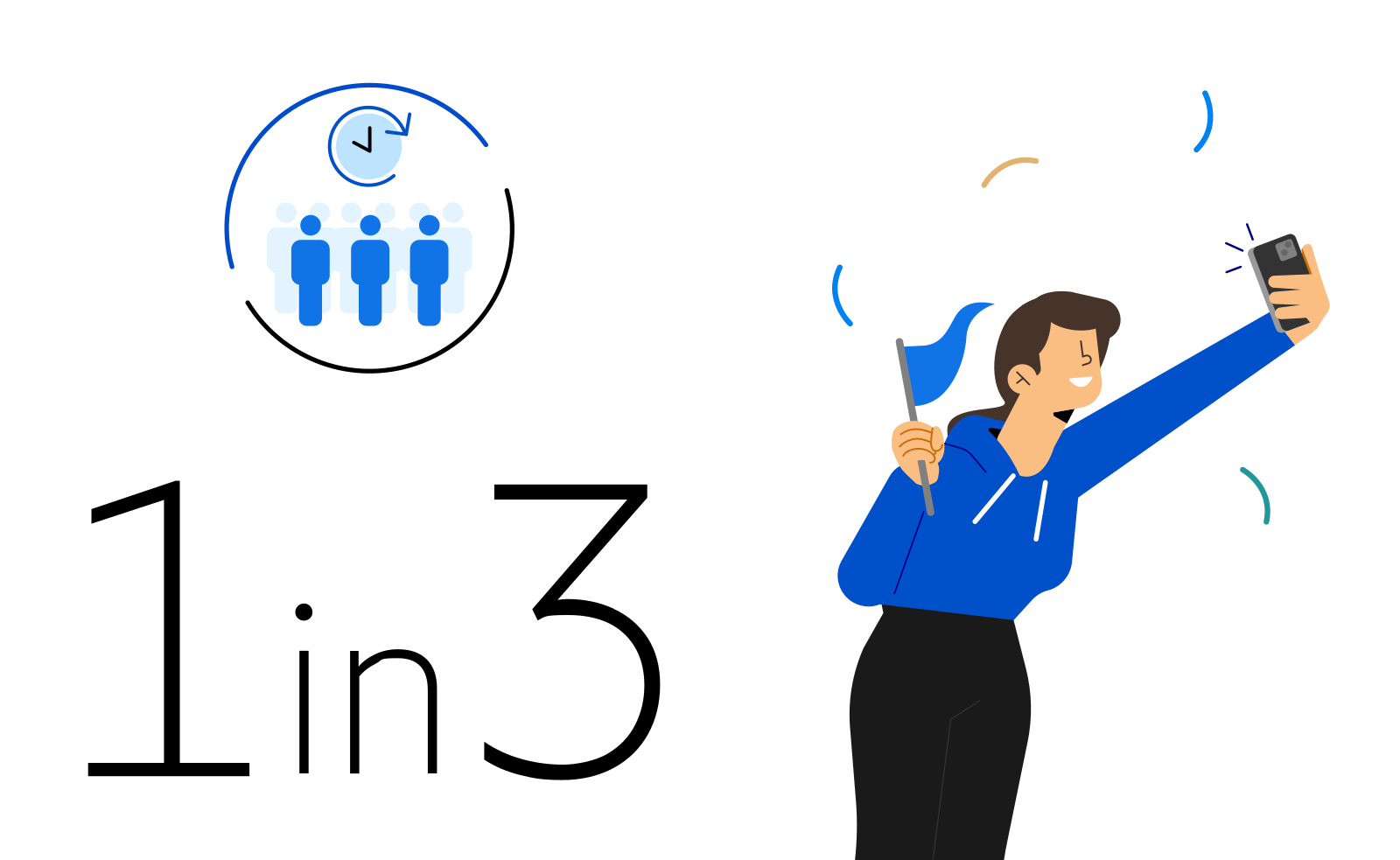
Over one-third of 5G users in India report slower than expected data speeds in crowded locations

High-traffic venues like stadiums and concert arenas still face connectivity bottlenecks, impacting on consumer experience and leading one-third of Indian 5G users to report slower than expected data speeds in these locations.  

Find out more

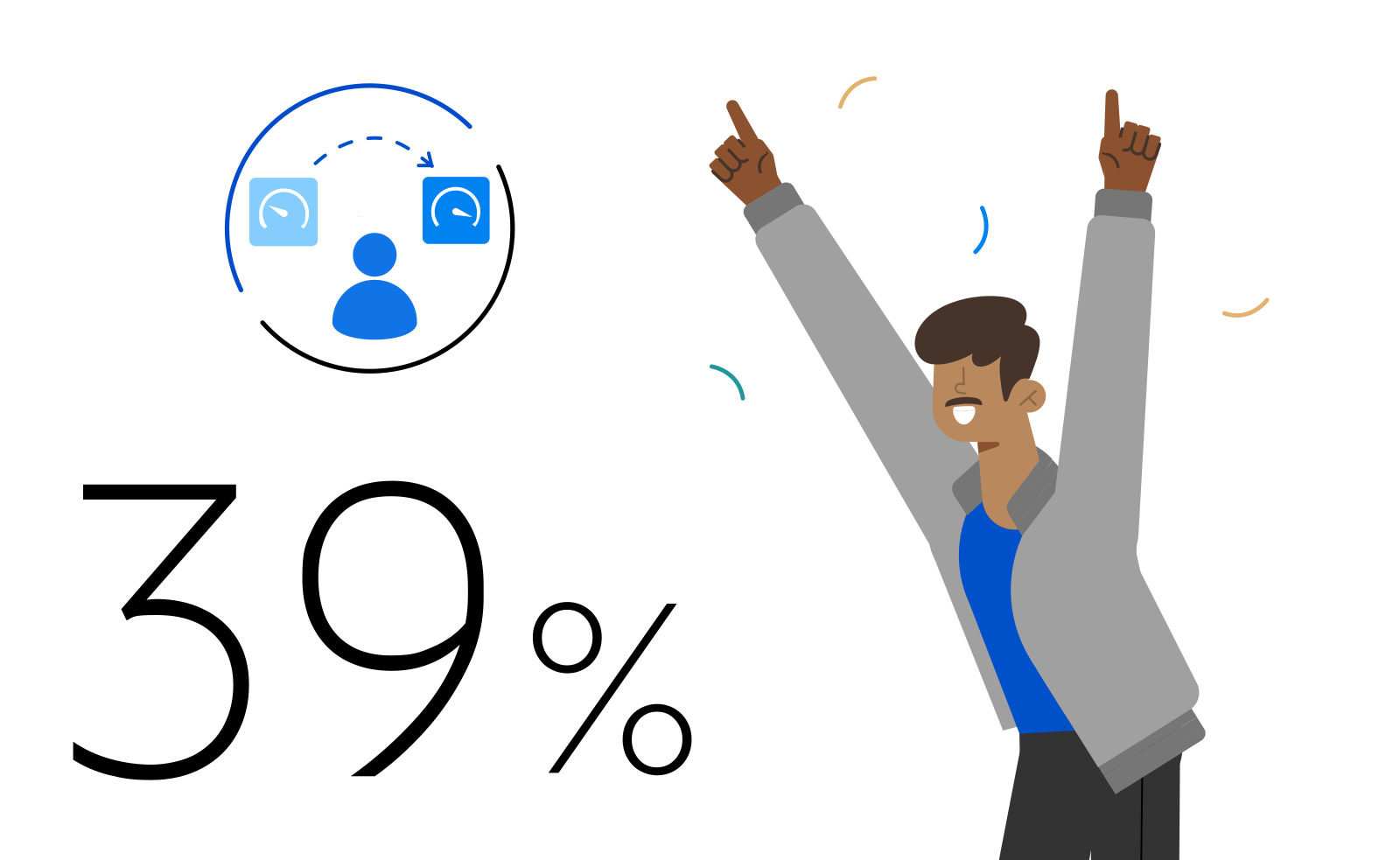
Four in ten 5G users in India are ready to redirect current app spend to apps with built-in high-performance connectivity

Four in ten Indian 5G users are willing to redirect on average 12 percent of their current monthly app spending towards buying apps that offer enhanced, built-in connectivity performance.

Find out more

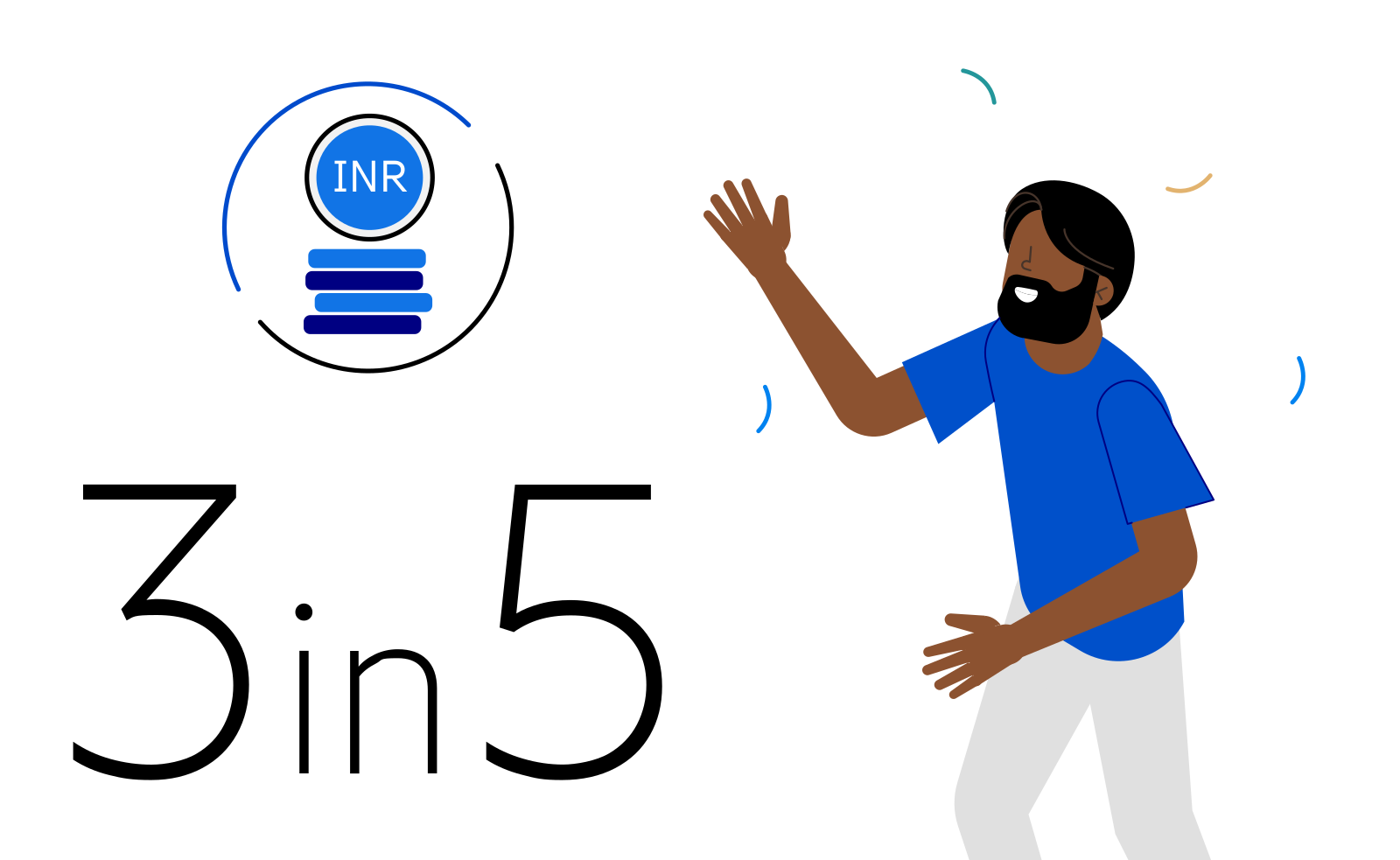
Three-fifths of Indian 5G users would accept a price increase for better network performance

Indian consumers show a strong willingness to invest in differentiated connectivity for a better experience; three-fifths of Indian 5G users would accept a price increase for better network performance.

Find out more

Key figures

Take a closer look at key figures from Ericsson ConsumerLab research to discover more about the demand for performance assurance among Indian 5G users and its relation to GenAI and AI-based apps.

67.00 %
Among Indian 5G users, 67 percent expect to be using GenAI on a weekly basis in the next five years.
32.00 %
When considering their next 5G phone, AI-powered features are as important as camera quality for 32 percent of Indian smartphone users.
x 2.00
India has twice as many users who are engaged with and were early adopters of AI on smartphones as the United States.

Methodology

This ConsumerLab study examines the evolving landscape of mobile connectivity in India, highlighting how service providers can move beyond traditional models to deliver high-performance, personalized network experiences. 

Between June and July 2024, Ericsson ConsumerLab surveyed 3,000 smartphone users in Tier 1-3 cities across India, of which 1,800 were active 5G users. The research focused on three primary areas: user satisfaction with 5G network performance, emerging expectations driven by application behavior, and consumer willingness to pay for differentiated connectivity.

The survey findings statistically represent insights from over 300 million consumers in India, which includes some 200 million 5G users.


Woman with phone stepping of bus

Have you downloaded your report?

Read the full global report to explore what consumers around the world expect from their networks when it comes to differentiated connectivity and discover the unique opportunities for service providers.

Get my copy

Over one-third of 5G users in India now believe best-effort 5G isn’t sufficient for their needs

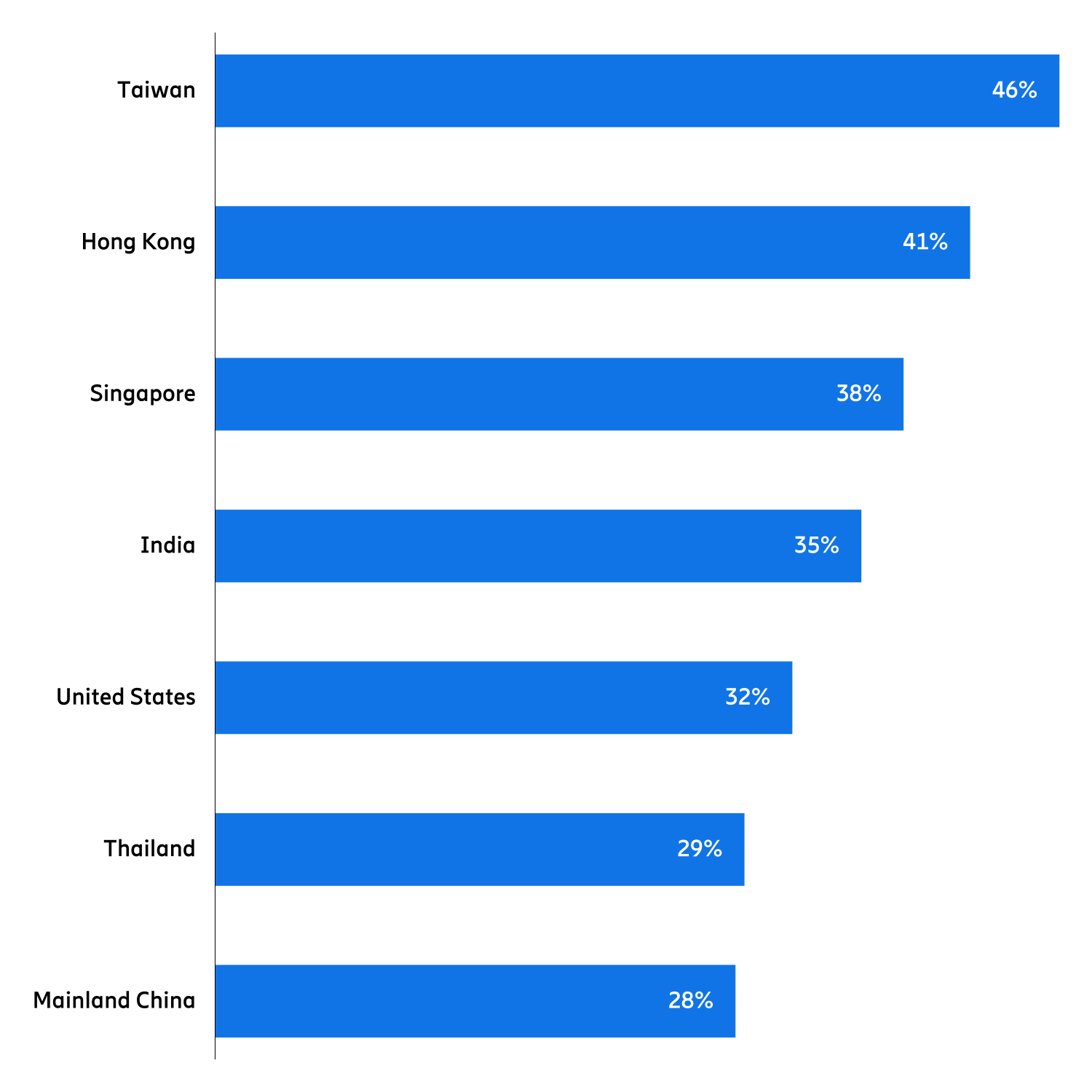
Indian 5G users are setting a high bar for expected network performance: in a country with a population of   well over a billion, 35 percent of users now believe best-effort 5G no longer meets their connectivity requirements. This percentage surpasses consumer expectations levels in both the US and China, although it is still lower than countries traditionally seen as leaders in technology adoption, such as Taiwan, Hong Kong and Singapore.

Beyond streaming, Indian consumers want assured performance for GenAI, gaming, and payment and banking apps such as Paytm, PhonePe and Google Pay. And with 6 in 10 users willing to pay extra for network improvements, India’s market shows a strong willingness to invest in differentiated connectivity for a better experience, opening up opportunities for service providers to meet this demand and subsequently increase revenue. 

The percentage of 5G users in various countries that are not satisfied with best-effort 5G

Base: 5G users aged 15-69. Source: Ericsson ConsumerLab, Elevating 5G with differentiated connectivity, April 2025

Over one-third of 5G users in India report slower than expected data speeds in crowded locations

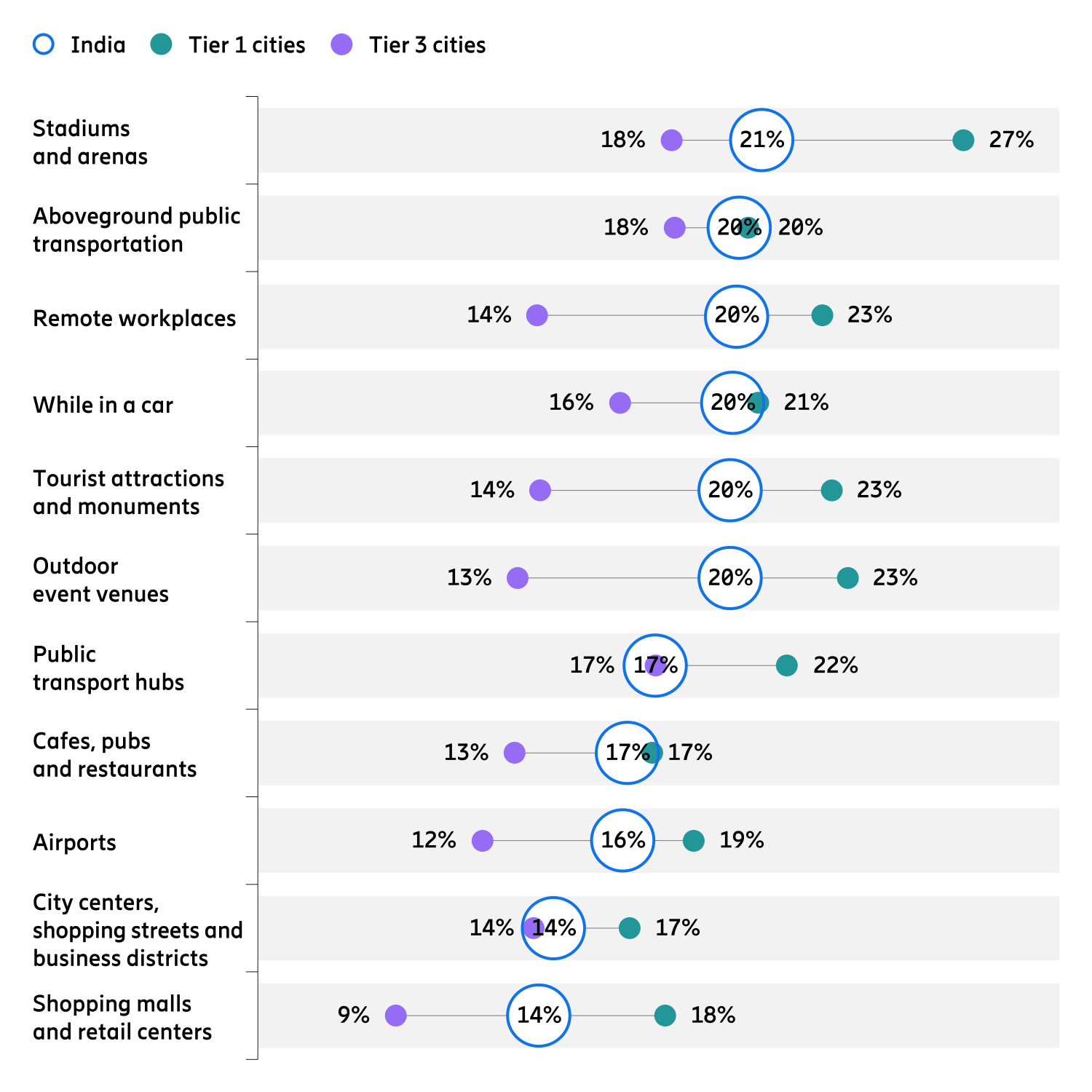
With an annual growth of over 20 percent in music events in India from 2017–2024, the demand for reliable, high-capacity 5G connectivity has never been greater. However, Ericsson ConsumerLab research shows that 64 percent of users visiting locations such as stadiums, arenas and tourist attractions acknowledge that they will face connectivity issues, with 35 percent of users reporting slower than expected data speeds. Additionally, 27 percent report frequently experiencing issues during their most recent visits. 

These numbers highlight the 5G connectivity need at crowded locations – like the Delhi Metro stations or the Taj Mahal in Agra – and also provide an opportunity for service providers to increase customer satisfaction.

The graph illustrates the persistent challenges for 5G users across crowded locations, either due to lack of capacity or poor coverage.  

Indian 5G users who frequently experience network issues across different locations/h5>
Indian 5G users who frequently experience network issues across different locations

Base: Indian 5G users, aged 15-69. Source: Ericsson ConsumerLab, Elevating 5G with differentiated connectivity, April 2025

Four in ten 5G users in India are ready to redirect current app spend to apps with built-in high-performance connectivity

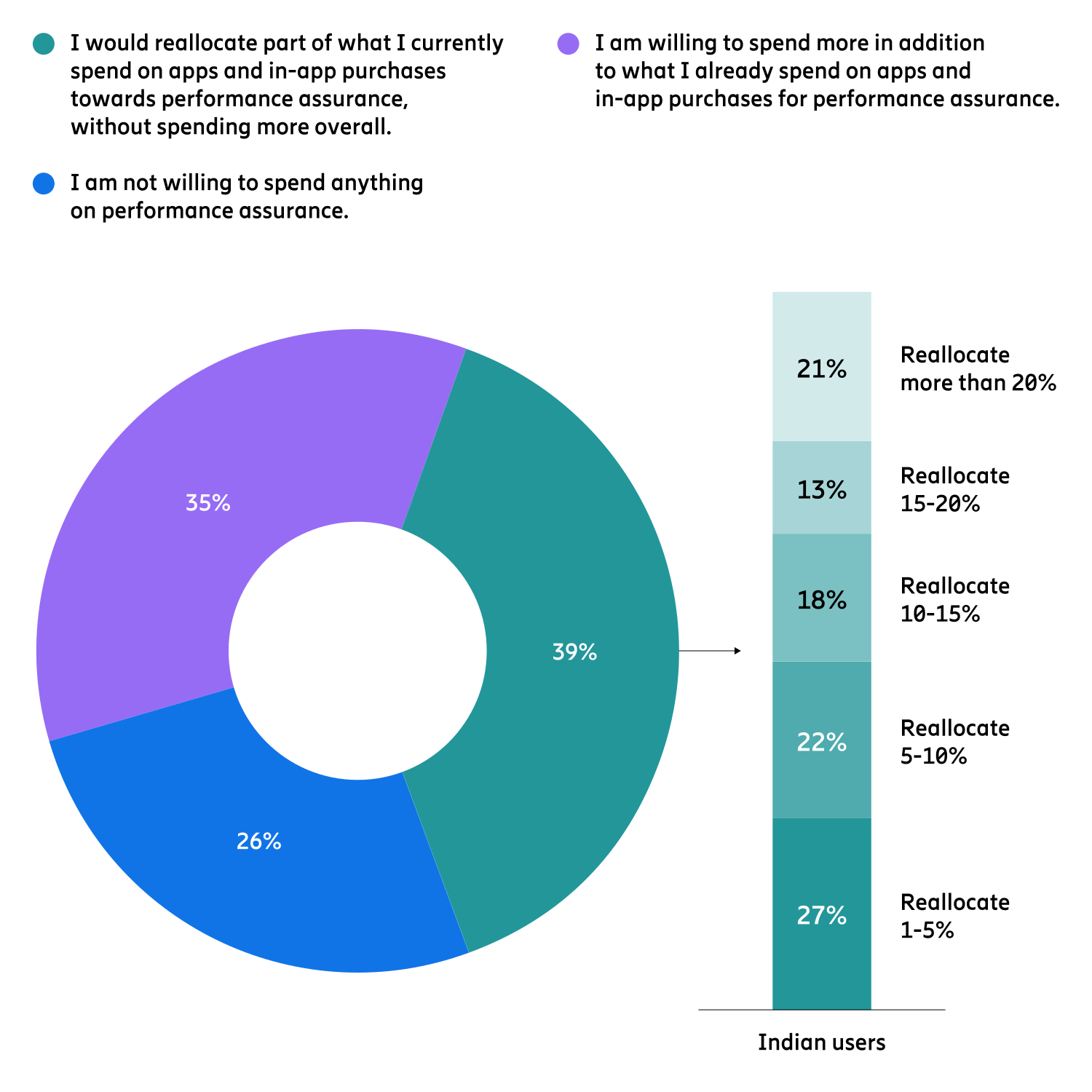
Four in ten Indian 5G users are willing to redirect on average 12 percent of their current monthly app spending towards buying apps that offer enhanced, built-in connectivity performance. In a country with around 365 million 5G users, this demand opens up a huge opportunity for developers, startups, and app publishers to deliver guaranteed performance by leveraging Quality on Demand (QoD) network APIs provided by service providers. These APIs enable developers to secure consistent connectivity for their apps, allowing them to focus on innovation without having to optimize for poor network conditions. This also illustrates an opportunity for service providers to expand their offerings, provide consumers with more choice, and increase monetization of connectivity performance.

The graph shows the percentage of consumers that would be willing to pay for premium tiers that guarantee better performance, and how much they would be willing to reallocate.

Indian 5G users who would pay for premium tiers, and how much they would reallocate

Base: Indian 5G users, aged 15-69. Source: Ericsson ConsumerLab, Elevating 5G with differentiated connectivity, April 2025

Three-fifths of Indian 5G users would accept a price increase for better network performance

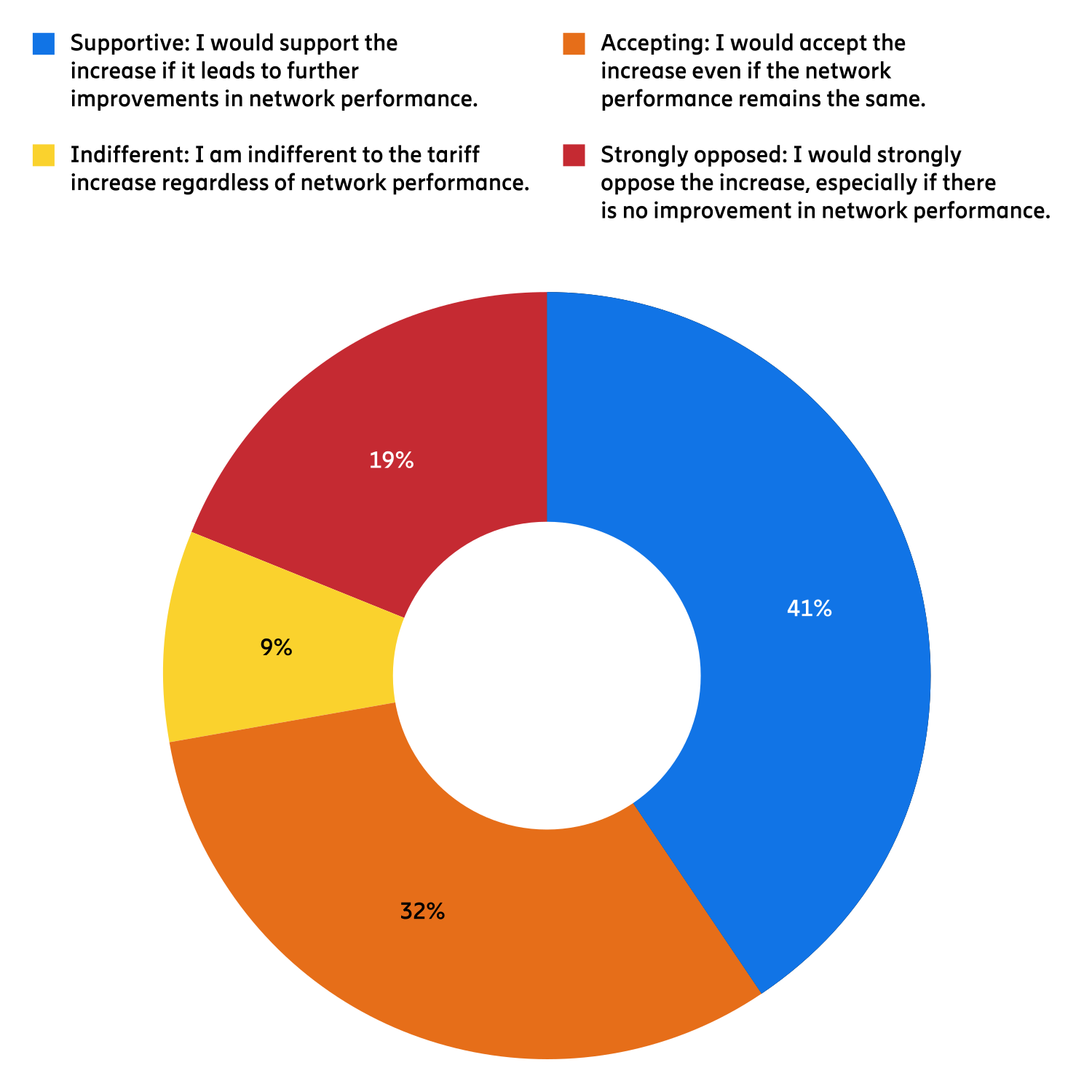
The Ericsson ConsumerLab survey shows that 6 in 10 Indian 5G users would be willing to accept a price increase for assured network improvements. One reason for this is the surge in GenAI usage in India, and with it, the expectations for 5G performance. In fact,16 percent of overall users report dissatisfaction with the responsiveness of GenAI apps on 5G networks, with that figure doubled for users aged 15 to 24.

GenAI apps require real-time responses and robust connectivity. With half of the smartphone users in the survey blaming their service provider’s network as the reason for poor GenAI performance, this indicates a clear call for service providers to ensure seamless, high-quality connectivity for AI applications.

The graph below shows the opinions of Indian 5G users on tariff increases relative to improved network performance.

The graphs illustrate 5G and 4G satisfaction scores over the years in the Philippines and highlight how network performance satisfaction levels differ for users depending on where they live.

Indian 5G users’ opinions on mobile tariff increases

Base: Indian 5G users aged 15-69. Source: Ericsson ConsumerLab, Elevating 5G with differentiated connectivity, April 2025

Subscribe to ConsumerLab reports

Ericsson ConsumerLab has more than 20 years’ experience in studying people’s behaviors and values, and provides unique insights into market and consumer trends.

Subscribe to reports