



Skip navigation
Elevating 5G with differentiated connectivity in Indonesia

Elevating 5G with differentiated connectivity in Indonesia

Meet rising consumer expectations with high-performing network experiences

Ericsson ConsumerLab research reveals that Indonesians want connectivity that keeps up with their digital lifestyles. Whether sharing the excitement of every goal at Jakarta’s GBK Stadium with friends or completing secure transactions at bustling malls, consumers demand better network experiences and are willing to pay.

Report

5G differentiated connectivity

In March 2025, Ericsson ConsumerLab surveyed over 1,500 smartphone users, including more than 550 active 5G users, across seven regions in Indonesia to gather insights around network performance satisfaction, emerging consumer expectations, and the revenue potential of differentiated connectivity for communications service providers.

Picture this: Your connection drops during rush hour at Gubeng Station just as your friend shares their location, or your live stream lags seconds before your favourite esports team secures victory. As lives become more complex and bandwidth-intensive, the survey reveals a clear shift in network expectations. 5G users are no longer satisfied with best-effort mobile broadband, especially at high-traffic locations, and are increasingly seeking differentiated connectivity guaranteeing consistency, responsiveness and service assurance.
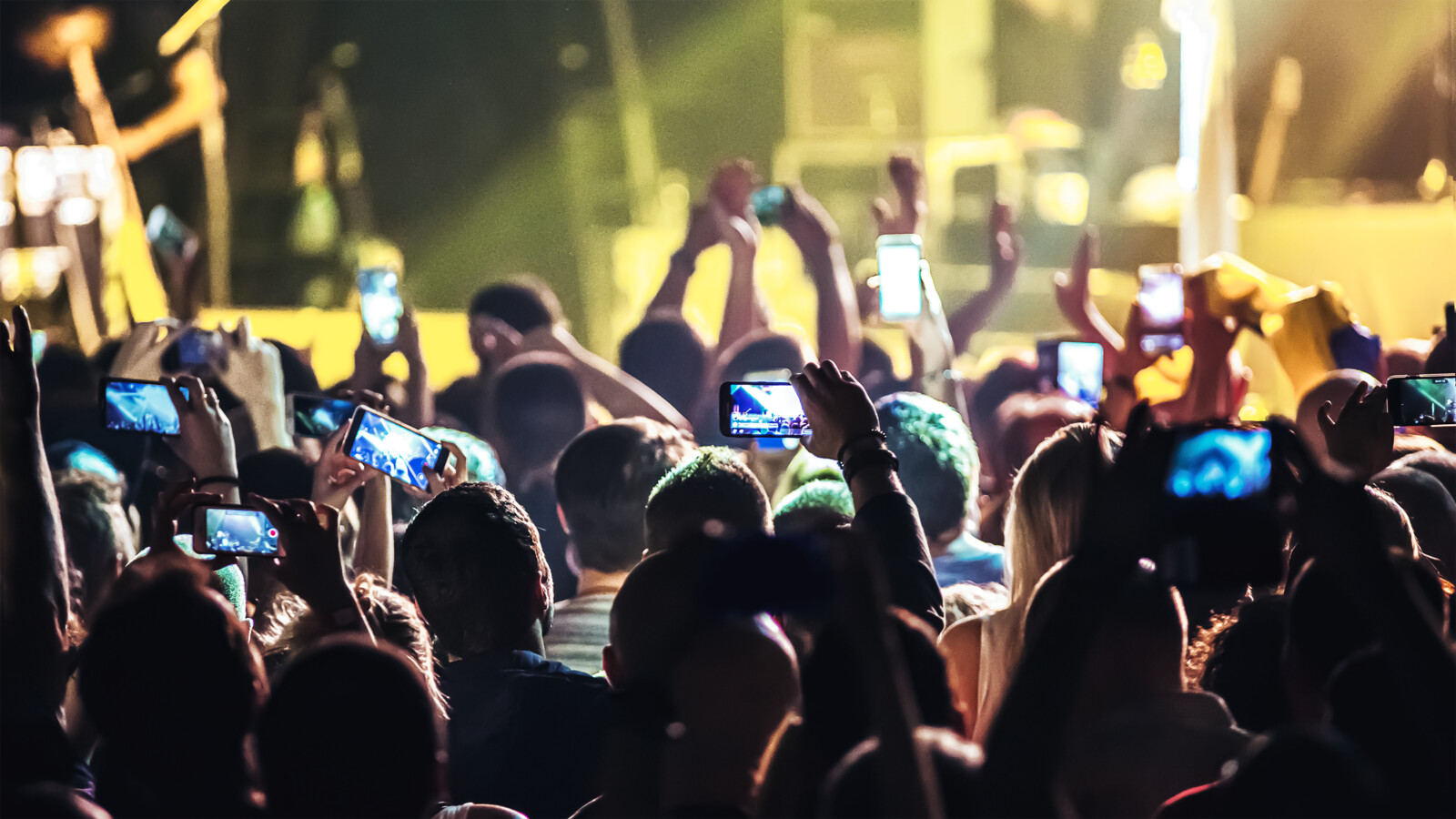
Concert audience recording with phones

Key findings

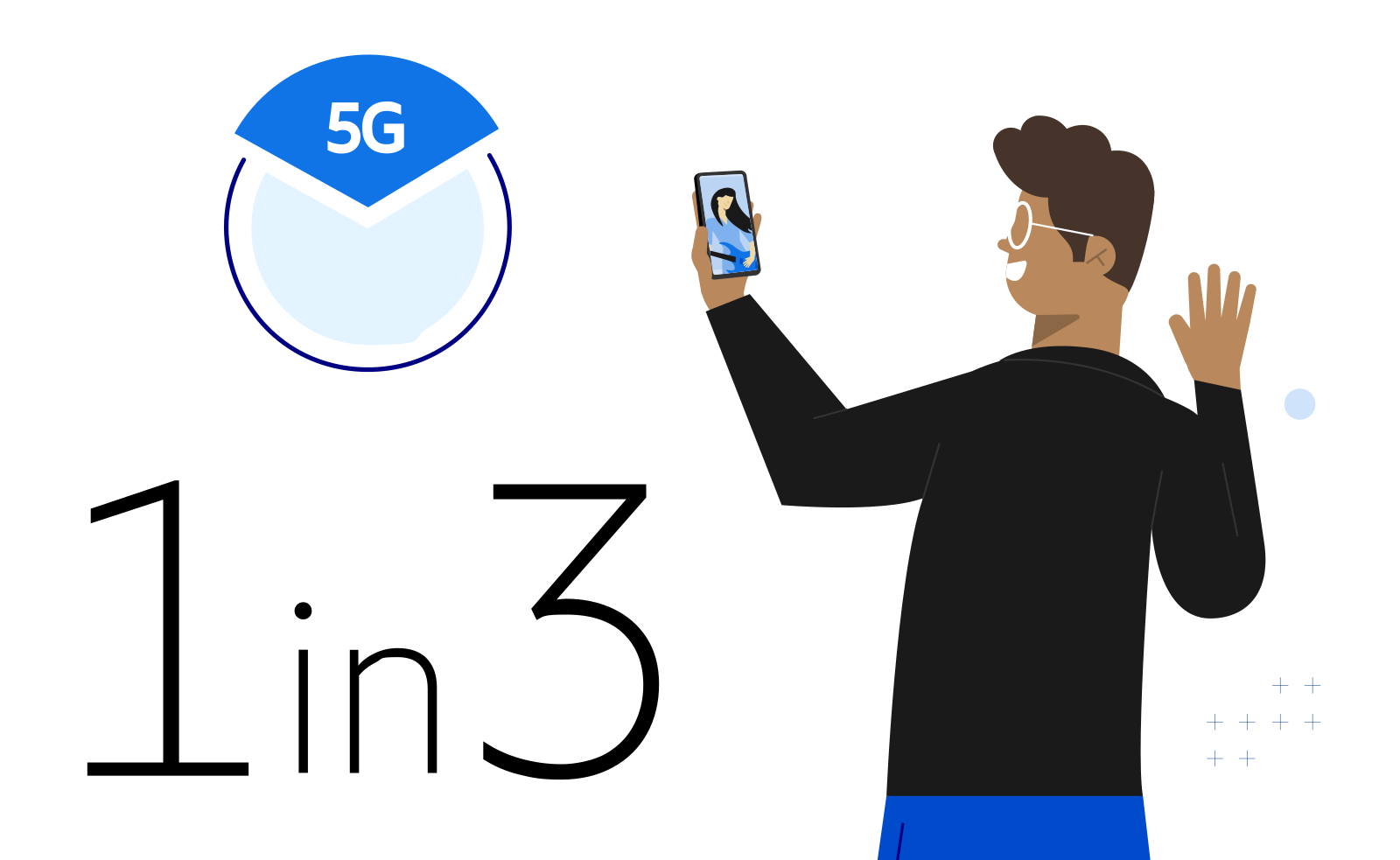
One in three Indonesian 5G users experience connectivity issues in crowded areas and underground locations

User satisfaction with 5G is rising in Indonesia, but one in three 5G users are being impacted by connectivity challenges in high-traffic locations such as shopping malls, stadiums, and public transportation hubs.

Find out more

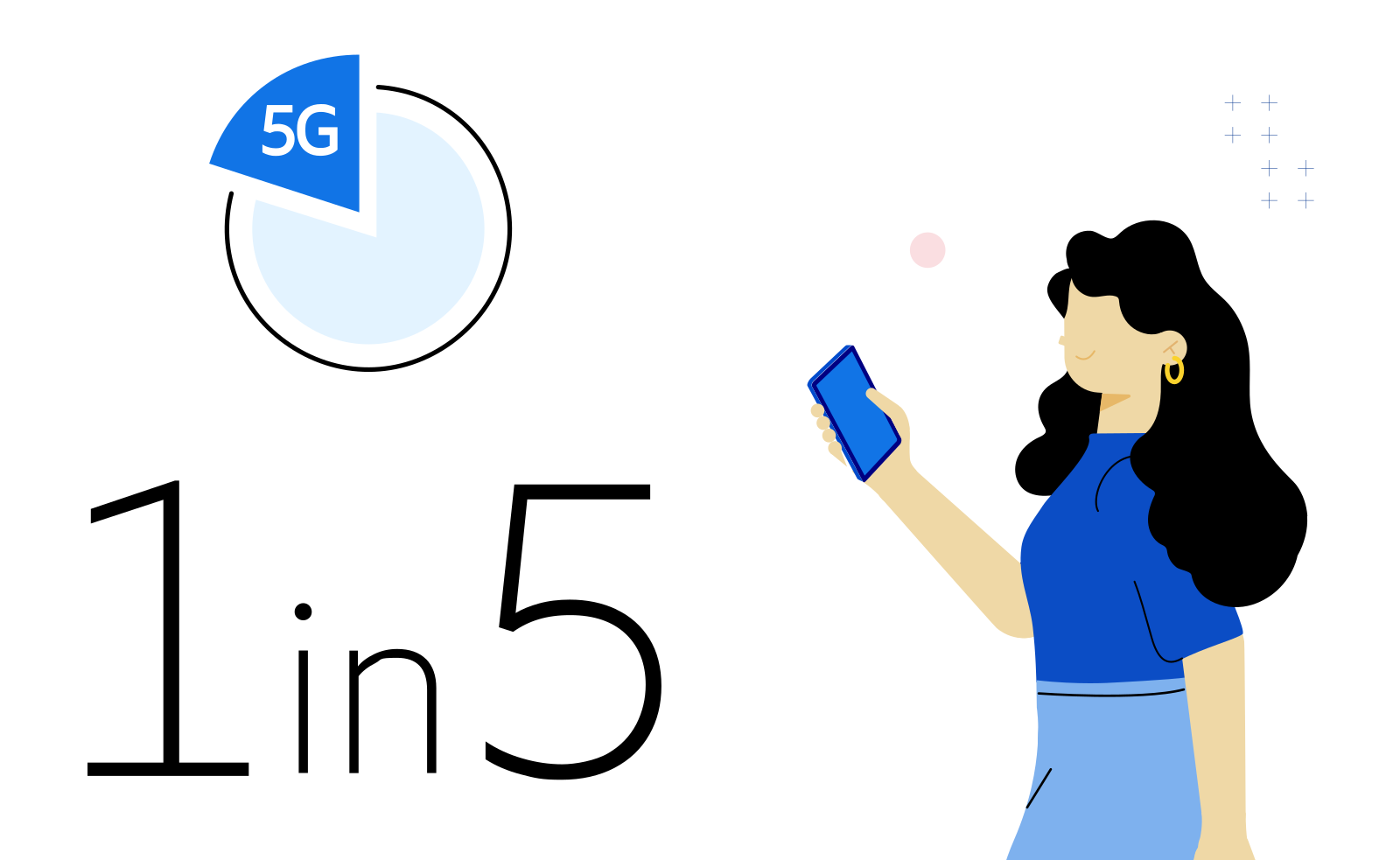
Connectivity issues impact enjoyment at big events for one-fifth of Indonesian 5G users

The live events boom in Indonesia has highlighted the need for enhanced 5G connectivity, as connectivity issues are impacting overall enjoyment at big events for one in five 5G users.

Find out more

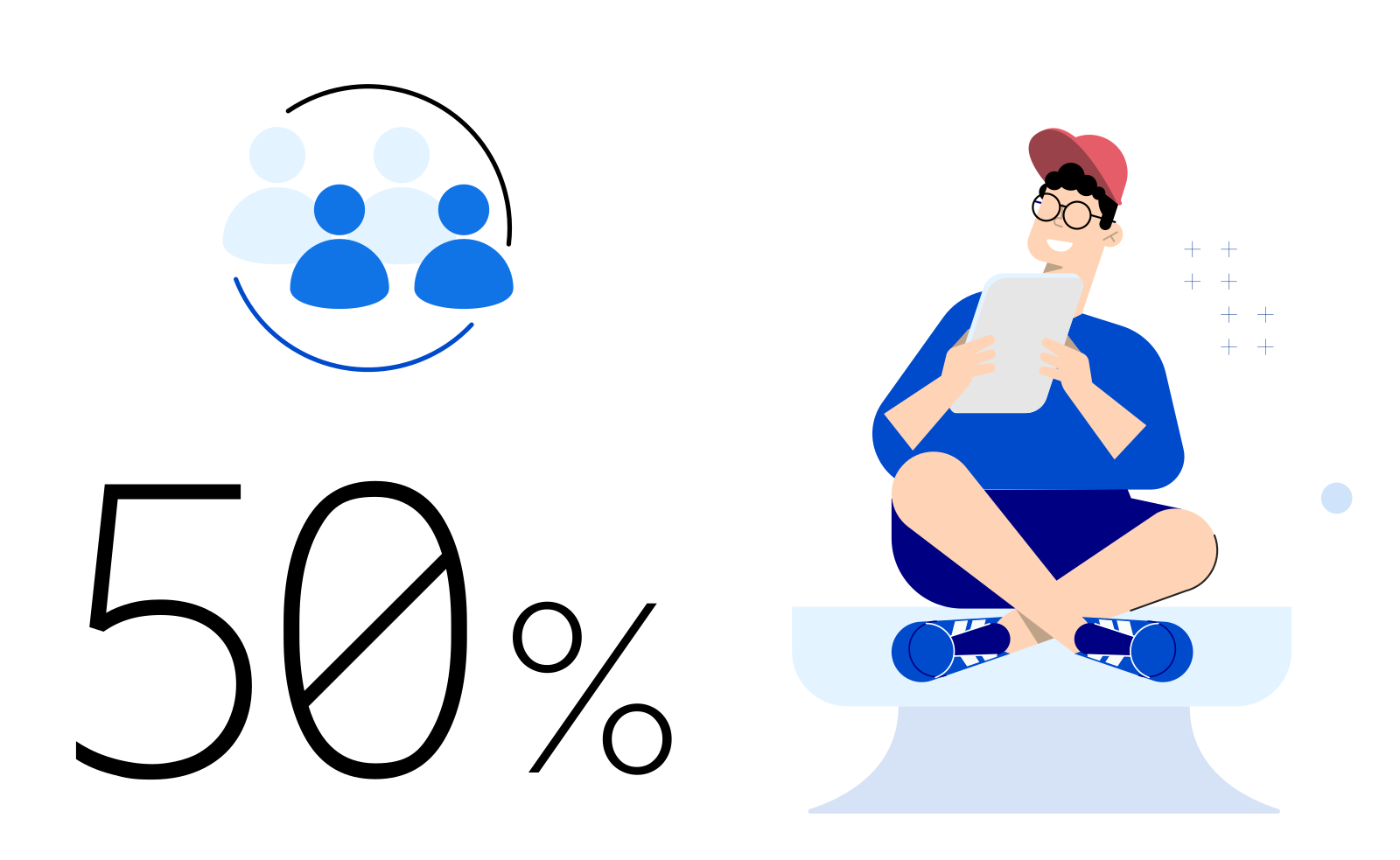
Half of all Indonesian 5G early adopters are willing to pay for differentiated connectivity

Among early adopters of 5G in Indonesia, 50 percent are open to paying for differentiated connectivity that guarantees better performance for essential tasks.

Find out more

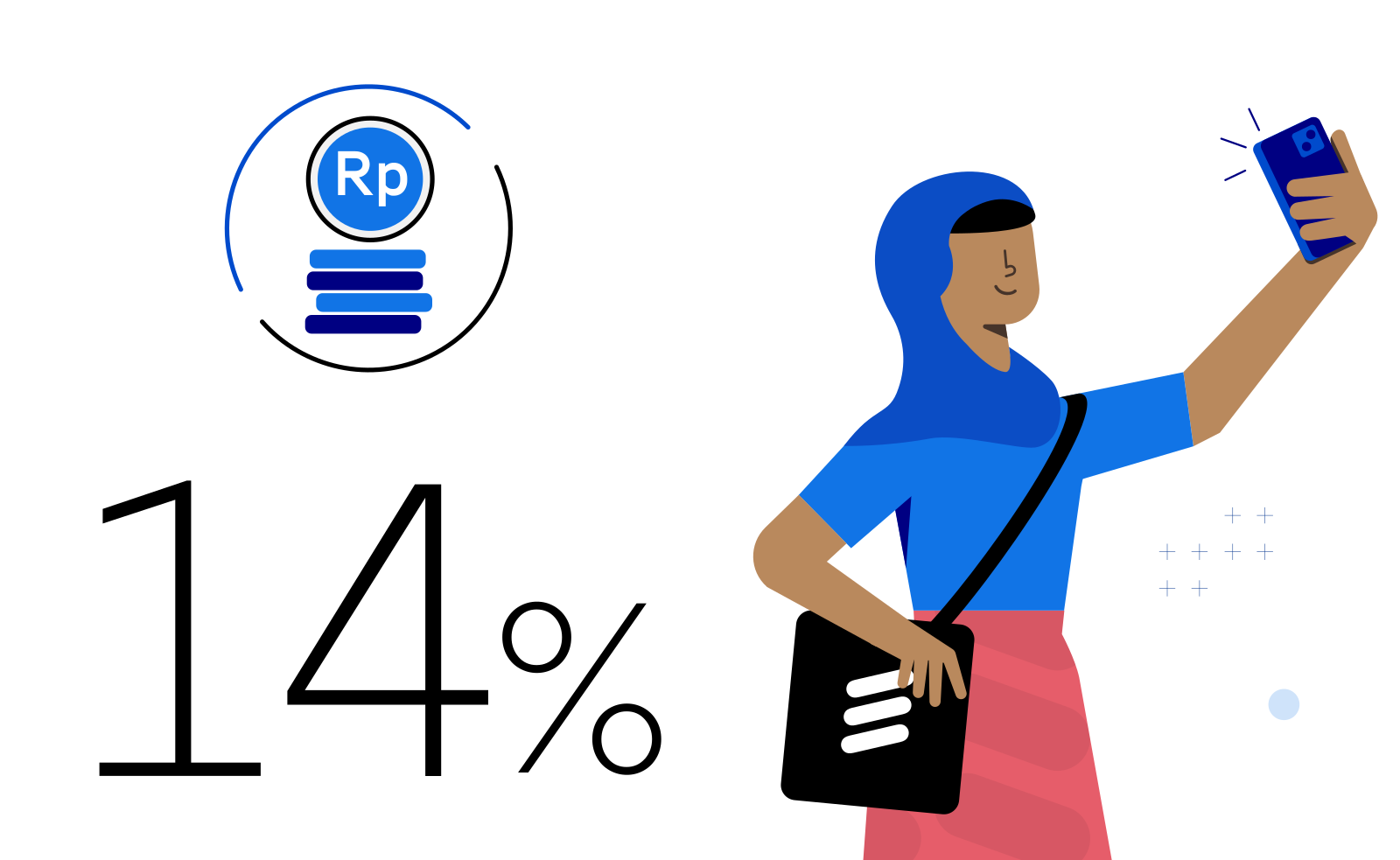
Indonesian 5G users are prepared to pay up to 14 percent more for differentiated connectivity

Two segments of 5G users in Indonesia are willing to pay a premium of up to 14 percent more per month for reliable, high-quality connectivity.

Find out more

Elevating 5G with differentiated connectivity

Read the full global report to explore what consumers around the world expect from their networks when it comes to differentiated connectivity.

Download the report

Key figures

Take a closer look at key figures from Ericsson ConsumerLab research to discover more about the potential of 5G differentiated connectivity in Indonesia.

32.00 %
Almost one-third of 5G users in Indonesia, known as “Assurance Seekers”, would still prefer to pay for elevated connectivity despite being satisfied with their current network performance.
69.00 %
In Indonesia, 69 percent of 5G users who pay for generative AI apps are satisfied with response times, compared to only 47 percent of non-paying users.
1.00 %
in 3. One-third of Indonesia’s potential market want alternative payment models for differentiated connectivity.

Methodology

This ConsumerLab study examines the evolving landscape of mobile connectivity in Indonesia, highlighting how service providers can move beyond traditional models to deliver high-performance, personalized network experiences. 

In March 2025, Ericsson ConsumerLab surveyed more than 1,500 smartphone users aged 15–69 across Indonesia, including the geographical regions of Java, Sumatra, Kalimantan, Sulawesi, the Maluku Islands, the Lesser Sunda Islands and Western New Guinea. Of the over 1,500 smartphone users surveyed, 550 were active 5G users.

The research focused on three primary areas: user satisfaction with 5G network performance, emerging expectations driven by application behavior, and consumer willingness to pay for differentiated connectivity.

The survey findings are representative of over 106 million smartphone users in Indonesia, including more than 13 million 5G users.

A woman on public transport

Have you downloaded your report?

Research from Ericsson ConsumerLab about 5G differentiated connectivity in Indonesia. Explore the full findings and discover the unique opportunities for service providers.

Get my copy

One in three Indonesian 5G users experience connectivity issues in crowded areas and underground locations

From the expansive Grand Indonesia shopping mall to the impressive Gelora Bung Karno Stadium or the majestic Borobudur Temple, Ericsson ConsumerLab research shows that 34 percent of 5G users in Indonesia experience occasional or frequent connectivity issues in high-traffic locations like retail centers, stadiums and arenas, tourist attractions, airports, and other public transportation hubs.

These insights underline the unique opportunities being opened up to service providers through 5G differentiated connectivity in Indonesia, one of Southeast Asia’s most dynamic digital economies. Enhancing 5G infrastructure will improve connectivity, even in geographical locations where telecommunications services have historically been poor, and enable service providers to boost their net promoter scores (NPS) by ensuring positive network experiences for their customers.

Indonesian 5G users who occasionally or frequently experience network issues across different locations
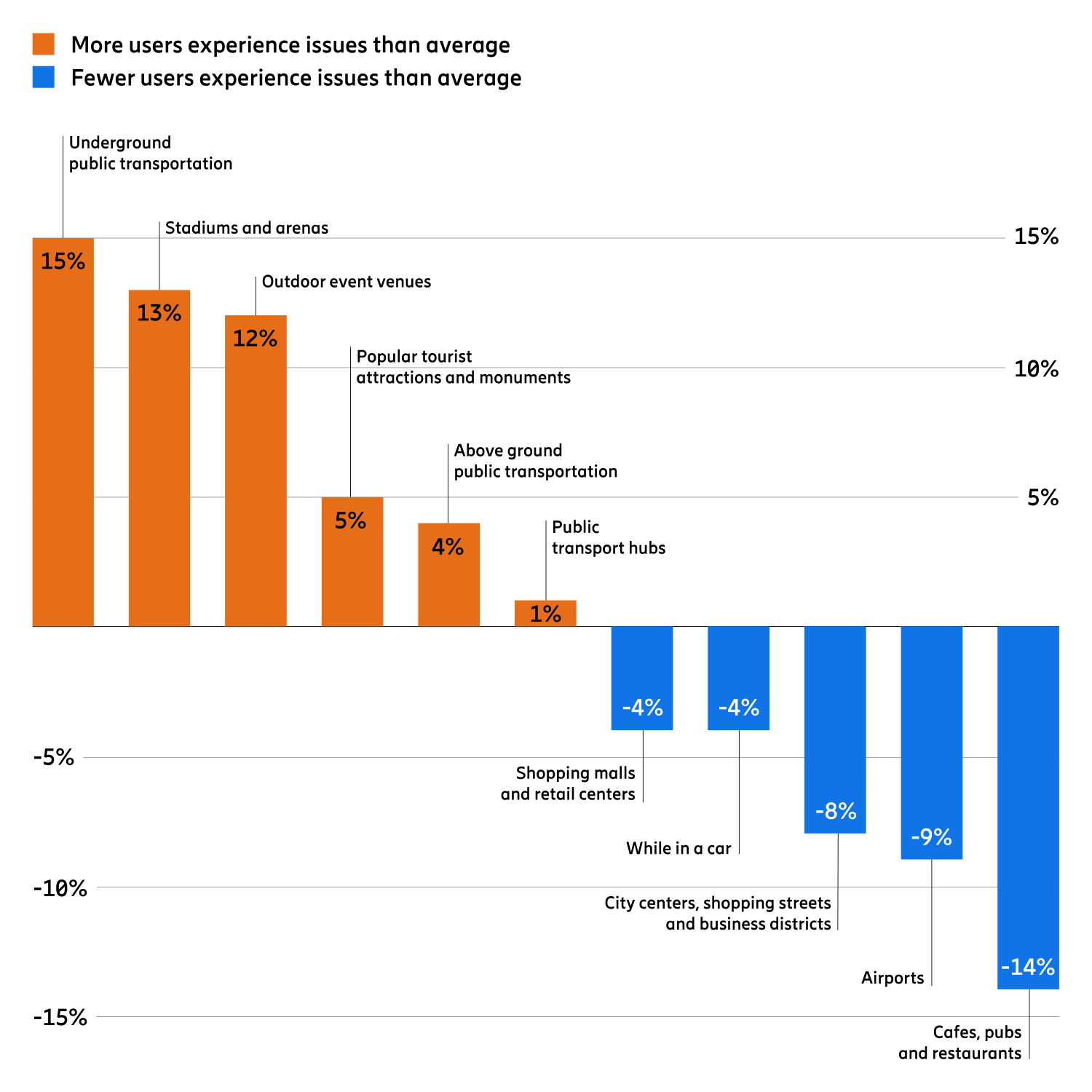
5G users in Indonesia

Base: 5G users in Indonesia. Source: Ericsson ConsumerLab, Elevating 5G with differentiated connectivity, APril 2025

Connectivity issues impact enjoyment at big events for one-fifth of Indonesian 5G users

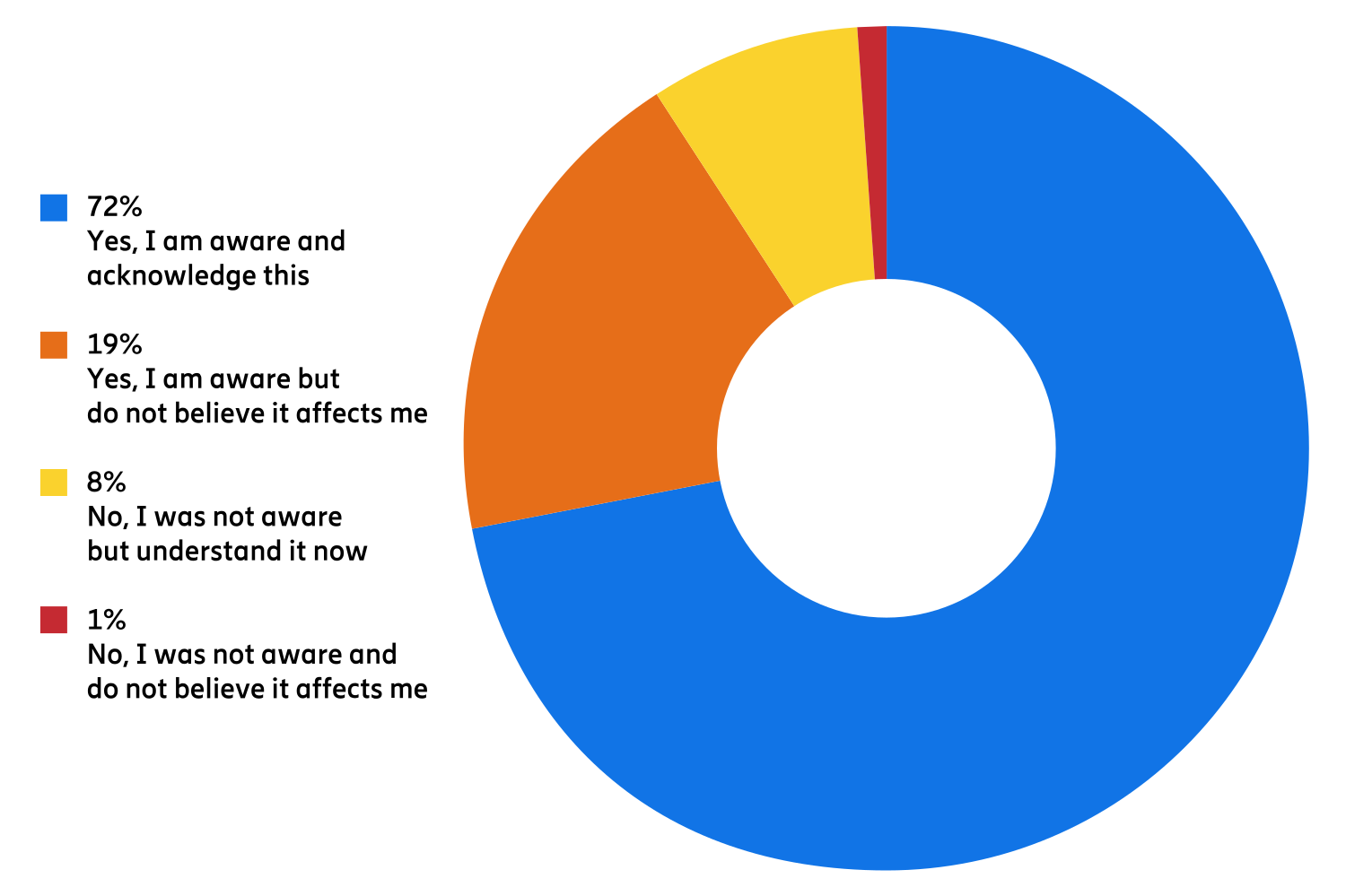
Ericsson ConsumerLab research shows that a significant 72 percent of 5G users in Indonesia recognize that they are affected by connectivity issues, especially in high-traffic areas such as stadiums, outdoor event venues and tourist attractions. 

Whether livestreaming from Java Jazz Festival, video calling friends from the Indonesia Open badminton tournament, or soaking up the atmosphere at the month-long Jakarta Fair, one in five of those surveyed reported that their overall enjoyment of a major event or tourist venue is negatively affected if network congestion causes them to have connectivity issues. By aligning network performance with user expectations, service providers can deliver more value and better experiences for their users, fostering great customer loyalty.

Indonesian 5G users who acknowledge that network congestion at crowded locations impacts their user experience

Half of all Indonesian 5G early adopters are willing to pay for differentiated connectivity

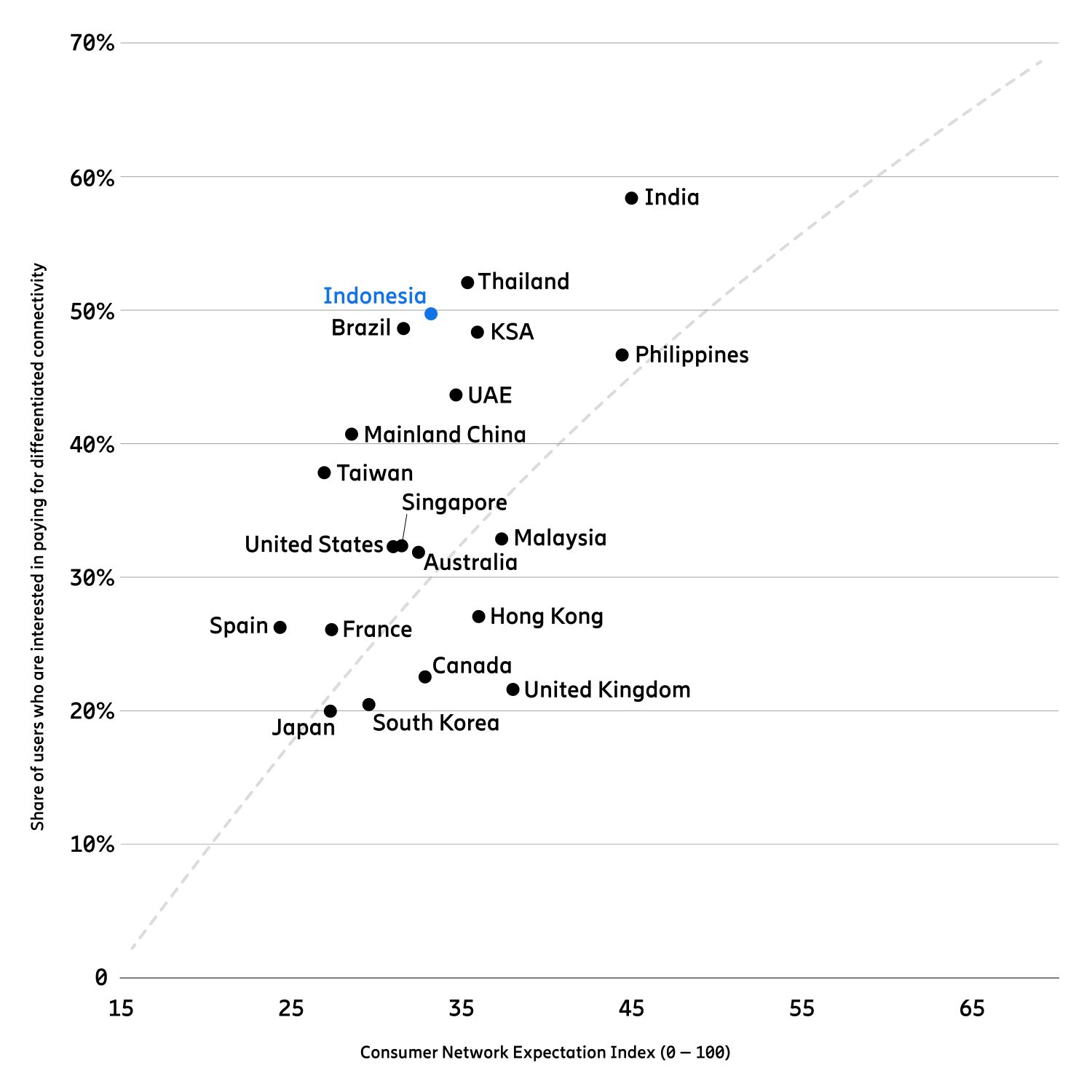
There is a growing appetite for differentiated connectivity in Indonesia, according to Ericsson ConsumerLab research. The findings show that 50 percent of 5G early adopters are interested and willing to pay for differentiated connectivity that guarantees better performance for essential tasks, such as making video calls on WhatsApp, streaming the latest shows on Vidio, or using apps for secure payments and ride-hailing like GoPay and Gojek. Notably, this is a higher percentage than in most other countries globally. In fact, 32 percent of 5G users in Indonesia, known as “Assurance Seekers”, are actively seeking elevated connectivity for essential applications.

To start unlocking the full revenue growth potential of 5G differentiated connectivity, service providers must develop actionable segmentation strategies that identify key consumer groups, such as the “Assurance Seekers”.

The graph shows the willingness of Indonesian 5G users to pay for differentiated connectivity compared to 5G users worldwide.

5G users worldwide who are interested in paying for differentiated connectivity

Indonesian 5G users are prepared to pay up to 14 percent more for differentiated connectivity

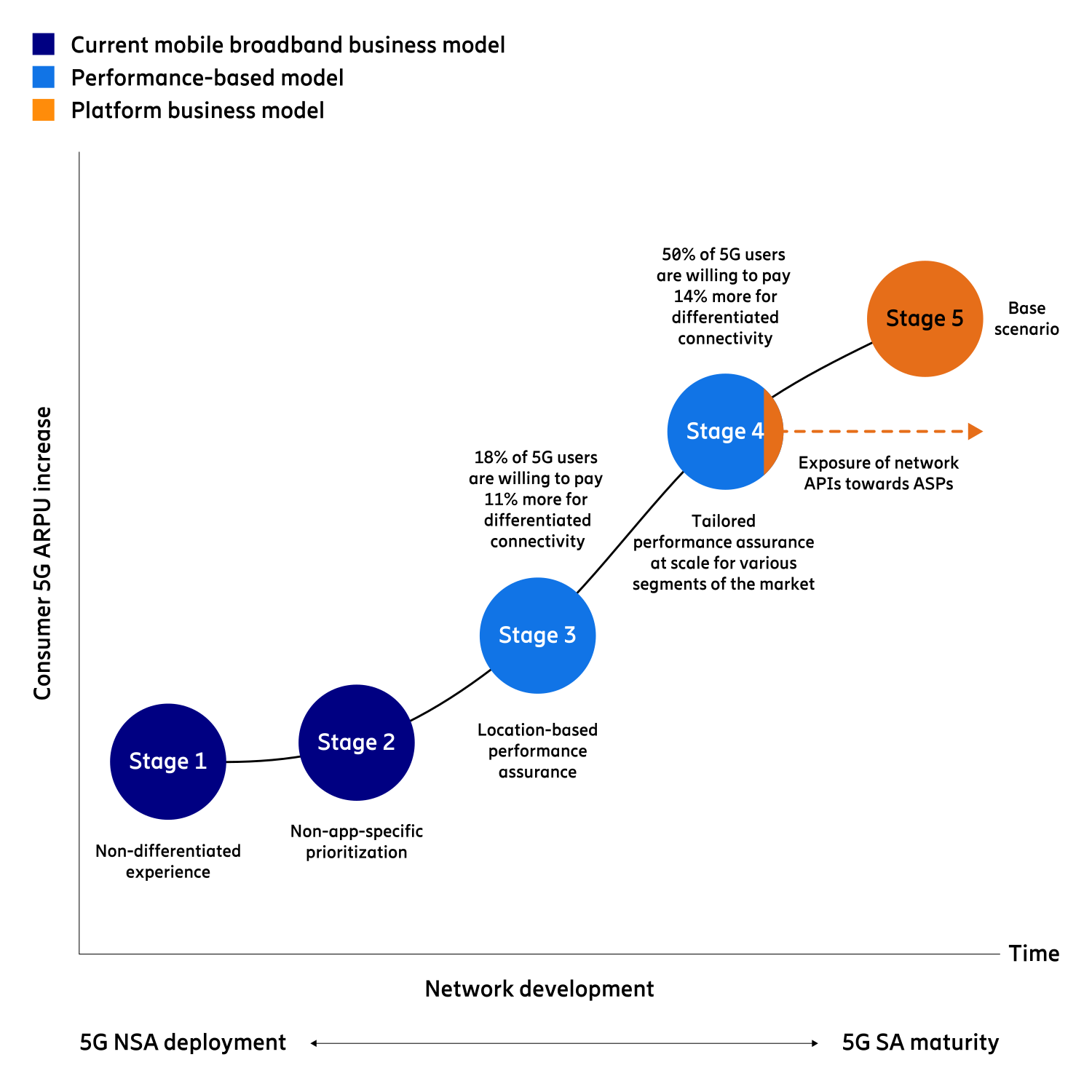
The Ericsson ConsumerLab survey has identified two segments of Indonesian 5G users that could be early adopters of differentiated connectivity and are willing to pay 11 to 14 percent more for performance assurance.

“Performance Strivers”, who make up 18 percent of Indonesia’s 5G user base, are high mobile data users who are deeply engaged with apps and demand superior performance for activities like video conferencing, cloud gaming, and uploading TikTok videos on the go. Whereas “Assurance Seekers”, who make up 32 percent, are satisfied with 5G but would still prefer to pay for elevated connectivity to ensure essential apps like WhatsApp and GoPay work seamlessly, regardless of their location. 

For service providers, the path forward for revenue growth will involve building a portfolio of differentiated connectivity offerings that are clear, compelling and aligned with user needs, while also exposing network APIs to developers.

The graph outlines the five stages of 5G revenue generation and shows that a willingness to pay up to 14 percent more for differentiated connectivity opens up unique opportunities for service providers to develop new business models.

The graph outlines these five stages of 5G revenue growth and shows the ARPU increases that are possible for Australian service providers who transition to new business models.

The five stages of 5G revenue generation for Indonesian service providers
Subscribe to ConsumerLab reports

Ericsson ConsumerLab has more than 20 years’ experience in studying people’s behaviors and values, and provides unique insights into market and consumer trends.

Subscribe to reports