




Skip navigation
Elevating 5G with differentiated connectivity in the Malaysia

Elevating 5G with differentiated connectivity in the Malaysia

Demand for improved network experiences is increasing

Ericsson ConsumerLab sheds light on shifting 5G user expectations in Malaysia. From using e-wallets to purchase train tickets to video calling friends from the observation deck at Petronas Twin Towers, Malaysians want more reliable connectivity and will pay a premium to get it.

Report

5G differentiated connectivity

In March 2025, Ericsson ConsumerLab surveyed more than 1,500 smartphone users in Malaysia, including 745 active 5G users, to gather insights on network performance satisfaction, emerging consumer expectations driven by application behavior, and the revenue growth potential of differentiated connectivity for communications service providers.

It doesn’t matter whether you’re purchasing the latest fashion from the Pavilion Mall, enjoying an unforgettable and immersive experience at Axiata Arena, or leading important, high-pressure meetings from the business lounge at Kuala Lumpur International Airport, encountering connectivity issues in high-traffic locations is always frustrating. As 5G users across Malaysia demand more consistency from their networks, differentiated connectivity that guarantees seamless experiences tailored to their needs becomes an attractive proposition.

Two people at a train station

Key findings

More than four in ten 5G users in Malaysia experience disruptive connectivity issues in crowded areas and underground locations

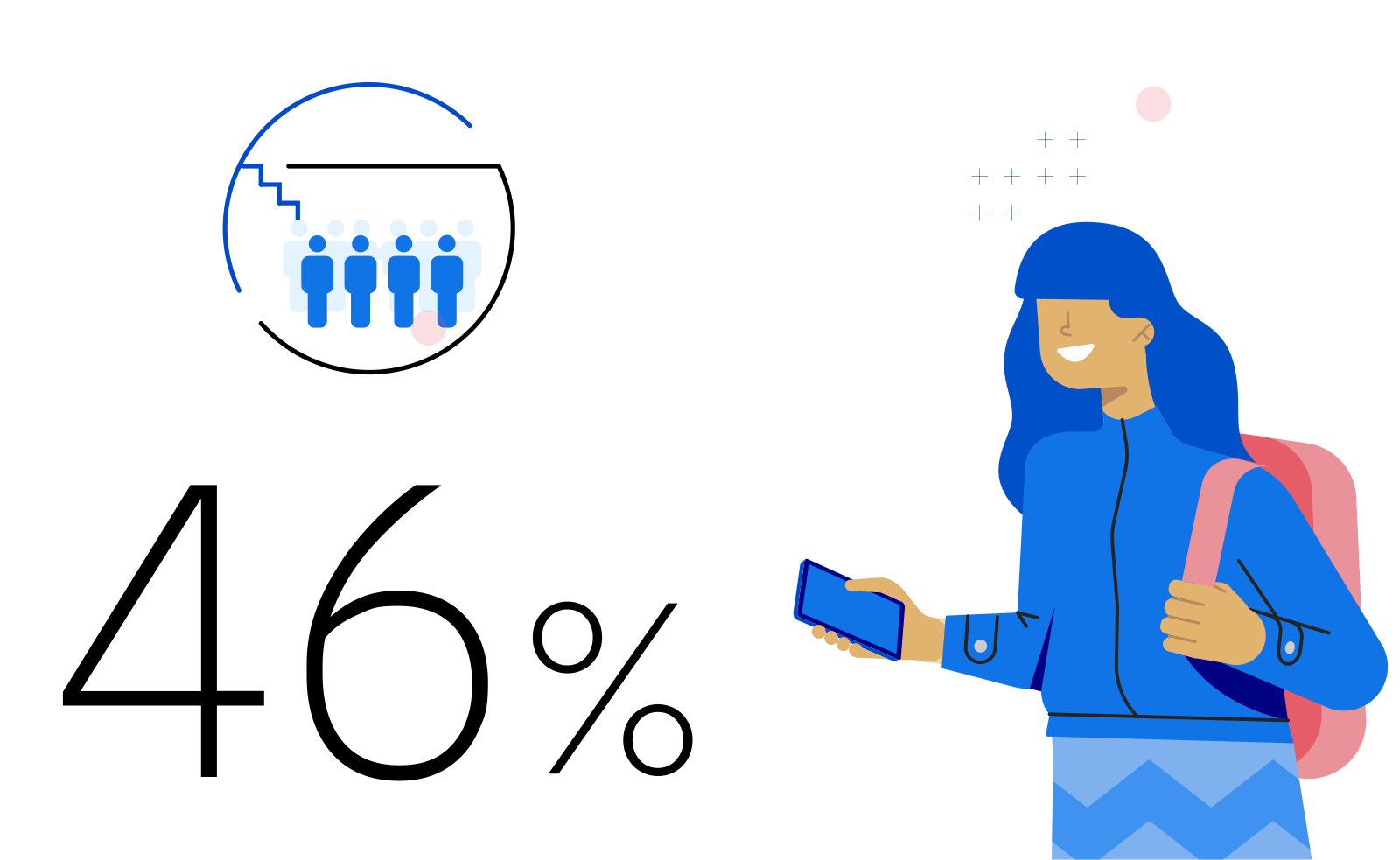
Despite 5G user satisfaction rising in Malaysia, 46 percent of 5G users still occasionally or frequently encounter network challenges in high-traffic locations such as public transportation hubs, stadiums and shopping malls. 

Find out more

One in three Malaysian 5G users are willing to pay for differentiated connectivity

The demand for elevated network experiences is on the rise in Malaysia, with 33 percent of 5G users open to paying for differentiated connectivity that promises improved performance for essential tasks.

Find out more

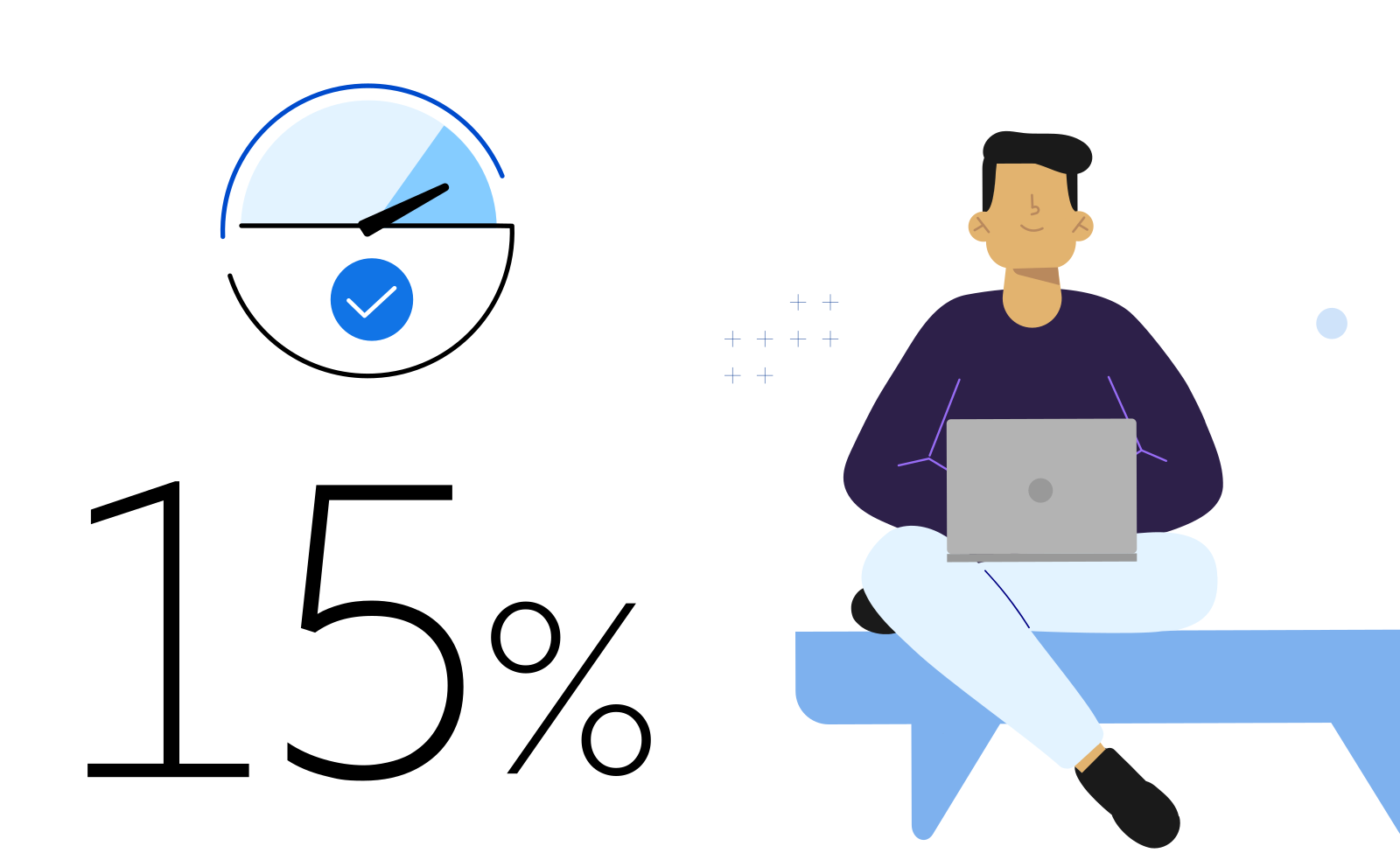
5G users in Malaysia are prepared to pay up to 15 percent more for performance assurance

Two segments of Malaysian 5G users would consider increasing their monthly spending by 13 to 15 percent for premium, high-quality connections.

Find out more

Over one-third of 5G users in Malaysia are looking for alternative payment models for differentiated connectivity

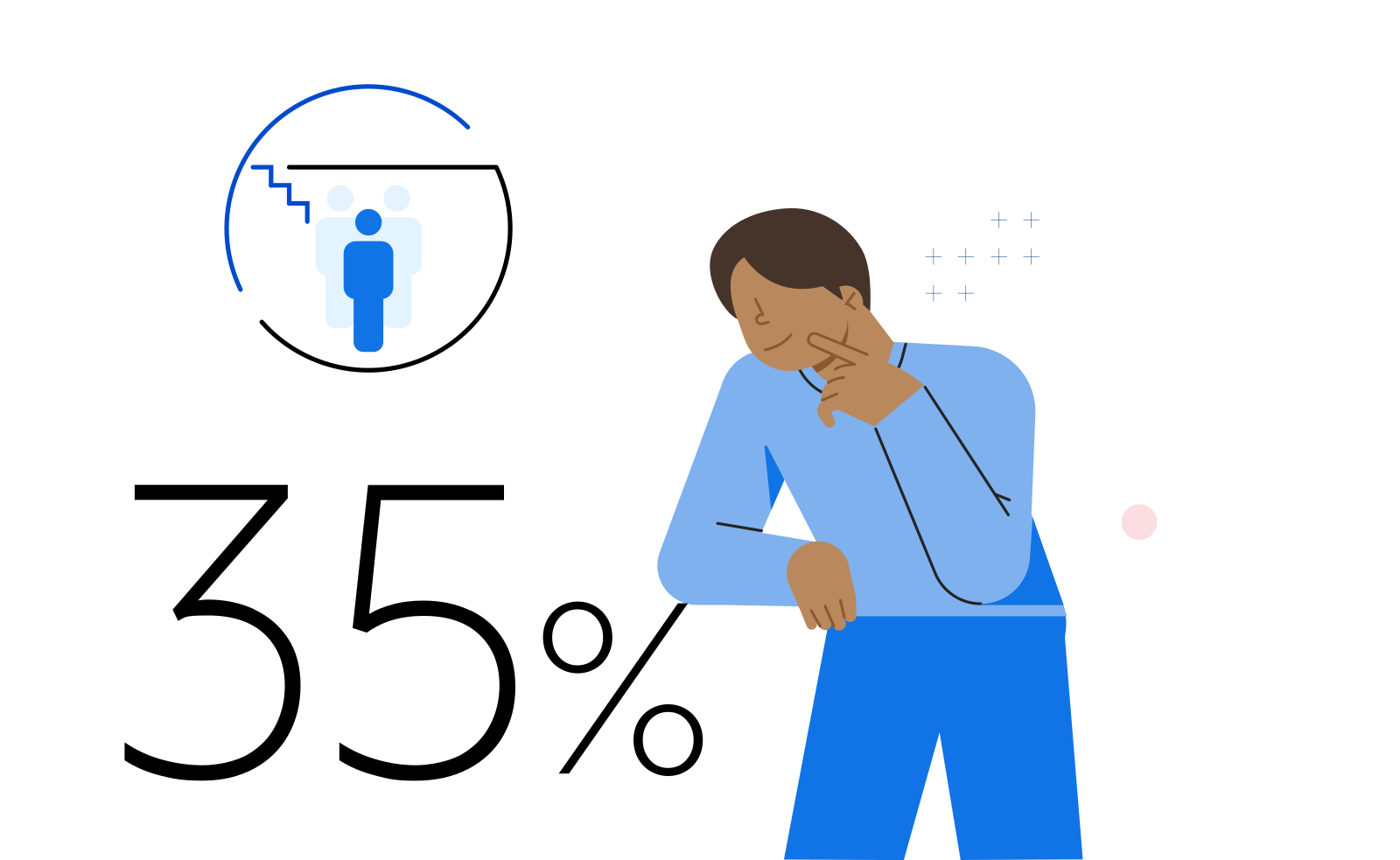
Malaysian 5G users are showing a clear appetite for value-based pricing, with 35 percent expressing interest in alternative payment models for differentiated connectivity, such as pay-per-use enhancements or bundled premium experiences.

Find out more

Key figures

Take a closer look at key figures from Ericsson ConsumerLab research to discover more about the potential of 5G differentiated connectivity in Malaysia.

18.00 %
Despite being satisfied with network performance, 18 percent of 5G users in Malaysia, identified as “Assurance Seekers,” would still prefer to pay for elevated connectivity.
1.00
in 4. One in four 5G users in Malaysia experience connectivity issues at stadiums and event venues.
44.00 %
In Malaysia, 44 percent of 5G users who pay for GenAI apps are satisfied with response times, compared to only 31 percent of non-paying users.

Methodology

This ConsumerLab study explores consumer perception of 5G in Malaysia and asks a key question: Are 5G users in the region ready for differentiated connectivity? It also highlights the significant revenue growth opportunities service providers could start to unlock by moving beyond traditional business models.

In March 2025, Ericsson ConsumerLab surveyed more than 1,500 smartphone users aged 15–69 in Malaysia, of which 745 were active 5G users. The research focused on three primary areas: user satisfaction with 5G network performance, emerging expectations driven by application behavior, and consumer willingness to pay for differentiated connectivity.

The survey findings are representative of over 18 million smartphone users in Malaysia, including more than 12 million 5G users.


Woman smiling on train

Have you downloaded your report?

Read the full global report to explore what consumers around the world expect from their networks when it comes to differentiated connectivity and discover the unique opportunities for service providers.

Get my copy

More than four in ten 5G users in Malaysia experience disruptive connectivity issues in crowded areas and underground locations

Ericsson ConsumerLab research shows that while 5G users in Malaysia are becoming increasingly satisfied with their networks, a significant challenge remains. From public transportation hubs like Kuala Lumpur Sentral, one of the largest and busiest train stations in Southeast Asia, to the 87,000-plus capacity Bukit Jalil National Stadium, 46 percent of users still occasionally or frequently face connectivity issues they find to be both annoying and disruptive in high-traffic locations.
These findings underscore the crucial impact geographical location has on user experience and present a unique and clear opportunity for service providers through differentiated connectivity. By enhancing 5G infrastructure throughout the region, especially in historically underserved areas, service providers will be able to significantly improve network experiences for all users and, in turn, boost their net promoter scores (NPS).

Malaysian 5G users who occasionally or frequently experience network issues across different locations
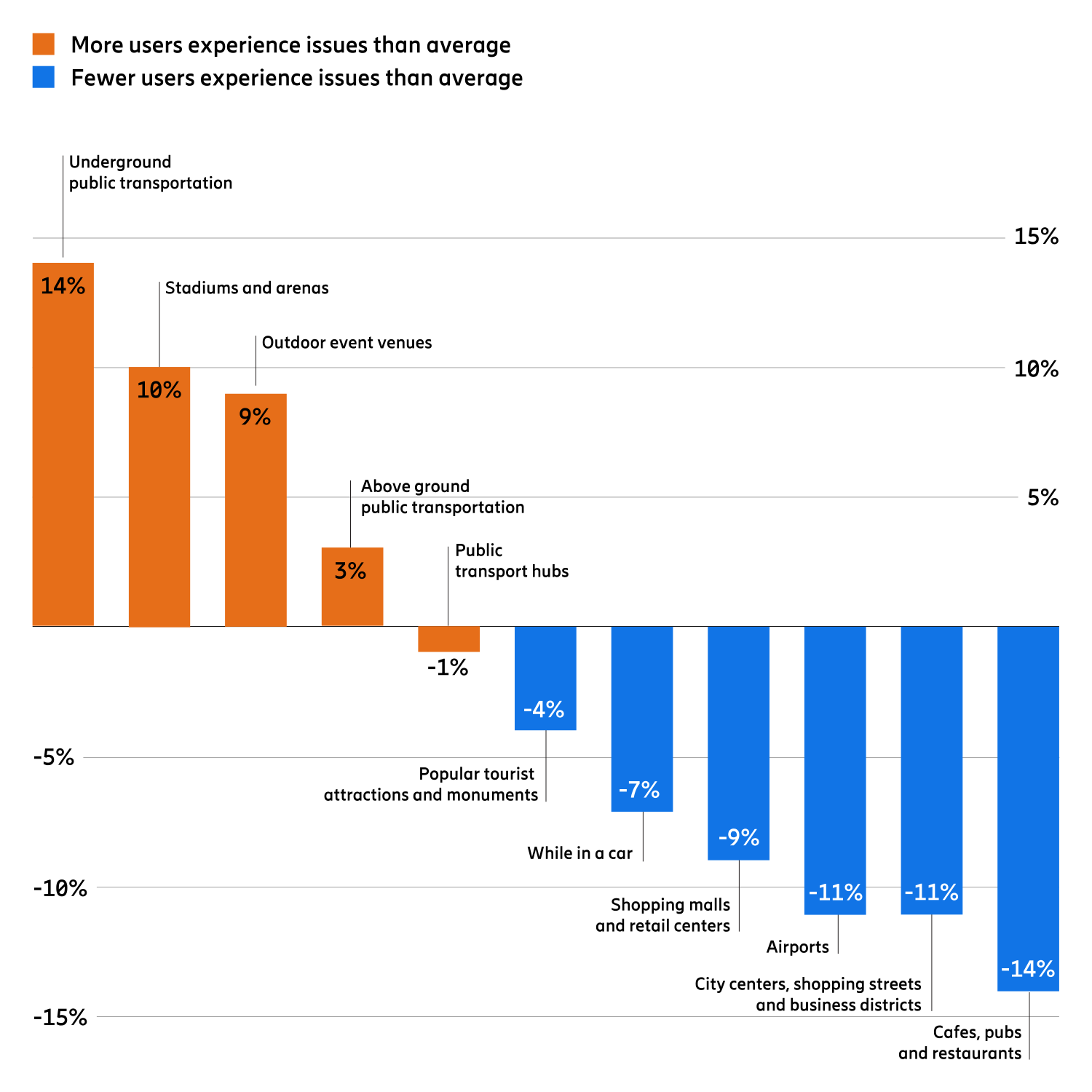

Base: 5G users in Malaysia. Source: Ericsson ConsumerLab, Elevating 5G with differentiated connectivity, April 2025

One in three Malaysian 5G users are willing to pay for differentiated connectivity

Ericsson ConsumerLab research reveals a growing appetite amongst Malaysian 5G users for enhanced network experiences. The study shows that 33 percent of 5G users are open to paying for differentiated connectivity that provides guaranteed performance for critical tasks, such as ensuring seamless, secure transactions when topping up Touch ‘n Go eWallets at megamalls, or when scanning DuitNow QR codes to make instant digital payments at concession stands.
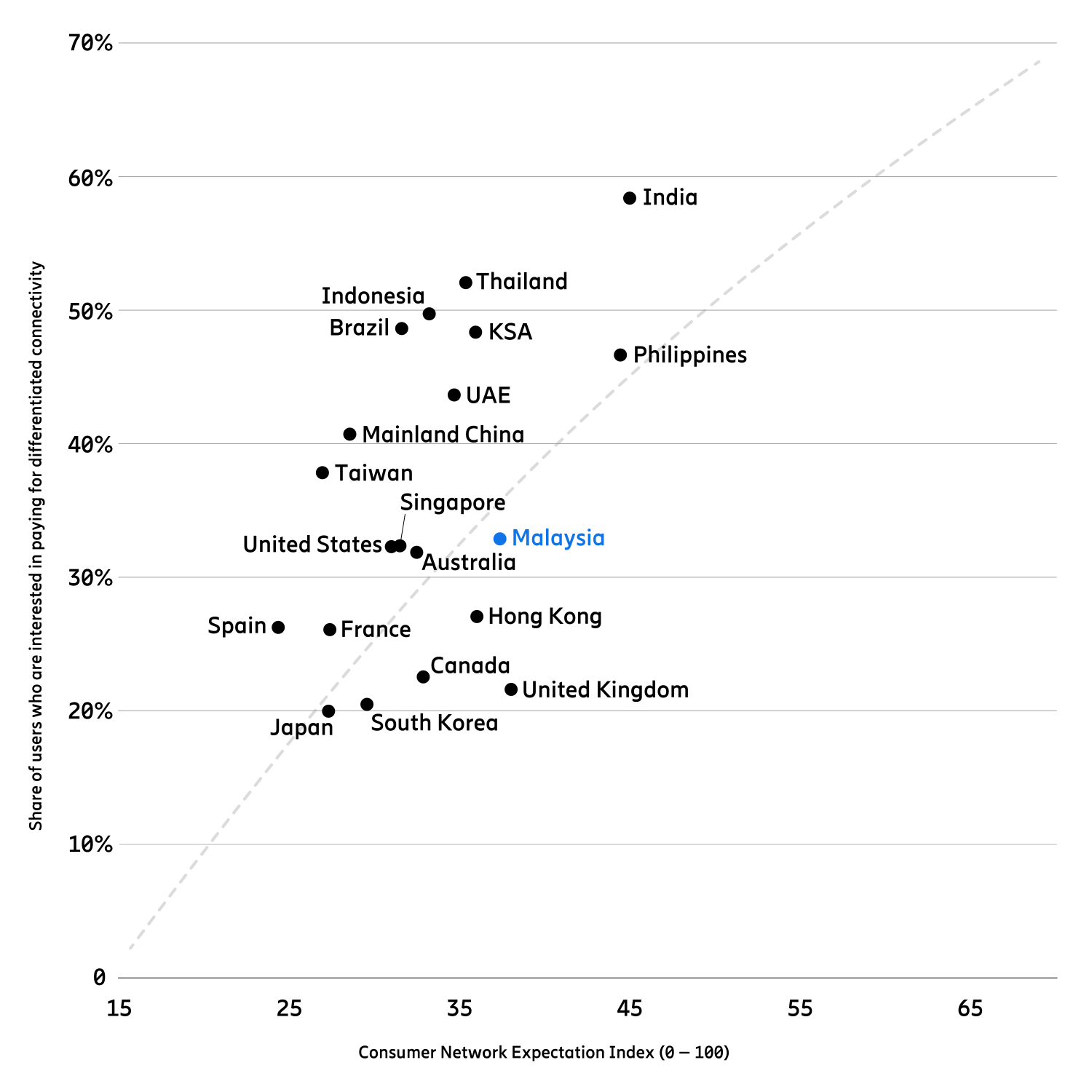
Notably, 18 percent of 5G users in the region, known as “Assurance Seekers,” would still prefer to pay for differentiated connectivity despite being satisfied with 5G, and 15 percent, known as “Performance Strivers,” are actively seeking elevated connectivity for essential applications and would consider paying a premium for it. These findings demonstrate that for a significant number of 5G users, superior performance, network reliability and guaranteed service are highly valued and sought after over simply having access to best-effort mobile broadband.
To fully capitalize on the revenue growth potential of differentiated connectivity, service providers should develop actionable segmentation strategies focused on identifying and targeting specific consumer groups, such as the “Assurance Seekers.”
The graph shows the willingness of Malaysian 5G users to pay for differentiated connectivity compared to 5G users worldwide.

5G users worldwide who are interested in paying for differentiated connectivity

5G users in Malaysia are prepared to pay up to 15 percent more for performance assurance

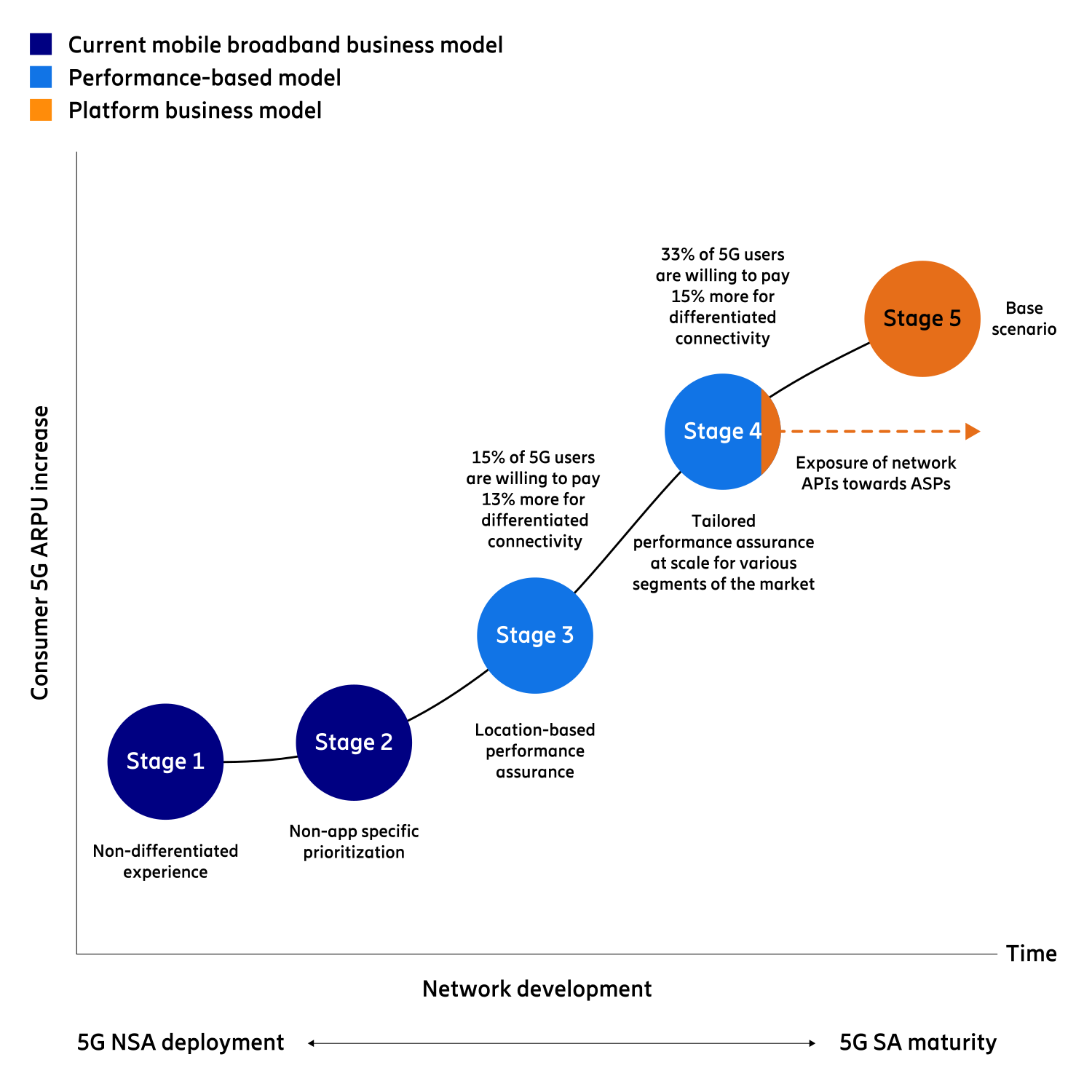
Ericsson ConsumerLab research shows that Malaysian service providers have a unique opportunity to capture 15 to 33 percent of the 5G users who are willing to pay a premium of 13 to 15 percent for guaranteed performance. 

To address the market’s evolving demands, Malaysian service providers must build a strong portfolio of premium 5G offerings that utilize the advanced capabilities of their networks. To unlock future revenue streams, it will be essential for service providers to start exposing quality on demand (QoD) network APIs to the developer community. This will create a marketplace for quality of service (QoS) apps with next-generation features that demand guaranteed network performance. It will also help drive regional innovation, particularly with the continued evolution of technologies such as generative AI (GenAI), VR and AR, and edge computing.

The graph shows the different stages of 5G revenue growth and demonstrates that a willingness to pay up to 15 percent more for differentiated connectivity is a key driver in the development of new business models for service providers.

The five stages of 5G revenue generation for Malaysian service providers

Base: 5G users in Malaysia. Source: Ericsson ConsumerLab, Elevating 5G with differentiated connectivity, April 2025

Over one-third of 5G users in Malaysia are looking for alternative payment models for differentiated connectivity

From George Town to Kota Kinabalu, the traditional volume-based payment model for mobile data is no longer sufficient for a significant segment of tech-savvy Malaysian 5G users. Ericsson ConsumerLab research shows strong interest among users for value-based pricing, particularly for performance requirements tied to specific, demanding applications or high-traffic locations.

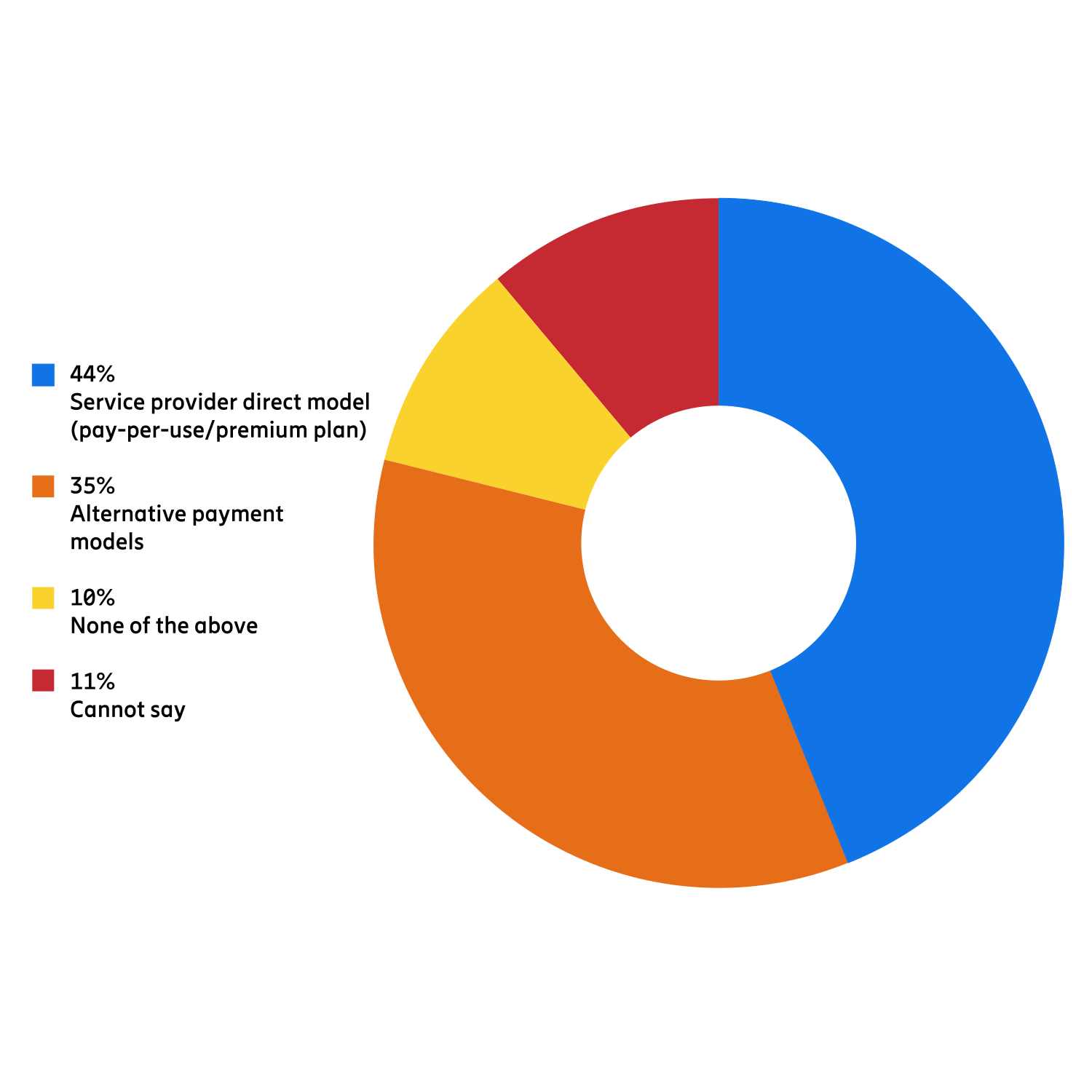
The findings are compelling: 35 percent of 5G users in Malaysia are interested in alternative payment models, such as pay-per-use enhancements or bundled premium experiences for critical apps, like secure banking and payment services, streaming, and online gaming.

This presents a clear opportunity for service providers in Malaysia to build new, differentiated connectivity offerings that are aligned with user needs. This could include options such as event-based data passes, real-time performance upgrades, or subscription tiers that offer application-specific quality of service (QoS).

The graphs illustrate 5G and 4G satisfaction scores over the years in the Philippines and highlight how network performance satisfaction levels differ for users depending on where they live.

The preferred payment models for differentiated connectivity among Malaysian 5G users

Base: 5G users in Malaysia. Source: Ericsson ConsumerLab, Elevating 5G with differentiated connectivity, April 2025

Subscribe to ConsumerLab reports

Ericsson ConsumerLab has more than 20 years’ experience in studying people’s behaviors and values, and provides unique insights into market and consumer trends.

Subscribe to reports