




Skip navigation
Elevating 5G with differentiated connectivity in the Philippines

Elevating 5G with differentiated connectivity in the Philippines

Consumers expect more from their 5G networks

Ericsson ConsumerLab examines the impact 5G is having on consumer expectations across the Philippines. Whether video calling friends from a crowded mall in Cebu or streaming shows from the gates of Ninoy Aquino International Airport, how hungry are 5G users for differentiated connectivity?

Report

5G differentiated connectivity

In March 2025, Ericsson ConsumerLab surveyed over 1,500 smartphone users across the Philippines, including 540 active 5G users, to gather insights on network performance satisfaction, emerging consumer expectations, and the revenue growth potential of differentiated connectivity for communications service providers.

Imagine attending a concert at the Philippine Arena only to lose connection when you try accessing digital tickets or purchasing merchandise. Or the frustration of a multiplayer game lagging while you wait for a train, costing you a match when speed and responsiveness matter most. As the lives of Filipino consumers become increasingly digitalized, 5G users are less satisfied with best-effort mobile broadband, especially at high-traffic locations, and more interested in paying for elevated connectivity that guarantees seamless experiences.

A woman using augmented reality in a store

Key findings

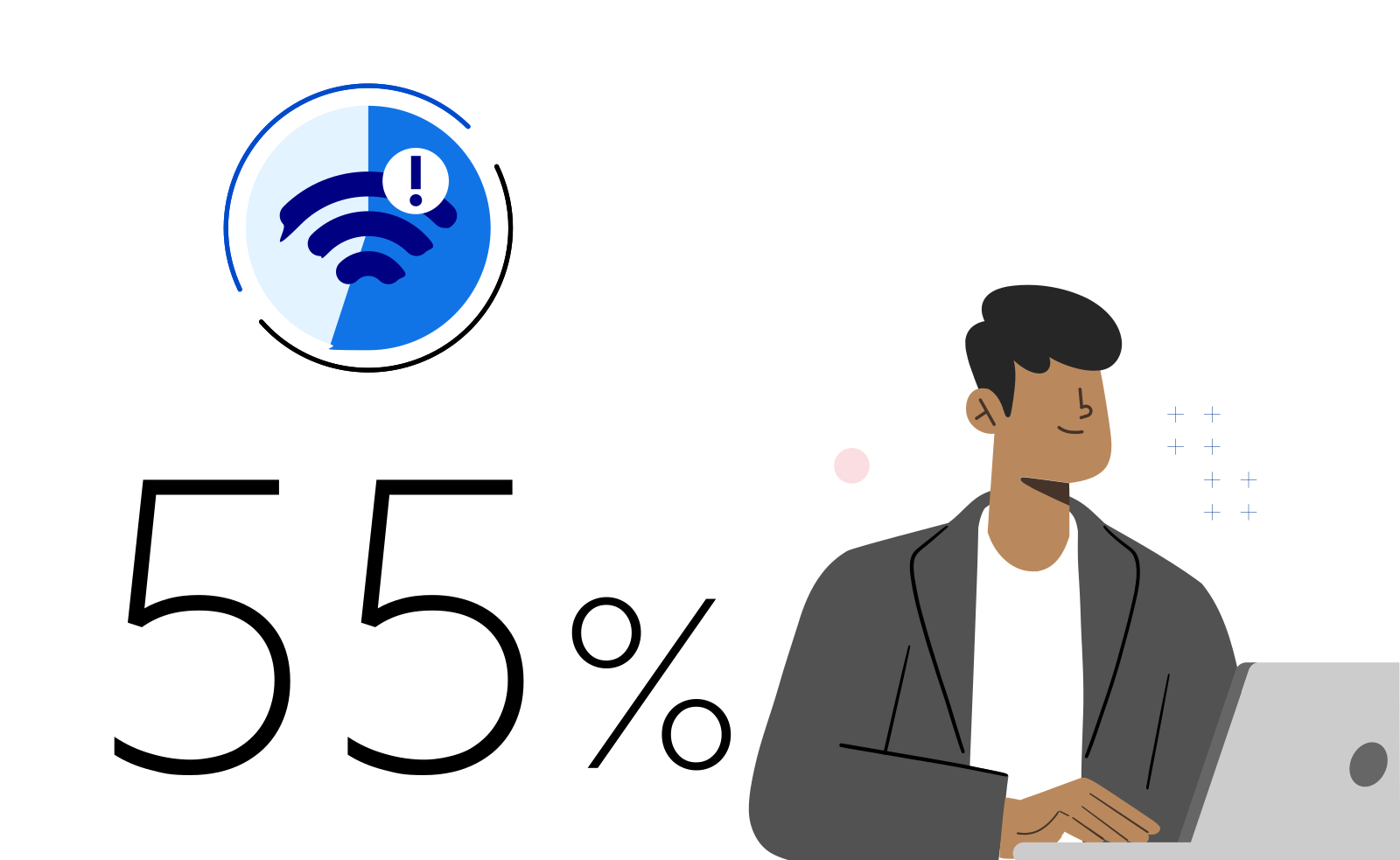
Over half of all 5G users in the Philippines experience connectivity issues in crowded areas and underground locations

As 5G adoption expands across the Philippines, 55 percent of users report occasionally or frequently encountering network challenges in high-traffic locations such as shopping malls, stadiums, and public transportation hubs.

Find out more

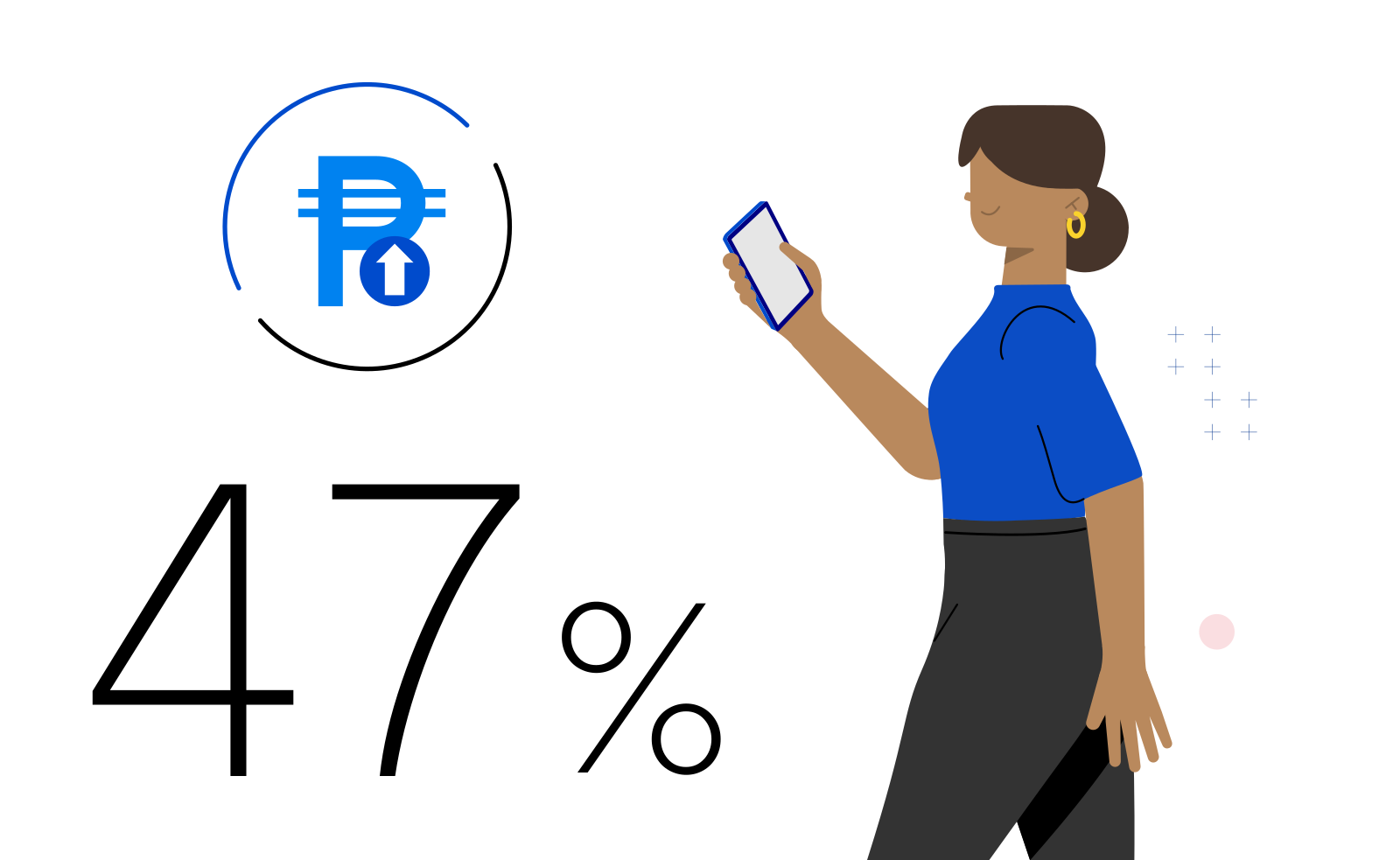
Almost half of all 5G users in the Philippines are willing to pay for differentiated connectivity

There is a growing appetite for elevated network experiences in the Philippines, with 47 percent of 5G users willing to pay for differentiated connectivity that guarantees better performance for essential tasks.

Find out more

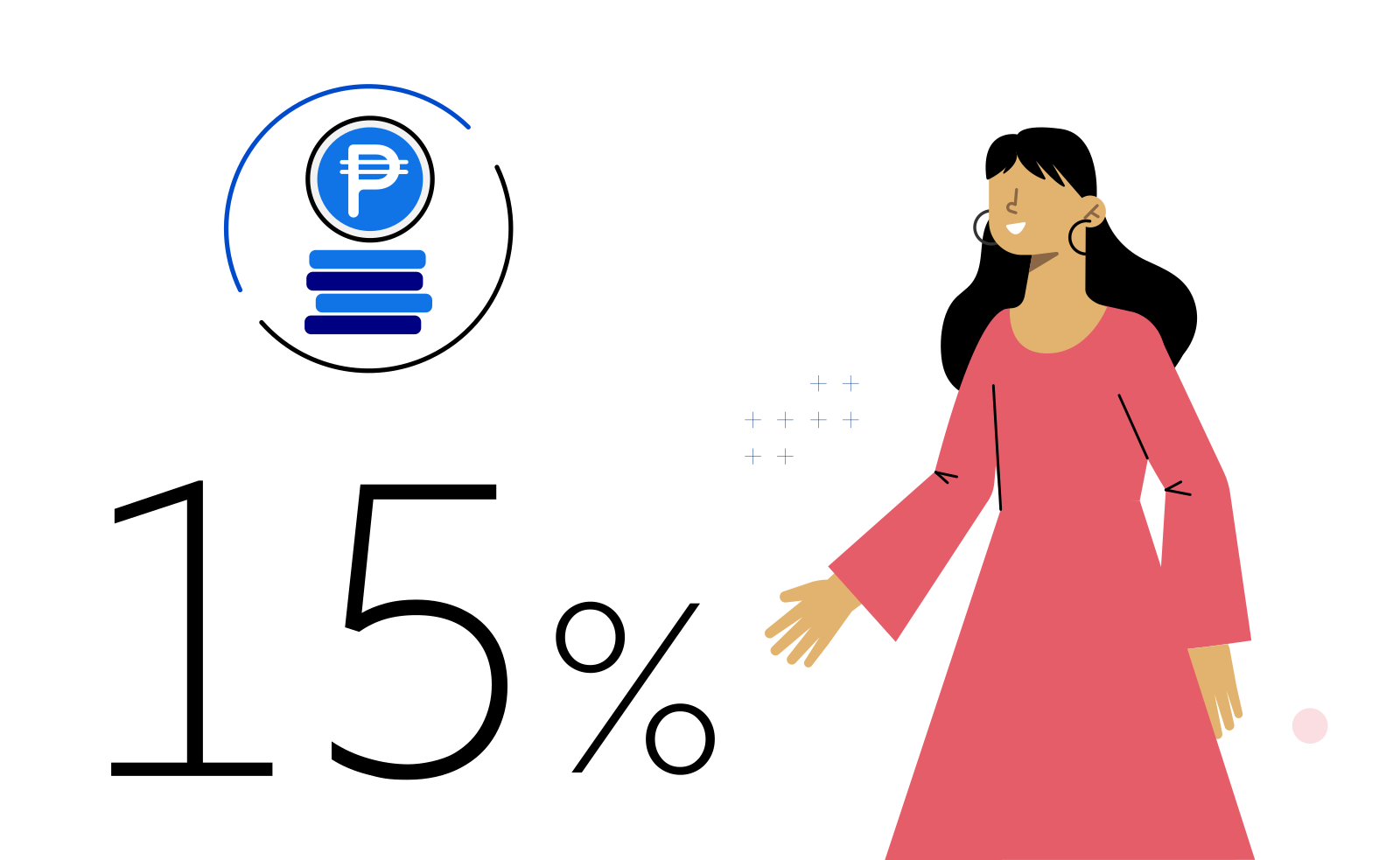
5G users in the Philippines are prepared to pay up to 15 percent more for performance assurance

Two segments of 5G users in the Philippines are willing to pay a premium of up to 15 percent more per month for differentiated connectivity.

Find out more

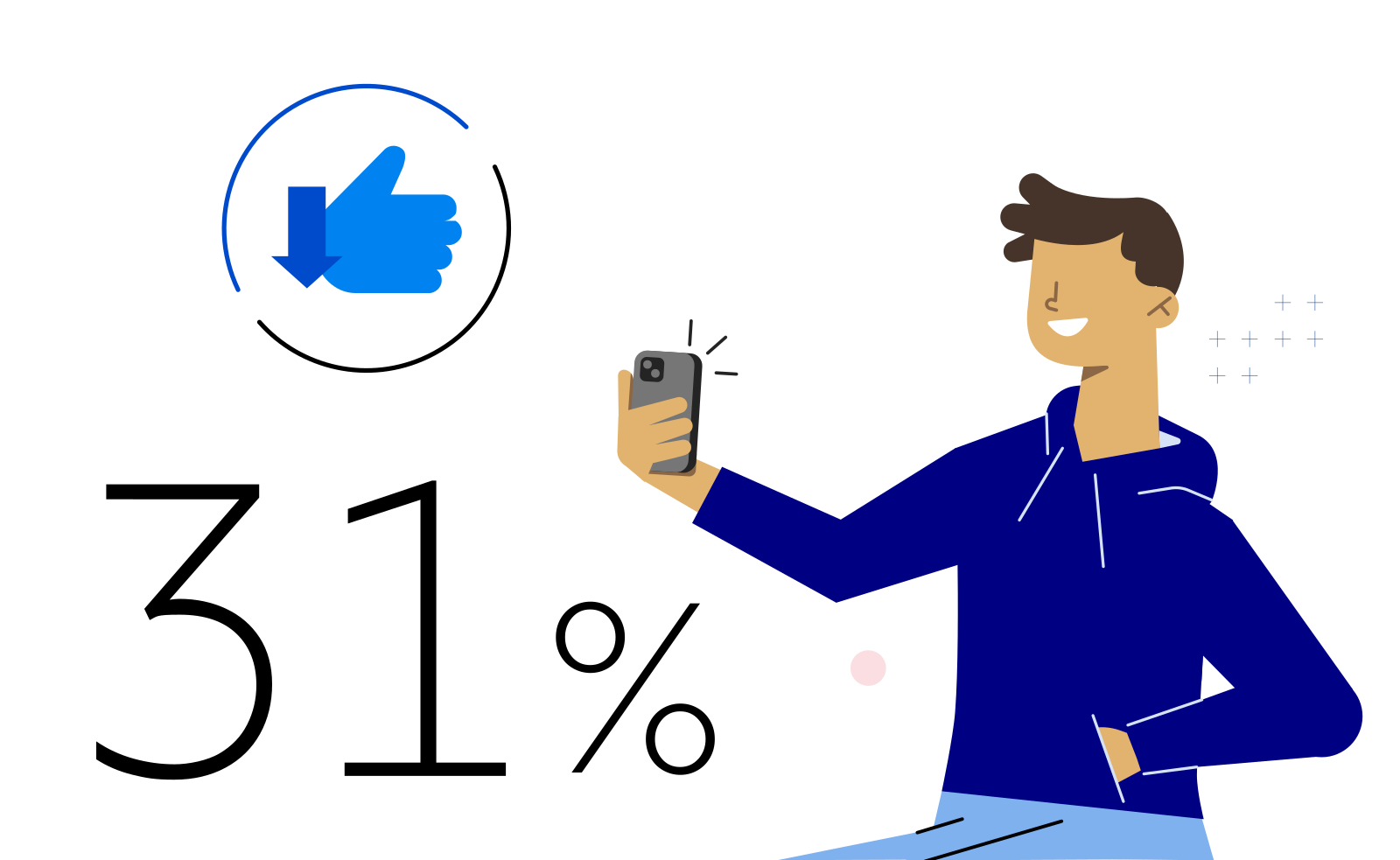
Less than one-third of 5G users in the Philippines are satisfied with network performance

In the Philippines, just 31 percent of 5G users are satisfied with network performance. This presents a key opportunity for service providers to improve customer experience as 5G adoption grows.

Find out more

Key figures

Take a closer look at key figures from Ericsson ConsumerLab research to discover more about the potential of 5G differentiated connectivity in the Philippines.

22.00 %
Despite being satisfied with network performance, 22 percent of 5G users in the Philippines, identified as “Assurance Seekers”, would still prefer to pay for elevated connectivity.
21.00 %
Over one-fifth of 5G users in the Philippines want alternative payment models for differentiated connectivity.
50.00 %
Half of all 5G users in the Philippines who pay for Gen AI apps are satisfied with response times, compared to only 36 percent of non-paying users.

Methodology

This ConsumerLab study explores the shifting telecommunications landscape across the Philippines, driven by the rapid expansion of 5G and evolving user expectations. It highlights the revenue growth opportunities of differentiated connectivity, showing how service providers can move past traditional business models to deliver elevated, personalized network experiences.

In March 2025, Ericsson ConsumerLab surveyed more than 1,500 smartphone users aged 15–69 across the Philippines, of which 540 were active 5G users. The research focused on three primary areas: user satisfaction with 5G network performance, emerging expectations driven by application behavior, and consumer willingness to pay for differentiated connectivity.

The survey findings are representative of over 44 million smartphone users in the Philippines, including more than 10 million 5G users.


Young woman with VR glasses

Have you downloaded your report?

Read the full global report to explore what consumers around the world expect from their networks when it comes to differentiated connectivity and discover the unique opportunities for service providers.

Get my copy

Over half of all 5G users in the Philippines experience connectivity issues in crowded areas and underground locations

Ericsson ConsumerLab research shows that 55 percent of Filipino 5G users experience occasional or frequent network issues in high-traffic locations. From the massive crowds using GCash for some retail therapy at the sprawling SM Mall of Asia to the thousands trying to book a ride with apps like Grab after a sold-out concert at the Smart Araneta Coliseum, consumers expect more consistency from their networks, particularly when it concerns app experiences.

With 5G uptake expanding across the country and putting pressure on network infrastructure, these findings highlight a significant opportunity for service providers to boost 5G performance and deliver better experiences for consumers through differentiated connectivity. By enhancing 5G infrastructure, service providers can improve network access, even in areas that have traditionally had poor telecommunications services. This will enable them to enhance overall network experiences, which will have a positive impact on their net promoter scores (NPS).

5G users in the Philippines who occasionally or frequently experience network issues across different locations
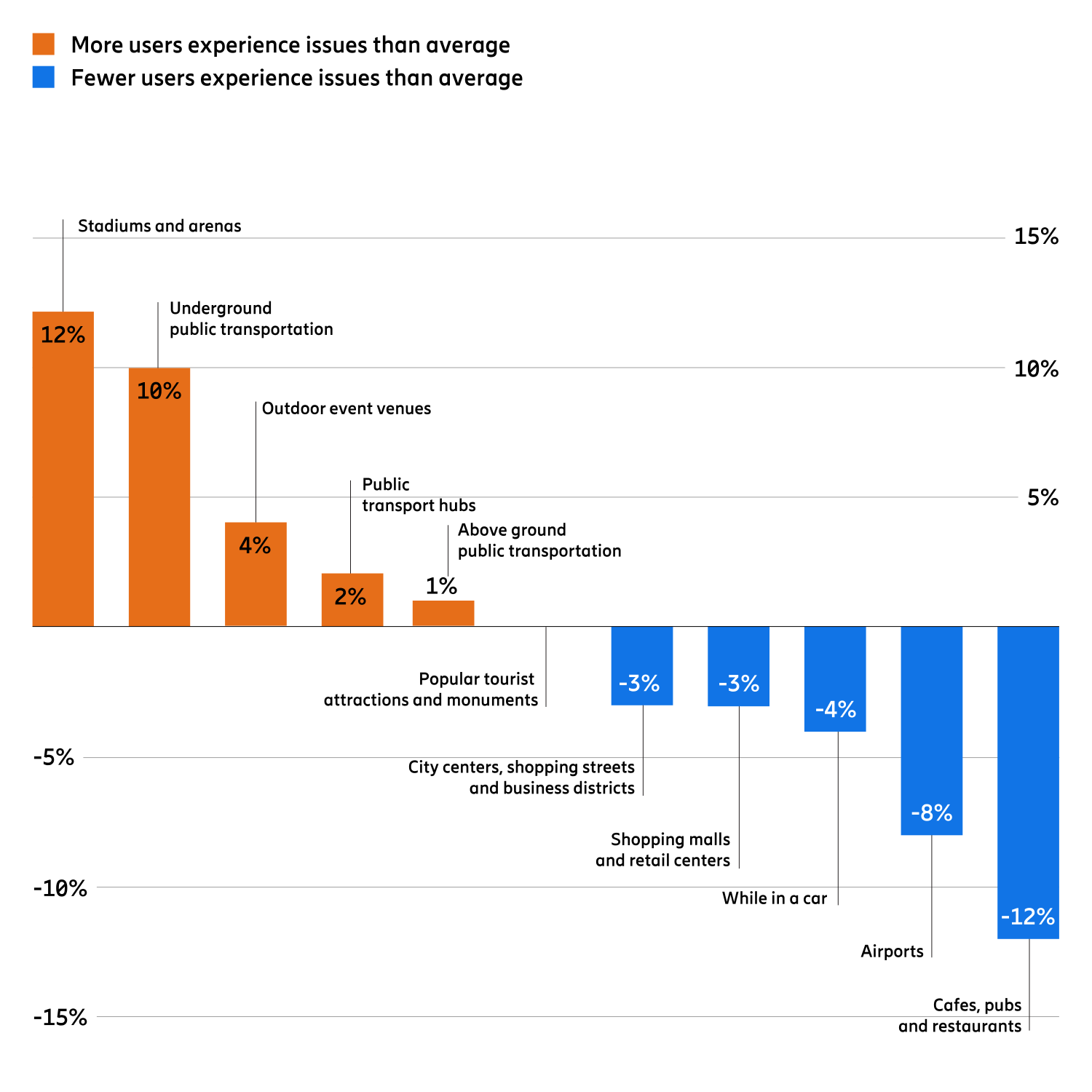

Base: 5G users in Philippines. Source: Ericsson ConsumerLab, Elevating 5G with differentiated connectivity, April 2025

Almost half of all 5G users in the Philippines are willing to pay for differentiated connectivity

Ericsson ConsumerLab research shows that 5G users in the Philippines are ready for differentiated connectivity, with 47 percent reporting that they would be open to paying for the service if it could guarantee consistent quality for essential tasks such as Viber video calls, high-definition Netflix streaming, and secure GCash payments. In fact, the share of 5G users in the Philippines who would consider paying for differentiated connectivity is higher than in most other regions around the world.
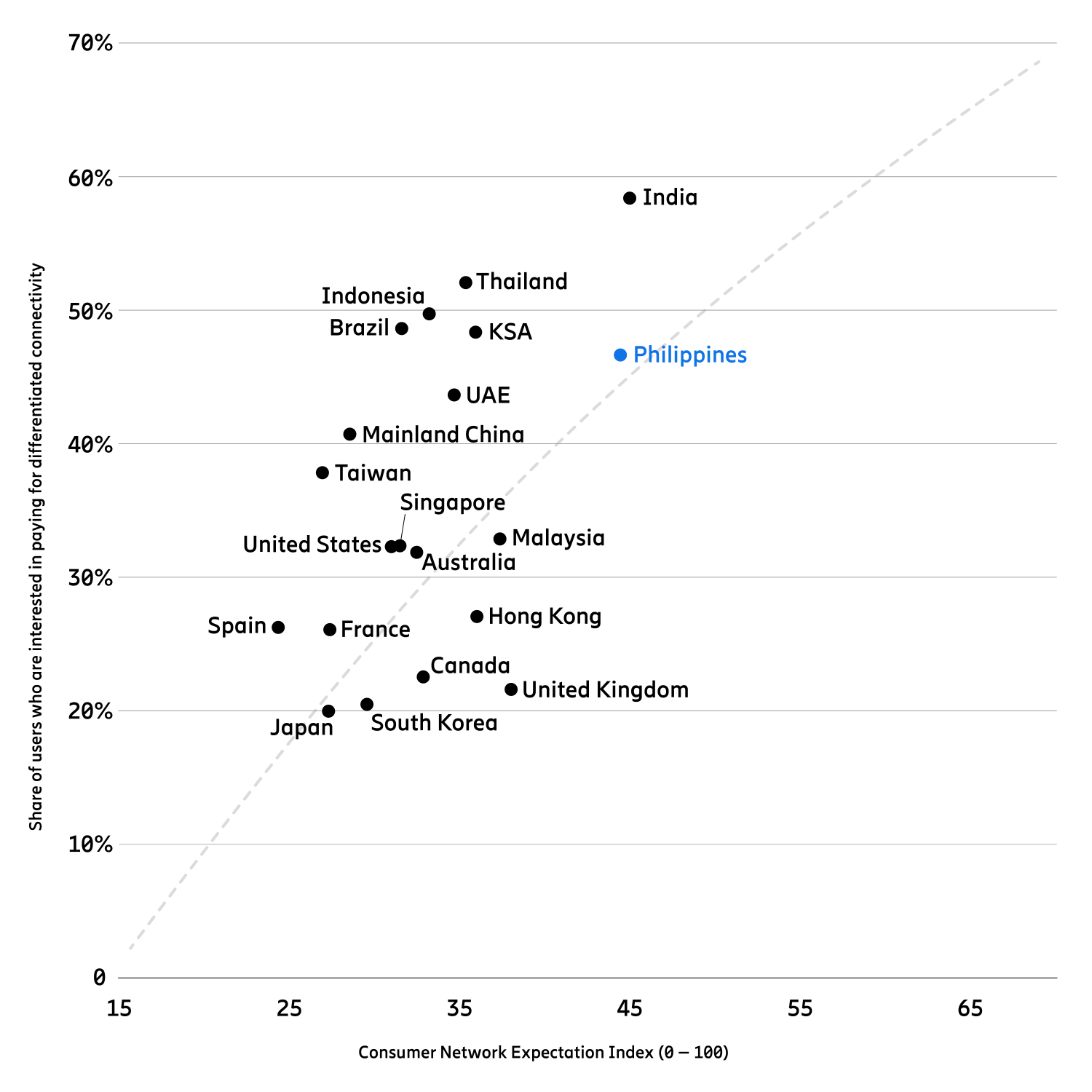
The research also reveals that one-quarter of 5G users, known as “Performance Strivers”, are actively seeking elevated connectivity for essential applications and are willing to pay for it. Meanwhile, 22 percent of 5G users, known as “Assurance Seekers”, would still prefer to pay for elevated connectivity despite being satisfied with 5G.

Developing actionable segmentation strategies is paramount for service providers looking to unlock the full revenue growth potential of 5G differentiated connectivity. These strategies should identify and target key consumer groups, such as the "Performance Strivers" and the "Assurance Seekers.”

The graph shows the willingness of 5G users in the Philippines to pay for differentiated connectivity compared to 5G users worldwide.

5G users worldwide who are interested in paying for differentiated connectivity

5G users in the Philippines are prepared to pay up to 15 percent more for performance assurance

Ericsson ConsumerLab research shows that service providers in the Philippines have a unique opportunity to capture as many as 33 percent of the 5G users who are willing to pay up to 15 percent more for performance assurance. To encourage the adoption of differentiated connectivity across the region, service providers will need to build a portfolio of elevated 5G offerings that are clear, compelling and personalized by leveraging advanced network functionalities.

For service providers looking to unlock new revenue pools in the long term, it will be essential to start exposing quality on demand (QoD) network APIs to application service providers (ASPs). This will create a marketplace for quality of service (QoS) apps with premium features that require guaranteed network performance, opening up new revenue opportunities and encouraging innovation across the Philippines, especially as technologies like generative AI (GenAI), edge computing, and immersive applications continue to evolve.

The graph below outlines the five stages of 5G revenue generation and shows that a willingness to pay 15 percent more for differentiated connectivity opens up opportunities for service providers to develop new business models.

The five stages of 5G revenue generation for service providers in the Philippines
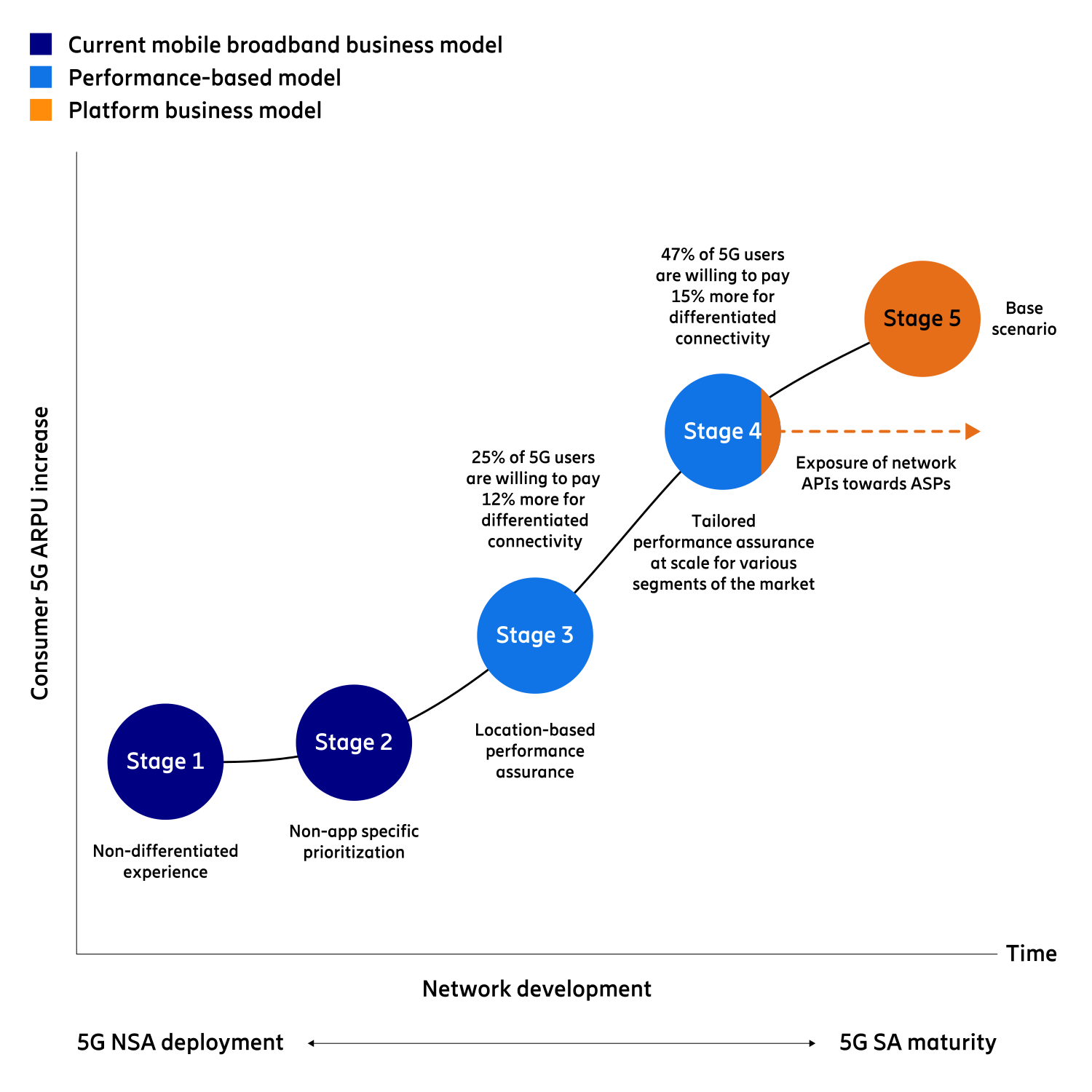

Base: 5G users in Philippines. Source: Ericsson ConsumerLab, Elevating 5G with differentiated connectivity, April 2025

Less than one-third of 5G users in the Philippines are satisfied with network performance

Ericsson ConsumerLab research shows that swift 5G adoption across the Philippines is putting significant pressure on network infrastructure, which is impacting user experiences. User satisfaction with 5G network performance fell from 36 percent in June 2023 to 31 percent in March 2025, while 4G satisfaction was also impacted, falling from 11 percent to 7 percent during the same period. These findings present a clear opportunity for service providers to improve user experiences by boosting network performance.

From Quezon City’s bustling business districts and towering condominiums to the vibrant, laid-back residential communities of Bulacan, the stark contrast in satisfaction levels across different locations also underscores the critical need for service providers to expand their network infrastructure. In March 2025, 5G users living in city centers reported 39 percent satisfaction, compared to 25 percent for those living in suburban areas and just 5 percent for those living in the outskirts of a city.

The graphs illustrate 5G and 4G satisfaction scores over the years in the Philippines and highlight how network performance satisfaction levels differ for users depending on where they live.

5G/4G user satisfaction scores in the Philippines by year (June 2023 and March 2025) and 5G/4G user satisfaction scores in the Philippines by residential location
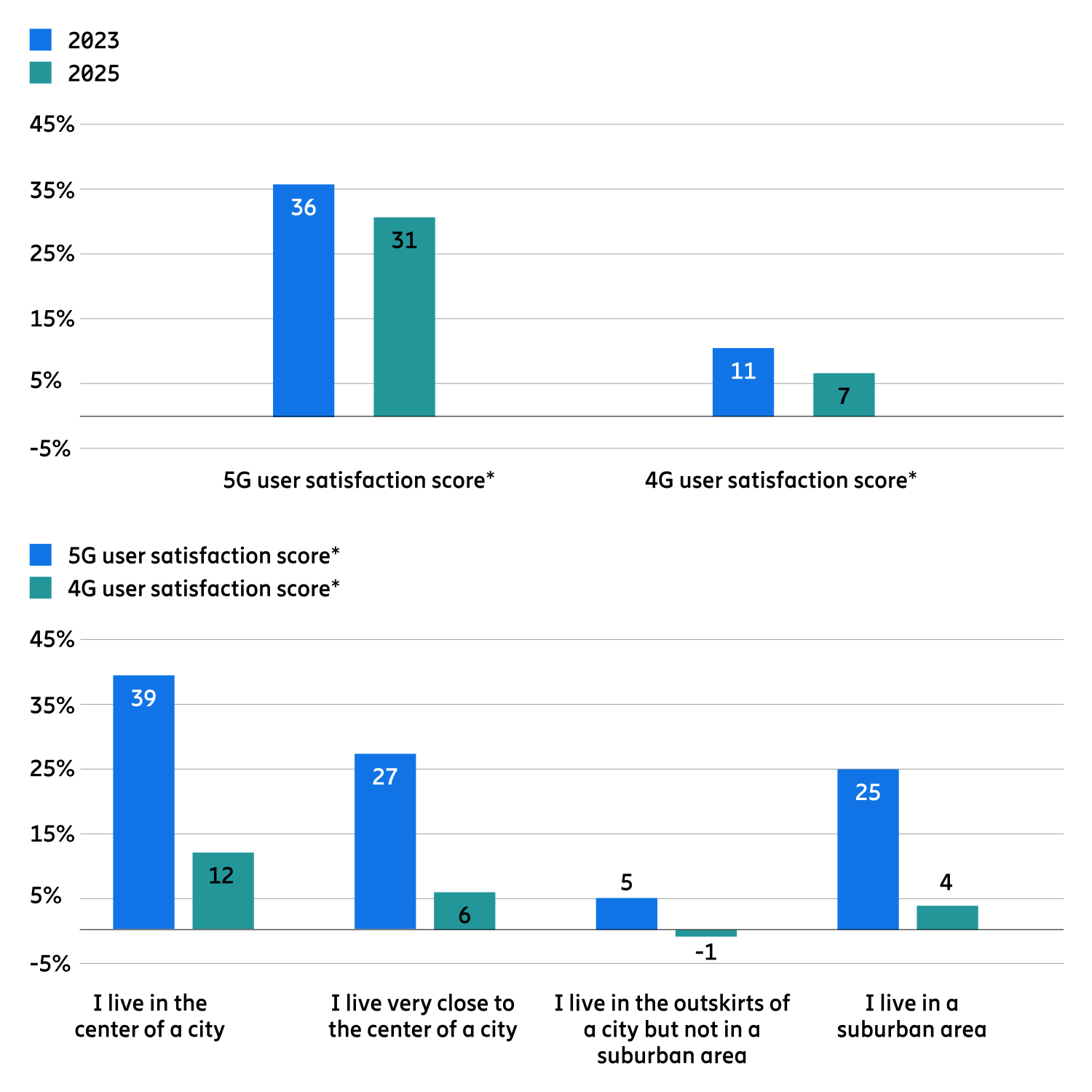

*Satisfaction score: The difference between the proportion of responders who are very satisfied (top two score) and those who are not satisfied (scores 0 to 6). Base: Smartphone users aged 15-69 in the Philippines. Source: Ericsson ConsumerLab, Elevating 5G with differentiated connectivity, April 2025

Subscribe to ConsumerLab reports

Ericsson ConsumerLab has more than 20 years’ experience in studying people’s behaviors and values, and provides unique insights into market and consumer trends.

Subscribe to reports