
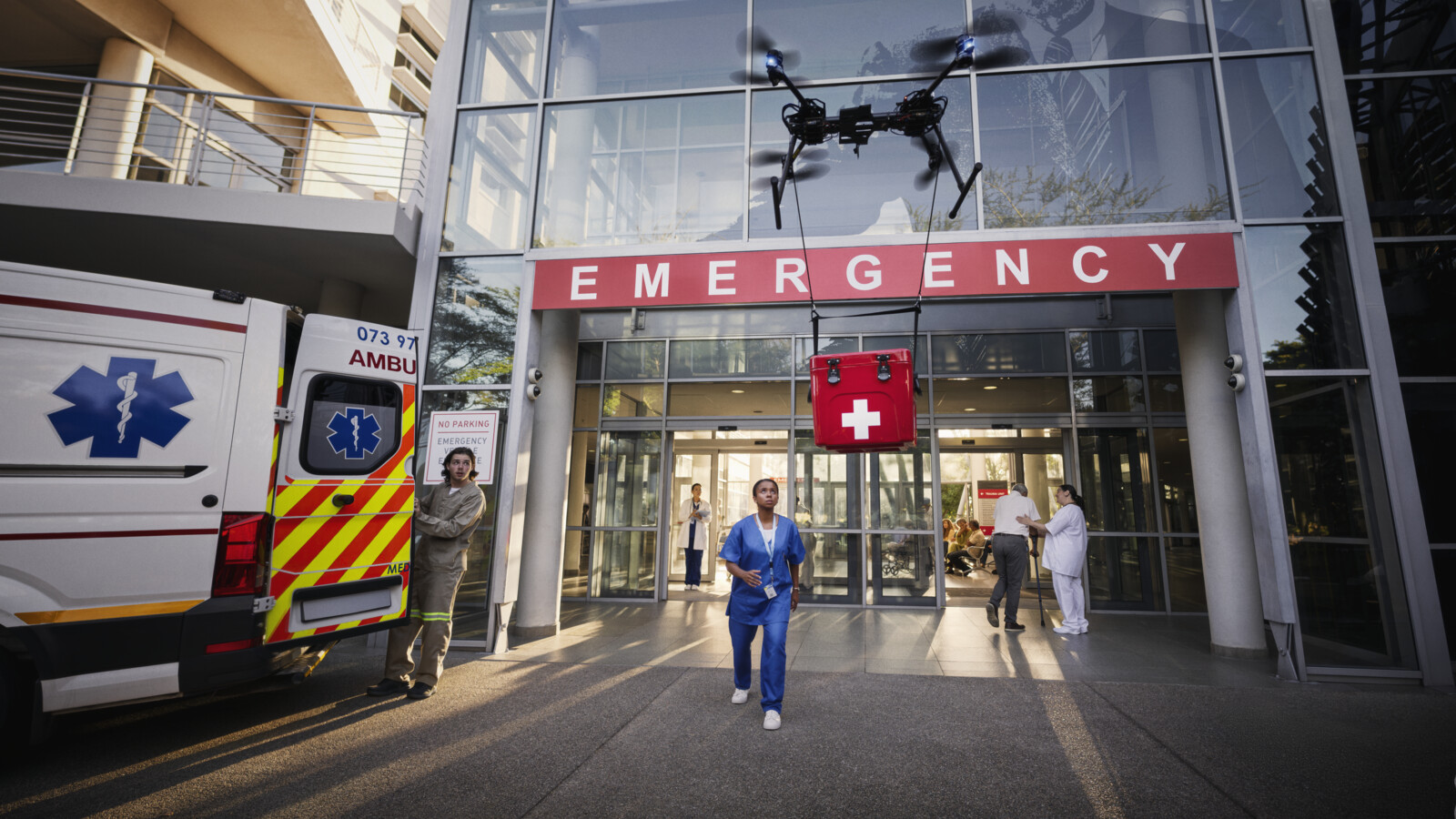









Singaporeans demand more from their 5G networks
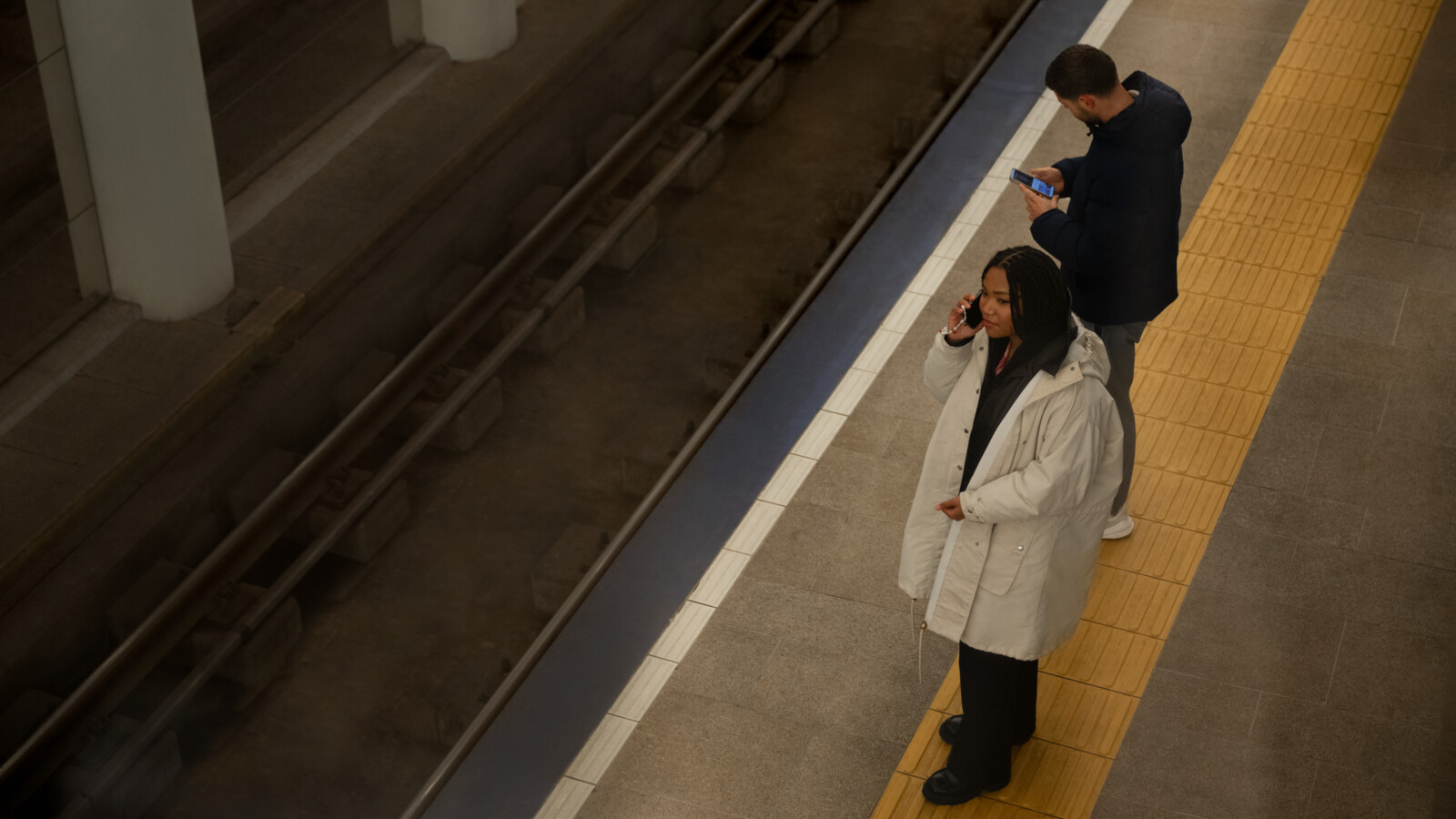
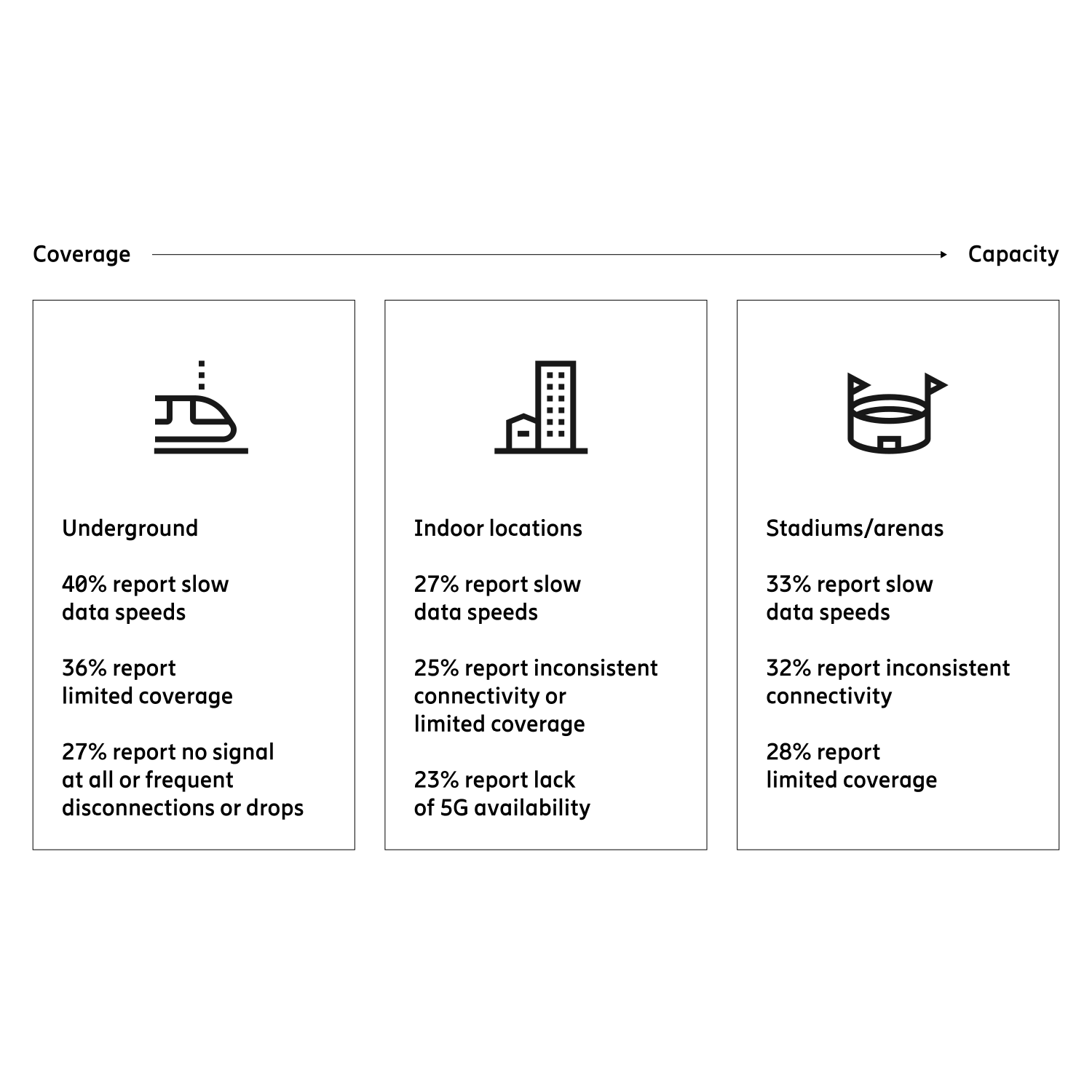
At times, 5G users in Singapore are frustrated by connectivity issues in underground or crowded locations such as the Mass Rapid Transit (MRT) system or at large shopping malls. They want guaranteed network performance, but how much are they willing to pay for it?
5G differentiated connectivity
In mid-2024, Ericsson ConsumerLab surveyed 1,700 Singaporeans, including 1,300 active 5G users (statistically representing over 3 million 5G users), to explore consumer perception of 5G. This provided valuable insights around network performance satisfaction, emerging consumer expectations, and the revenue potential of differentiated connectivity for communications service providers.
Despite being recognized as one of the most technologically advanced countries in the world, 50 percent of Singaporean 5G users still sometimes express frustration at connectivity issues in high-traffic locations, such as when creating and uploading content from Universal Studios on Sentosa Island, or when making digital payments in Chinatown. As consumers become less likely to accept best-effort 5G performance, the demand for differentiated connectivity – and the benefits that it brings – is rising.
Key findings
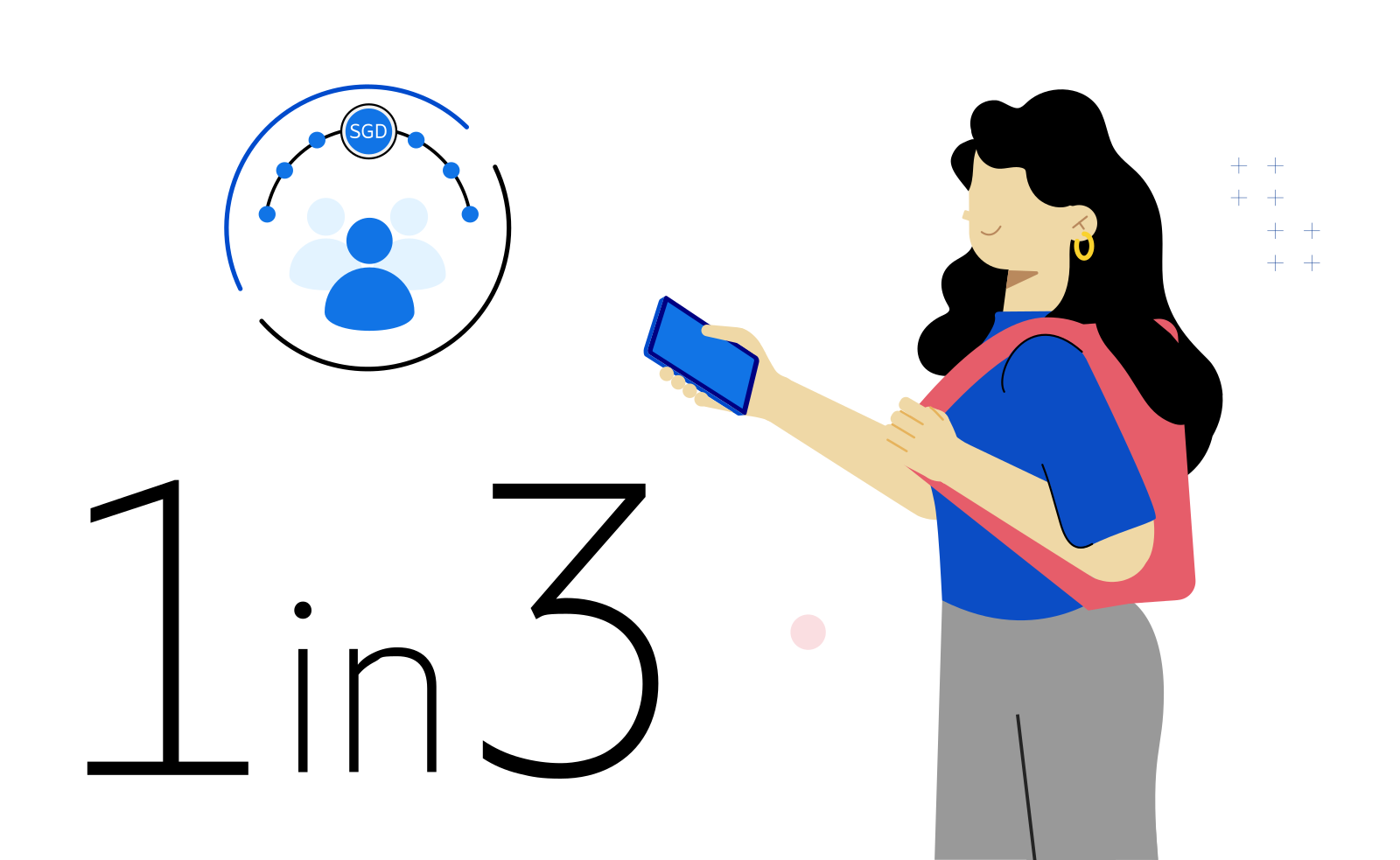
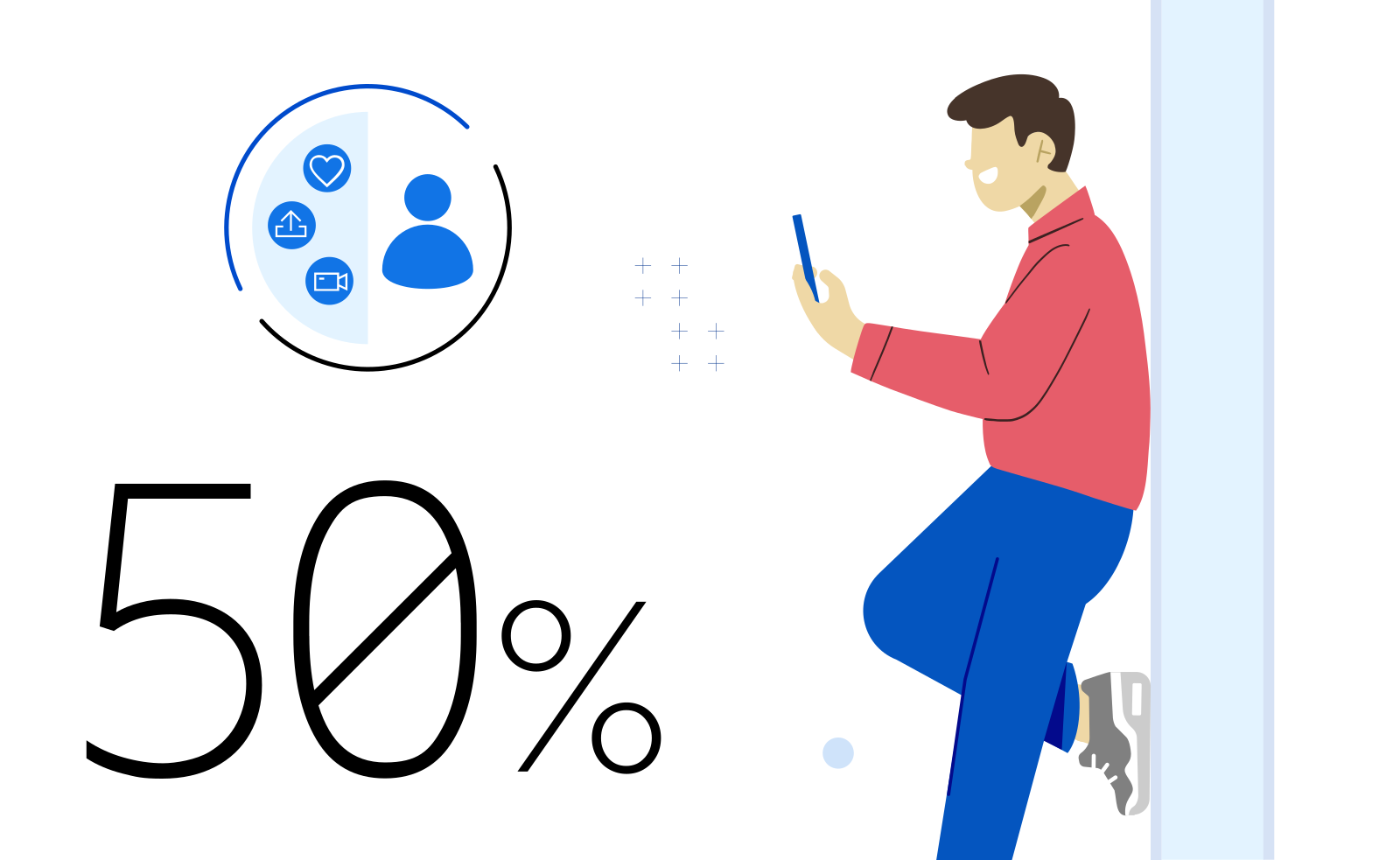
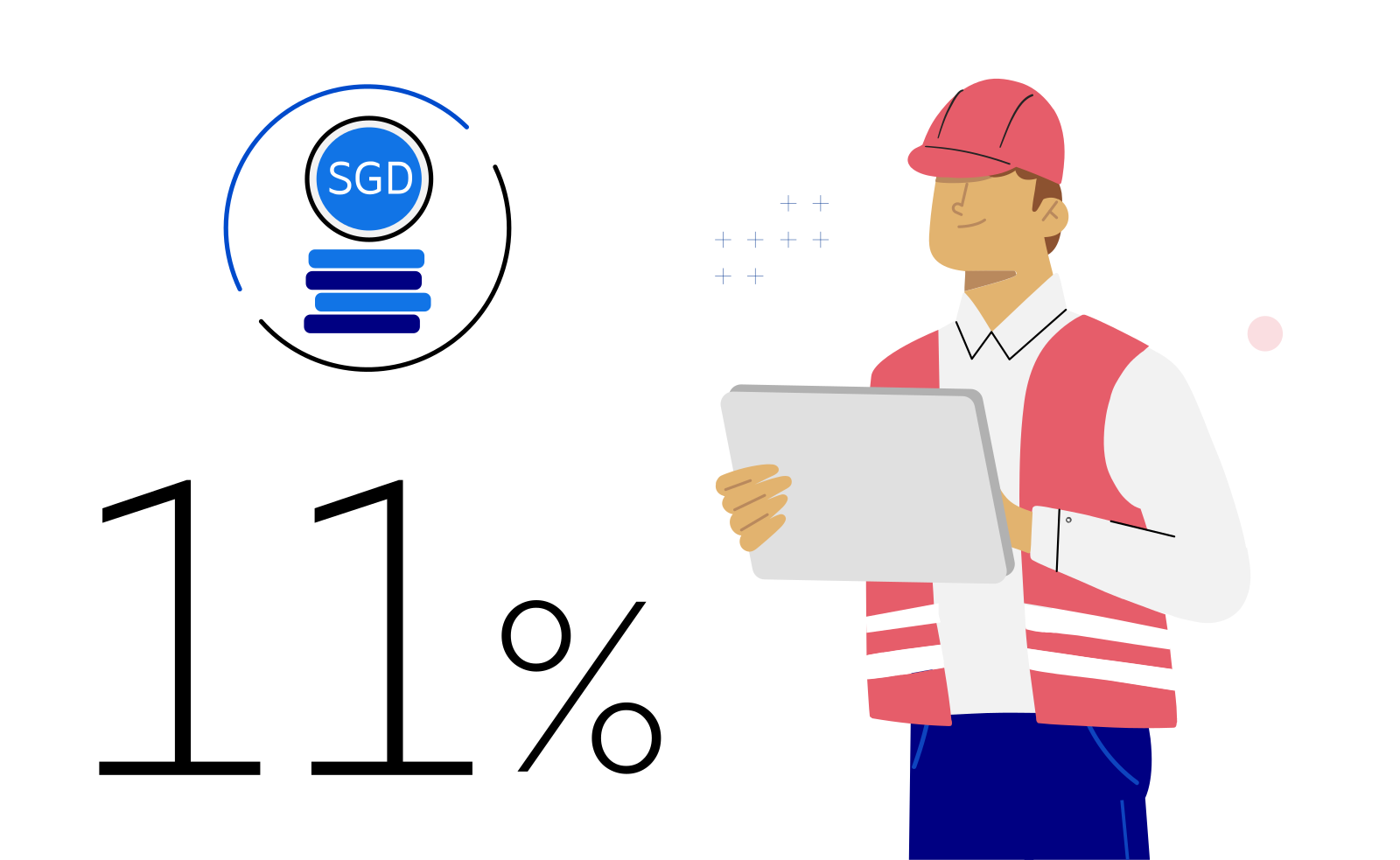
Key figures
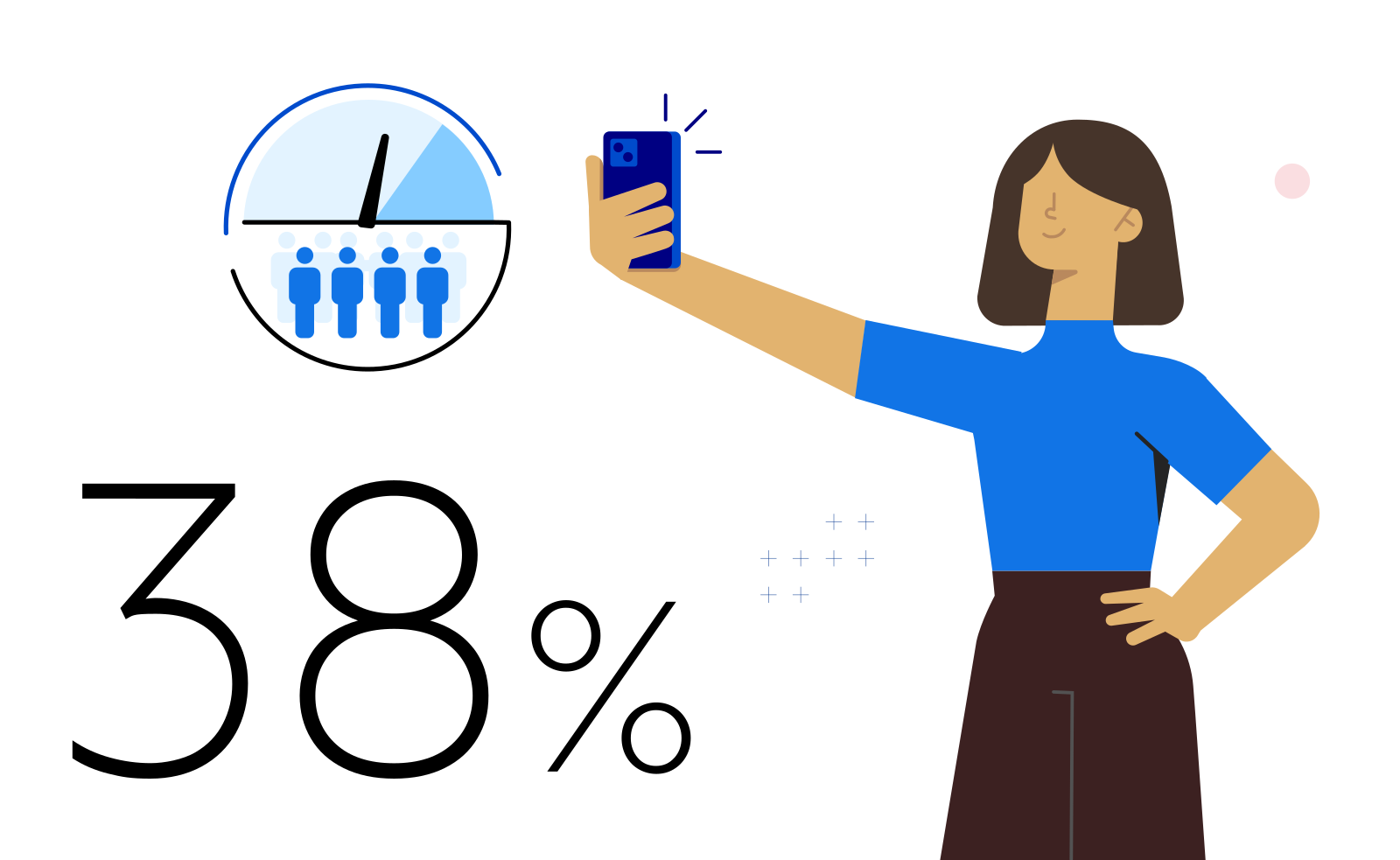
Take a closer look at key figures from Ericsson ConsumerLab research to discover more about unlocking 5G revenue growth through differentiated connectivity in Singapore.
Methodology
The ConsumerLab study examines the evolving landscape of mobile connectivity in Singapore, highlighting how service providers can move beyond traditional models to deliver high-performance, personalized network experiences and unlock 5G revenue growth.
Between June and July 2024, Ericsson ConsumerLab surveyed more than 1,700 smartphone users in the country, including 1,300 active 5G users. The research focused on three primary areas: user satisfaction with 5G network performance, emerging expectations driven by application behavior, and consumer willingness to pay for differentiated connectivity.
The survey findings statistically represent insights from over 4 million consumers in Singapore, which includes more than 3 million 5G users.

5G users in Singapore who experience network issues across different locations
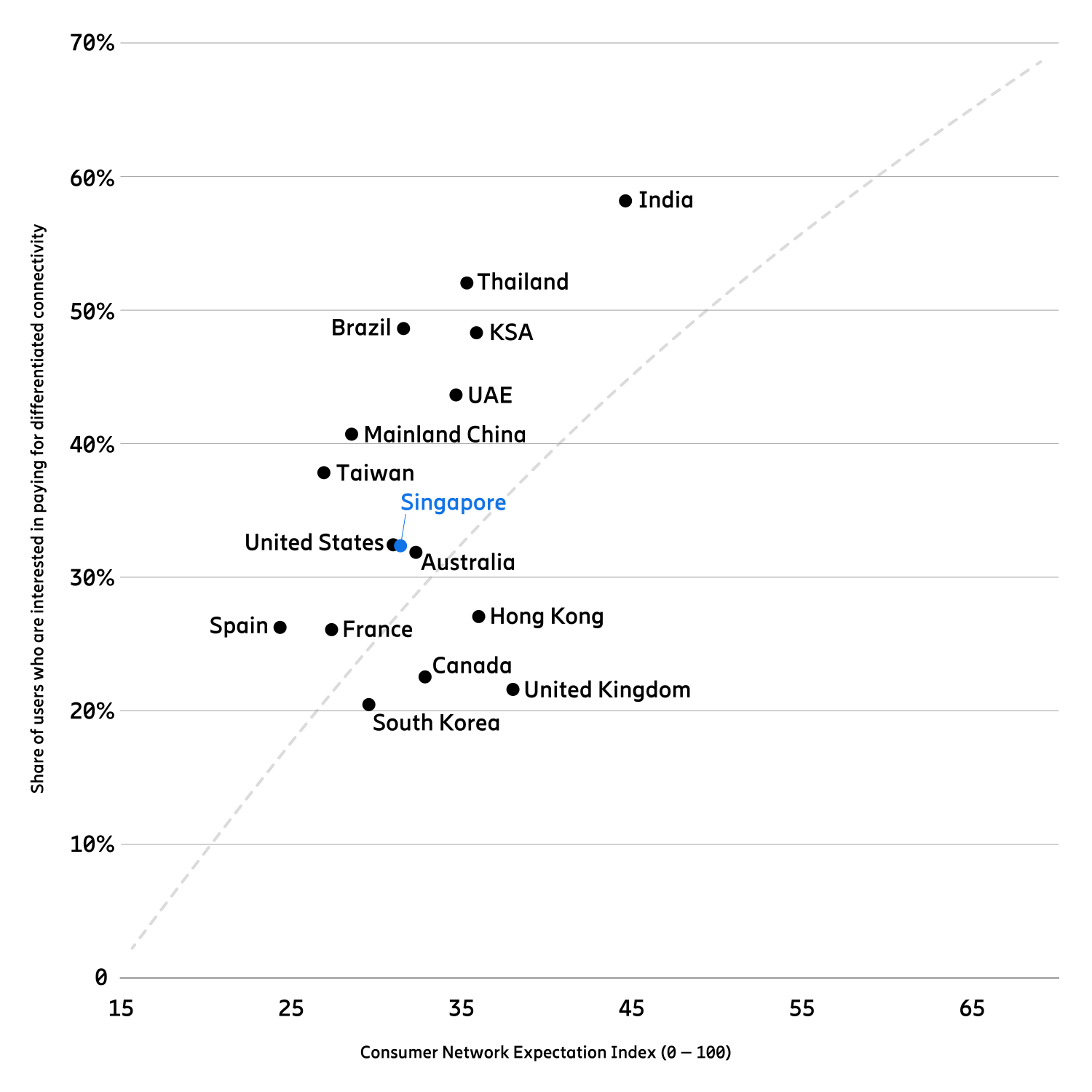
5G users worldwide who are interested in paying for differentiated connectivity
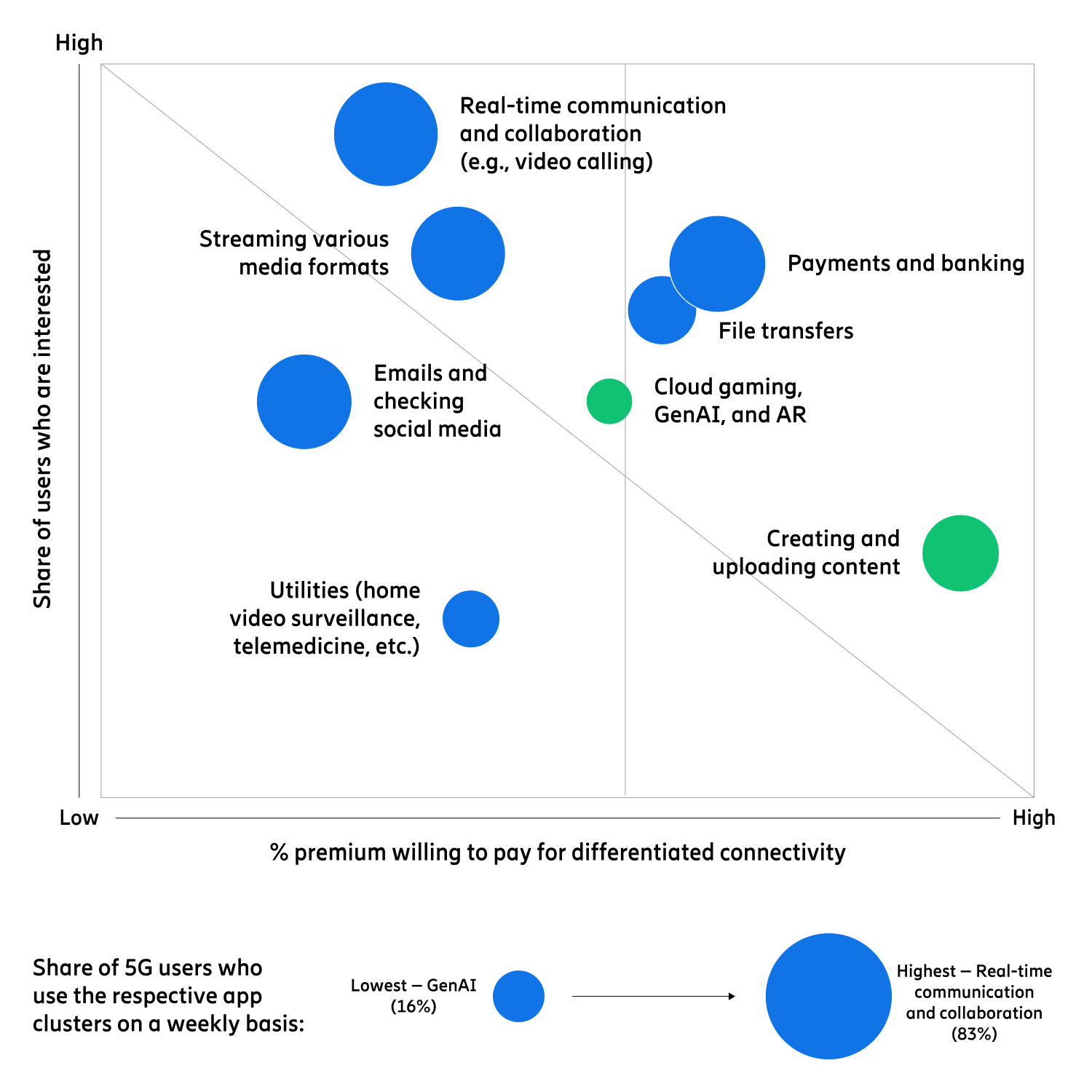
5G user interest vs. premiums 5G users would pay for differentiated connectivity in Singapore across app types
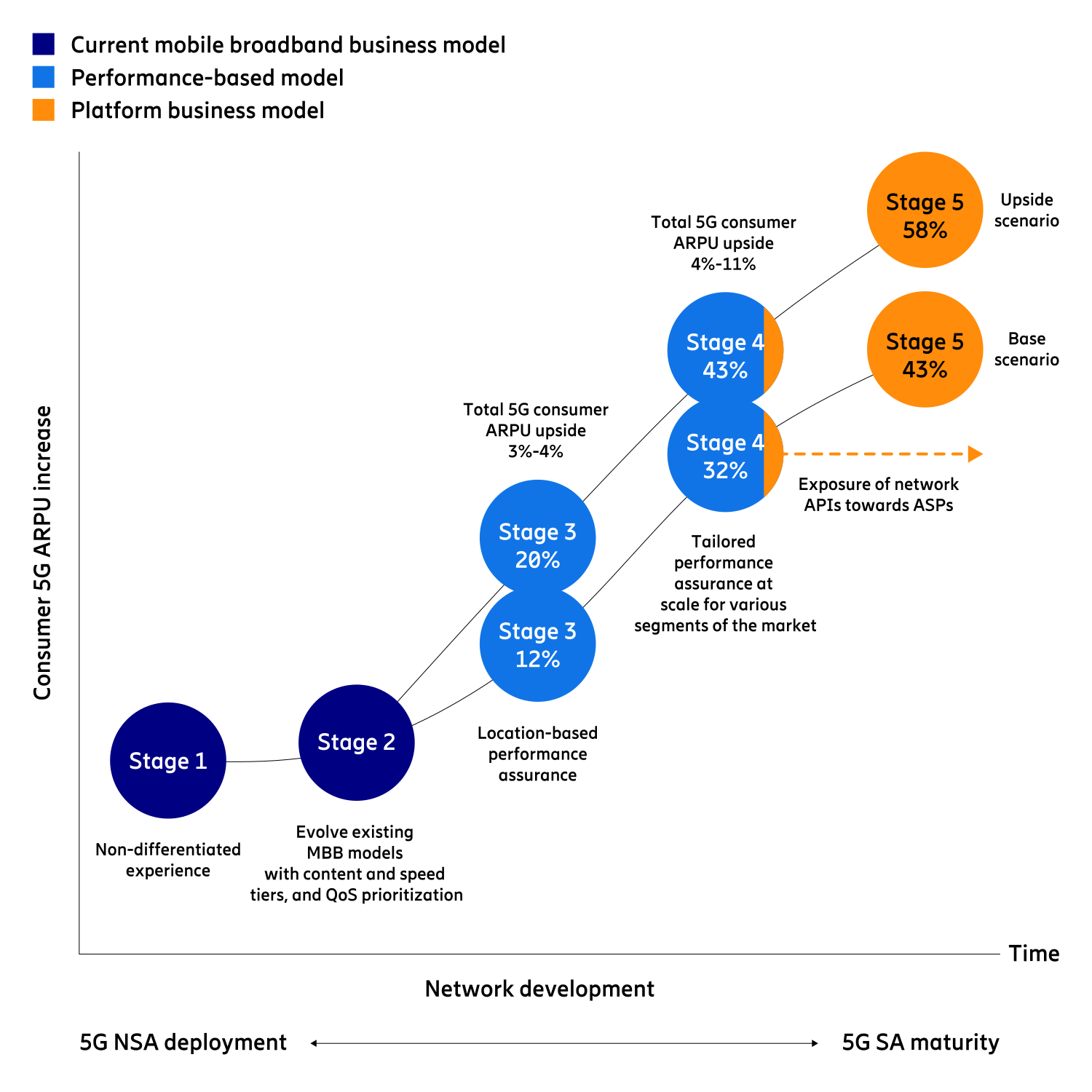
The five stages of 5G revenue growth for service providers in Singapore