Skip navigation
Elevating 5G with differentiated connectivity in Thailand

Elevating 5G with differentiated connectivity in Thailand

Meet consumer expectations with improved network experiences

Ericsson ConsumerLab research shows that while overall 5G satisfaction in Thailand has increased, half of all 5G users experience connectivity problems at locations prone to capacity issues – such as Bangkok’s Rajamangala National Stadium or Chatuchak Weekend Market – and see performance assurance as a potential solution.

Report

5G differentiated connectivity

Between June and July 2024, Ericsson ConsumerLab surveyed more than 1,200 Thai consumers, including 950 active 5G users, to assess consumer perceptions of 5G in the country. This research provided valuable insights into network performance satisfaction, emerging consumer expectations driven by application behavior, and the revenue potential of differentiated connectivity for communications service providers.

Dependable connectivity at high-traffic locations is key to consumer satisfaction, especially as Thailand’s bustling cities, beautiful beaches, and vibrant culture attract over 30 million international visitors annually. Whether browsing the seven floors of the MBK Center in Bangkok or planning a temple visit in Chiang Mai, consumers want reliability and are willing to pay for performance assurance from differentiated connectivity.

A woman talking on the phone on the street

Key findings

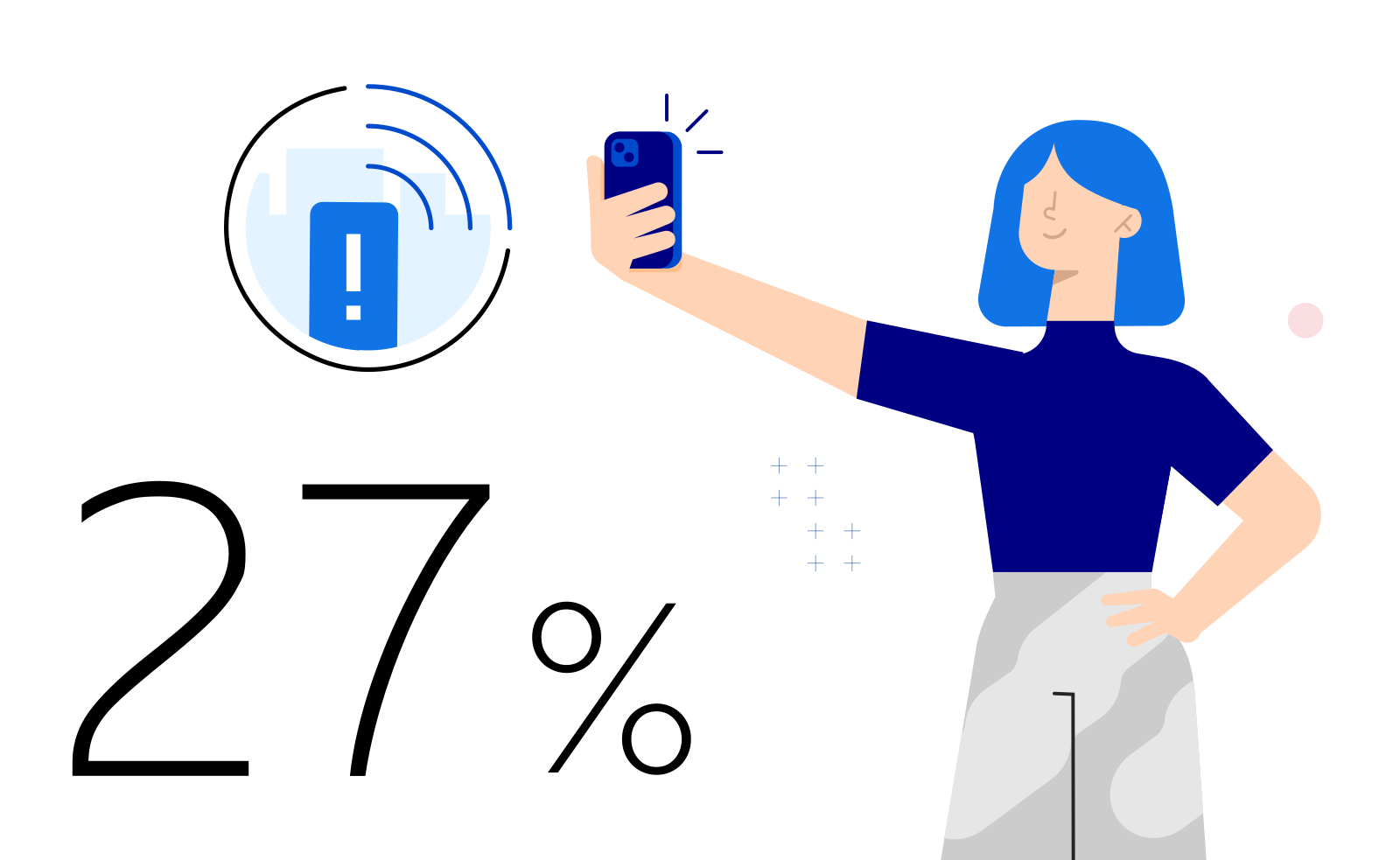
While overall 5G satisfaction is increasing, 27 percent of Thai users still face network issues at two or more locations

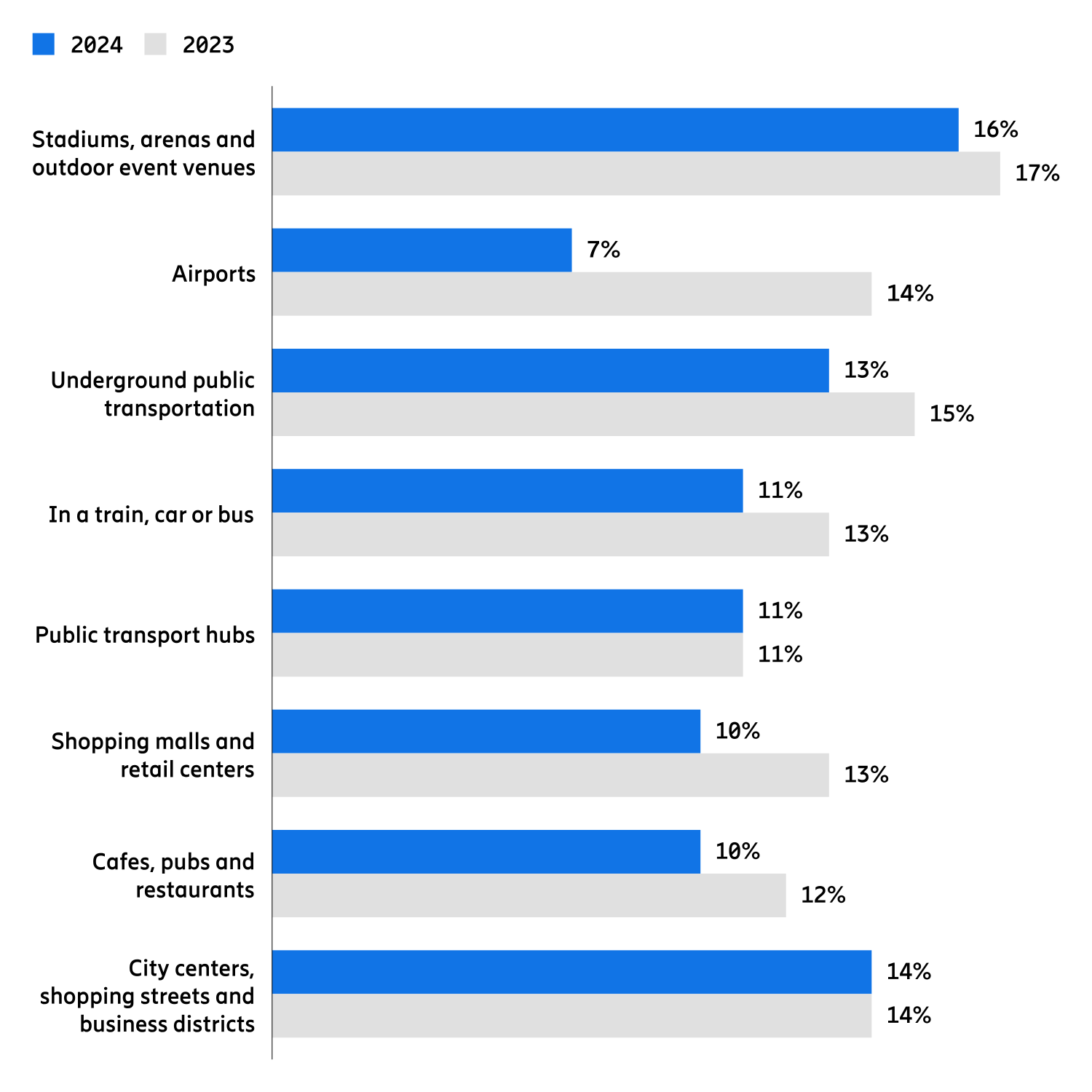
Although Thai consumers’ satisfaction with 5G has increased overall, 27 percent of users still face connectivity problems at two or more locations that are prone to capacity issues, such as tourist attractions, stadiums, and public transport hubs.

Find out more

Around 10 million Thai 5G users are likely to be the first to adopt and pay for differentiated connectivity

Around 10 million Thai 5G users are likely to lead the way when it comes to adopting – and paying for – differentiated connectivity, enabling them to benefit from seamless connectivity and improved network experiences. 

Find out more

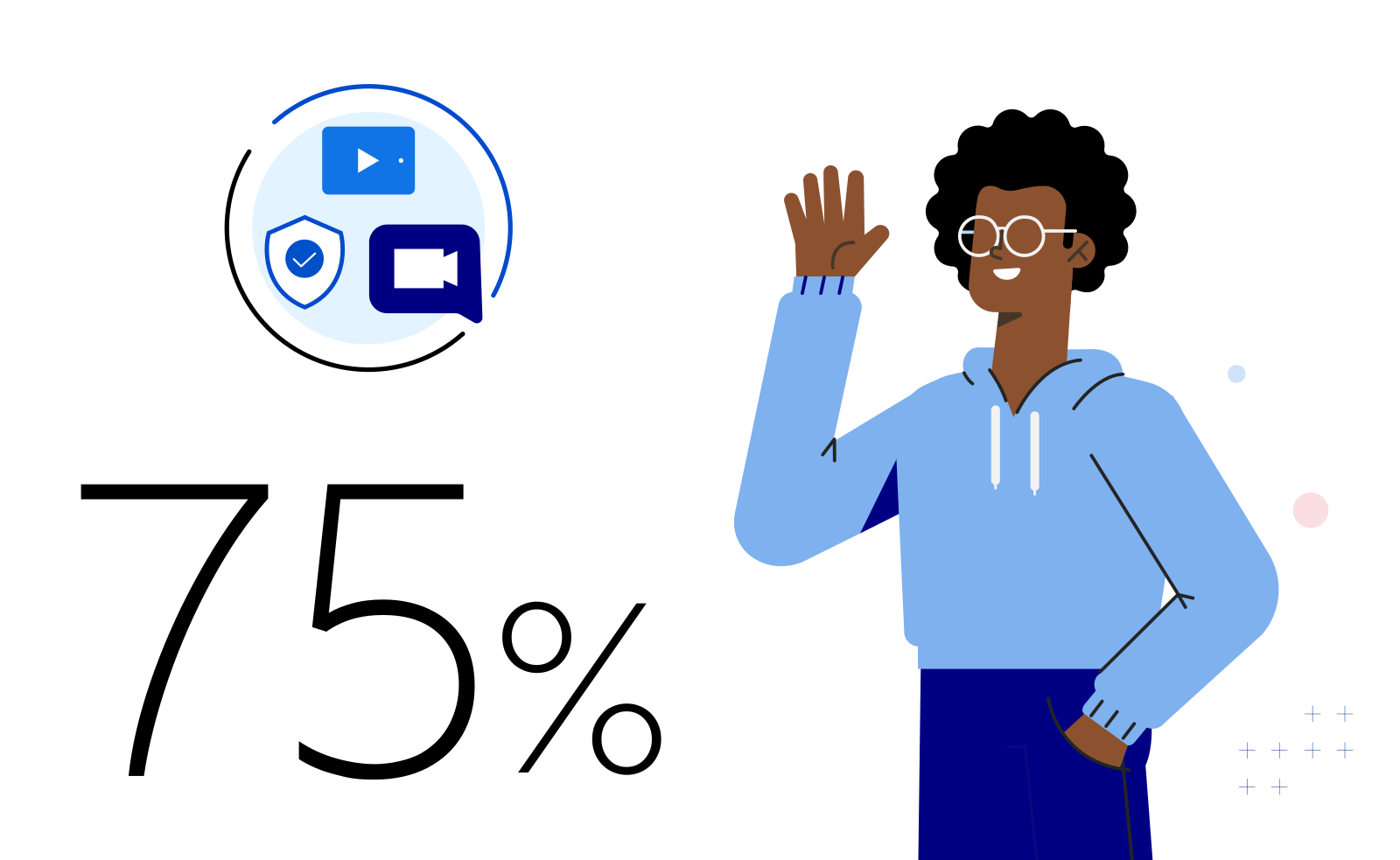
Three-quarters of 5G users in Thailand use video calling, video streaming, and secure online payment apps weekly

In Thailand, 75 percent of 5G users use video calling, video streaming, and secure online payment apps on a weekly basis. Identifying what apps consumers are using and what they expect from their network is key to increasing average revenue per user (ARPU).

Find out more

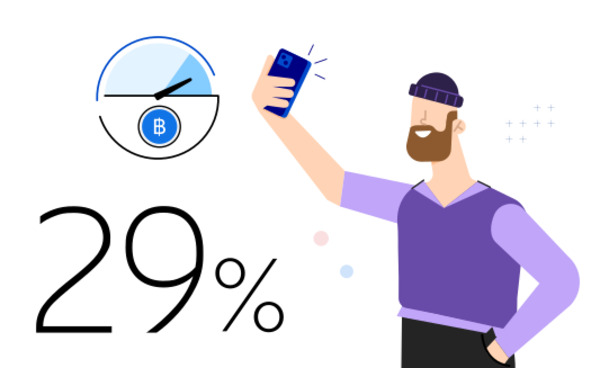
Tailoring performance assurance at scale for various segments of the Thai market can provide an increase in consumer ARPU of 13–29 percent

Service providers can unlock 5G revenue growth by understanding consumer demand. Research shows that tailoring performance assurance at scale for various segments of the Thai market can provide an increase in ARPU of between 13 and 29 percent. 

Find out more

Key figures

Take a closer look at key figures from Ericsson ConsumerLab research to discover more about the demand for performance assurance among Thai 5G users and how service providers can unlock 5G revenue growth. 

31.00 %
Despite being reasonably satisfied with 5G, 31 percent of users in Thailand would still prefer to pay a premium for elevated connectivity.
40.00 %
Two-fifths of Thai 5G users report inconsistent connections indoors.
37.00 %
In Thailand, 37 percent of 5G users experience slow data speeds in stadiums, impacting their experience when attending an event.

Methodology

This ConsumerLab study examines consumer perceptions of mobile connectivity in Thailand, highlighting how service providers can move beyond traditional models to deliver high-performance, personalized network experiences. 

Between June and July 2024, Ericsson ConsumerLab surveyed 1,200 smartphone users across Thailand, of which 950 were active 5G users. The research focused on three primary areas: user satisfaction with 5G network performance, emerging expectations driven by application behavior, and consumer willingness to pay for differentiated connectivity.

The survey findings statistically represent insights from over 23 million Thai consumers, which includes some 10 million 5G users.


Man and woman taking selfie from rooftop

Have you downloaded your report?

Read the full global report to explore what consumers around the world expect from their networks when it comes to differentiated connectivity and discover the unique opportunities for service providers.

Get my copy

While overall 5G satisfaction is increasing, 27 percent of Thai users still face network issues at two or more locations

Ericsson ConsumerLab research reveals that Thai consumers’ overall satisfaction with 5G is increasing; however, over one-quarter of users still face connectivity problems at two or more high-traffic locations. From inconsistent connections in and around the tourist resorts of Phuket and slow data speeds at Bangkok’s Grand Palace, to limited coverage and a lack of 5G availability in the Northeastern regions, Thai consumers are increasingly demanding more consistency from their 5G networks, regardless of their location.

These findings highlight a significant opportunity for service providers in Thailand to boost 5G performance and deliver elevated user experiences through differentiated connectivity. By enhancing 5G infrastructure, even in geographical locations where communication services have historically been poor, service providers will be able to improve network access and experiences for their users, unlocking new avenues for 5G revenue growth and having a positive impact on their net promoter scores (NPS).

5G users in Thailand who frequently experience network issues across different locations by year
5G differentiated connectivity in Thailand

Base: 5G users aged 15-69. Source: Ericsson ConsumerLab, Elevating 5G with differentiated connectivity, 2024

Around 10 million Thai 5G users are likely to be the first to adopt and pay for differentiated connectivity

Ericsson ConsumerLab research reveals that around 10 million Thai 5G users are likely to be among the first to both adopt and pay for differentiated connectivity. From Chiang Rai in the north to Yala in the south, Thai users want – and need – reliable connectivity for their apps.

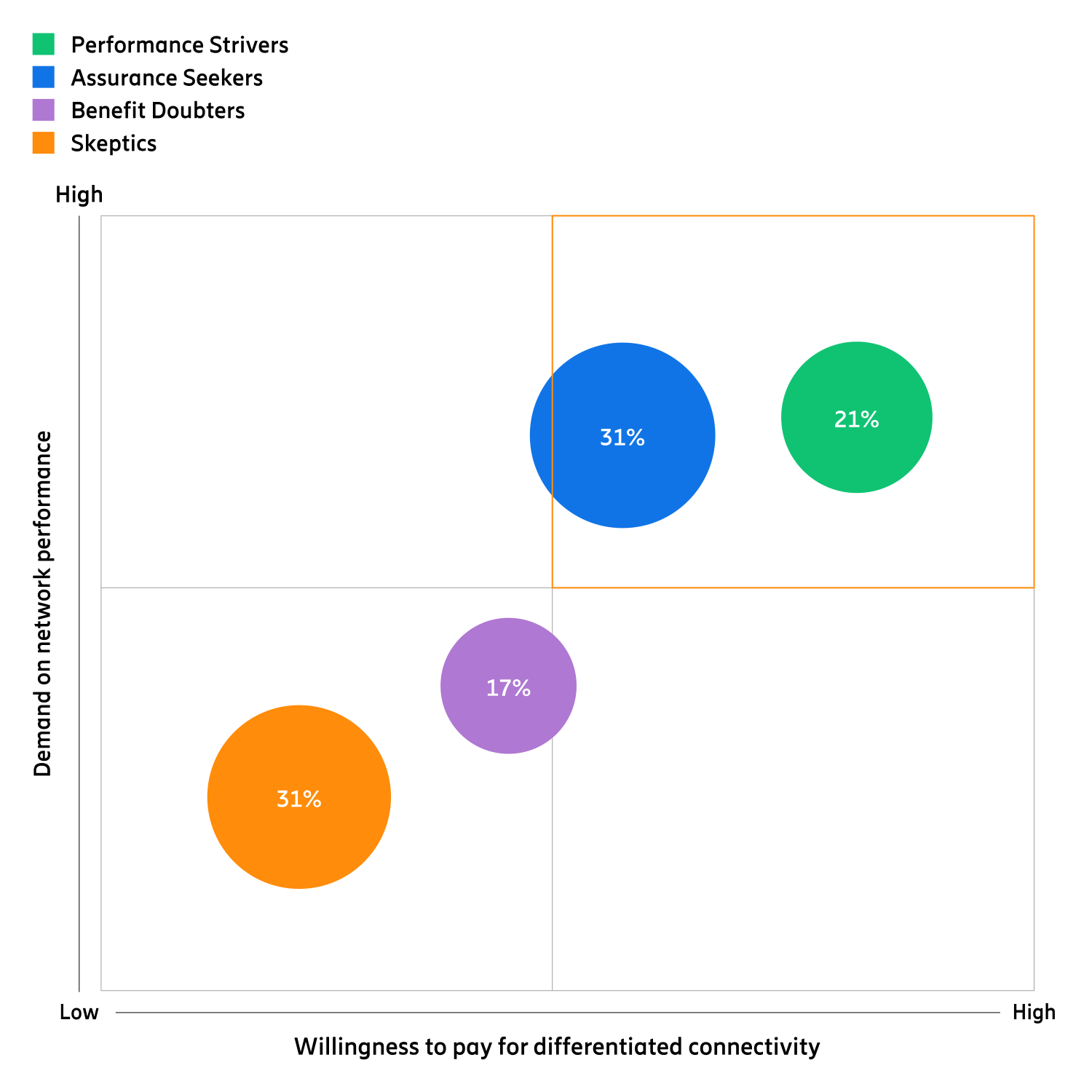
Whether streaming the latest shows on Viu or Netflix, video calling friends and family on LINE or WhatsApp, or using PromptPay or TrueMoney to make secure mobile payments, 21 percent of 5G users are actively seeking better connectivity and are willing to pay for it. Another 31 percent would still prefer to pay for enhanced connectivity despite being satisfied with current 5G service levels. The key factor linking these two groups is having high demands on network performance.

The graph illustrates the willingness of Thai consumers to adopt and pay for differentiated connectivity.

Thai 5G user segments: Willingness to pay for differentiated connectivity vs. network performance demand

Three-quarters of 5G users in Thailand use video calling, video streaming, and secure online payment apps weekly

Ericsson ConsumerLab research identifies key opportunities for service providers in Thailand to increase 5G consumer ARPU by providing network performance assurance, enabled by 5G standalone (SA) and network slicing.

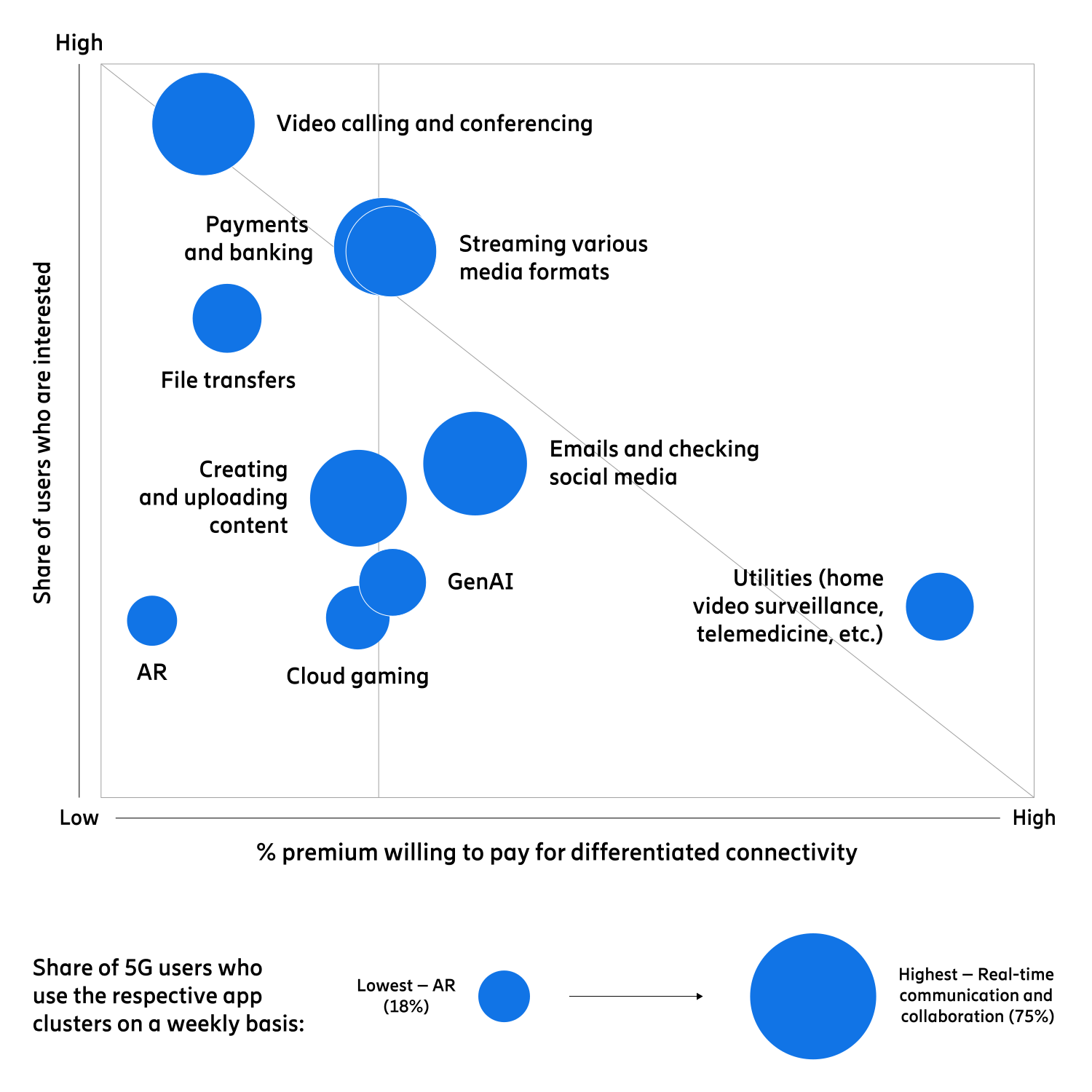
Imagine a 5G user trying to video call a friend via LINE and suffering from high latency, or experiencing connectivity issues while trying to buy refreshments with TrueMoney at a stadium’s concession stand. These experiences are all situations where users would benefit greatly from guaranteed connectivity. And with 75 percent of Thai 5G users using video calling, video streaming, and secure online payment apps weekly, these connectivity challenges are only too common, presenting a unique opportunity for service providers in Thailand to transition towards differentiated connectivity offerings.

The graph illustrates the interest among 5G users in Thailand for differentiated connectivity and the premiums they would be willing to pay for performance assurance across established and latency-sensitive applications.

5G user interest vs. premiums 5G users would pay for differentiated connectivity in Thailand across app types

Tailoring performance assurance at scale for various segments of the Thai market can provide an increase in consumer ARPU of 13–29 percent

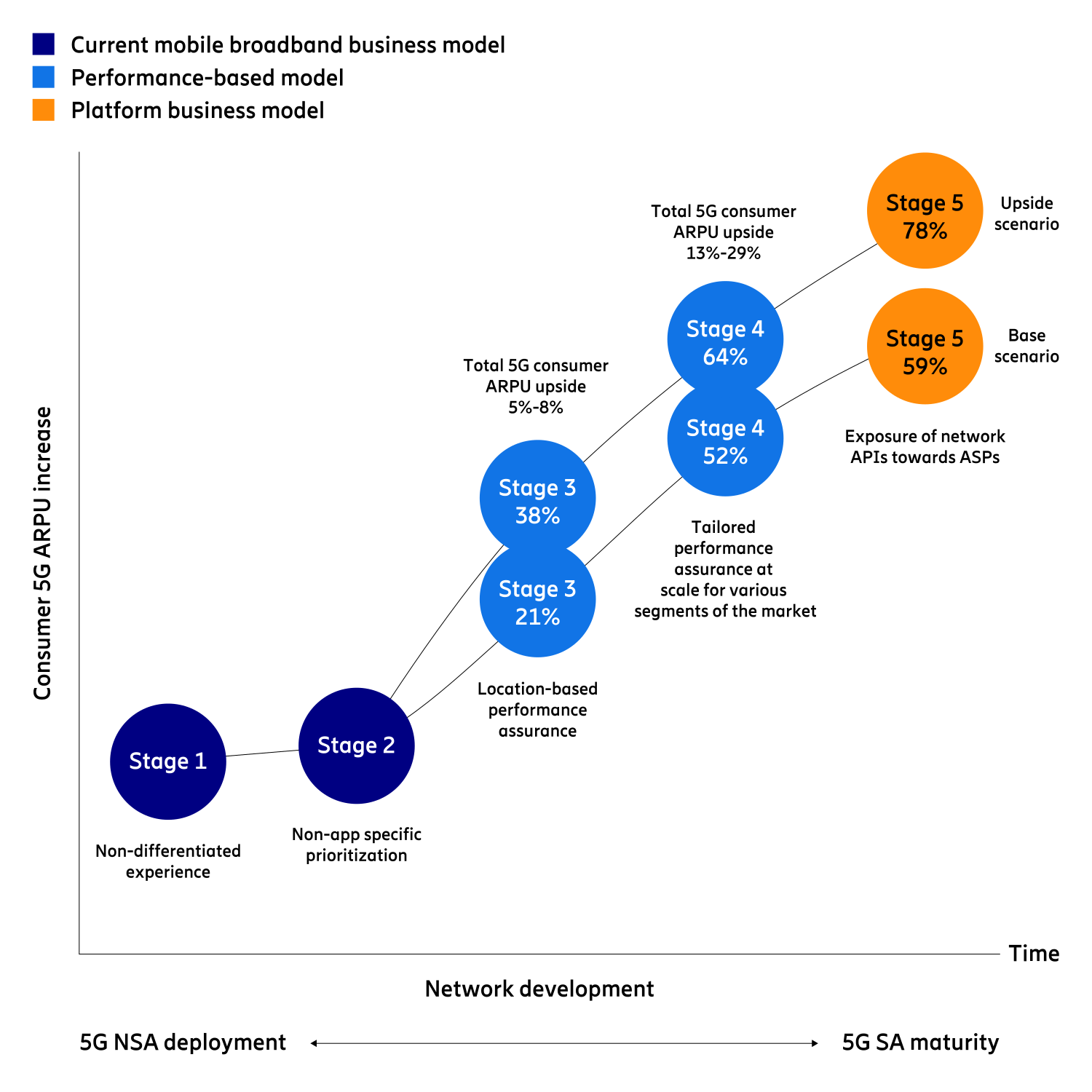
Ericsson ConsumerLab research shows that by targeting consumers who value network reliability and guaranteed service over best-effort mobile broadband access, service providers in Thailand can capture 5G’s full revenue potential. This will be achieved by transitioning from standard 5G services to differentiated connectivity through five non-sequential stages.

In Stage 3, service providers who transition to 5G SA networks and offer performance-based services – such as location-based performance assurance and guaranteed speed tier FWA using network slicing – could expect to see ARPU increases of between 5 and 8 percent. By Stage 4, deploying tailored performance assurance for various market segments at scale could yield an ARPU upside of between 13 and 29 percent, highlighting opportunities for service providers to grow their 5G revenue. 

The graph shows the five stages of 5G revenue growth and the potential ARPU increase relative to network development. 

The five stages of 5G revenue growth for service providers in Thailand
Subscribe to ConsumerLab reports

Ericsson ConsumerLab has more than 20 years’ experience in studying people’s behaviors and values, and provides unique insights into market and consumer trends.

Subscribe to reports