











Charting the course to Ports 4.0
There are around 2,000 ports in the world, and they’re vital for a well-functioning global economy. The shipping industry has experienced significant growth, but to accommodate future traffic, ports will need to become more efficient and automated.
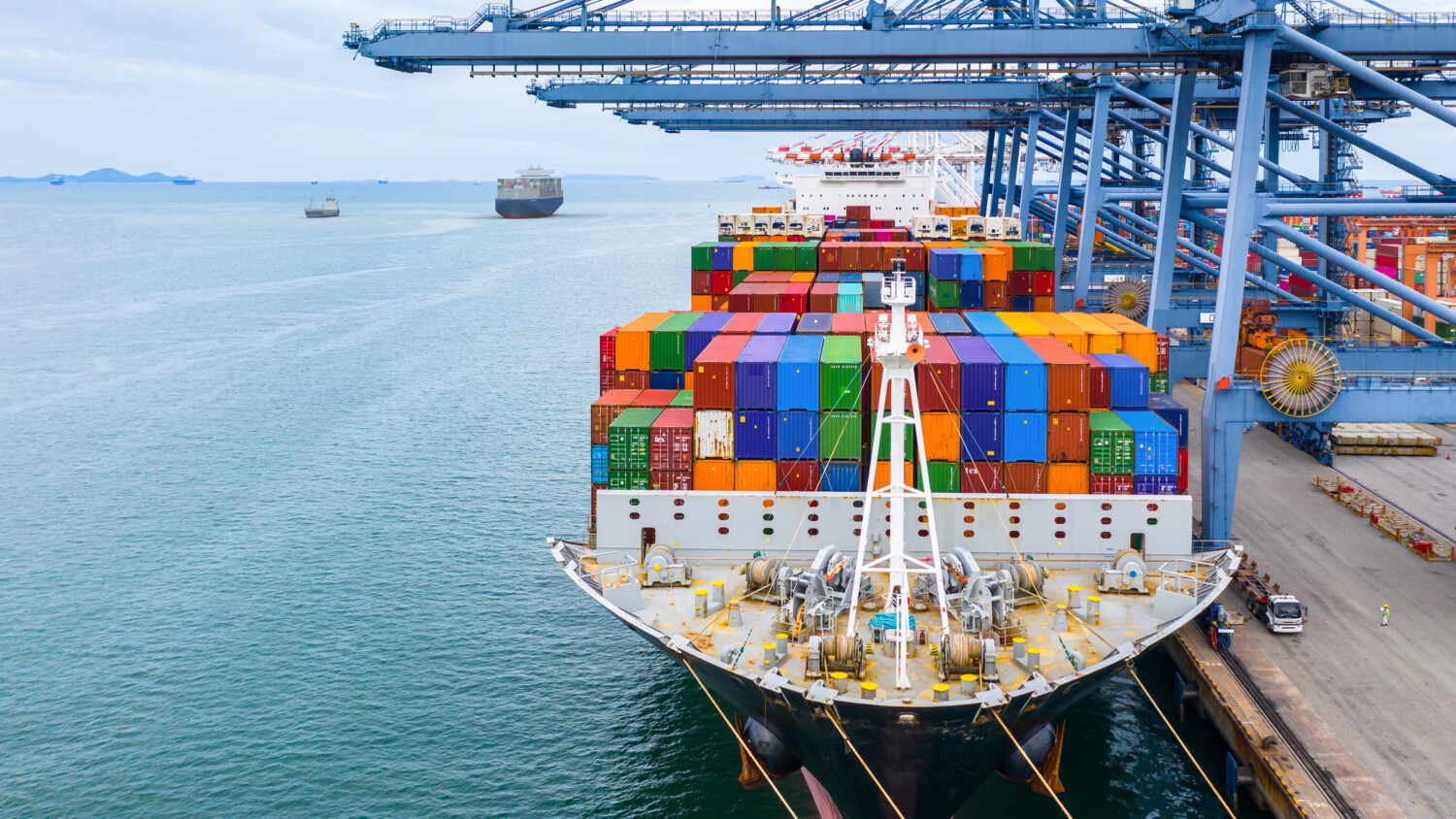
Navigating stormy waters
If ports are destined to progress into a more connected world, there are several challenges they must overcome first. Increasing populations and economic development places greater pressure on ports to be more efficient and sustainable to keep up with growing consumer and industrial demands. Ports must also continue to maintain high levels of worker safety as they introduce new technologies and processes.
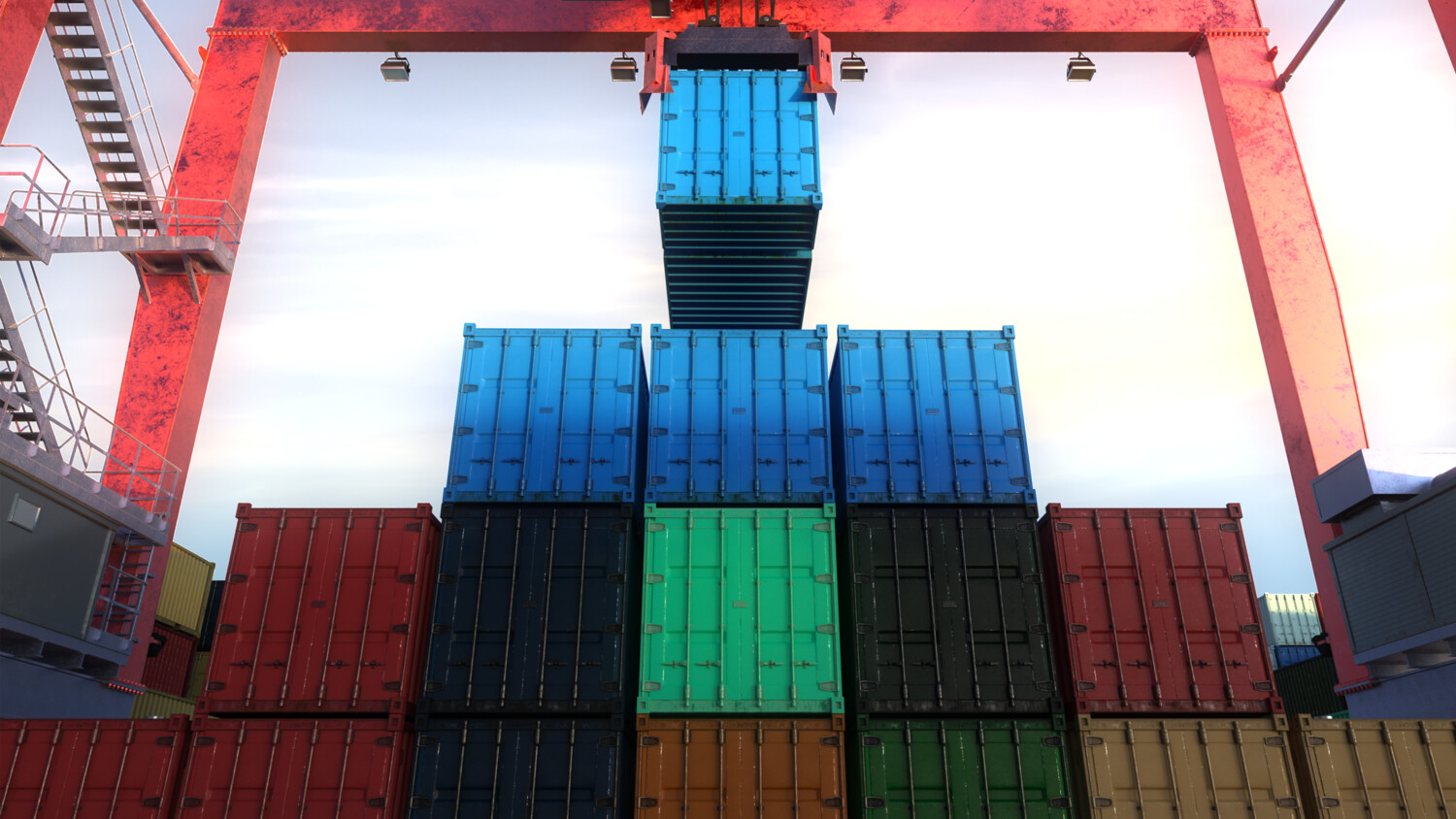
Cellular at the helm
A smart port’s network infrastructure must be able to handle the large amounts of data generated by cranes, vehicles, equipment, and workers. Cellular will enable massive real-time data collection and analytics, allowing humans, sensors, forklifts, trucks, cranes, and cameras to work seamlessly together as one.
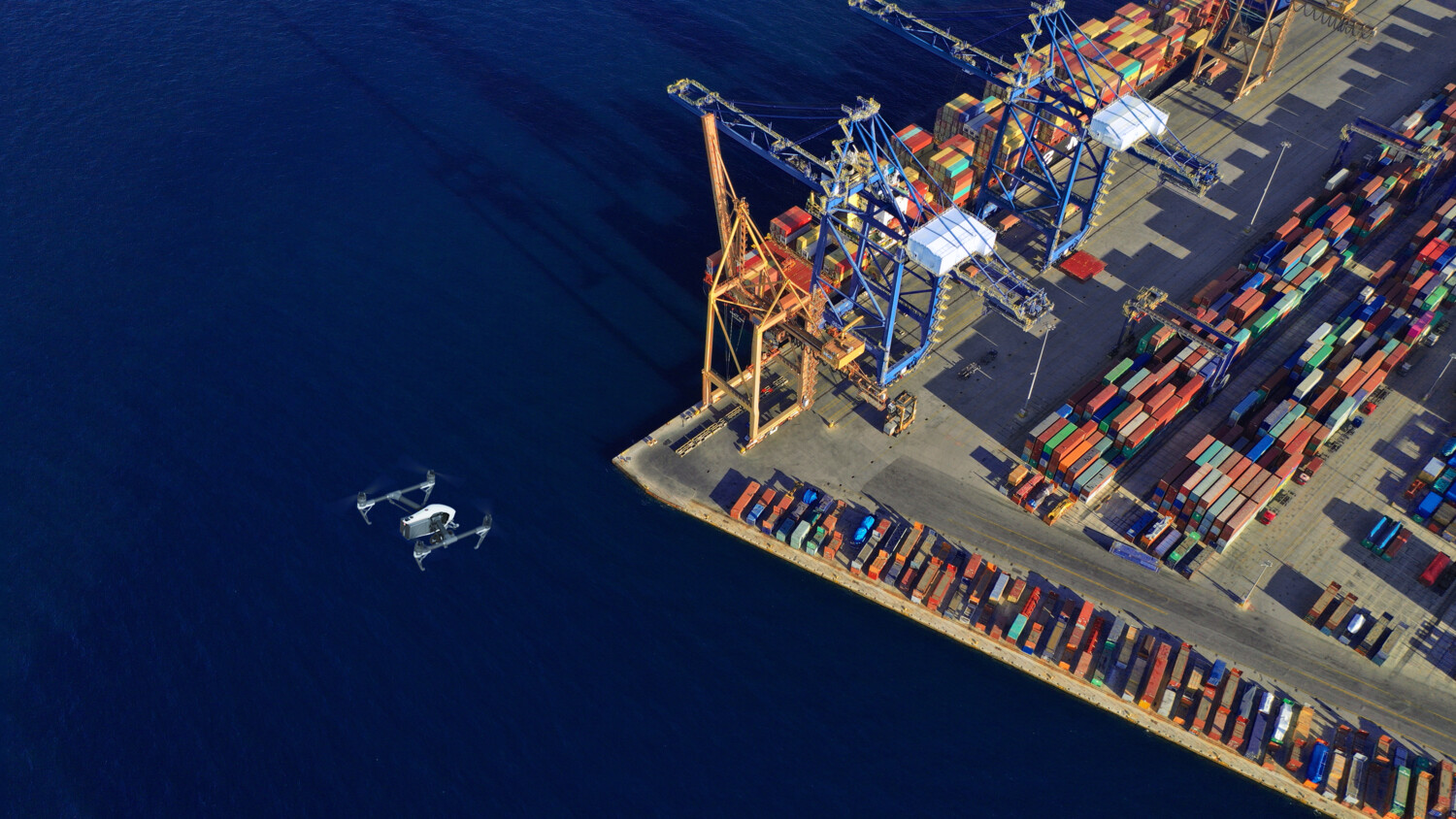
Chart the course
This report analyzes five use cases of cellular connectivity in ports that have the potential to generate strong value:
- Automated rubber-tired gantry (RTG) cranes
- Remote-controlled ship-to-shore (STS) cranes
- Automated guided vehicles (AGVs)
- Condition monitoring
- Drones for surveillance and deliveries