










TDC NET and Ericsson bring technology and biodiversity together
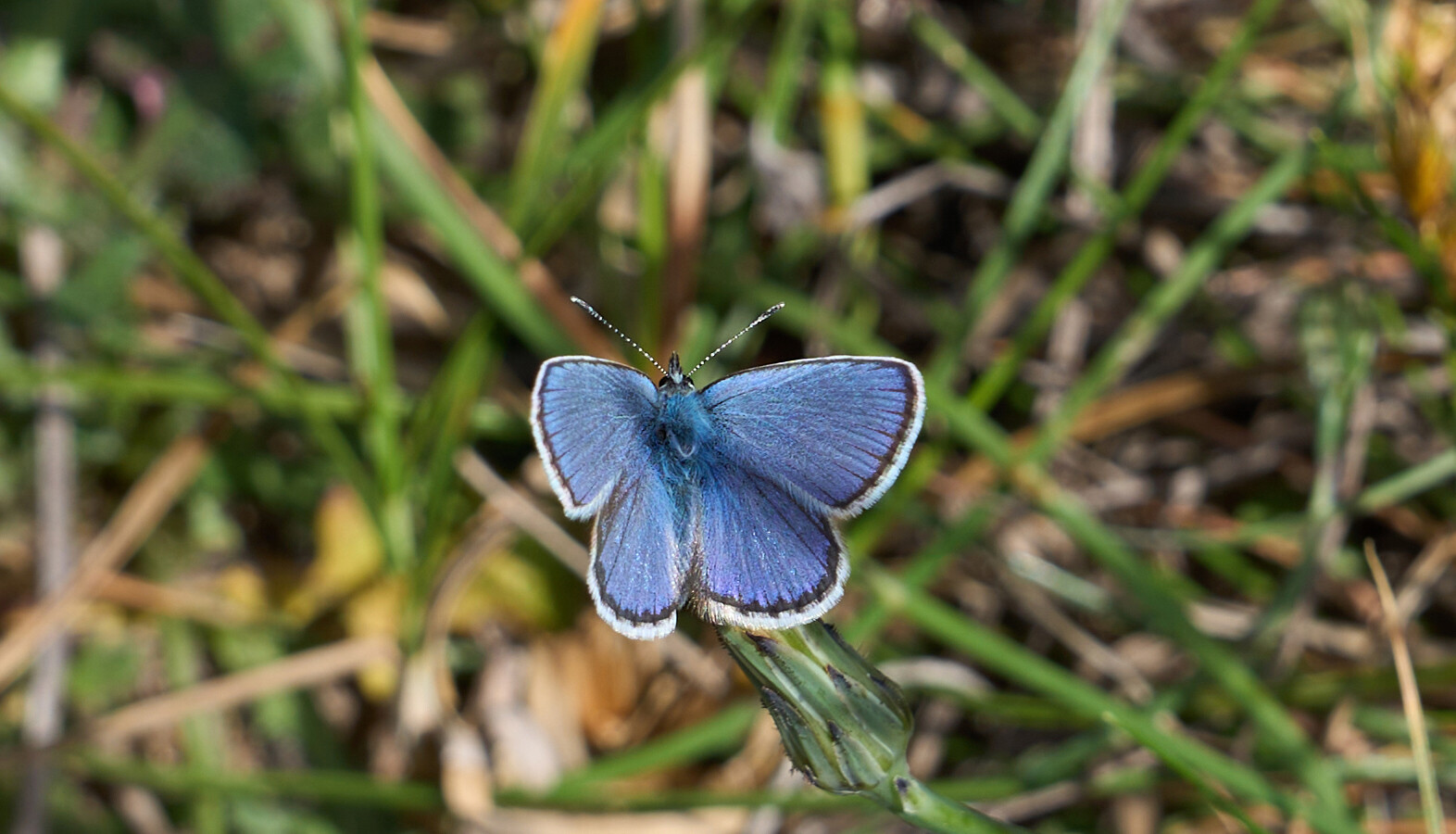
What do butterflies have to do with mobile networks? In Denmark, TDC NET and Ericsson are now using 5G, artificial intelligence, and cameras to gather valuable insights into the area's fluttering residents. After all, butterflies can tell us a great deal about the health of nature.
When you hear about 5G, you probably think of faster internet, better mobile coverage, or seamless streaming. But technology can also be used for something entirely different.
A mobile network can help us understand how nature is doing.
That is the idea behind a collaboration between TDC NET and Ericsson in our nature restoration area in Skamlebæk, Denmark. Here, technology is lending nature a helping hand through a solution that automatically records butterflies, providing new insights into biodiversity in the area.
Ann Kathrine Kruuse Thomsen, Sustainability Manager at TDC NET, says: "What I love about this project is that it brings technology, innovation, and nature restoration together in a way I have never seen before," and continues:
"The project demonstrates that digital infrastructure can contribute much more than connecting people. The same technology that keeps Denmark connected every day can also help us understand and protect the nature we are part of."
Nature's tiny indicators
It is no coincidence that butterflies were chosen for this project. These small winged creatures are much more than colorful visitors on a summer day. They also serve as important indicators of the health of ecosystems and other species.
When butterfly populations thrive, it is often a sign that many other plants and animals also enjoy favorable living conditions. Their success, or decline, can therefore tell us a great deal about how a natural habitat is developing over time.
But gaining those insights requires data.
Until now, monitoring butterfly populations has primarily relied on manual observations carried out by biologists and other field experts. As a result, tracking development throughout an entire season requires significant time and resources.
That is why TDC NET, Ericsson, and local butterfly experts have explored how technology can help create a more detailed picture of nature's development.
Amanda Hasselberg, Country Manager, Ericsson Denmark, says: “TDC NET is leading the way in Denmark in several aspects of sustainability, and at Ericsson we are proud to be part of the solution and demonstrate the role technology can play to support nature.”
Capturing every flutter
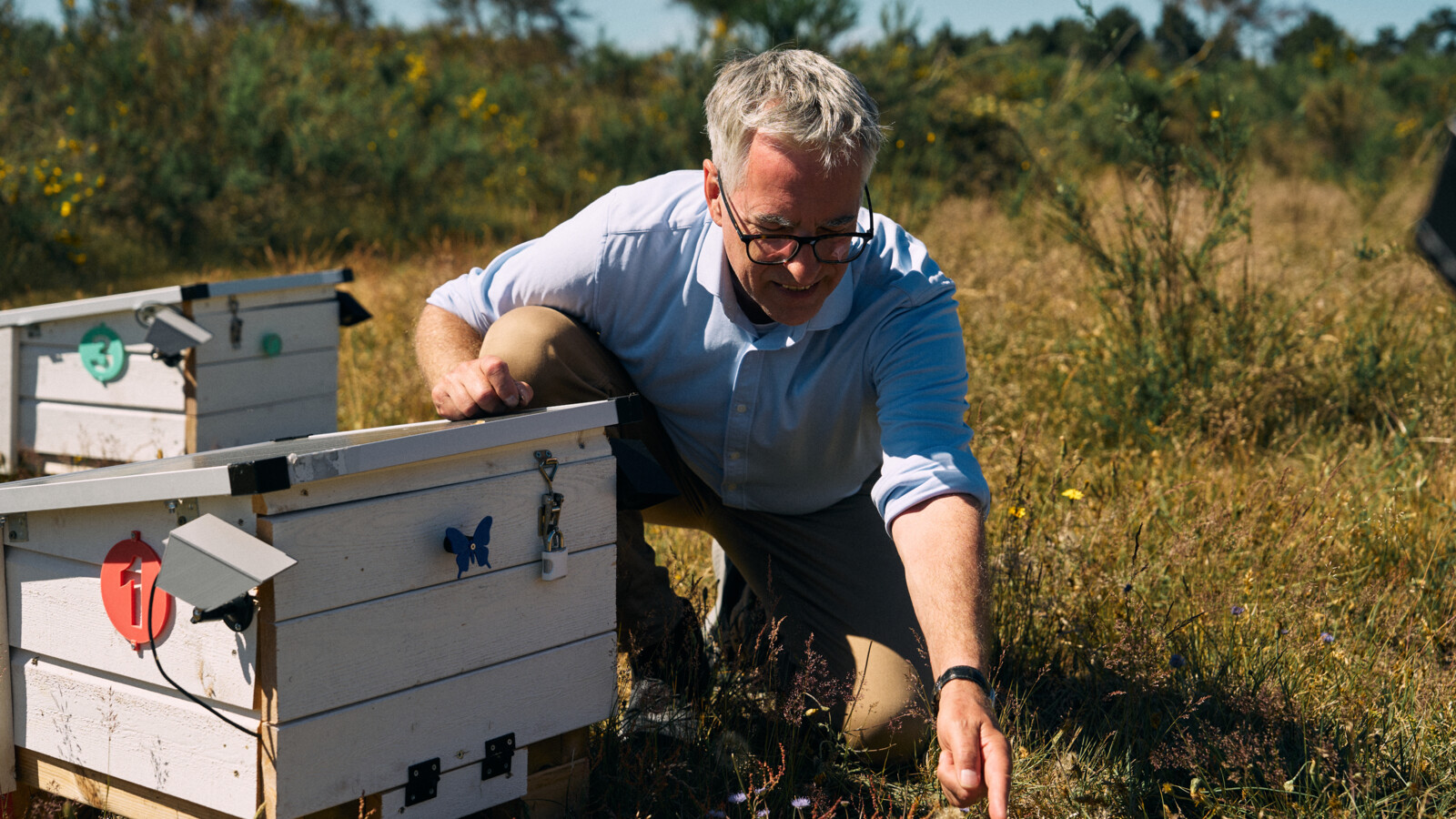
The solution consists of small solar-powered units placed throughout the natural area.
When a butterfly flies past, a camera takes a photograph. Artificial intelligence then determines whether the image contains a butterfly. If it does, another algorithm identifies the species.
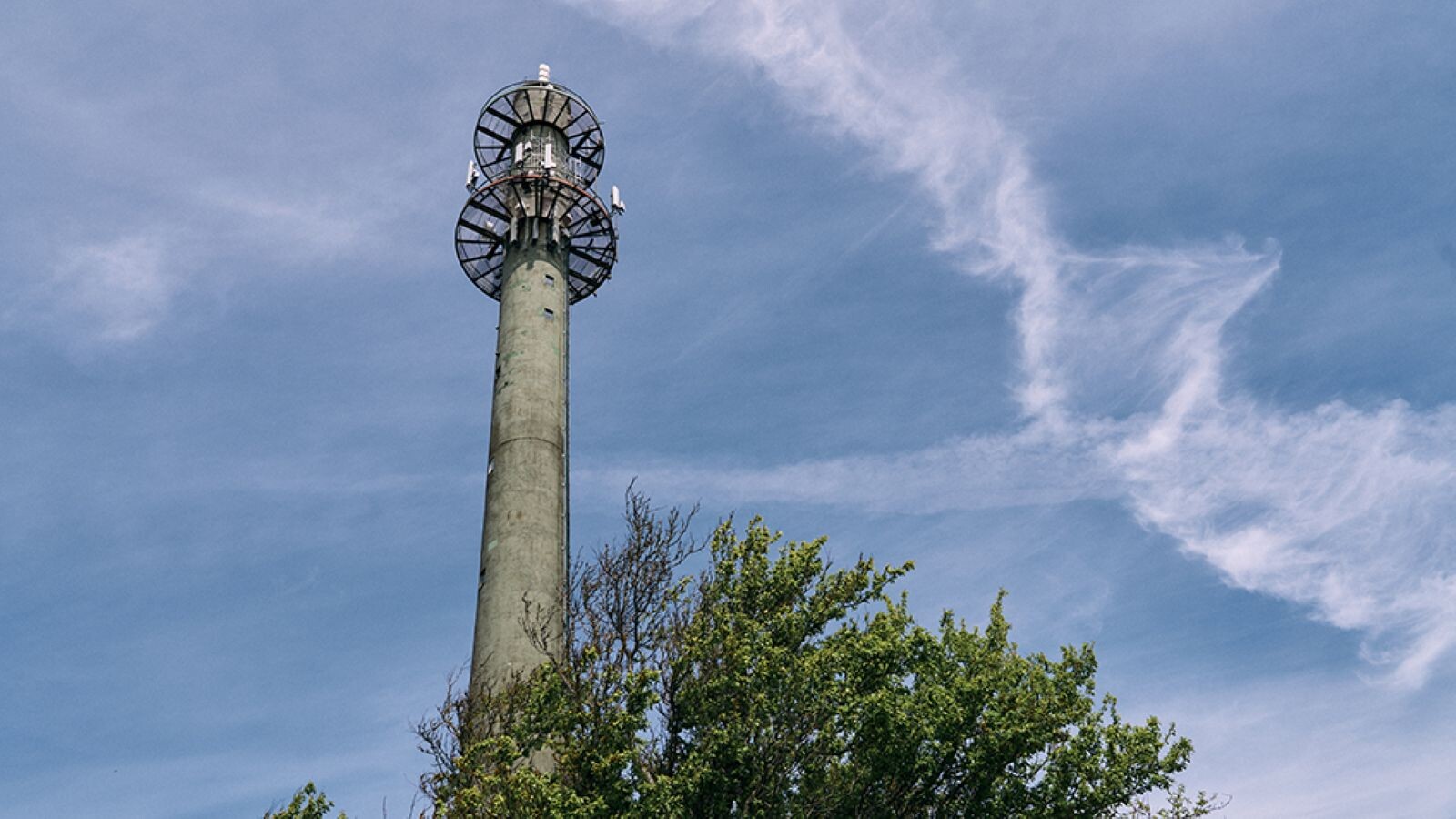
The data is subsequently transmitted via TDC NET's 5G network to a cloud-based platform, where observations are collected with the aim to track how populations develop over time.
This means data can be collected continuously, allowing trends to be tracked without requiring biologists to head into the field every single day.
More knowledge, less guesswork
More data and insights into long-term developments also improve our ability to assess whether different nature restoration initiatives are having the desired effect.
For TDC NET, the project forms part of the company's ambition to protect nature on 30 percent of its land holdings by 2030, in line with the goals of the EU Biodiversity Strategy and the global Kunming-Montreal Global Biodiversity Framework.
The potential extends well beyond butterflies. In the future, the experience gained from the project could be applied to other forms of wildlife monitoring, providing even greater insight into the state of nature and biodiversity.