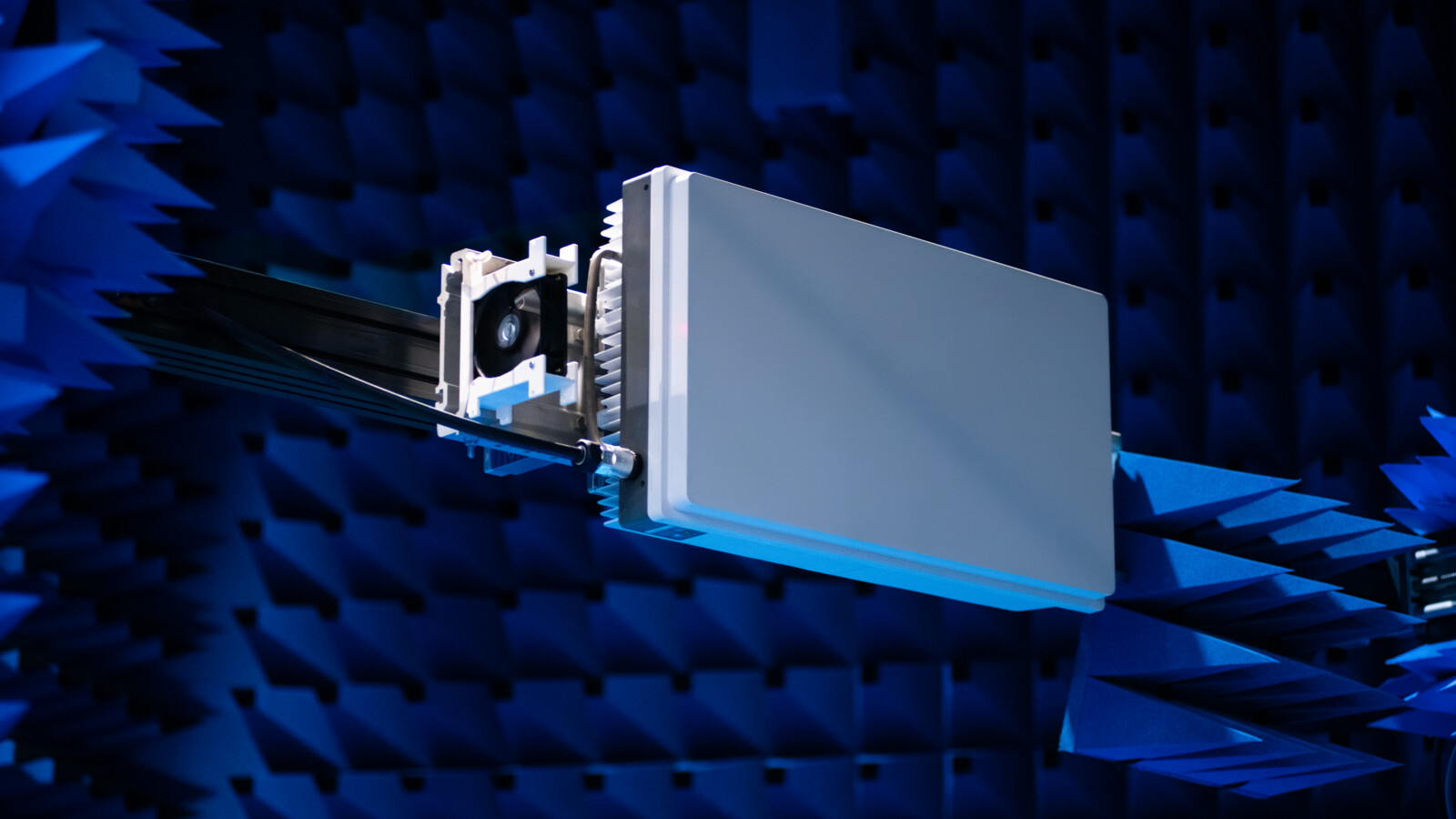











Open RAN (O RAN)
In recent years, the telecommunications industry has experienced a significant shift towards open and disaggregated network architectures, with Open RAN (O RAN) playing a pivotal role in this transformation. Ericsson has taken the lead to industrialize Open RAN in each of the key areas of Open RAN; cloudification, open interfaces, and open management.
What is Open RAN (O RAN)?
Open RAN, or Open Radio Access Network, is a shift in the way to designing and deploying radio access network infrastructure in the telecommunications industry. It aims to disaggregate and open up the Radio Access Network, enabling greater flexibility, interoperability, and innovation in network deployments, and nourish new innovative business opportunities.
The Open RAN (O RAN) architecture can be divided in to three key components, cloudification / virtualization of the RAN hardware and software, intelligent management (SMO) and open interfaces between the different parts of the RAN including fronthaul to the physical radio unit (RU).
Open RAN provides operators with enhanced flexibility and scalability, reduced costs, increased efficiency, and improved service quality. Its open interfaces allow for mixing and matching components from different vendors, streamlined network management, and quicker deployment of new services, ultimately enhancing customer satisfaction.
Industrializing Open RAN
Ericsson believes that future networks must be increasingly resilient, open, sustainable, and intelligent. Open RAN plays an important role in achieving this vision, and Ericsson is leading the industrialization of the three pillars of Open RAN: cloudification, open fronthaul, and open management
Read more: Ericsson takes leadership in industrializing Open RAN
A joint drive for open, automated, and programmable networks


How does Open RAN work?
Open RAN (O RAN) works by breaking down the traditional RAN architecture into modular, interoperable components, promoting openness, flexibility, and innovation in the deployment and management of the RAN.
The key components of Open RAN consists of the cloudification (virtualization) of RAN (vRAN) with a separation or disaggregation of hardware and software with open interoperable interfaces, and improved intelligence and automation in radio access networks (using open management and orchestration systems, and interfaces).
Cloudification: disaggregation of hardware and software with RAN application software as cloud-native functions running on a cloud architecture based on general-purpose hardware and cloud platforms, read more about Cloud RAN.
Intelligent open management: leverage automated management and orchestration systems with capabilities for Artificial Intelligence and Machine Learning for efficient life cycle management of network functions, read more about Ericsson Intelligent Automation Platform.
Open interfaces: Open RAN relies on open and standardized interfaces, such as the O-RAN Alliance's specifications , combined with 3GPP-defined interfaces, to facilitate interoperability between disaggregated RAN components, read more about the latest development of Open Fronthaul.
Benefits of Open RAN
Open RAN architecture provides customers with the flexibility to scale and optimize their network resources according to their specific requirements, fostering agility and adaptability in network deployments
Open RAN's open interfaces and software-driven architecture can enhance the longevity of network infrastructure investments, enabling easier upgrades and the integration of new technologies as they emerge.
Open RAN allows customers to avoid vendor lock-in, enabling them to select best-of-breed components from different suppliers, fostering a more competitive and innovative ecosystem.
Consideration for Open RAN implementation
Successful Open RAN (O RAN) adoption requires addressing uncertainties, aligning industry stakeholders, ensuring product readiness, deploying networks thoughtfully, and overcoming interoperability challenges in both new and existing network environments.
At Ericsson, we understand and address these considerations associated with implementing of Open RAN, including:
- Adoption: We recognize the importance of addressing the integration challenges in adopting Open RAN, emphasizing collaboration, tangible proof of capabilities, and a proactive approach to performance validation.
- Deployment: In terms of deployment, we are committed to ensuring readiness and trust-building for the transition to Open RAN. Our approach involves a mindful stepwise deployment, product readiness for the transition, leveraging network management systems and hardware readiness to facilitate a smooth transition to Open RAN.
- Interoperability: We address the interoperability challenges by creating a seamless environment prepared for multi vendor architecture. This includes overcoming multivendor challenges and addressing the specific integration and security concerns that arise when transitioning to Open RAN from existing infrastructure.
We understand and take into consideration that the network evolution journey is unique for every communication service provider (CSP) when deploying an open based RAN. We assist each unique CSP with their optimal pace of transformation to realize the promised benefits of Open RAN networks, such as supply chain diversity, solution flexibility, and to take advantage of new capabilities for further innovations, new business opportunities and monetization of investments
Open RAN future
Looking ahead, we anticipate a significant increase in the adoption and maturity of Open RAN in the coming year. We foresee commercial deployments with CSPs, as well as the expansion of Open RAN adoption by additional CSPs as the technology becomes more mature and solid. Our focus is on enabling the coexistence of purpose-built RAN and Cloud RAN, providing operators with a consistent network view and efficient coordination solutions between the two technologies.
Further reading





Ericsson’s commitment to an Open RAN architecture
For more than 40 years, Ericsson has braced the evolution of openness and interoperability in mobile telecoms. As the technology leader with R&D in standards, patents, and interoperability, Ericsson is one of the driving forces of 3GPP. The 3GPP specifications are the global standards for more than 8 billion mobile devices when it comes to seamless calling and connectivity over networks anywhere in the world.
Ericsson plays an active role in shaping specifications as part of the O-RAN Alliance, learning the capabilities and limitations of new network technologies and testing them together with communications service provider’ and partners.
The O-RAN Alliance (O-RAN) is a group that is defining specifications for radio access networks. It is a global alliance founded in 2018, and it is now comprised of more than 30 operator members and close to 300 contributors and academic contributors. The O-RAN Alliance is a relatively new organization that took the 3GPP standards work as its baseline and set out to create extensions specifically for the RAN.
The goals are to provide detailed blueprints for building the RAN solution that allow parts from different vendors, including mechanisms for enabling artificial intelligence and machine learning for mCTA.
Ericsson holds the leading position in the O-RAN Alliance:
- Ericsson has the largest number of technical contributions
- Ericsson holds three working group chair positions
- Ericsson also has the highest number of commits to the O-RAN Software Community
What is Ericsson doing with Open RAN?
Ericsson is driving the industry in all three areas of Open RAN architectures – cloudification, open management with automation, and open fronthaul.
Through its leadership in the O-RAN Alliance, Ericsson, together with the industry, has reached the critical milestones towards defining the next-generation open fronthaul interface required to bring performance at scale to Open RAN.
Ericsson is a key driver of openness in mobile networks, and we have seen the value of it through all mobile generations. With 4G, it paved the way for the arrival of disruptive internet companies and the emergence of a new app ecosystem. With 5G, we expect the impact to be even greater, moving technology boundaries to create the biggest innovation platform ever.
Read more
Ericsson takes leadership in industrializing Open RAN