Ericsson Technology Review 2023 issue 1
Ericsson is determined to create a universal connectivity platform for innovation, automation and digitalization that has the flexibility to grow and expand to meet the changing needs of individuals, communities and enterprises all around the globe. Fixed wireless access, the Industrial Internet of Things (IIoT), enhanced network automation, digital twins and API exposure all have key roles to play in the transition.
Ericsson CTO Erik Ekudden’s view on the transition to a universal connectivity platform
Ericsson is determined to create a universal connectivity platform for innovation, automation and digitalization that has the flexibility to grow and expand to meet the changing needs of individuals, communities and enterprises all around the globe. Fixed wireless access, the Industrial Internet of Things (IIoT), enhanced network automation, digital twins and API exposure all have key roles to play in the transition.
Mobile broadband has unquestionably become one of the cornerstones of social and economic development in the 21st century. Despite this, a recent report from the UN’s International Telecommunication Union (ITU) found that 37 percent of the global population has never used the internet. At Ericsson we believe that the best way to tackle this challenge of inclusion in the near term is by leveraging the potential of 5G fixed wireless access (FWA).
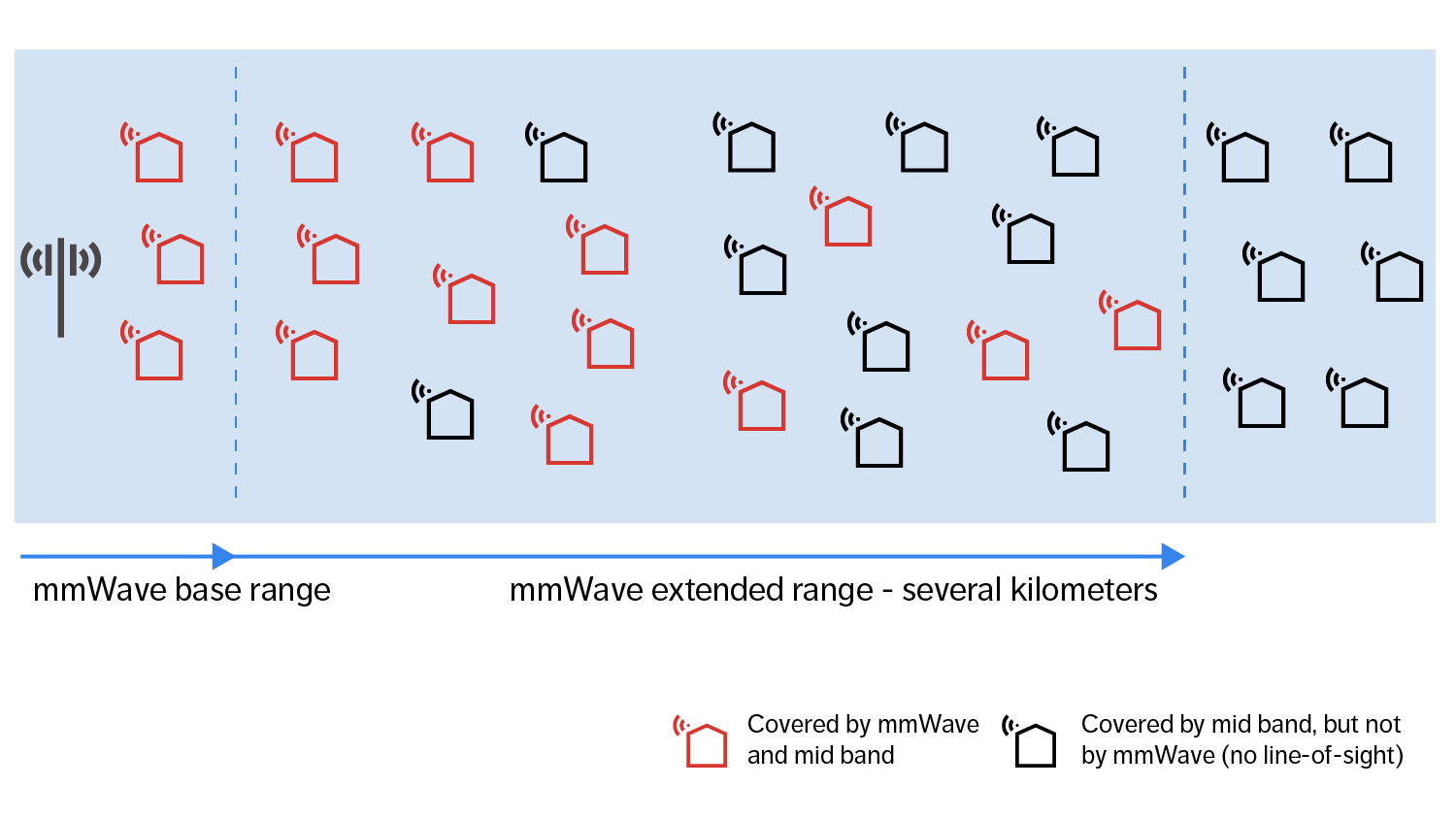
5G mmWave extended range is a major technological breakthrough that boosts the capacity of 5G FWA solutions by enabling the use of mmWave spectrum to serve a much larger number of homes than was previously possible. This approach makes it possible to focus mid-band resources on homes at more distant, challenging locations, thereby opening the opportunity to offer high-end “wireless fiber” services to more homes in more sparsely populated suburban, rural and unconnected areas.
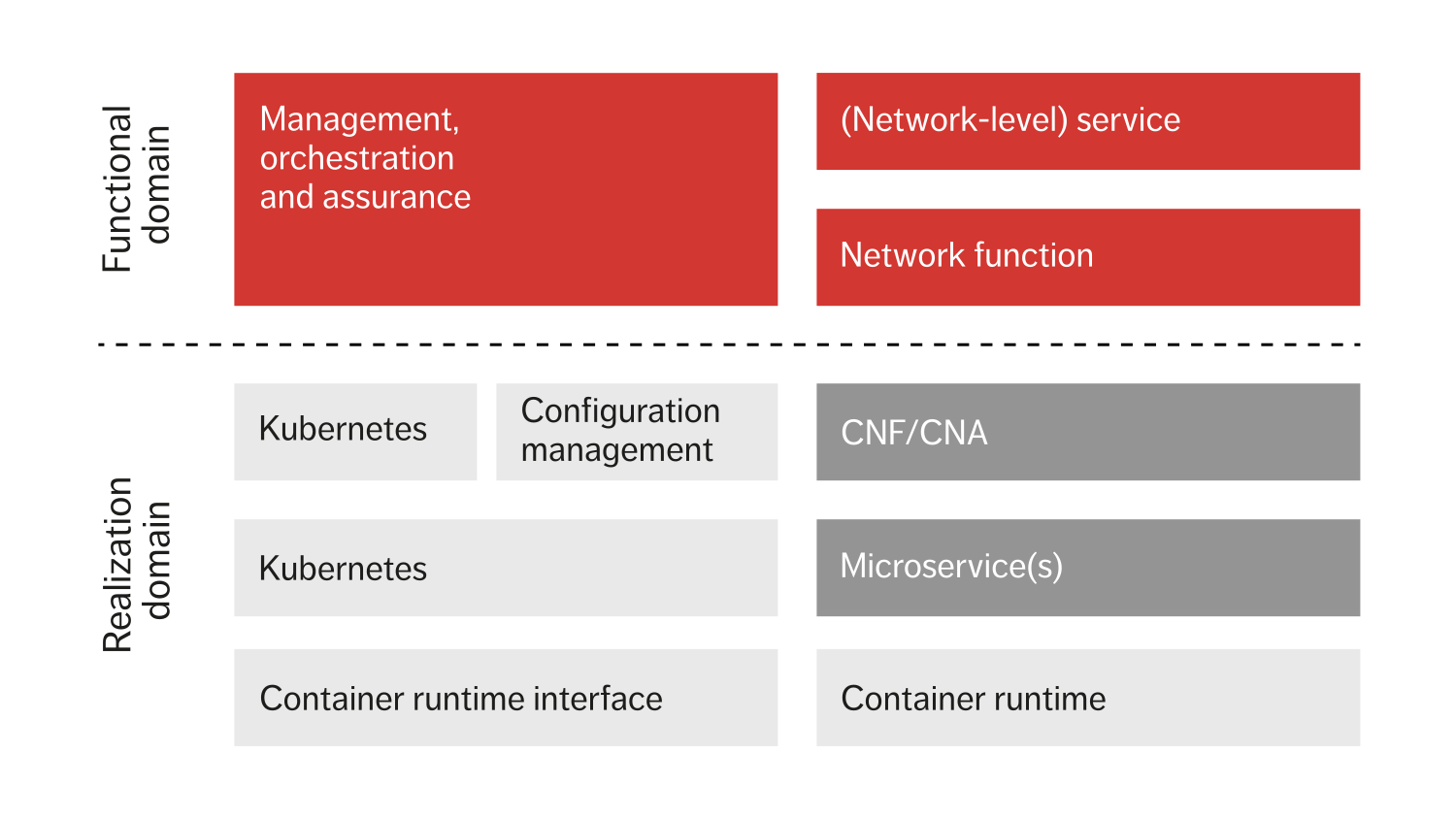
Beyond greater reach, the universal connectivity platform that we envision will also require a much higher degree of automation, particularly with respect to BSS/OSS functions and deployment of software adopting Continuous Integration and Continuous Deployment (CI/CD) practices. Our latest research indicates that the most promising way to achieve this is by taking a declarative, GitOps-based approach to telecom software delivery and operation processes. One of the articles in this issue explains how.
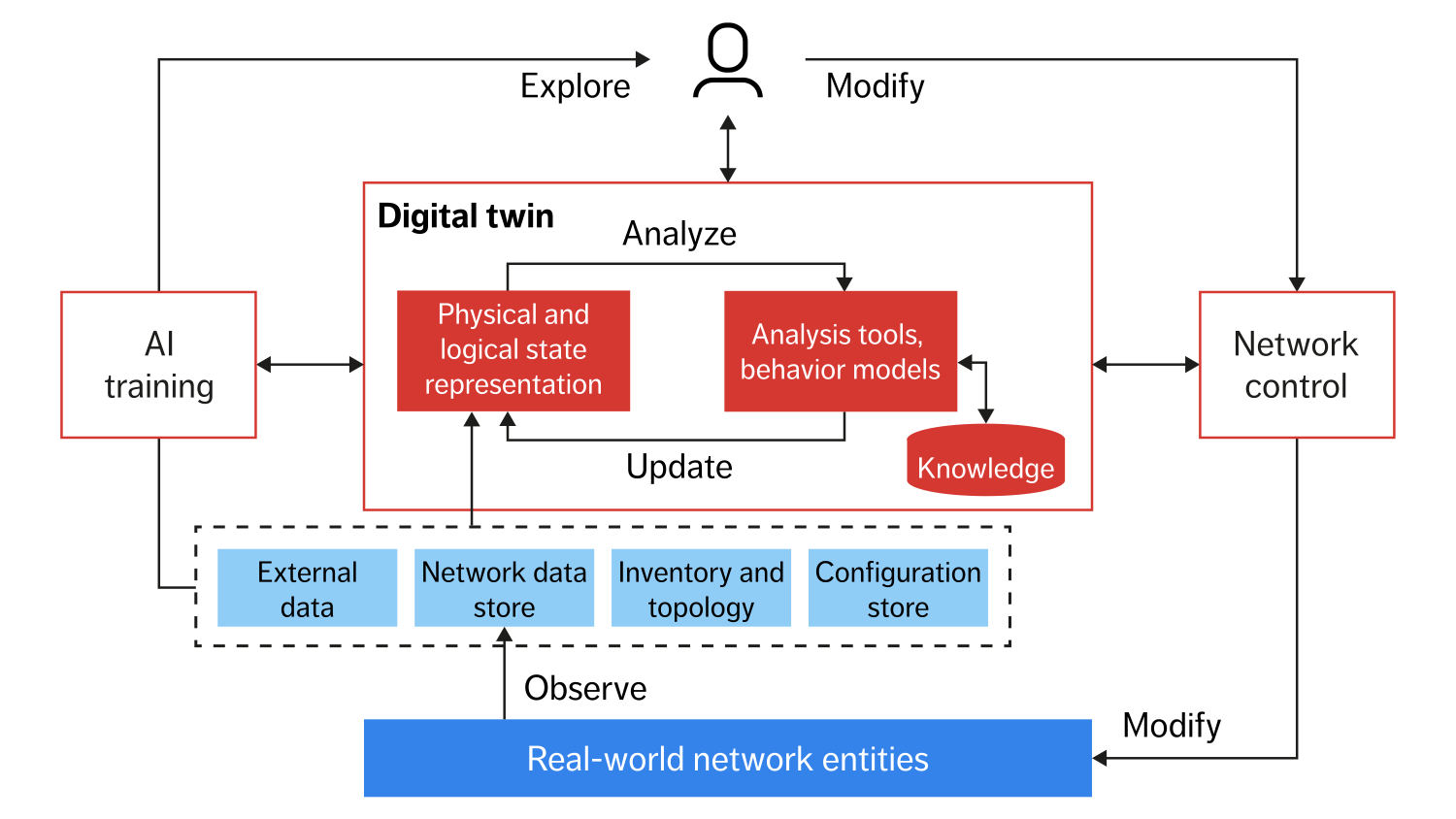
Meanwhile, we can see that digital twins are quickly becoming a reality in a variety of different industries. Our latest research indicates that network digital twins (NDTs) have the potential to deliver massive benefits for CSPs by supporting use cases in areas such as R&D, planning, deployment and operations. As different types of tailored NDTs become more common, they can be combined to create increasingly sophisticated digital representations that can deliver even more powerful functionality for enhanced network operations.
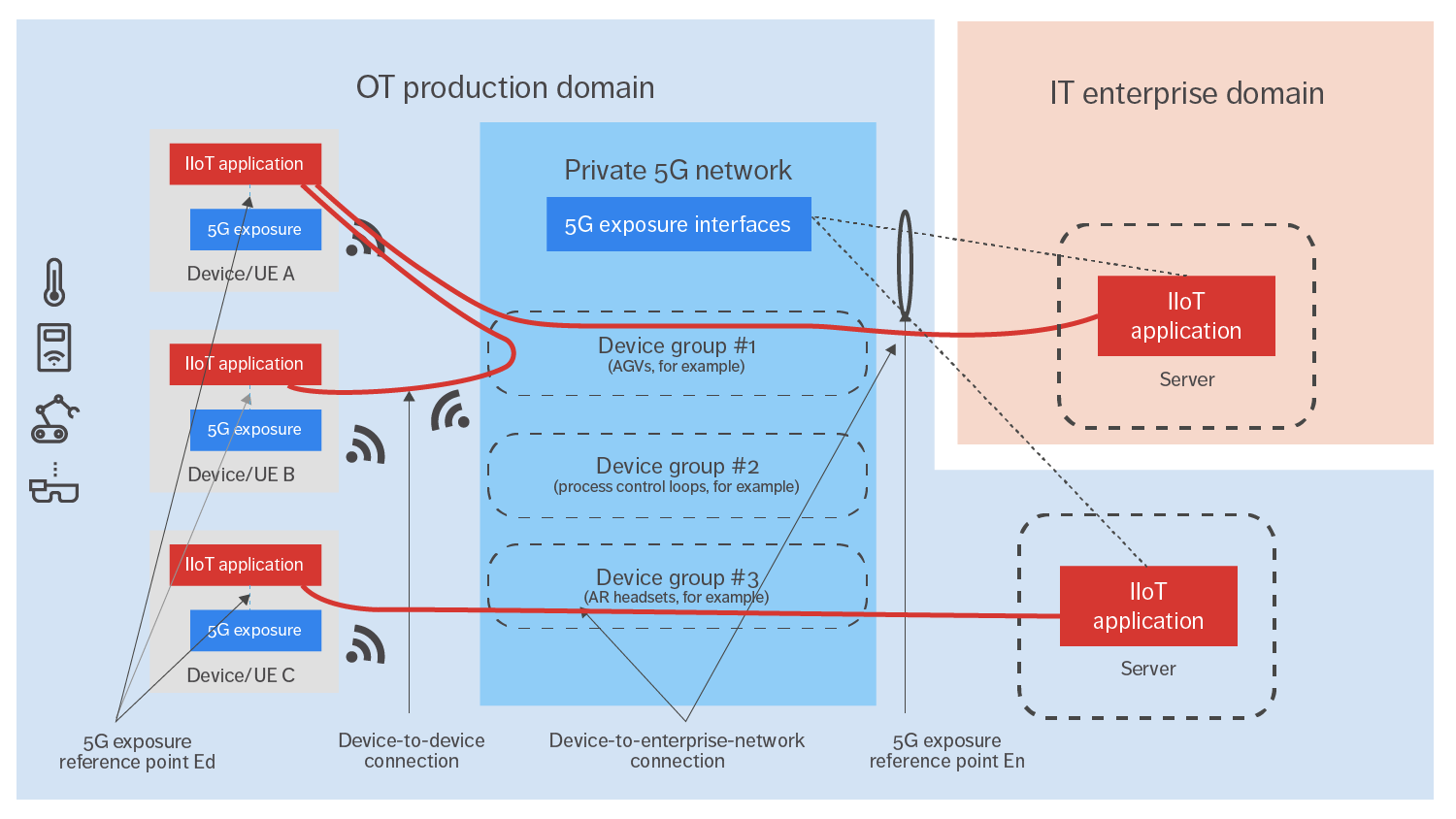
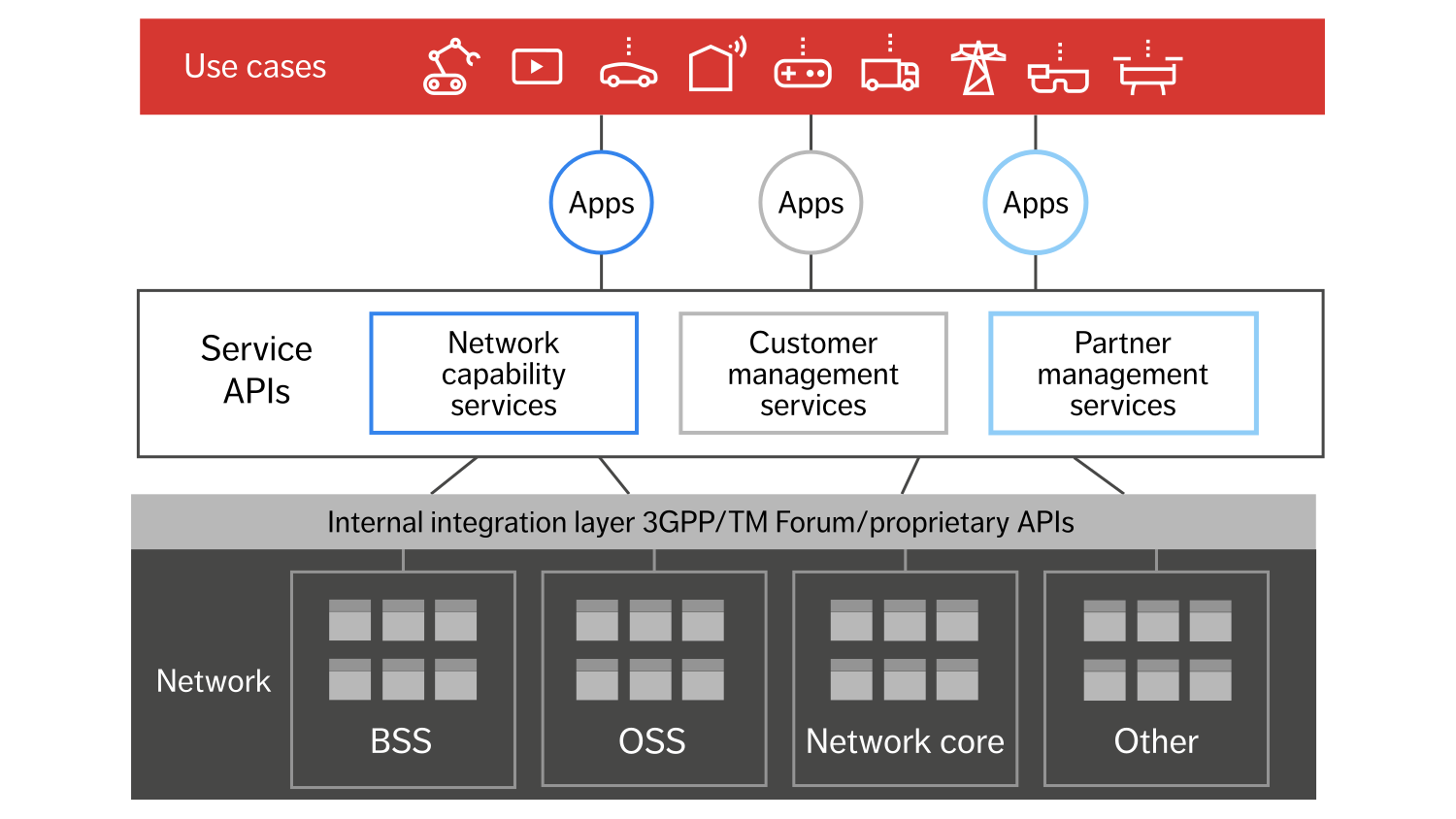
With regard to IIoT solutions, there are signs that a growing number of large enterprises are interested in managing their own connectivity needs and building applications that leverage network characteristics and assets. The availability of properly scoped and easily accessible application programming interfaces (APIs) is essential to support this. As part of our extensive research in this area, we recently completed a proof-of-concept project with the industrial automation company ABB that demonstrates the benefits of using programmable 5G systems to support IIoT use cases. It is our belief that enterprises in the operational technology industry will soon be able to use this type of standardized exposure service to seamlessly integrate their industrial automation systems with private 5G networks provided by CSPs.
We hope you enjoy this issue of our magazine and that you will share it with your colleagues and business partners. You can find both PDF and HTML versions of all the articles here.

Erik Ekudden, CTO Ericsson