



This page/function requires that your browser provides support of javascript
This website uses cookies. If you continue to browse the site, we assume you are fine with how we use cookies on the web. Read More
In this Ericsson Mobility Report, we continue to describe the evolution towards the Networked Society.
Internet of Things (IoT) is expected to surpass mobile phones as the largest category of connected devices in 2018
Between 2015 and 2021, IoT is expected to increase at a compounded annual growth rate (CAGR) of 23 percent, making up close to 16 billion of the total forecast 28 billion connected devices by 2021.
LTE subscriptions grew at a high rate during Q1 2016. There were 150 million new subscriptions during the quarter, reaching a total of 1.2 billion worldwide. Subscriptions associated with smartphones also continue to increase, and are expected to exceed those for basic phones in Q3 this year.
We have included four feature articles in this report, exploring various aspects of the mobile industry. First we look into how microwave backhaul links can be used as accurate, high resolution rainfall measurement tools.
Weather impacts almost everything we do, and accurate weather forecasts are vital.
We also examine how teens drive the changing TV/video viewing behavior, which is moving from traditional TVs to streaming video on smartphones.
The article on managing user experience describes how high traffic load in less than a tenth of the mobile radio cells in metropolitan areas can affect more than half of the user activity over the course of 24 hours.
Finally, we discuss the need for global spectrum harmonization to secure early 5G deployments. We hope you find the report engaging and valuable.
Publisher:
Rima Qureshi, Senior Vice President, Chief Strategy Officer
Download the Ericsson Mobility Report
Microwave backhaul links can be used as accurate, high resolution rainfall measurement tools to create additional revenue streams for operators, as well as benefit society
Given the massive explosion of video content available on the internet, there is a corresponding sharp increase in streamed video viewing, particularly among younger generations. Today’s teens are streaming natives, as they have no experience of a world without online video streaming
High load in less than a tenth of the cells in a metropolitan area can affect more than half of the user activity over the course of 24 hours. This is not necessarily bad news – with an efficient way to identify highly loaded cells, focused improvements can be made to enhance overall user experience
There is a need for spectrum harmonization between countries planning early 5G deployment. This needs to be done in addition to the current process for WRC-19, which focuses on spectrum for commercial 5G deployment beyond 2020
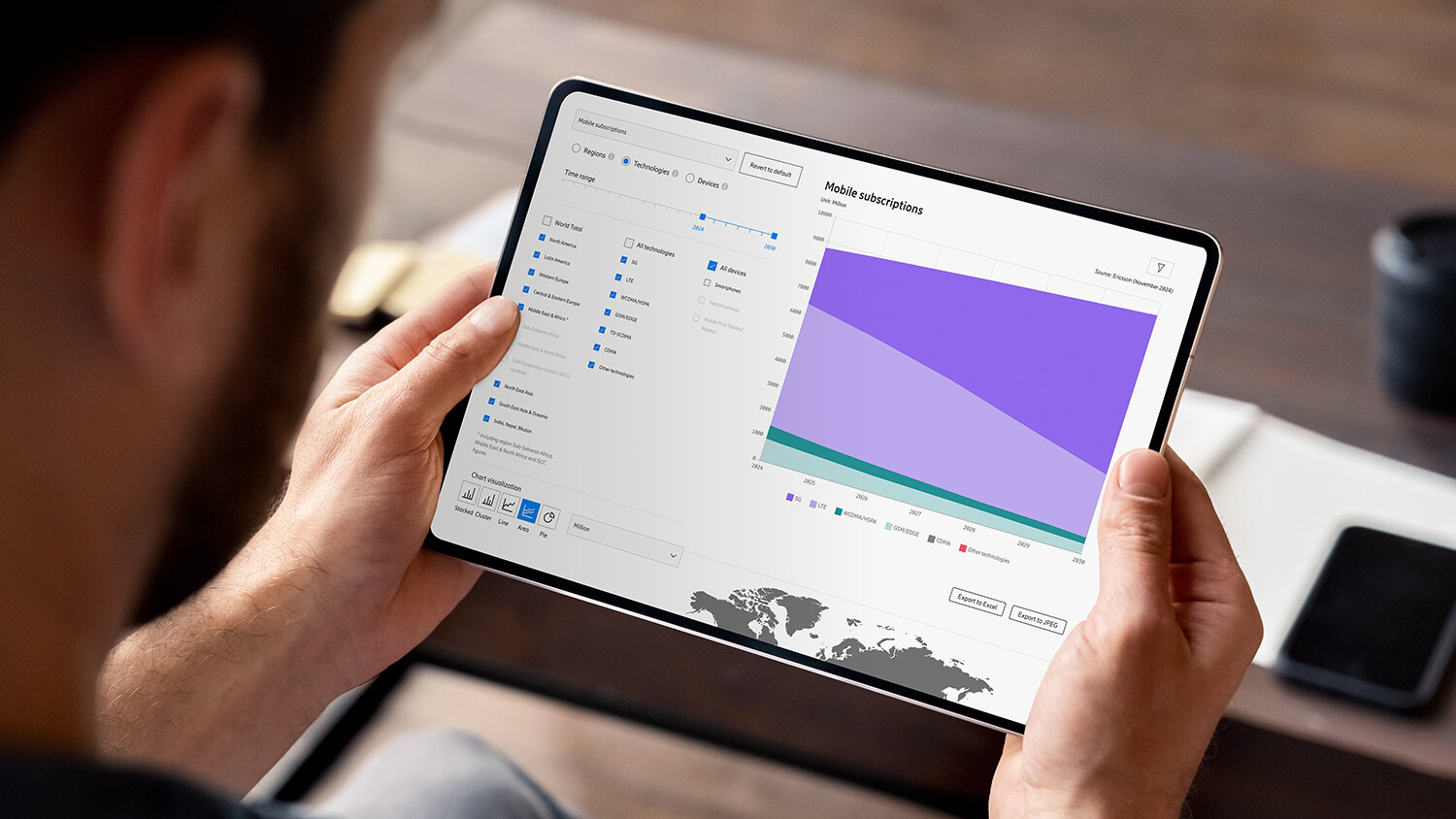
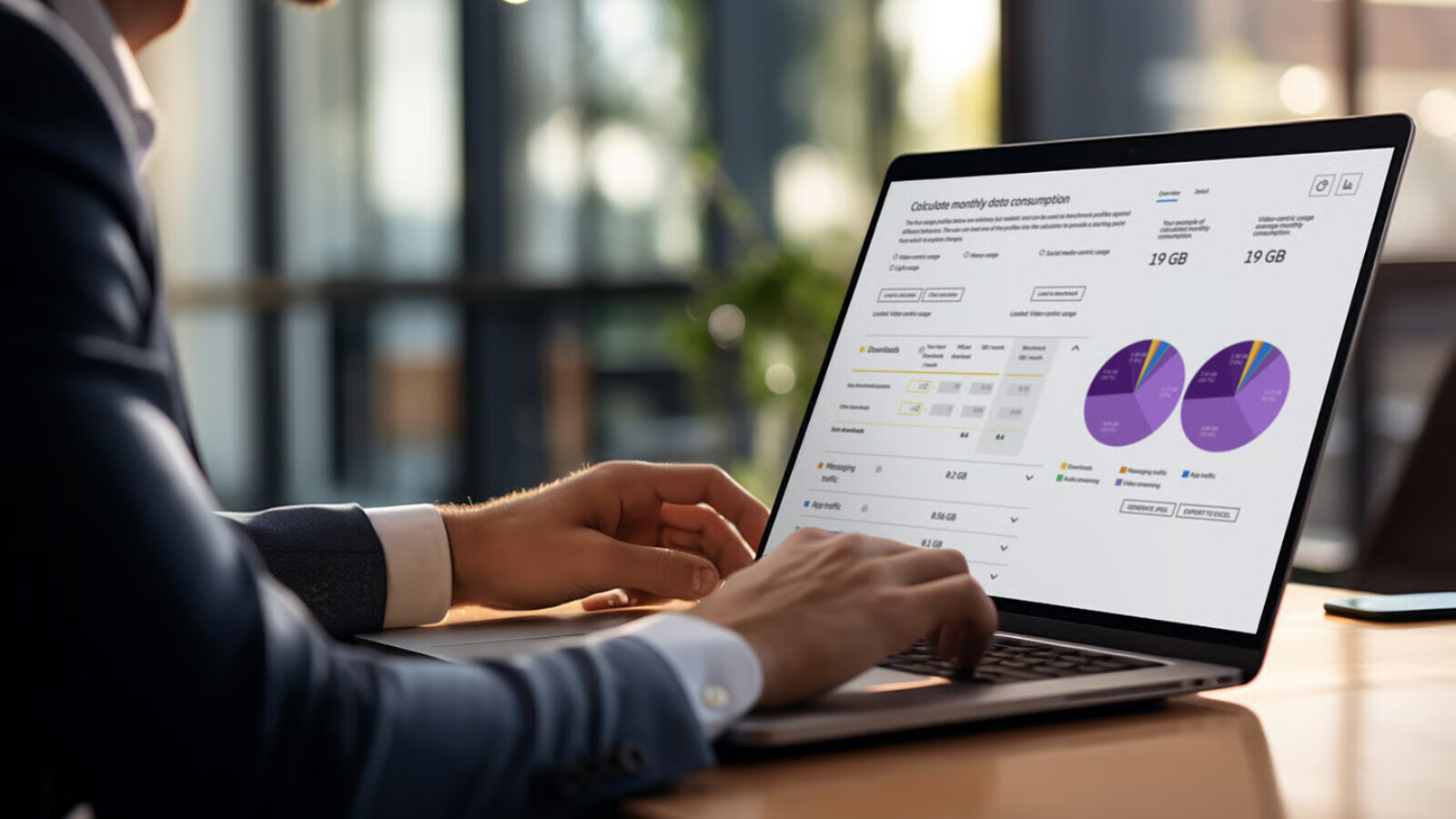
Create your own graphs, tables and data using our Traffic Exploration tool that contains data from the Ericsson Mobility Report.
* Fixed Wireless Access (FWA) devices not included
** Active devices
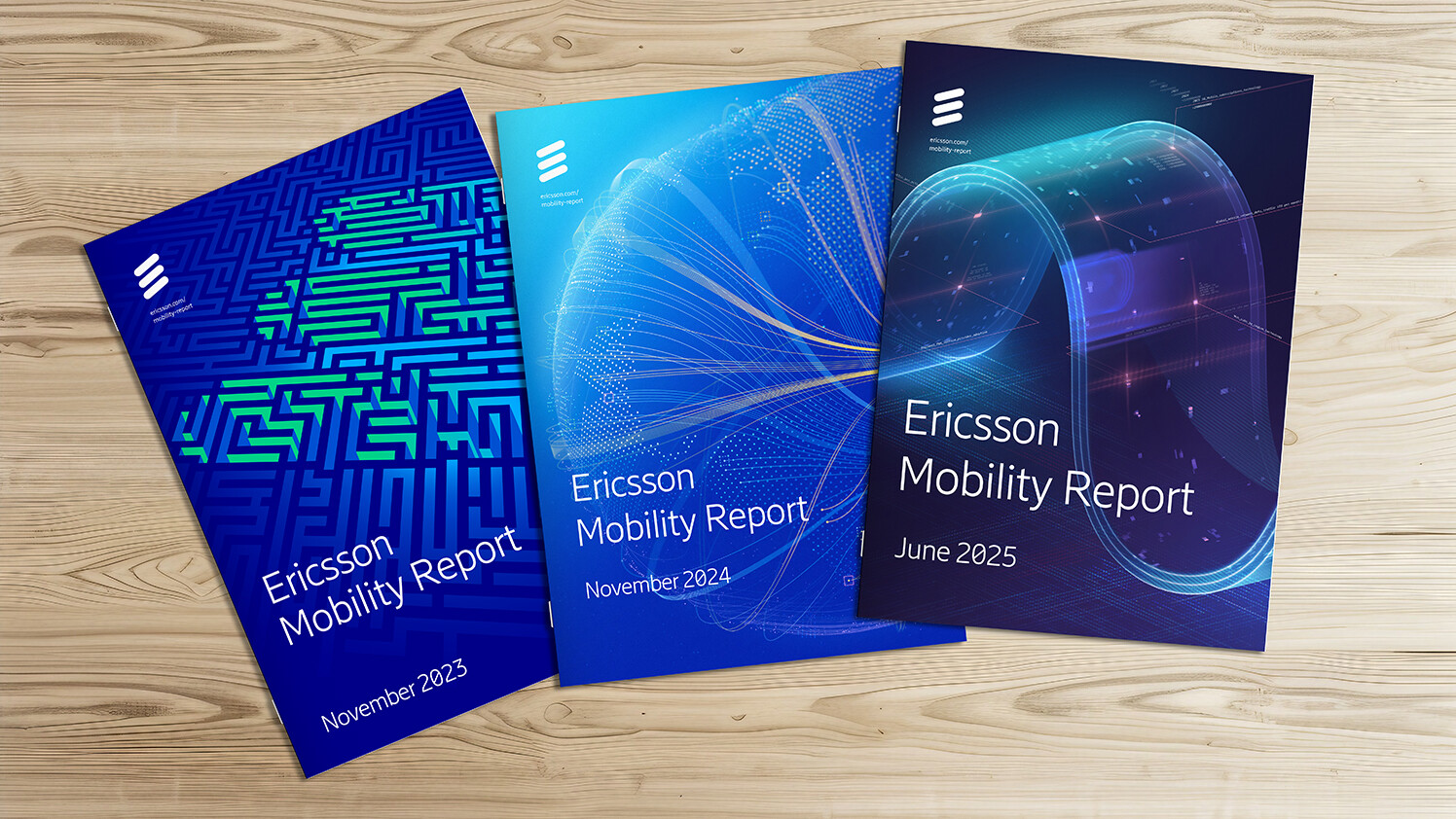
Ericsson Mobility Report – Mobile World Congress edition, February 2016
Ericsson Mobility Report, November 2015
Interim Ericsson Mobility Report, August 2015
Ericsson Mobility Report, June 2015
Ericsson Mobility Report – Mobile World Congress edition, February 2015
Ericsson Mobility Report, November 2014
Interim Ericsson Mobility Report, August 2014
Europe
Latin America and the Caribbean
Middle East and North East Africa
North America
North East Asia
South East Asia and Oceania
Sub-Saharan Africa
Mobile Business Trends report