

Skip navigation
towers

The network as a sensor

Integrated Sensing and Communication (ISAC)

The future mobile networks will be shaped not only by their ability to transmit data, but also by their capacity to perceive and interpret their surrounding environment. Integrated Sensing and Communication (ISAC) represents a paradigm shift in wireless technology. It merges two traditionally separate functions – high-speed data communication and environmental sensing – into a single, unified infrastructure.

As the telecommunications industry moves from 5G Advanced toward 6G, ISAC stands out as a flagship 6G capability. It builds on the sensing already supported by 5G networks and extends these capabilities to a broader range of use cases. By using radio signals for both connectivity and environmental awareness, mobile networks will gain a new dimension of functionality. They will not just carry information; they will understand the spatial reality of the world around them. This evolution will transform the base station from a communication node into a multisensory platform, opening new opportunities in safety, automation, and immersive experiences, while creating added value propositions for enterprises, governments, and communication service providers (CSPs).

What is Integrated Sensing and Communication (ISAC)?

Sensing in mobile networks is a technology that enables a mobile system to acquire information about their surrounding environment and/or objects within that environment by analyzing radio frequency (RF) signal reflections. When sensing is integrated into a communication system such as a mobile system, it is known as Integrated Sensing and Communication (ISAC).

It is an innovative technology that provides spatial awareness for applications in for example national security, public safety, transportation and industrial automation and consumer services like 3D map generation, gaming, and XR applications. In simple terms, it allows a wireless network to simultaneously transmit and receive data to and from user devices (smartphones, for example) and sense objects, movements, and other changes in the environment.

City

A new dimension of network awareness

Traditionally, wireless networks and sensing systems have operated as distinct entities. ISAC enables reuse of the existing mobile network infrastructure – including towers, fiber backhaul, spectrum, and potentially user equipment (UEs) – to deliver sensing capabilities at scale.

When a base station (or, in some configurations, a UE) transmits a radio signal, that signal reflects off objects such as buildings, vehicles, or terrain. In an ISAC system, the network analyzes these reflections (echoes) to determine characteristics of objects and the environment in general within the coverage area. This allows the network to identify, for example:

  • Presence: Is something there?
  • Location: Where is it positioned?
  • Size and shape: What are its approximate physical dimensions?
  • Velocity: Is it moving, and how fast?
  • Direction: Where is it heading?

Importantly, ISAC allows the network to sense passive objects. Unlike traditional positioning (such as GPS tracking), where a device must be connected to the network for its position to be found, ISAC can detect objects that carry no electronics at all – such as a bird, a non-connected drone, or a pedestrian about to step into traffic.

Why ISAC matters: The strategic value proposition

The introduction of ISAC is not merely a technical upgrade; it is a strategic expansion of what a mobile network is and what it can do. The value proposition extends across multiple stakeholders, from network operators to national governments.

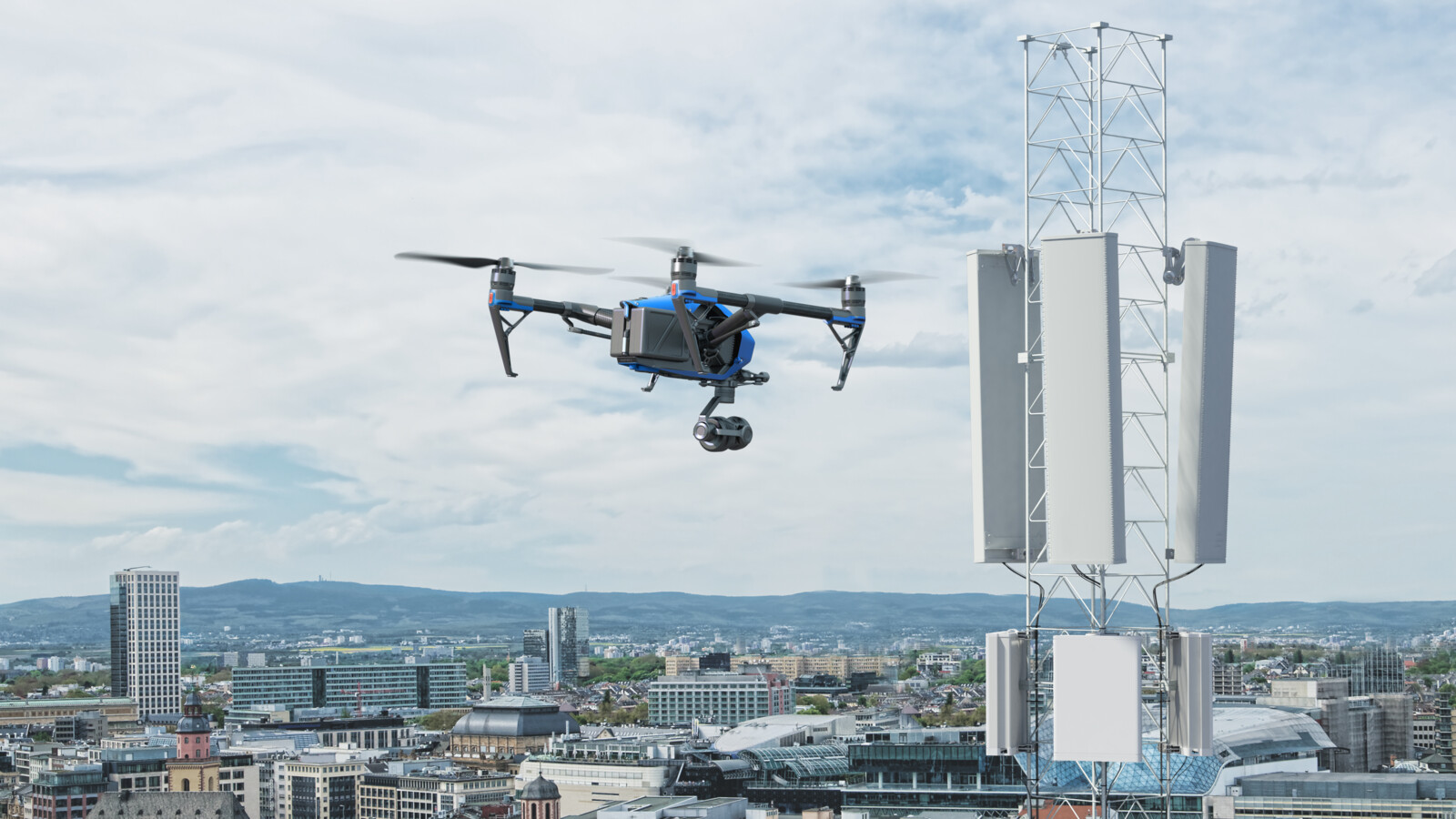
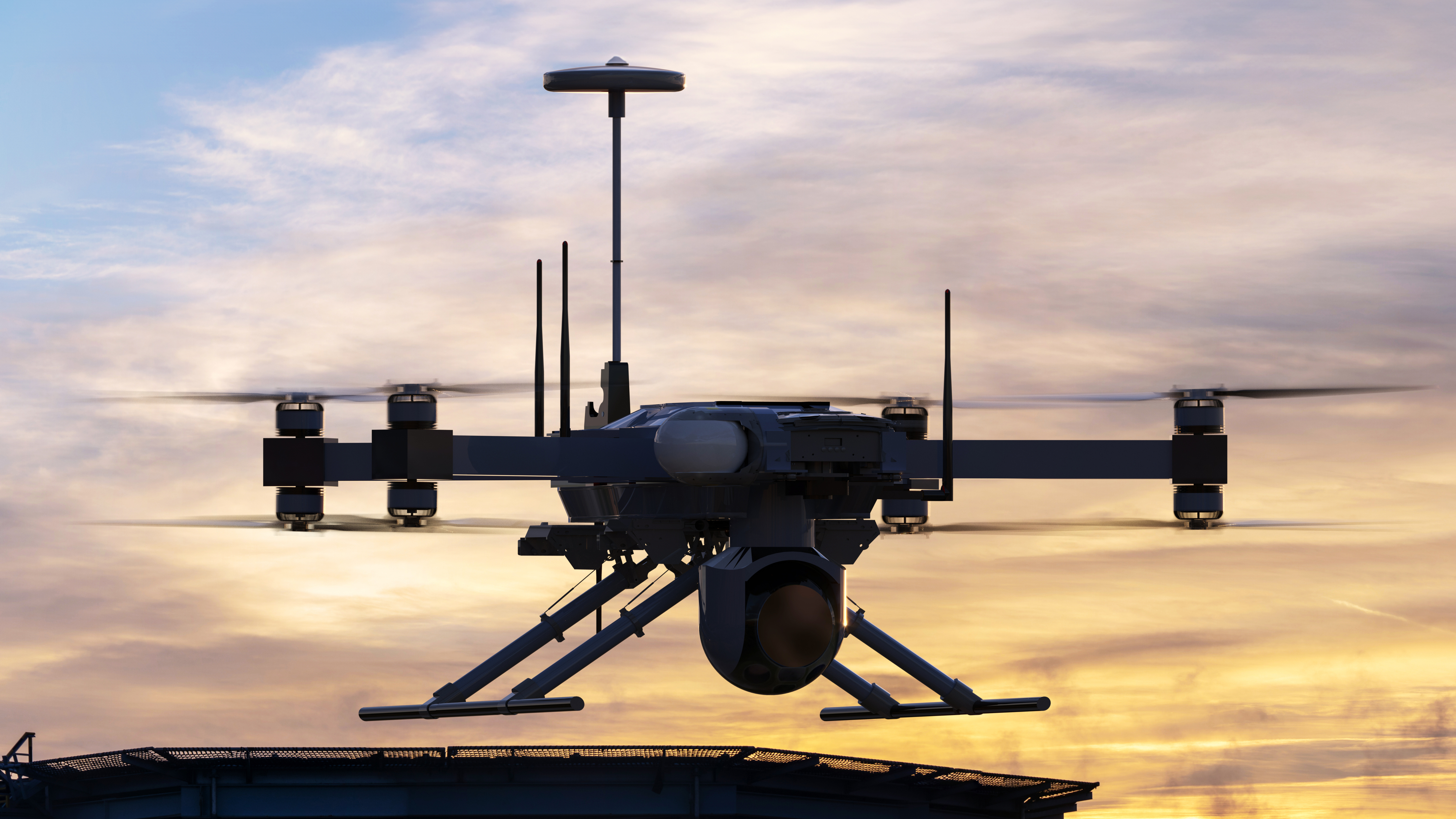
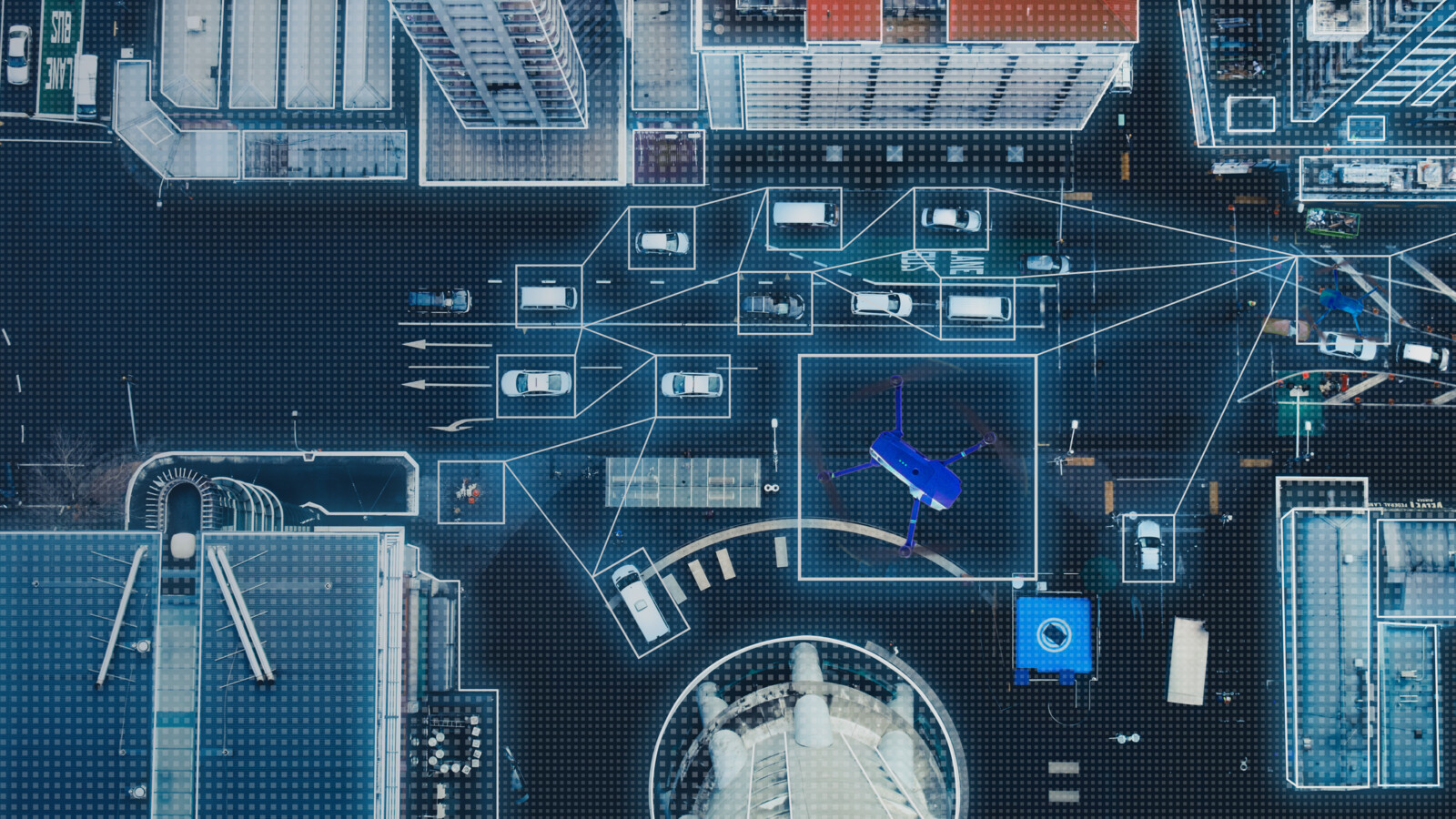
One of the primary drivers for ISAC adoption is low-altitude airspace monitoring with a focus on unmanned aerial vehicles (UAVs) and safety. ISAC provides broad coverage in a local way that makes it possible to see small and low-altitude objects.

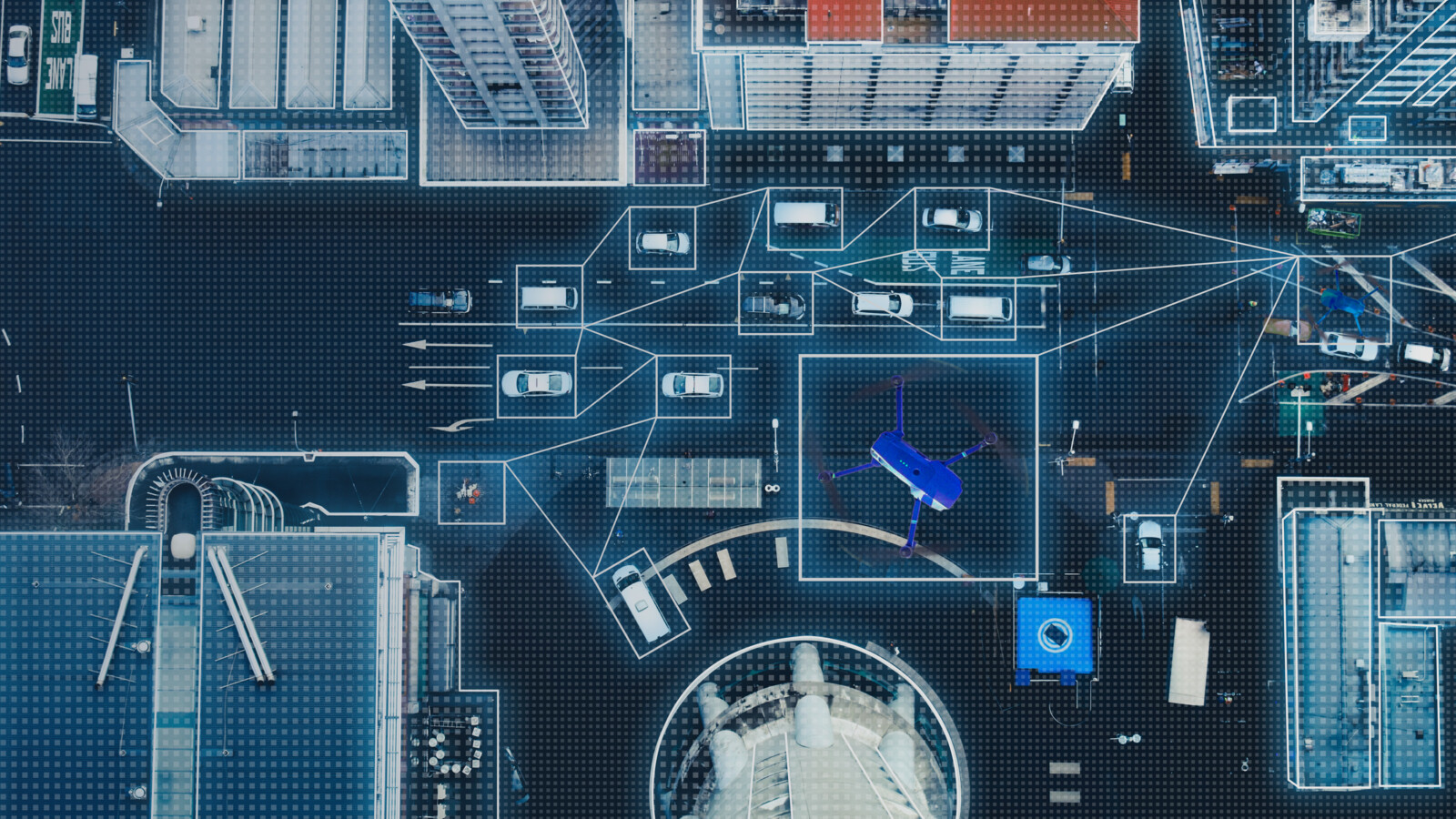
Ground traffic use cases are also among the key drivers. By augmenting local sensors (such as cameras or onboard vehicle sensors) with wide-area network awareness, ISAC provides a bird's eye view that local sensors cannot achieve. For example, an autonomous vehicle can see what is in front of it, but a multi-sensor fusion platform – with on-board sensors and network-based sensing – can alert the vehicle of a pedestrian stepping off a curb around a blind corner. ISAC-enabled networks play a key role in this broader sensor platform by adding non-line-of-sight awareness and may prove foundational to future safety systems.

Deploying a dedicated sensor network to cover large areas would be prohibitively expensive and logistically complex. ISAC solves this by leveraging the already highly distributed infrastructure and the massive global footprint of mobile network sites and devices, enabling TCO-optimized introduction of sensing coverage at scale. This reuse enables a flexible deployment model where coverage can be scaled to any area, ranging from local sites such as factories and critical infrastructure to cities, border and perimeter protection up to complete nationwide coverage.

ISAC technology creates opportunities for commercial, public safety, and defense use cases. For governments, it enhances national security by providing ubiquitous airspace monitoring for threats such as unauthorized UAVs. Unauthorized drones are frequently observed in sensitive environments (for example., borders, critical infrastructure), are used for unlawful surveillance, organized crime, and sabotage. They are becoming a significant threat to national security, undetected by many existing sensor systems - especially as they evolve to autonomous non-radio-controlled artificial intelligence (AI)-based steering to mitigate jamming. Recent demonstrations, such as Ericsson's proof of concept in its research testbed, have shown that ISAC can effectively track UAVs using multiple input, multiple output (MIMO) radios. Beyond drones, ISAC will also be capable of sensing any moving object which extends its applicability in for example perimeter protection around critical infrastructure. These examples illustrate how sensing can support national security and infrastructure protection, alongside economic and industrial benefits.

The already existing geometry of the cellular network greatly improves detection probability, localization accuracy, and resilience compared to a single co-located transmitter/receiver (mono-static) typically used in conventional radars.

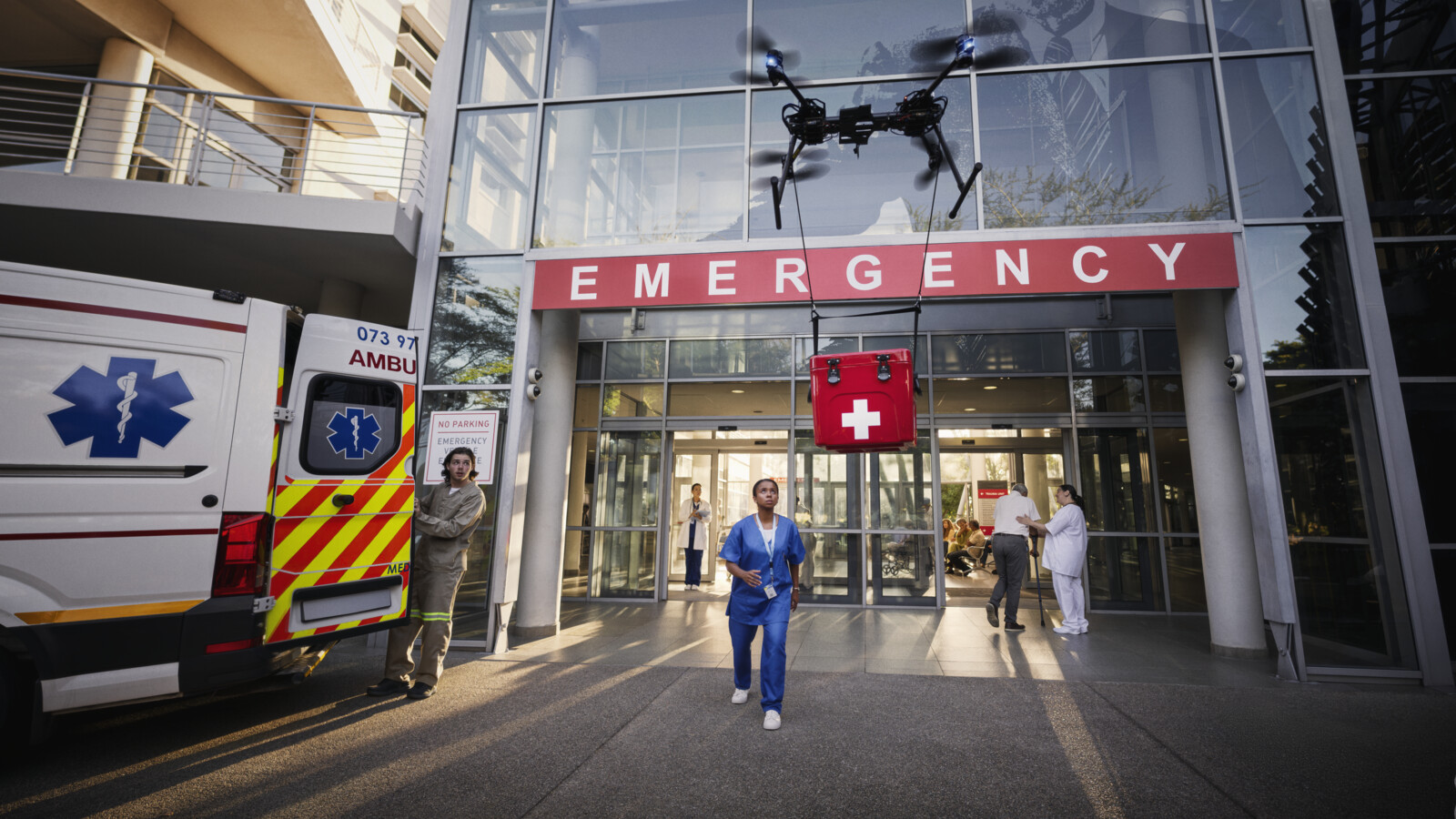
ISAC will enable new service offerings to both consumers, industries, and public sector. Examples include safer human-machine collaboration in factories, immersive spatial maps for gaming, and emergency response decision support.

Beyond external services, ISAC strengthens the performance of the communication network itself. By sensing how signals propagate and detecting physical obstacles in real time, networks can dynamically optimize beamforming, interference management, and cell shaping.

This feedback loop enhances reliability and efficiency – two key metrics as networks evolve to meet the demanding performance targets of 6G.

Key use cases

For CSPs, ISAC offers a path to new revenue streams beyond connectivity. For industries, it promises a new layer of automation and safety. For society, it envisions a world where infrastructure is intelligent, skies are safer, and transportation is seamless. ISAC enables a diverse array of use cases. 3GPP, the global standardization body for mobile telecommunications, has identified over 60 potential use cases ranging from public safety to industrial automation.

UAVs and airspace safety

The management of low-altitude airspace is becoming a critical challenge as UAV delivery and autonomous aerial systems proliferate. The rapid growth of UAVs for delivery, inspection, and media creates an economic opportunity - but also new safety and security challenges.

The ISAC advantage

Ubiquity
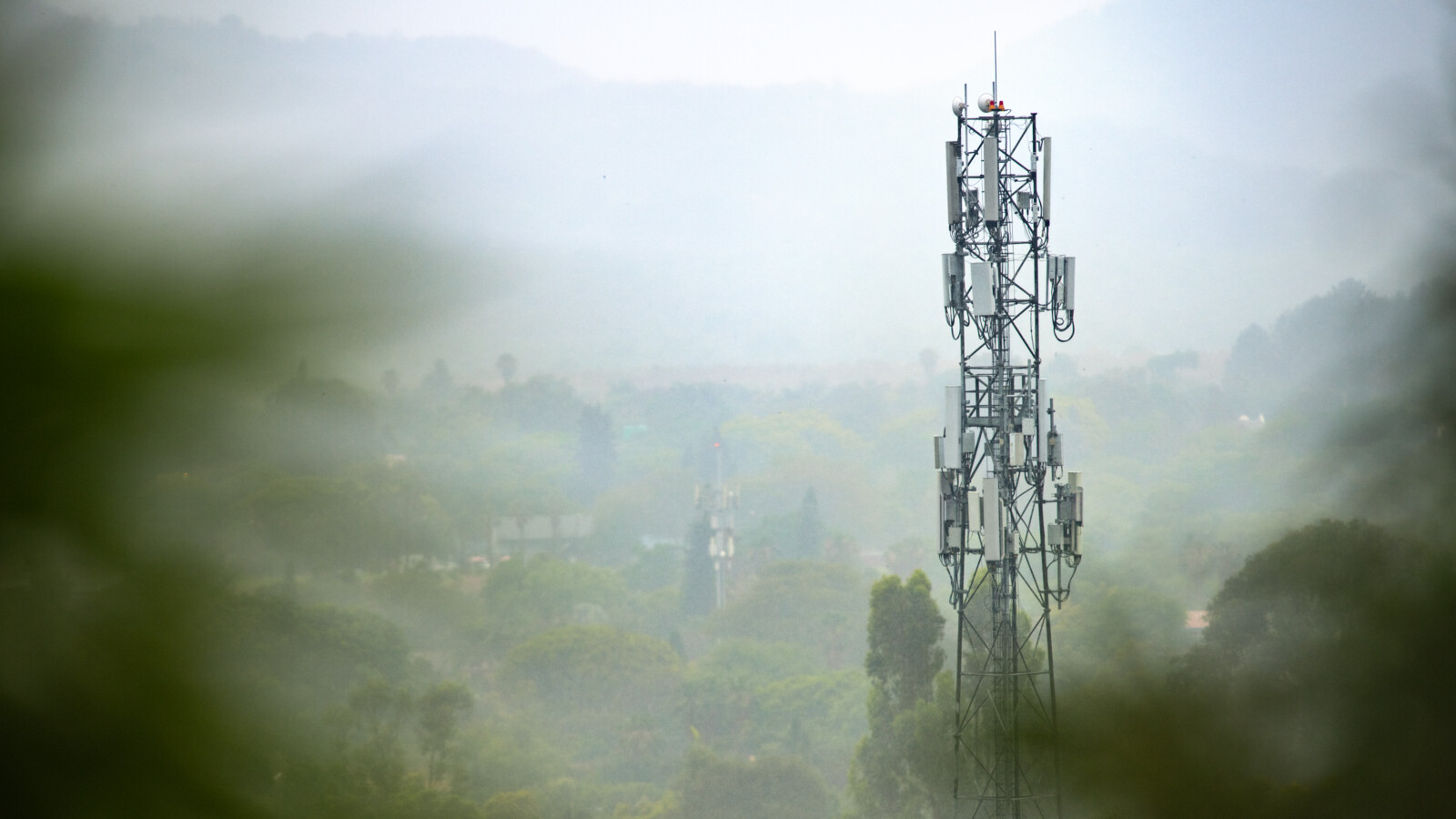
Mobile towers are typically deployed on rooftops and high ground, providing the ideal vantage point for looking up at drones and down into urban canyons.

Bistatic capability
A drone might be stealthy to a monostatic radar (deflecting signals away from the source), but in a dense mobile network, the signal deflected from one tower will likely be caught by another. This multistatic detection is the most efficient way to ensure that all objects are detected.

Drone

ISAC is uniquely capable of securing no-fly zones around airports, stadiums, government buildings, and critical infrastructure. Unlike traditional sensing systems, which may have coverage gaps, the mobile network provides a ubiquitous blanket of coverage. It can detect non-collaborative UAVs (those not broadcasting their location) and alert security forces.

For legitimate UAV operations, ISAC serves as a safety layer. While drones have onboard sensors, they struggle in poor weather or low light. ISAC can provide flight trajectory tracking and environmental data to the UAV traffic management system, ensuring safe separation between UAVs and preventing mid-air collisions in dense urban corridors.

Transport and automotive safety

ISAC acts as a complement to the onboard sensors (LiDAR, cameras, and other sensing systems) found in modern vehicles, addressing the limitations of individual vehicle perception.

A car's sensors can provide local awareness. ISAC may detect a child running onto the road from behind a parked truck or a cyclist approaching a blind intersection. The network can relay this hidden threat to connected vehicles in the vicinity, triggering warnings or automatic braking.

A vehicle’s own sensors provide local awareness, but network-based sensing can add an extra safety layer in slower, high-risk environments.

On highways, ISAC can monitor traffic flow, detect stalled vehicles, or identify debris on the road in real time, managing traffic signals and alerting drivers miles upstream to prevent pileups.

Railway networks can use ISAC to detect obstacles, animals, or people on train tracks, providing early warnings to high-speed trains that require long braking distances.

drone view

Industry and logistics (Industry 4.0)

In controlled environments such as smart factories and warehouses, high-precision sensing enables safer human-machine collaboration.

The ISAC advantage:

Infrastructure reduction
A factory covered by an indoor 6G small-cell network for data can use the same access points to also track the forklifts.

Resilience to conditions
Optical sensors and LIDAR can struggle in factories with steam, dust, or variable lighting. Radio waves (especially at lower mmWave frequencies) penetrate dust and smoke effectively, ensuring safety systems remain operational in harsh industrial environments.

Inventory tracking
Passive sensing can track large metallic inventory items (like car chassis or shipping containers) as they move through a logistics hub, providing real-time inventory visibility without the need for battery-powered GPS trackers on every item.

robots

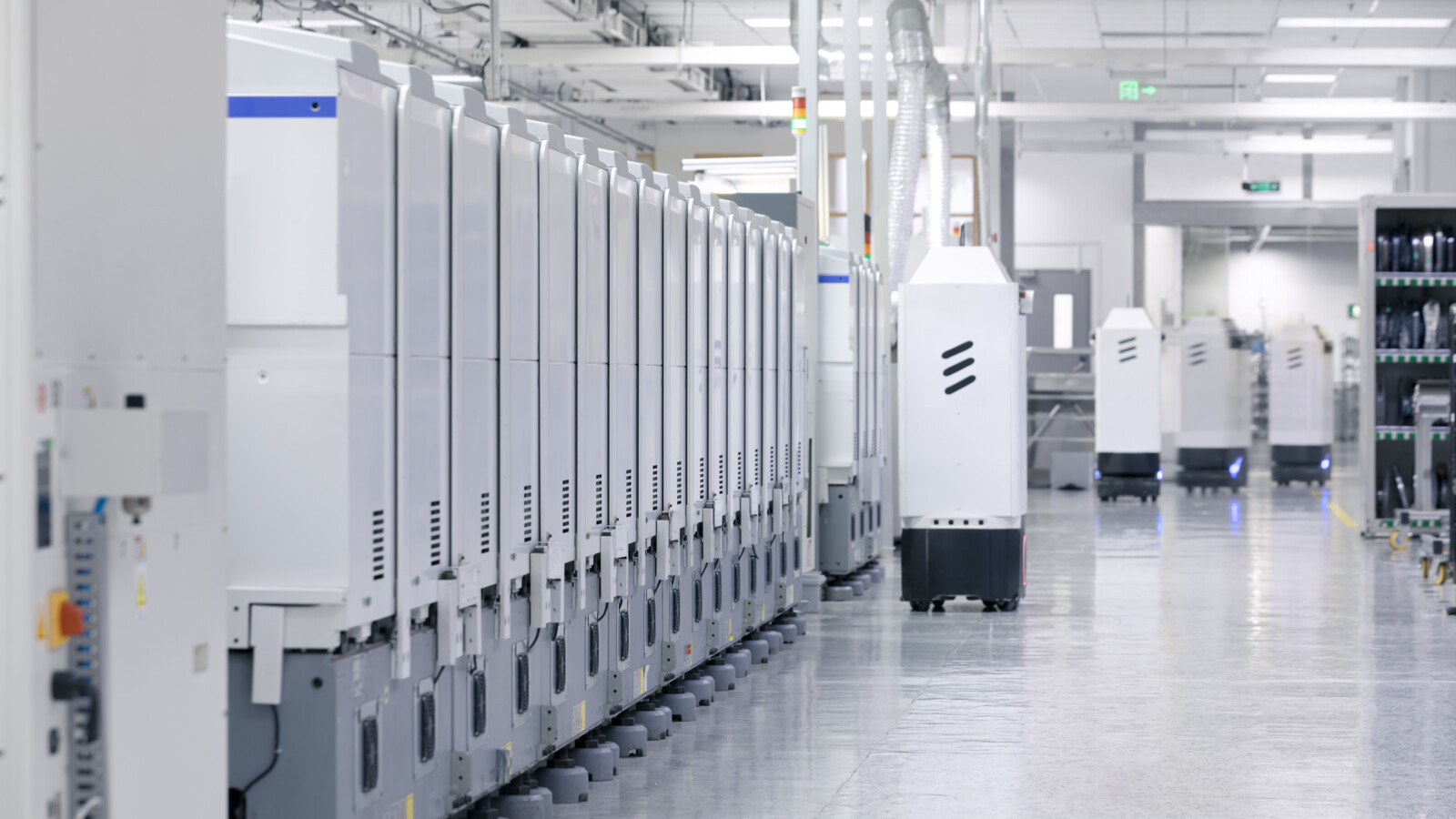
Autonomous guided vehicles (AGVs) and autonomous mobile robots (AMRs) are the workhorses of modern logistics. ISAC allows the facility to track these assets without needing active tags on every pallet. More importantly, it ensures safety by detecting human workers entering robotic zones. If a worker steps too close to a high-speed robot arm or the path of a forklift, the system can command the machinery to slow down or stop, potentially eliminating the need for physical safety cages.

ISAC may support providing the real-time data feed necessary to maintain an accurate digital twin of a factory. By continuously mapping the location of equipment, inventory, and personnel, the digital replica remains synchronized with physical reality, enabling better simulation and operational optimization.

Ambient and environmental sensing

ISAC capabilities extend beyond moving objects to the monitoring of the environment itself.

By observing the propagation properties of radio waves, networks can detect environmental changes. Heavy rainfall, for instance, attenuates specific frequencies. By analyzing these signal changes across a city-wide network, meteorologists can gain hyper-local rainfall data, potentially predicting flash floods with greater accuracy than traditional weather radar.

In public spaces, ISAC can, for example, monitor crowd density at large events to prevent dangerous overcrowding, without compromising privacy, identifying only the physical presence of people. It can also support perimeter security, detecting intruders at critical infrastructure such as water reservoirs, power plants, or borders.

tower

Consumer application – immersive experiences

Future extended reality applications will require a perfect synchronization between the digital and physical worlds. ISAC will facilitate this by providing a spatial map for the physical world. If you are playing an AR game in a park, ISAC can detect a person walking in front of you and tell the augmented reality glasses to take into account the person when choosing positions for the virtual characters in the game. This realistic occlusion is currently very difficult for mobile devices to handle alone.

Spatial information about a shopping district or the insides of a specific store can enable a better shopping experience. Users can receive information about products and special offers in their augmented reality glasses, and be guided to the right store or the right shelf.

The ISAC evolution

While the ubiquitous, standardized ISAC ecosystem is expected to mature alongside commercial 6G deployments in the 2030 timeframe, early implementations are already emerging. Ericsson's proof of concepts demonstrates that current 5G technology (specifically massive MIMO radios) can already perform sensing tasks, and with software and hardware optimization, full ISAC potential can be realized.

3GPP standardization

3GPP is the body responsible for global mobile standards.

Release 19 (5G Advanced): Initial studies on ISAC are included in Release 19. This pre-6G phase focuses on validating channel models (how radio waves behave for sensing) and defining functional requirements.

Release 20 (5G evolution): Studies monostatic transmission-reception point (TRP) sensing of UAVs and is expected to be followed by a 5G work item on sensing for specific scenarios, addressing only a single use case.

Release 20 (6G studies): In parallel, 6G study items will investigate ISAC more generally, including architectures and broader use cases and more sensing topologies.

Release 21 (initial 6G specifications): Expected to contain the first normative 6G specifications, including 6G ISAC, defining waveforms, architectures, and protocols for deeply integrated sensing and communication.

These timelines will continue to evolve, but they indicate that standardized ISAC capabilities will be aligned with the broader 6G rollout.

Core technologies enabling ISAC

Transforming a communication network into a sensing-capable platform requires advanced technological innovations. The transition relies on specific engineering principles that allow radio waves to multitask effectively.

The physics of sensing: Pulse-Doppler principles

At its core, ISAC typically operates on principles similar to a pulse-Doppler radar. This approach is favored because it integrates easily into the OFDM resource grid used in modern 5G and future 6G communications.

Range determination
The system measures the time it takes for a radio pulse to travel to an object and to the receiver. The accuracy of this measurement – how precisely the distance can be known – improves with wider bandwidths.

Velocity estimation
Objects in motion cause a shift in the frequency of the reflected wave, known as the Doppler effect. By comparing the phase of consecutively received sensing pulses, the network can determine the target's speed. The closer the pulses are in time, the higher the speed that can be measured unambiguously.

Direction finding
Determining where an object is located relative to the base station requires multi-antenna processing. Modern massive MIMO antennas are ideal for this. They use beamforming and angle-of-arrival estimation to pinpoint the direction of the reflection. Combining range, velocity, and direction gives a complete spatial picture of the target.

Sensing topologies

ISAC systems can be deployed in different configurations, known as topologies, depending on the environment and the specific use case requirements:

""


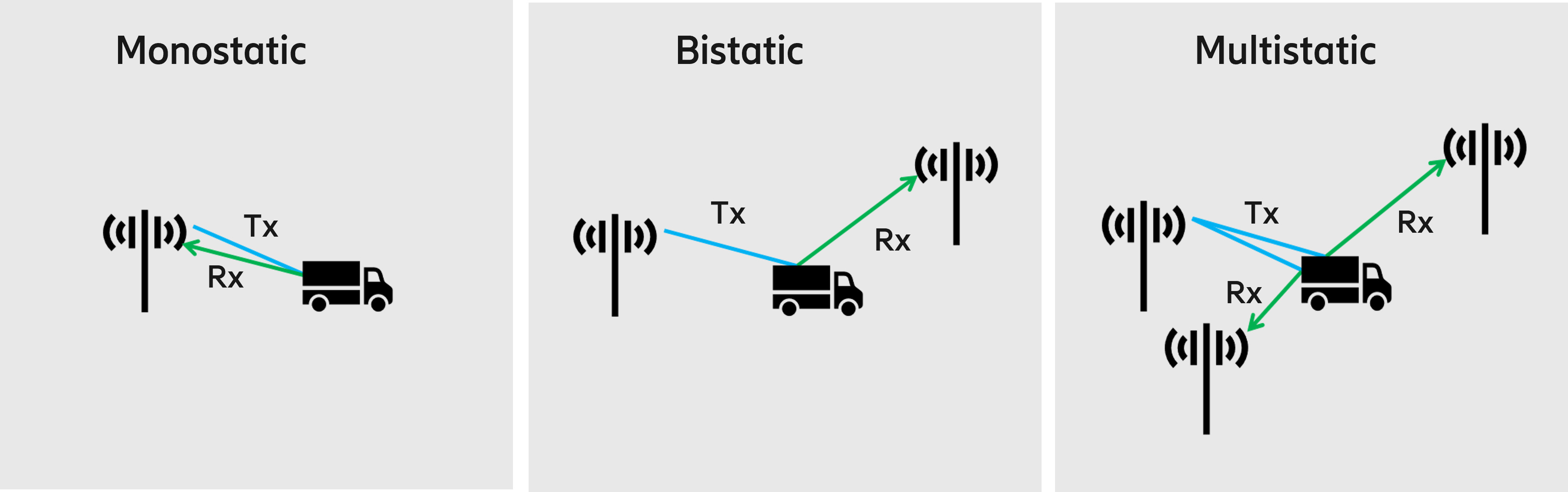
Monostatic sensing
Here, the same node (base station) acts as both the transmitter and the receiver, sending a signal and listening for its echo. This requires sophisticated interference management, as the node must separate its own strong outbound signal from weak reflections returning from distant objects. Alternatively, using very short pulses can ensure that the transmission has already stopped when echoes from the closest targets arrive. This method only works outside an exclusion zone.

Bistatic sensing
In this topology, one node transmits the signal and a different node receives the reflection. This avoids the self-interference problem of monostatic systems. Proper synchronization between the nodes can be achieved through a dedicated over-the-air reference path, enabling precise time and frequency alignment.

Multistatic sensing
This is an extension of bistatic sensing, involving a network of multiple transmitters and receivers working in concert. This collaborative approach creates a mesh of sensing capabilities, improving accuracy and reliability by viewing the target from multiple angles simultaneously.

Different levels of integration

The term integrated in ISAC is not a binary concept; it represents a continuum of technological convergence, with different levels adapted to different deployment models, use cases, and customer preferences rather than a single optimal level. The depth of integration determines the efficiency and capability of the system:

Site sharing
Communication and sensing equipment co-exist on the same tower but remain separate systems. They do not share spectrum or hardware. This already delivers significant cost benefits by sharing the underlying infrastructure, even without spectrum or hardware sharing.

Spectrum sharing
Both systems use the same frequency bands but may use different hardware and access the spectrum separately. Many government agencies, for example, prefer integration up to this level while keeping sensing hardware separated.

Hardware sharing
The systems share antennas, transmitters, and receivers, maximizing infrastructure efficiency. Note that for some use cases with especially high sensing value, stakeholders are often willing to pay for additional or dedicated sensing hardware on top of the shared infrastructure.


The deepest level of integration reuses some communication signals for sensing when their direction, bandwidth, and timing are suitable. While this can reduce overhead and energy consumption, it is expected to be an optimization used selectively. In practice, dedicated sensing signal transmissions are preferred for many use cases to guarantee the right characteristics for sensing without compromising communication performance.

Across these levels, ISAC is about reusing sites, spectrum, hardware, and signals where it makes sense, while still allowing dedicated sensing resources when needed.

The role of spectrum in sensing

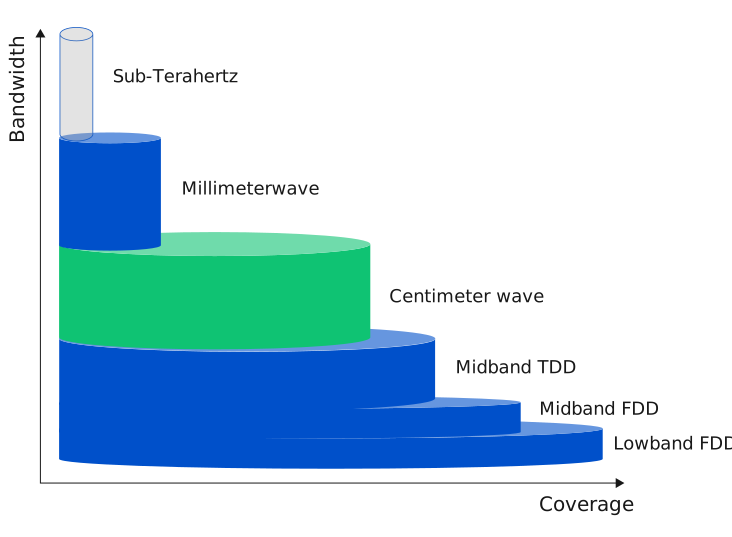
The propagation properties of radio waves change with frequency, strongly influencing what ISAC can see and the level of detail with which it can sense the environment.

Mid-band TDD (FR1/2.6 GHz to 7 GHz)
Time-division duplex (TDD) mid-band deployments often support wide channel bandwidths and advanced antenna systems, offering a good balance between coverage and resolution.  Bandwidths in this range allow for good object detection and tracking suitable for airspace monitoring and general traffic management, needing wide-area coverage.

Centimeter wave (7.125 GHz to 8.4 GHz)
The 7.125 to 8.4 GHz can provide wider bandwidths and, when combined with large antenna arrays, re-use the mid-band-like grid. 7.125-8.4 GHz is attractive for use cases that need higher resolution across relatively wide areas. For example, traffic monitoring and incident detection along busy urban roads and highways, where roadside sensors and existing mobile infrastructure use 7-8 GHz signals to track vehicle flows and identify sudden slowdowns or stopped vehicles with finer detail over a broad coverage area. This spectrum is under discussion for the 6G time-frame.

Millimeter wave (mmWave, FR2/24 GHz and above)
Higher frequencies offer wider bandwidths (hundreds of MHz). This translates to superior resolution. mmWave ISAC can detect smaller movements and separate closely spaced objects, making it ideal for high-precision industrial applications or small areas in complex urban environments.

""

The architecture of sensing: How it works

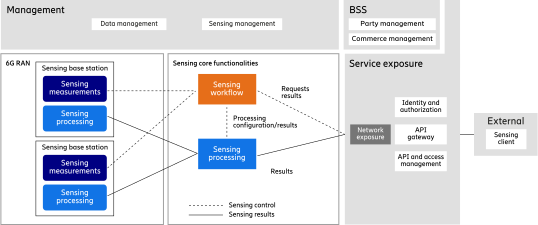
Implementing sensing requires adaptations in the mobile network architecture. It is not just about the radio; it also builds on data processing and control functions responsible for aggregating sensing data, enforcing client-specific access policies, and exporting data to authorized sensing clients.

The sensing workflow

The process of sensing begins with a client – this could be an external application such as a traffic management system or an internal network function.

  1. Request: The client sends a request to the network via an Application Programming Interface (API). The request specifies the area to be sensed (for example, "monitor this intersection") and the type of sensing required (for instance, "detect moving objects").
  2. Authorization and planning: The network's sensing core validates the request. It checks if the client is authorized and ensures privacy policies are met. It then determines which base stations are best positioned to cover the target area.
  3. Execution: The selected base stations are instructed to perform the measurement. They configure their radio resources, coordinating with communication traffic to ensure service degradation is minimized.
  4. Processing: The raw data – radio reflections – must be processed. This typically happens in steps. The base station performs initial processing (such as range-Doppler map creation and peak detection) to reduce data volume. Further refinement, such as object classification or fusing data from multiple base stations, may happen in the sensing core, the radio access network, or at the network edge.
  5. Delivery: The final result (for example "object detected at coordinates X, Y moving north at 10 m/s") is delivered back to the client through the API.
a man working on a machine

Privacy and regulation

Privacy and responsible use are central considerations for sensing. While ISAC focuses on observing the physical environment rather than communication content, events in the environment can of course be sensitive information. This is very dependent on the use cases, however, both due to the motivation behind the use case and what potential things can be seen in the targeted sensing area.

A use-case-driven perspective is essential:

  • In airspace monitoring, most sensed objects are aircraft or UAVs, and applications are typically linked to safety and security.
  • In road traffic, the emphasis is on detecting obstacles, vehicles, and aggregated flows to improve safety and efficiency, not on tracking individuals.
  • In industrial settings, sensing supports worker safety and asset protection within clearly defined premises and governance frameworks.

There are several principles that guide responsible deployment:

  • Use case selection: Select use cases that are compatible with ensuring the privacy of individuals, and otherwise prevent misuse.
  • Data subject rights: Unlike a subscriber who consents to tracking by carrying a SIM card, a sensed object (like a pedestrian) has no contract with the operator. This aspect will be closely considered as the use cases become clearer.
  • Resolution limits: Privacy may be protected by physics. ISAC systems lack the resolution to identify who a person is (e.g., facial recognition is not possible with standard cellular frequencies). The data reveals "a human-size object might be here," not "John Smith is here."
  • Regulatory frameworks: Regulators will need to define how sensing data can be used and stored. Current recommendations suggest focusing on use cases with clear legal bases, such as public safety or critical infrastructure protection, or using anonymized data for traffic management.

Security-by-design and strong access control are required to ensure sensing-derived data is protected and only made available to authorized applications.

In the design, development, sale, deployment and use of our products (hardware, software, services, and solutions), Ericsson is committed to the responsible, compliant and ethical use of technology. It is our belief that technologies, including sensing, should be used in a manner that has a constructive and positive impact. 

Explore more