










Austin R&D Center
At the Austin R&D Center, we push the boundaries of microelectronics and system design to accelerate the path from research to 5G commercialization. Our engineers integrate expertise in hardware, software, and AI-driven methods to optimize performance, efficiency, and scalability. As we look to 6G and 7G, we continue developing next-generation architectures that will enable more intelligent, resilient, and sustainable communication networks.
Bringing research and development investment to Texas

Our Austin Research & Development Center plays a critical role in advancing Ericsson’s leadership in 5G while driving innovations that will shape the future of 6G and beyond. Our teams in Application-Specific Integrated Circuit (ASIC) Hardware Development, Silicon Productization Engineering, and RAN Compute Software work closely together, and with their sister groups in Sweden, to deliver advanced hardware and software solutions that power the next generation of mobile networks.
Research and development center
Ericsson, a long-time leader in the telecommunications industry, opened its R&D Center in downtown Austin in 2017. This investment reflects our commitment to technology leadership and delivering superior customer experiences. Austin’s rich hardware and software talent pool, combined with its proximity to our U.S. customers, partners, service providers, and vendors, makes it an ideal hub for innovation and collaboration.
We are a leading partner in the University of Texas at Austin’s 6G@UT program, a flagship research initiative bringing together leading experts in wireless, networking, sensing, and machine learning. The collaboration focuses on addressing fundamental 6G challenges such as bounded latency, spectral efficiency, and perceptually optimized XR streaming, with the goal of shaping next-generation standards and enabling seamless, immersive user experiences.
As the global leader in 5G, with more live networks in more markets than any other supplier, Ericsson continues to strengthen its position through its strategic investment in the Austin R&D Center. ASICs and software developed here are integral to global 5G infrastructure, powering industrial digitalization and enabling the Internet of Things. By advancing the processing power behind next-generation networks, Ericsson Austin is helping realize the full promise of a digitally connected society.


ASIC Hardware Development
The Austin ASIC hardware development team is an integral part of a world-class semiconductor organization, driving excellence in our 5G network products and beyond. ASICs are the backbone of our Ericsson Radio System products, where balancing high performance, reduced power consumption, and form factors are vital to meet diverse customer deployment needs. From architecture, front-end RTL design, and integration, to IP and top-level verification, our Austin team is a key contributor to the success of these ASICs. In addition, the Austin R&D Center is the heart of Ericsson’s Front-End CAD (FECAD) group, which drives advanced silicon development methodologies, with special focus on innovative and AI-driven workflows that accelerate development.

RAN Compute Software
Ericsson’s Austin software team, established in 2019, is responsible for RAN Compute software across the 5G RAN portfolio. The team delivers advanced capabilities that power industry milestones, including features behind the 5G extended-range achievement over millimeter Wave (mmWave), a breakthrough that helps close the digital divide, and 5G Dual Connectivity, which enabled a US Tier 1’s world-record upload speed in 2024. Today the team has a high focus in driving innovation through rApps and feature parity. Austin also hosts a RAN Compute Infrastructure team creating compiler technology and development tools that support Austin and Ericsson RAN Compute Software teams worldwide, enabling scalability, performance, and continuous innovation across products and markets.
Research
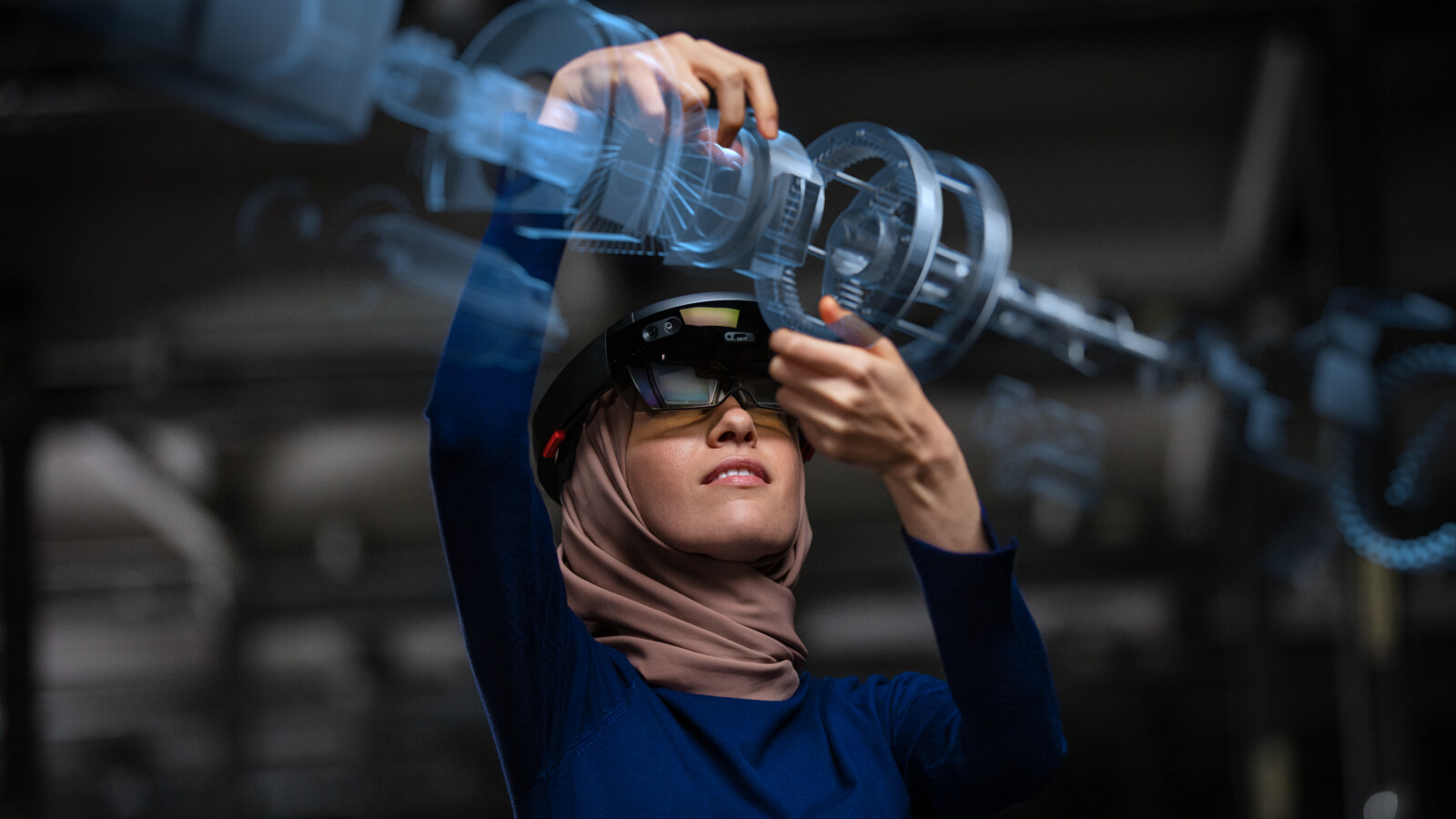
Ericsson Research in Austin plays a vital role in advancing technologies that shape the future of connectivity, contributing to regional innovation and U.S. technology leadership. The team engages in national initiatives such as the U.S. CHIPS programs, supports government-funded research aligned with Austin’s core competencies, and partners with local universities to grow the Texas telecom ecosystem. Building on the site’s hardware and engineering expertise, research spans silicon architectures, hardware acceleration, compilers, advanced packaging, and integration methods. The team also explores emerging solutions like intent-driven RAN and AI-driven configuration management, keeping Ericsson’s networks at the forefront of performance, efficiency, and adaptability.

Silicon Productization Engineering (SPE)
Silicon Productization Engineering (SPE) plays a critical role in advancing ASIC designs into reliable, high-performing products that power Ericsson’s leading networks. Starting early in development, SPE aligns with design milestones to ensure seamless handoffs and comprehensive oversight. The team strengthens silicon quality through advanced observability, predictive AI analysis, and rigorous debug and validation practices. SPE also oversees product testing, packaging, and reliability monitoring, ensuring each device meets the highest standards of performance and dependability. By partnering closely with global front-end and back-end design groups, SPE delivers radio and baseband ASICs optimized for efficiency, scalability, and long-term reliability.